
Selecting the right car tire repair tool is a critical decision that directly impacts your vehicle’s safety, handling, and roadworthiness. When faced with a flat tire, choosing an incompatible tool or misjudging the damage can lead to catastrophic tire failure at high speeds. To make an informed choice, you must evaluate your tire’s specific construction, the physical characteristics of the puncture, and the limitations of each repair method. Because tires are highly engineered safety systems, any DIY repair should be treated with caution and verified against your vehicle manufacturer’s guidelines and tire safety standards.
Before purchasing or using any repair equipment, always consult your vehicle’s owner’s manual and the tire manufacturer’s technical documentation to verify compatibility, speed rating impacts, and warranty conditions. Many modern vehicles require specific handling procedures, especially those equipped with advanced tire pressure monitoring systems or unique wheel assemblies. When in doubt, or if you lack the specialized equipment required for a permanent repair, always seek assistance from a qualified tire installation professional.
Assess Your Tire Type and Puncture Characteristics
Determining the construction of your tire is the first step in selecting a compatible repair tool. Modern passenger cars almost exclusively use tubeless tires, which rely on an airtight inner liner to retain inflation pressure. If you are driving a classic car, a vintage motorcycle, or certain utility vehicles, you may have tube-type tires that contain a separate inflatable inner tube. A repair tool designed to seal a tubeless tire from the outside will not work on an inner tube and can cause further damage to the tire casing.
Products mentioned in this guide
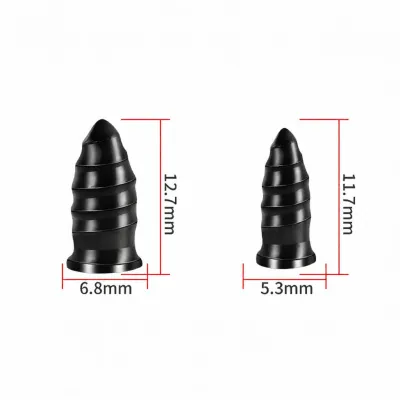
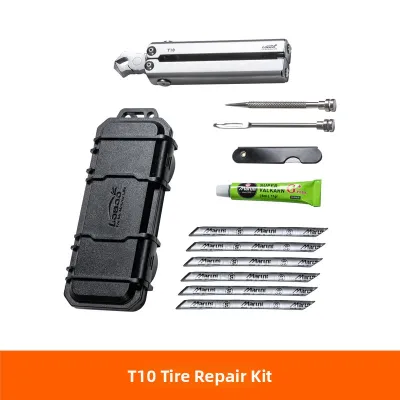
Prices are valid at publication and may change. Please refer to the product page for the latest price.
Once you confirm your tire type, you must locate and measure the puncture to determine if a repair is even permissible. Use a tire pressure gauge to check the remaining pressure, and inspect the tread surface carefully to find the penetrating object. The puncture must be located within the central tread area, which is generally defined as the area between the outermost shoulder grooves. If the damage is on the shoulder or the sidewall, the tire cannot be repaired and must be replaced.
Measure the diameter of the puncture hole using a vernier caliper or a dedicated tire tread depth and damage gauge. For standard passenger car tires, DIY repair tools are only suitable for punctures that are 6mm (approximately one-quarter of an inch) or smaller in diameter. Any puncture larger than this threshold compromises the structural steel belts and nylon cords embedded within the tire, making a safe repair impossible.
Finally, inspect the tire for any signs of secondary or internal damage before attempting a repair. Look for bulges, bubbles, or cuts on the sidewall, which indicate internal cord breakage. If the tire has been driven on while severely underinflated or flat, the inner liner may have suffered circumferential creasing or wear, producing a fine black rubber dust inside the tire. These conditions indicate structural failure, ruling out any DIY repair and requiring immediate tire replacement.
Understand the Main Types of Tire Repair Tools
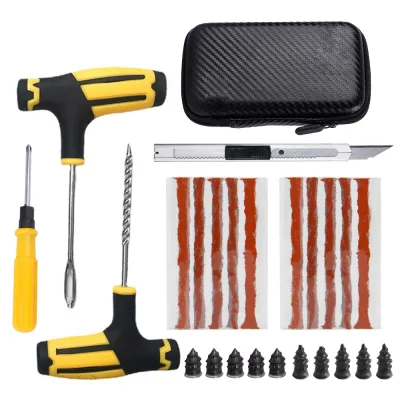
To choose the right tool, you must understand how the primary categories of tire repair equipment function, along with their specific use cases and limitations. String plugs, commonly referred to as tire plugs, are sticky, rubber-impregnated cords inserted into a puncture from the outside of the tire. This method uses a spiral reamer to clean the hole and a split-eye needle tool to force the plug into place. While highly convenient for quick roadside recovery because they do not require removing the tire from the wheel, string plugs are considered temporary fixes that do not fully seal the inner liner.

Internal patches are flat rubber discs applied directly to the tire’s inner liner, requiring you to completely demount the tire from the wheel rim. The process involves buffing the inner liner to create a clean, textured surface, applying a chemical vulcanizing cement, and rolling the patch firmly over the injury. While internal patches create a highly reliable, airtight seal on the inner liner, they do not fill the physical path of the puncture through the tread. This leaves the internal steel belts exposed to moisture, which can lead to rust and eventual tread separation.
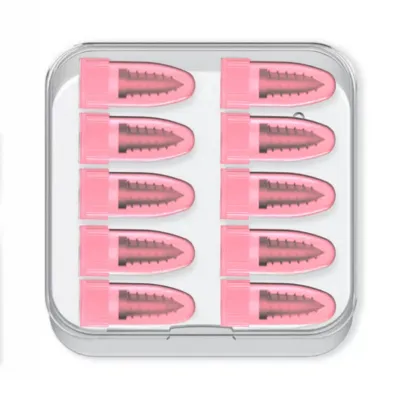
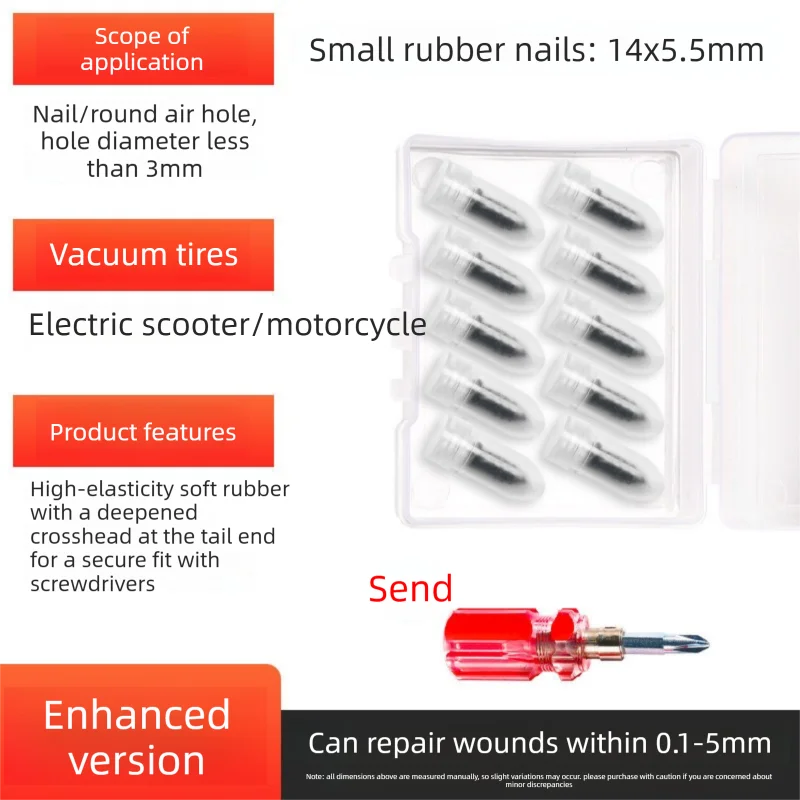
Mushroom plugs, also known as plug-patch combinations, represent a hybrid approach that addresses the limitations of both string plugs and flat patches. These tools feature a rubber stem attached to a flat patch base, which must be installed from the inside of the tire after demounting. The stem is pulled through the puncture path to seal the hole and protect the steel belts from moisture, while the patch base is vulcanized to the inner liner to prevent air loss. This method is widely recognized by professional tire technicians as the most reliable and permanent repair option.
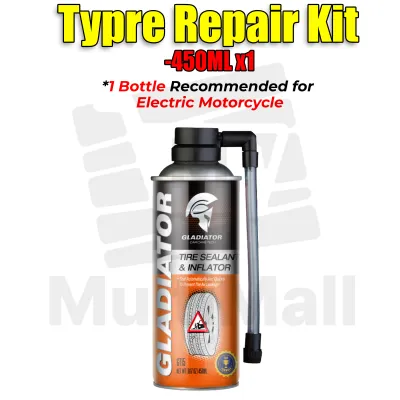
Aerosol sealants and inflators are pressurized canisters containing a liquid or latex-based chemical sealant combined with a propellant. When injected through the tire’s valve stem, the liquid spreads across the inner surface of the tire and is forced into the puncture by centrifugal force as the wheel rotates. These sealants are designed strictly for emergency mobility to help you reach a safe location or workshop. They require thorough cleanup by a technician later, can throw the wheel out of balance, and may not be compatible with all tire pressure monitoring sensors.
Match the Right Tool to Your Damage Scenario
Selecting the correct tool depends heavily on your immediate situation, your available equipment, and the type of tire you are servicing. If you experience a flat tire on a busy highway or in a remote area, your primary goal is emergency roadside recovery. In this scenario, a temporary string plug kit or an aerosol sealant is the most practical choice, allowing you to quickly restore enough pressure to drive slowly to a professional service center. These temporary solutions should not be driven on for extended periods or at high speeds.
For a permanent DIY repair, you should only proceed if you have the necessary tire-changing equipment, safety gear, and mechanical experience. An internal patch kit or a mushroom plug kit is the appropriate choice for a long-term fix, but these require a bead breaker, tire levers, and a high-volume air compressor to safely demount and remount the tire. Without these professional-grade tools, attempting to force a tire off a rim can damage the tire bead, scratch the wheel, or cause personal injury.
If you are servicing a tube-type tire, external repair tools like string plugs or aerosol sealants will fail. To repair a tube-type tire, you must demount the tire, extract the inner tube, and locate the leak by submerging the inflated tube in water. You must then apply a specialized tube patch using cold vulcanizing fluid, or replace the inner tube entirely. Before reassembling, carefully inspect the inside of the tire casing to ensure the object that caused the puncture is completely removed, preventing it from immediately puncturing the new or repaired tube.
| Tire Construction | Puncture Location | Damage Size | Recommended Tool / Action |
|---|---|---|---|
| Tubeless | Central Tread | Under 6mm | Mushroom Plug (Permanent) or String Plug (Temporary) |
| Tubeless | Sidewall or Shoulder | Any Size | Immediate Tire Replacement (Do Not Repair) |
| Tubeless | Central Tread | Over 6mm | Professional Inspection / Replacement |
| Tube-Type | Inner Tube | Under 6mm | Specialized Tube Patch or Tube Replacement |
Recognize Safety Limits and When to Replace the Tire
Understanding when not to repair a tire is just as important as knowing how to use the tools. The sidewall and shoulder areas of a tire experience intense, continuous flexing during cornering, braking, and acceleration. Because of this dynamic stress, adhesives and plugs applied to these zones will inevitably work loose, leading to sudden air loss or a dangerous blowout. No reputable safety standard permits repairs to the sidewall or shoulder; if a puncture occurs in these zones, the tire must be replaced immediately.
Strict puncture size thresholds must be respected to maintain the structural integrity of the tire. When an object larger than 6mm penetrates the tread, it severs multiple steel cords within the reinforcing belts. DIY repair kits cannot restore the tensile strength of these broken cords, meaning the tire’s carcass is permanently weakened. Attempting to plug or patch a large hole can result in tread delamination or structural failure under load.
Furthermore, you must consider how repairs affect your tire’s speed rating and warranty. Most tire manufacturers state that a repaired tire either loses its speed rating entirely or is downgraded to a lower speed category. Additionally, industry guidelines generally limit the number of repairs allowed on a single tire—typically no more than two or three, provided the repair locations do not overlap and are spaced at least 90 degrees apart. Overlapping repairs or multiple plugs in close proximity compromise the tire’s uniformity and safety.
Establish clear stopping conditions where you must cease all DIY efforts and consult a certified tire professional. If you observe exposed steel belts, internal wrinkling of the liner, or if the puncture angle is extremely oblique (greater than 15 degrees), do not attempt a DIY repair. A professional workshop has the specialized equipment, such as computerized wheel balancers and internal inspection lights, to ensure the tire is safe for continued road use.
Evaluate Repair Kits Before You Buy
When shopping for a car tire repair tool kit, evaluating the quality and completeness of the components is essential for a successful repair. Start by checking the durability of the insertion tool and the spiral reamer. Look for kits that feature heavy-duty, ergonomic T-handle tools made of hardened steel or solid brass rather than cheap plastic handles. Forcing a flimsy plastic-handled reamer through steel-belted radial tires requires significant physical effort and carries a high risk of the tool snapping, which can cause severe hand injuries.
Next, verify the freshness and quality of the consumables included in the kit. Rubber string plugs and patches degrade over time, especially when stored in hot, humid environments like a car trunk. Ensure the plugs are individually sealed, remain highly pliable, and are not dried out or brittle. If the kit includes an aerosol sealant or vulcanizing cement, check the expiration date and confirm that the product is explicitly labeled as safe for tire pressure monitoring systems (TPMS).
A complete and practical repair kit should contain all the necessary accessories to finish the job without requiring extra tools. Look for kits that include a valve core removal tool, spare valve cores, a utility knife or cutting tool to trim excess plug material, and a piece of marking chalk to locate the puncture. Additionally, ensure you have a reliable air supply mechanism, such as a portable 12V air compressor, to reinflate the tire to the manufacturer’s recommended pressure after the repair is complete.
Finally, consider the physical footprint and storage case of the repair kit. A sturdy, compact, blow-molded hard case is ideal for keeping the tools organized and protecting the rubber consumables from moisture, dust, and temperature fluctuations. Proper storage ensures that when you experience an unexpected flat tire, your tools will be in optimal working condition and ready for immediate, safe deployment.
Frequently Asked Questions (FAQ)
Is it safe to drive long distances on a plugged tire?
Driving long distances on a tire repaired with an external string plug is not recommended. String plugs are temporary emergency measures designed to provide short-term mobility so you can reach a professional repair facility. For sustained highway driving, the tire should be demounted and repaired permanently using an internal mushroom plug or replaced entirely. Continuous high-speed driving on a temporary plug increases the risk of the plug failing due to heat buildup and centrifugal forces.
Will using a tire sealant ruin my TPMS sensors?
Some liquid tire sealants can gum up or block the delicate pressure port of an electronic Tire Pressure Monitoring System (TPMS) sensor, leading to inaccurate readings or sensor failure. To minimize this risk, always select an aerosol sealant that is explicitly labeled as TPMS-safe. After using any liquid sealant, you must inform the tire technician at the workshop so they can carefully clean the sealant residue from the sensor, wheel rim, and tire interior during the permanent repair process.
Can I repair a run-flat tire with a standard DIY kit?
Most tire manufacturers strongly advise against repairing run-flat tires after they have been driven on with low or zero inflation pressure. Run-flat tires rely on heavily reinforced sidewalls to support the vehicle’s weight when air is lost, and driving on them in this state generates extreme heat that can compromise the internal rubber structure. Because it is difficult to visually assess this internal structural damage without specialized equipment, replacing the run-flat tire is generally the safest course of action.

Community discussion
Share your experience or ask a question. Comments are reviewed before publication.