
Selecting the right car sun shade in Singapore depends on matching the accessory to your daily parking environment and driving habits. Whether your vehicle sits in an open-air HDB surface carpark under the intense tropical sun or remains parked in a sheltered office basement, the right shade prevents interior heat buildup and protects delicate cabin materials. By evaluating your routine, measuring your windows, and choosing materials designed for heat reflection, you can maintain a cooler cabin and safeguard your dashboard, steering wheel, and upholstery from premature aging.
Identify Your Primary Parking and Driving Scenarios
Your daily parking routine is the most significant factor in determining the level of sun protection your vehicle requires. Drivers who park in exposed outdoor locations, such as open-air HDB carparks or uncovered industrial estates, face continuous exposure to intense solar radiation. In these environments, solar heat penetrates the glass rapidly, turning the cabin into a heat trap and placing immense strain on the air conditioning system when you return. For these scenarios, heavy-duty, highly reflective front windshield shades are essential to block direct rays before they reach the dashboard.
Conversely, if your routine primarily involves parking in sheltered environments like multi-storey carparks or basement office lots, your vehicle is shielded from direct overhead sunlight for most of the day. In this case, your primary concern might shift from long-term heat mitigation to short-term protection during brief errands or lunchtime parking. A lightweight, quick-deploying shade may be more practical than a bulky, multi-layered thermal barrier, allowing you to set up and pack away the accessory in seconds.
Products mentioned in this guide
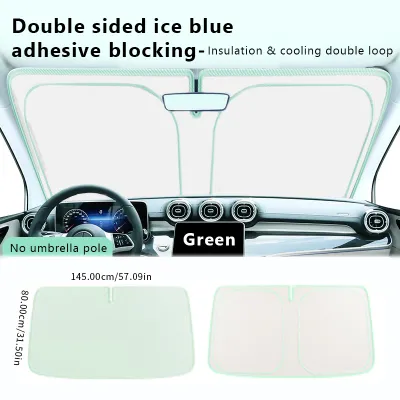
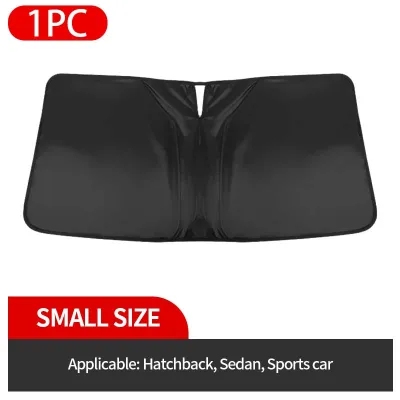
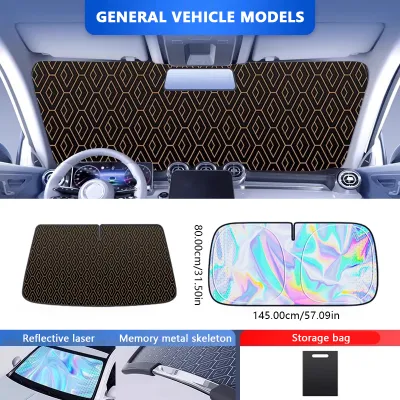
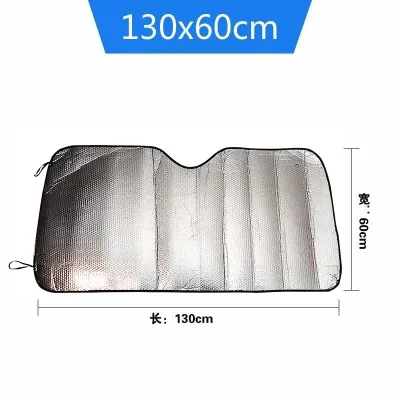
Prices are valid at publication and may change. Please refer to the product page for the latest price.
Your driving frequency and passenger setup also dictate your sun shade requirements. Frequent daytime drives with family members, young children, or pets in the back seat require active glare and heat reduction while the vehicle is in motion. While a front windshield shade is strictly for stationary parking, side and rear window shades can remain installed during transit to improve passenger comfort. Evaluating your personal heat tolerance and the vulnerability of your car’s interior materials—such as leather seats that can crack under UV exposure—will help you establish a baseline for your vehicle’s protective needs.
Match Sun Shade Types to Your Specific Needs
Different sun shade designs serve distinct purposes, and understanding their primary functions allows you to build an effective defense system for your car. Front windshield sun shades are the most critical line of defense for stationary vehicles because the windshield is the largest glass surface area directly exposed to the sun. These shades are designed to sit flush against the front glass, reflecting incoming solar radiation back out of the vehicle and preventing the dashboard, steering wheel, and front seats from absorbing heat.

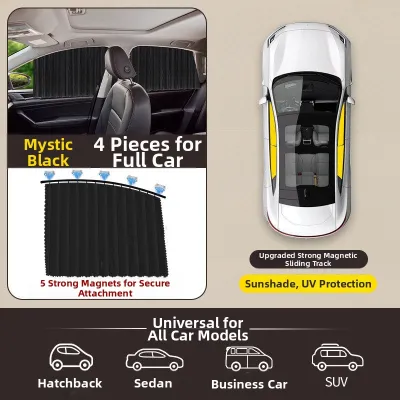
Side window shades focus primarily on passenger comfort, glare reduction, and UV protection while the vehicle is parked or in motion. These shades are available in various formats, including magnetic mesh frames that cling to the metal window border, suction-cup rollers, and static-cling films. For families with infants in child safety seats, side window shades are invaluable for blocking direct sunlight that can cause discomfort and skin irritation during long daytime journeys.
Rear window solutions complete the protective envelope, shielding the cargo area or rear passengers from sunlight entering through the back of the car. This is particularly important for sedans and station wagons where the rear glass has a steep angle, allowing significant solar energy to penetrate the cabin. When choosing rear shades, it is vital to select options that do not compromise the driver’s rearward visibility through the center rearview mirror, especially when driving during low-light conditions or heavy rain.
Evaluate Coverage, Material, and Fit for Daily Use
To ensure your chosen sun shade performs effectively, you must evaluate its material composition and physical dimensions against your vehicle’s specifications. When browsing options, check the manufacturer’s product labels for verified material properties, such as reflective metallic foil coatings, double-bubble thermal barriers, or high-density mesh weaves. Reflective silver coatings are highly efficient at bouncing light away from the cabin, while thick, multi-layered materials provide better insulation against heat transfer.
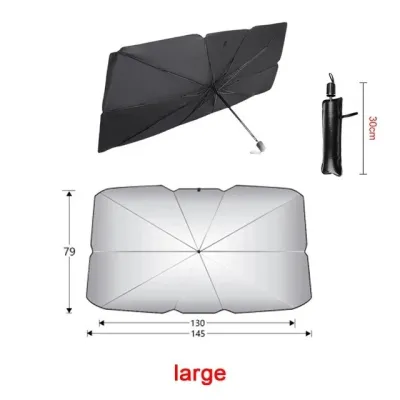
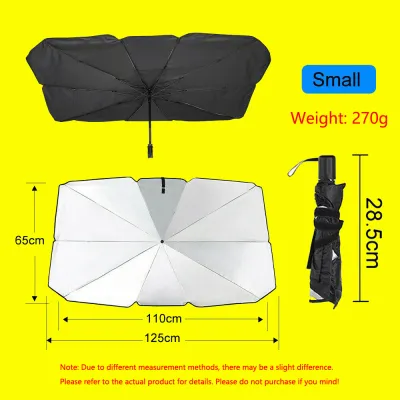
Accurate physical measurement is crucial because a poorly fitting sun shade allows light gaps, which significantly reduces its overall effectiveness. Before purchasing, use a measuring tape to record the height and width of your windshield and side windows, comparing these figures with the product specifications provided by the manufacturer. Do not rely solely on generic size categories like “medium” or “large,” as window angles and rearview mirror assemblies vary widely between vehicle makes and models.
Storage convenience and folding mechanisms are equally important for daily usability in Singapore’s fast-paced environment. An effective sun shade is only useful if you actually deploy it, so choose a folding style that matches your patience and available cabin space. Accordion-style shades are rigid and quick to unfold but can be bulky to store, whereas spring-wire pop-up shades fold down into compact circles that fit easily into seatback pockets or door bins, though they require a bit of practice to fold correctly.
Balance Convenience and Cross-Scenario Compatibility
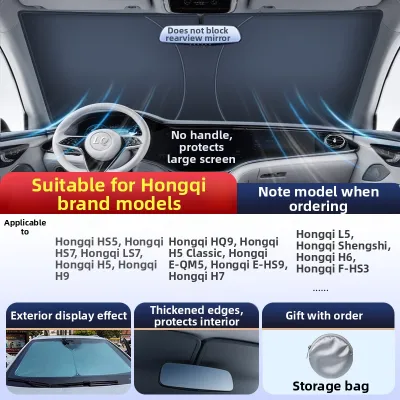
Deciding between a custom-fit sun shade and a universal option involves balancing precision against cost and versatility. Custom-fit shades are tailored to the exact dimensions of your specific vehicle model, ensuring edge-to-edge coverage with no light gaps and neat integration around the rearview mirror and sensor housings. While these premium options offer maximum thermal protection, they are typically more expensive and cannot be easily transferred if you change vehicles.
Universal shades offer greater adjustability and cross-scenario compatibility, making them a practical choice for households with multiple cars or drivers who frequently use rental and car-sharing services. Many universal designs feature overlapping panels or flexible wire frames that can adapt to different window shapes. However, you must accept that universal models may leave small gaps along the edges where heat and light can still penetrate the cabin.
For comprehensive protection during extreme heat exposure, consider combining front and side shades rather than relying on a single product. If your daily routine involves parking in unshaded industrial areas for several hours, deploying a reflective front shade alongside magnetic side window mesh shades creates a dark, insulated cabin environment. This multi-layered approach dramatically reduces the workload on your vehicle’s air conditioning system, allowing the cabin to cool down much faster once you start your journey.
Safe Installation and Maintenance Practices
Safe usage of car sun shades is paramount to prevent accidents and avoid damaging your vehicle’s interior components. When installing any shade, ensure it does not obstruct your view of the side mirrors, blind spots, or the road ahead. Side and rear window shades used while driving must comply with local road safety regulations regarding driver visibility and light transmittance. Never place opaque or highly reflective materials on side windows while the vehicle is in motion, as this completely blocks critical sightlines.
Proper maintenance is necessary to preserve the structural integrity and reflective properties of your sun shades over time. Follow the manufacturer’s care labels for cleaning instructions, which typically recommend wiping the surfaces down with a damp microfiber cloth and mild soap. Avoid using harsh chemical cleaners, solvents, or abrasive brushes, as these can strip away reflective coatings and degrade the synthetic fabrics or plastics.
Additionally, store your sun shades properly when they are not in use to prevent warping, bending, or damage to other interior surfaces. Avoid stuffing a hot, freshly removed shade directly against delicate leather upholstery or aftermarket window tint films, as the retained heat and friction could cause bubbling or discoloration. Instead, allow the shade to cool down for a moment, fold it according to its design, and secure it in its designated storage sleeve or a cool area of the cabin.
Frequently Asked Questions (FAQ)
Do I need a custom-fit sun shade or will a universal one work?
A custom-fit sun shade is highly recommended if you want maximum heat rejection with zero light gaps, as it is molded to your vehicle’s exact windshield dimensions. However, a high-quality universal shade can work exceptionally well if you measure your windows carefully beforehand and choose a size that closely matches your car’s specifications. Universal shades also offer the benefit of being transferable to other vehicles.
Can leaving a sun shade on the windshield damage the glass or tint?
When used according to the manufacturer’s instructions, a sun shade will not damage your windshield glass. However, if you have aftermarket window tint film installed on the interior side of the glass, high heat trapped between a highly reflective shade and the window can occasionally affect low-quality adhesives. To prevent this, ensure your tint is fully cured before using a shade, and choose high-quality shades designed to dissipate heat safely.

Community discussion
Share your experience or ask a question. Comments are reviewed before publication.