
To protect your Zeekr X from Singapore’s intense tropical heat, the most effective solution is a combination of a custom-fit, multi-layer reflective front windshield shade, magnetic or tension-fit side window meshes, and a dedicated dual-layer snap-in panoramic glass roof shade. Because the Zeekr X features a minimalist cabin design, frameless doors, and a massive glass canopy, standard universal sunshades simply cannot provide the precise coverage needed to prevent rapid thermal buildup. Selecting accessories specifically engineered for this electric vehicle (EV) ensures that your interior surfaces remain protected, your air conditioning system operates efficiently, and your advanced driver-assistance systems (ADAS) sensors remain unobstructed.
Why the Zeekr X Requires Specialized Sun Protection in Singapore
The Zeekr X boasts an expansive panoramic glass roof and a steeply raked front windshield that flood the interior with natural light. While this design creates an airy, futuristic cabin, it also acts as a highly efficient greenhouse. In Singapore’s year-round tropical climate, where the UV index frequently reaches extreme levels and ambient temperatures regularly exceed 32°C, solar radiation quickly penetrates the vehicle’s cabin. This solar energy is absorbed by the dark materials of the dashboard, seats, and steering wheel, converting into long-wave infrared radiation that remains trapped inside the sealed vehicle.
When parked outdoors in open-air HDB car parks, multi-storey car parks (MSCP) with top-deck exposure, or unsheltered shopping mall rooftops, the interior temperature of an unprotected Zeekr X can climb to over 60°C within an hour. This extreme heat puts immense strain on the vehicle’s thermal management system. When you return to the car, the air conditioning must work at maximum capacity to cool the cabin down, which directly drains the high-voltage battery and reduces your overall driving range. Over time, prolonged exposure to high temperatures and UV radiation degrades the premium materials inside the Zeekr X, leading to the premature fading, cracking, or warping of the microfibre headliner, synthetic leather seats, and soft-touch dashboard panels.
Products mentioned in this guide
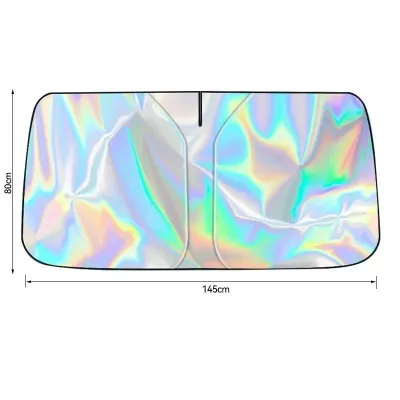
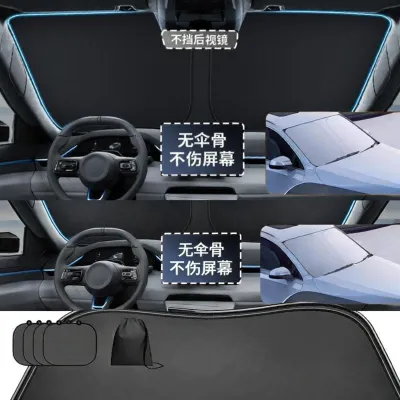
Prices are valid at publication and may change. Please refer to the product page for the latest price.
Generic, universal-fit sunshades are highly ineffective for a specialized EV like the Zeekr X. These off-the-shelf options are typically designed for traditional sedans or internal combustion engine (ICE) vehicles with standard window frames and smaller windshield profiles. They often leave significant gaps along the edges of the glass, allowing concentrated beams of sunlight to bypass the barrier and heat up localized areas of the cabin. Additionally, universal shades do not account for the Zeekr X’s unique interior architecture, such as the large central infotainment screen and the bulky sensor housing behind the rearview mirror, resulting in a poor fit that constantly slips or sags.
How to Verify Exact Fitment for Your Zeekr X Windows and Roof
Ensuring a perfect fit requires understanding that the Zeekr X has three distinct glass zones, each requiring a different mounting philosophy. The front windshield requires a rigid, highly reflective shade with a deep cutout to clear the rearview mirror and the integrated ADAS camera array. The side windows feature a frameless door design, which means there is no upper metal door frame to hold traditional magnetic shades in place when the door is opened. Finally, the panoramic roof requires a tension-supported horizontal shade that must span a massive area without sagging under its own weight or collapsing when driving over speed bumps.

When sourcing sunshades, always verify compatibility based on the exact model year and trim level of your Zeekr X. While the exterior dimensions of the vehicle remain consistent across the single-motor and dual-motor variants, minor interior trim updates or regional equipment differences can affect accessory fitment. For instance, vehicles equipped with aftermarket dashcams or Singapore’s ERP 2.0 On-Board Unit (OBU) will have different clearance requirements along the lower or upper edges of the windshield. A shade that fits a standard factory model perfectly might press against these devices, potentially damaging their mounts or blocking their line of sight.
To verify fitment before purchasing, avoid relying on generic online listings that use stock photos of other vehicles. Instead, look for manufacturers that provide exact CAD-designed templates or physical measurements of their shades. If you are purchasing from a third-party accessory brand, compare their stated dimensions against your vehicle’s physical glass perimeter. For the panoramic roof, check whether the shade uses a single-piece frame or a two-piece split design; a two-piece design is often easier to install and offers better structural resistance against sagging in the center.
Never assume that a product labeled “suitable for compact SUVs” will fit the Zeekr X. The frameless side windows are particularly sensitive to incorrect sizing. If a side window shade is even a few millimeters too large, it will pinch against the rubber weatherstripping, preventing the window from sealing correctly when closed or putting unnecessary strain on the window regulator motor. Always check the manufacturer’s return and exchange policies so you can test-fit the shades in your driveway before committing to long-term use.
Comparing Sunshade Designs and Materials for Optimal Cooling
Custom-Fit Retractable and Snap-In Roof Shades
The panoramic glass roof of the Zeekr X is one of its most striking features, but it is also the largest source of overhead radiant heat. To combat this, you can choose between snap-in mesh shades and retractable roller systems. Snap-in shades typically consist of a flexible steel wire frame covered in a high-density mesh fabric, often accompanied by a separate silver-coated reflective sheet. This dual-layer design allows you to use the mesh alone for a filtered light effect or add the reflective layer for maximum heat rejection during the hottest months.
When evaluating snap-in roof shades, structural rigidity is the most critical factor to consider. The intense heat of the Singapore sun can cause low-quality plastic or weak steel frames to soften and sag over time, creating an unsightly droop in the middle of the cabin that reduces headroom. Look for frames made from high-tensile carbon steel that retain their spring tension even after repeated folding. Additionally, ensure that the mounting clips do not interfere with the vehicle’s side curtain airbags, overhead console buttons, or the sensitive fabric of the headliner.
Reflective Windshield and Magnetic Side Window Shades
For the front windshield, the primary battle is against direct infrared radiation. Traditional accordion-fold shades made from multi-layer bubble foil offer excellent thermal insulation and are highly durable, but they can be bulky to store when not in use. A popular modern alternative is the umbrella-style deployable shade, which opens like a standard personal umbrella to cover the windshield. While highly convenient, you must exercise extreme caution with umbrella shades in the Zeekr X; the central metal shaft and rigid fiberglass ribs can easily scratch the leather-wrapped dashboard or put dangerous pressure on the large, floating central touchscreen.
For the side windows, magnetic mesh shades are highly effective, but their installation is unique due to the frameless doors. Because there is no upper metal frame on the door itself, these shades typically feature small magnetic tabs that adhere to the metal inner door frame of the vehicle body, or they use custom-molded tension clips that press-fit into the window channel. When the door is closed, the glass rolls up to secure the shade in place. Ensure that the mesh fabric is tightly woven to block UV rays while still allowing sufficient visibility through the side mirrors, especially if you plan to keep them installed while driving in low-light conditions.
Physical Shades vs. Window Tinting Regulations
Many Zeekr X owners in Singapore opt for high-quality ceramic window tinting as their first line of defense. While premium ceramic tints are exceptionally good at filtering out ultraviolet (UV) and infrared (IR) light, they do not block all visible light, which still contributes to cabin heating when the car is parked under direct sunlight for hours. Physical sunshades act as a complementary barrier, physically stopping visible light from hitting the dark interior surfaces and converting into heat. Combining a high-performance ceramic tint with a physical front and roof sunshade provides the ultimate thermal protection.
However, when combining these solutions, you must remain strictly compliant with Singapore’s Land Transport Authority (LTA) regulations regarding window tints. LTA mandates that the Visible Light Transmission (VLT) must be at least 70% for the front windshield and front side windows, and at least 25% for the rear windshield and rear side windows. If your window tint is already close to the legal limit, using highly opaque physical shades while driving is illegal and dangerous. Physical shades should only be fully deployed on the front windshield and front side windows when the vehicle is stationary and parked.
Where to Source and Vet Zeekr X Sunshades
The safest and most reliable source for Zeekr X accessories is the official Zeekr boutique or authorized dealerships in Singapore. Purchasing original equipment manufacturer (OEM) sunshades guarantees an absolute millimeter-perfect fit, as these products are designed using the vehicle’s official engineering schematics. OEM shades are also constructed from high-grade, fire-retardant materials that have undergone rigorous testing to ensure they do not release harmful chemical fumes when exposed to extreme cabin temperatures. Furthermore, buying from authorized channels ensures your purchase is backed by a local warranty.
If you decide to explore third-party options on local online marketplaces or specialized automotive accessory shops, you must vet the products carefully to avoid low-quality imitations. Look for listings that specifically state they are designed for the Zeekr X, rather than generic “EV sunshades.” Examine the product photos closely to verify that the front windshield shade has a dedicated, adjustable velcro strap or cutout designed to wrap securely around the rearview mirror and ADAS sensor pod.
Prioritize sellers who offer multi-layer thermal construction over simple single-layer silver foil. High-quality third-party shades typically feature an outer reflective aluminum layer, a middle thermal barrier (such as EPE foam), and an inner aesthetic fabric layer that matches the dark or light tones of your Zeekr X interior. Read through verified customer reviews, paying close attention to feedback from other Singaporean buyers who can confirm how well the shades hold up under the local climate and whether the mounting clips survive daily installation and removal cycles.
Installation and Storage Tips to Protect Your Interior
When deploying your front windshield sunshade, always handle the frame with care to avoid damaging the delicate interior surfaces of your Zeekr X. The cabin features soft-touch synthetic leather and sensitive electronic displays that can easily be scratched by exposed metal wires or rigid plastic edges. To install the shade safely, sit in the driver or passenger seat, unfold the shade slowly, and slide the bottom edge deep into the gap where the windshield meets the dashboard. Gently guide the top of the shade around the rearview mirror and ADAS housing, securing it with the built-in sun visors or velcro straps without forcing it against the glass.
Proper folding and storage are essential to maintaining the thermal properties and structural integrity of your sunshades. For spring-steel wire frames (commonly found in roof and side window shades), avoid forcing the frame into unnatural shapes, as this can permanently warp the metal or tear the surrounding fabric. Learn the correct “figure-eight” twisting technique to fold the shades back into their compact circular storage bags. Storing the shades in their designated bags when not in use prevents them from getting creased, dirty, or stepped on by rear passengers.
To keep your sunshades clean and free from musty odors—which can develop quickly in Singapore’s high humidity—clean them periodically using mild soap and a damp microfibre cloth. Avoid using harsh chemical solvents, bleach, or abrasive brushes, as these can strip away the reflective silver coatings or degrade the mesh fabric. Allow the shades to dry completely in a shaded, well-ventilated area before folding them up for storage. Never store damp sunshades in your vehicle, as this can encourage mold growth and create unpleasant odors inside your premium cabin.
Frequently Asked Questions (FAQ)
Do I need a sunshade for the Zeekr X if it already has UV-blocking glass?
Yes, a physical sunshade is still highly recommended. While the Zeekr X comes equipped with factory glass that filters out a significant percentage of harmful ultraviolet (UV) rays—which protects your skin and prevents interior materials from fading—it does not completely block infrared (IR) radiation or visible light. Infrared radiation is the primary driver of thermal energy; when it passes through the glass, it heats up your dashboard, seats, and steering wheel. A physical sunshade blocks this light from entering the cabin in the first place, keeping the interior significantly cooler than UV-blocking glass alone can achieve.
Are magnetic sunshades safe for the Zeekr X's electronic sensors?
Yes, high-quality magnetic sunshades are safe, but you must pay close attention to their placement. The small, low-intensity magnets used in these shades are not strong enough to interfere with the vehicle’s digital systems, rain sensors, or ADAS cameras. However, you must ensure that the physical frame of the shade does not physically block or press against the Singapore ERP 2.0 On-Board Unit (OBU) or any aftermarket dashcams mounted on your windshield. Always route the shade around these devices to maintain a clear line of sight for toll collection and safety sensors.

Community discussion
Share your experience or ask a question. Comments are reviewed before publication.