
Selecting the right car drying cloth is the single most important step in preventing swirl marks, fine scratches, and water spots on your vehicle’s paintwork. While washing removes loose dirt, the drying process involves direct physical contact with the clear coat, making it the prime moment for accidental marring. The most effective tool for this task is a high-quality, high-GSM microfiber drying towel featuring edgeless borders or soft satin edges, which safely lifts moisture away from the surface rather than dragging it across the paint.
To achieve a truly scratch-free finish, you must look beyond generic marketing claims and evaluate the physical construction of the cloth. The weave, density, edge design, and your physical drying technique all play critical roles in protecting your vehicle’s clear coat. By understanding how these factors interact, you can establish a safe, efficient drying routine that preserves your car’s glossy finish over the long term.
What to Look for on the Label: Key Criteria for Scratch-Free Drying
When shopping for a car drying cloth, the product label and specifications provide essential clues about how the fabric will perform on your paintwork. The most critical metric to check is the GSM, or grams per square meter, which indicates the density and weight of the cloth. For drying purposes, look for a towel with a GSM rating between 400 and 600 or higher. High-GSM cloths feature denser, longer fibers that can absorb several times their weight in water, reducing the need to repeatedly pass the cloth over the same area.
Products mentioned in this guide
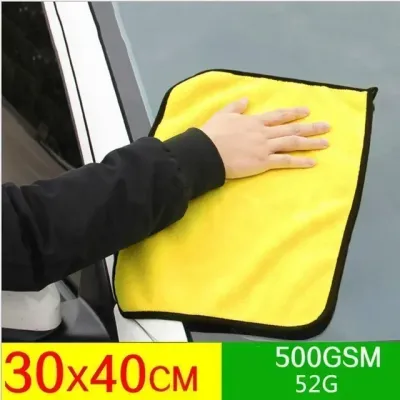
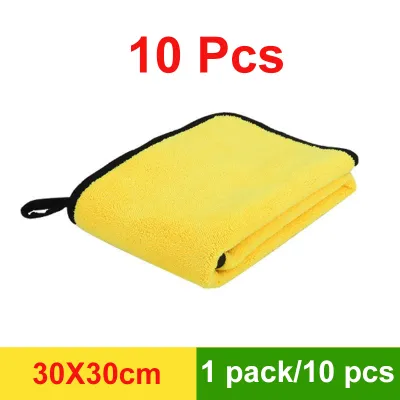
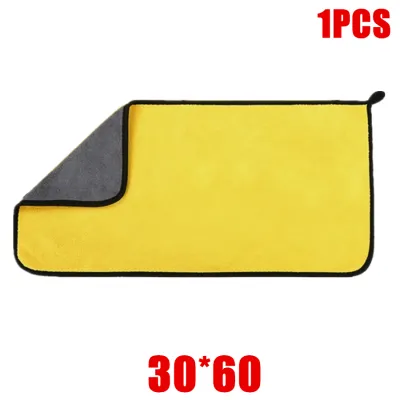
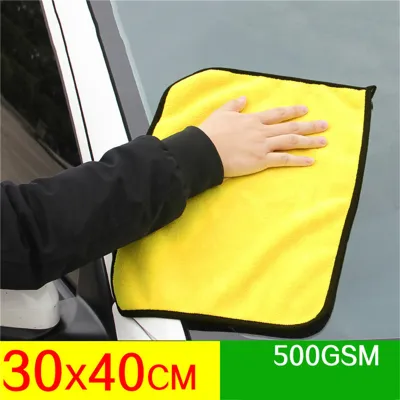
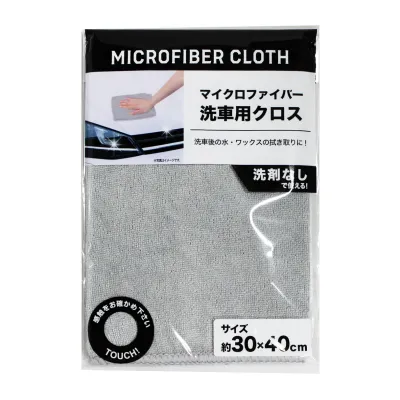
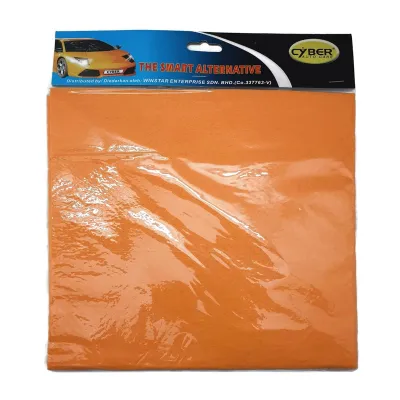
Prices are valid at publication and may change. Please refer to the product page for the latest price.
However, density is only part of the equation; the edge design of the cloth is equally vital for preventing scratches. Standard utility cloths often feature rough, overlocked polyester stitching along the edges, which can easily mar delicate clear coats under light pressure. To minimize this risk, select cloths labeled as “edgeless,” which are laser-cut to eliminate hard borders entirely, or those finished with soft silk, satin, or microfiber banding. These specialized edges ensure that every part of the cloth that contacts your vehicle is completely non-abrasive.
Pile height and density also dictate how safely a cloth handles residual dirt particles. A high-pile cloth features longer, looser loops of fiber that create a deep cushion on the paint surface. If any microscopic dust or grit remains on the vehicle after washing, these long fibers allow the particles to sink deep into the nap of the cloth, keeping them away from the paint. Conversely, low-pile cloths offer less cushioning, meaning any trapped debris is held closer to the surface where it can act like sandpaper against your clear coat.
Finally, always verify the manufacturer’s specific claims regarding paint safety and intended automotive use. Look for clear indications that the cloth is designed for automotive detailing rather than general household cleaning. High-quality detailing cloths typically specify their polyester-to-polyamide blend ratio on the label, with a 70/30 or 80/20 blend being the standard for premium softness and water absorption. Checking these specifications ensures you are purchasing a tool engineered to protect sensitive automotive clear coats.
Comparing Common Weaves and Materials for Car Drying
Different fabric weaves and materials offer distinct advantages depending on your vehicle’s paint condition and your personal drying preferences. Standard plush microfiber weaves are highly popular for their exceptional softness and water-holding capacity. These cloths utilize long, fluffy fibers that excel at cushioning the paint and absorbing large volumes of water quickly. They are highly forgiving on delicate finishes, making them an excellent choice for vehicles with soft clear coats or custom paint jobs.

Waffle weave patterns present a different structural approach to water absorption. Instead of a fluffy pile, these cloths feature a distinct grid-like texture resembling a kitchen waffle. The raised ridges of the waffle pattern glide gently over the paint, while the recessed pockets trap and wick away water through capillary action. Waffle weave cloths are generally thinner and lighter than plush towels, allowing them to dry quickly between uses. They are highly favored for glass surfaces and well-maintained paint because they leave behind virtually zero lint or streaks.
Synthetic chamois alternatives, often made from polyvinyl alcohol (PVA), represent another category of drying tools. These materials act like a squeegee, pulling water off the surface in a single pass with remarkable efficiency. However, synthetic chamois cloths have a completely flat surface with no pile or nap. Because there are no fibers to trap loose particles, any speck of dirt left on the paint will be trapped beneath the flat chamois and dragged across the clear coat, inevitably causing fine scratches. They also require specific handling, such as being stored damp in a sealed container to prevent them from hardening.
Ultimately, you should rely on product care labels and manufacturer instructions rather than assuming any material name automatically guarantees scratch-free performance. Even the highest-quality plush microfiber can cause severe marring if it is dirty, worn, or used incorrectly. Evaluating the physical condition of the cloth before every use is far more reliable than trusting a generic material label. Match the weave to your specific detailing goals, keeping in mind that a combination of a plush towel for the bodywork and a waffle weave for the glass often yields the safest results.
Step-by-Step Drying Technique to Minimize Paint Friction
Even the finest car drying cloth can cause scratches if your physical technique is aggressive or careless. To minimize paint friction, start by removing heavy surface water before the cloth ever makes contact with the vehicle. If you have access to a dedicated car dryer or a leaf blower with a clean, filtered nozzle, use it to blow water out of tight crevices, emblems, side mirrors, and panel gaps. This step significantly reduces the amount of standing water on the flat panels, meaning your drying cloth has to do far less physical work.
When it is time to use the cloth, avoid the natural temptation to rub or scrub the paint in circular motions. Instead, employ the pat-dry method, which involves laying the unfolded cloth flat across a wet section of the vehicle, pressing down very gently with your open hands, and then lifting the cloth straight up. This technique removes water entirely through absorption without any sliding friction, making it the safest possible way to dry delicate paintwork.
For larger, flat areas like the hood, roof, or trunk, you can use the gentle flat-glide method. Lay the drying cloth flat on the wet surface, hold it by two corners, and slowly pull it toward you across the panel. Do not apply any downward pressure; let the weight of the damp cloth and the natural surface tension of the water do the wicking work. This controlled, single-direction glide minimizes the risk of rubbing any missed contaminants back and forth across the clear coat.
To maintain a safe drying surface throughout the process, fold your cloth systematically. If you are using a standard-sized detailing towel, fold it into quarters to create a thick, cushioned pad with eight distinct, clean faces. As you complete a section of the vehicle, flip or refold the cloth to present a fresh, dry surface to the next panel. This practice ensures you are not dragging a saturated, heavy cloth over the paint, which can leave streaks and reduce drying efficiency.
Finally, learn to recognize when your cloth has reached its limit or has become contaminated. If the cloth begins to leave faint streaks of water behind, it is fully saturated and should be wrung out thoroughly or replaced with a fresh, dry towel. More importantly, if you drop your drying cloth on the ground, stop using it immediately. Microfiber is designed to grab and hold onto particles, meaning a dropped towel will instantly trap abrasive dirt and gravel from the driveway that cannot be shaken out, posing an immediate scratch hazard to your paint.
How to Wash and Store Drying Cloths to Prevent Future Scratches
Proper maintenance is essential to preserve the softness and absorbency of your car drying cloths over time. Always consult the specific care label on your cloth for manufacturer-recommended washing temperatures and settings. As a general rule, wash microfiber cloths in cool or warm water, typically below 40 degrees Celsius. High temperatures can melt the microscopic polyester and polyamide fibers, fusing them together and turning a once-soft towel into a rough, scratchy fabric that will easily mar your paint.
When selecting a detergent, use a dedicated microfiber wash or a mild, liquid laundry detergent that is completely free of perfumes, dyes, and fabric softeners. Avoid powder detergents entirely, as undissolved powder granules can easily become trapped within the deep fiber loops of the cloth, creating microscopic abrasive points. Most importantly, never use fabric softeners or bleach. Fabric softeners coat the fibers in a thin, water-repellent chemical layer that destroys the cloth’s ability to absorb water, while bleach degrades the synthetic fibers, causing them to shed and stiffen.
To prevent cross-contamination, always wash your automotive drying cloths separately from household laundry and other detailing towels. Household items like cotton bath towels and t-shirts shed massive amounts of lint, which will quickly clog the grabby fibers of your microfiber cloths. Additionally, do not wash your drying towels in the same load as cloths used for dirty tasks like cleaning wheels, engine bays, or applying wax and polish. Residual grease, brake dust, and chemical sealants can transfer in the wash, permanently ruining your drying towels.
Once washed, dry your cloths on a low-heat or no-heat dryer cycle, or hang them to air-dry in a clean, dust-free indoor environment. Avoid drying them on high heat, which poses the same fiber-melting risk as hot water. After they are completely dry, store your cloths in a clean, dry, and sealed environment, such as a dedicated plastic storage bin with a tight-fitting lid. Leaving clean towels exposed on open garage shelves allows airborne dust, pollen, and garage grime to settle on the fibers, turning your clean cloths into scratch hazards before their next use.
Frequently Asked Questions (FAQ)
Can I use a regular household bath towel to dry my car?
No, you should avoid using standard household bath towels on your vehicle’s paintwork. Cotton bath towels are designed with short, stiff loops intended to dry skin, and they lack the deep, soft, water-trapping channels found in automotive microfiber. Because they do not have a high pile to cushion the surface, any microscopic dirt particles left on the paint will be pressed directly into the clear coat and dragged along, causing fine scratches and swirl marks. Additionally, household cotton towels tend to shed significant amounts of lint, leaving an untidy residue behind.
Is it safe to dry my car in direct sunlight?
Drying your car in direct sunlight is highly discouraged because it significantly increases the risk of water spotting. The intense heat from the sun causes water droplets to evaporate rapidly from the warm metal panels before you can physically dry them with a cloth. As the water evaporates, it leaves behind concentrated mineral deposits—such as calcium and magnesium—that form hard water spots, which can etch into your clear coat over time. For the safest results, always wash and dry your vehicle in a shaded area, inside a garage, or during the cooler hours of the early morning or late evening.
How often should I replace my car drying cloth?
There is no fixed timeline for replacing a car drying cloth, as its lifespan depends entirely on how often it is used and how well it is maintained. Instead of relying on a calendar, look for physical signs of wear to determine when a cloth has reached the end of its safe usable life. Replace the cloth immediately if you notice matted or flattened fibers that do not fluff up after washing, fraying or unravelling edges, persistent stiffness, or a significant decrease in water absorbency. Using a worn or hardened cloth increases friction on your paint, making a replacement necessary to maintain a scratch-free finish.

Community discussion
Share your experience or ask a question. Comments are reviewed before publication.