
Keeping your car clean often requires quick, on-the-go solutions, making automotive wet wipes a highly convenient tool for spot cleaning. However, using the wrong wipe on a sensitive surface can lead to permanent damage, such as faded leather, cloudy touchscreens, or stripped paint protection. To choose the right wet wipes for your car, you must match the pH level of the cleaning formula to the specific material you are cleaning.
A truly effective car care routine relies on understanding how different chemical formulations interact with your vehicle’s interior and exterior surfaces. While general-purpose household wipes might seem like an easy substitute, they often contain harsh chemicals that degrade automotive finishes over time. Selecting specialized, pH-balanced wipes ensures that you can lift dust, fingerprints, and light grime without compromising the integrity of your vehicle’s protective coatings.
Understanding pH Levels in Car Care Wet Wipes
The pH scale, ranging from 0 to 14, measures how acidic or alkaline a water-based solution is, with 7 being completely neutral. In the context of car detailing, wet wipes are formulated across this spectrum to target specific types of dirt. Acidic wipes are highly effective at dissolving mineral deposits and water spots, while alkaline wipes excel at breaking down organic matter, grease, and road grime.
Products mentioned in this guide
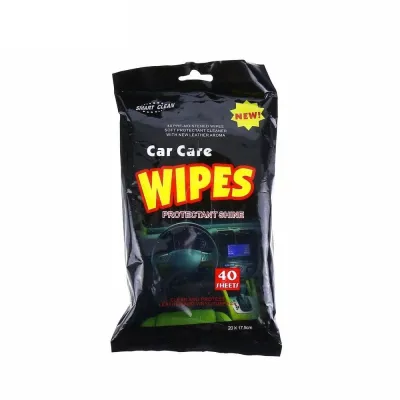
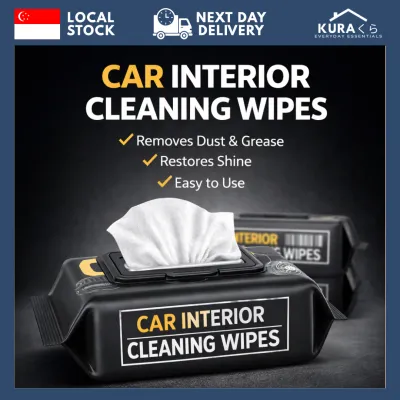

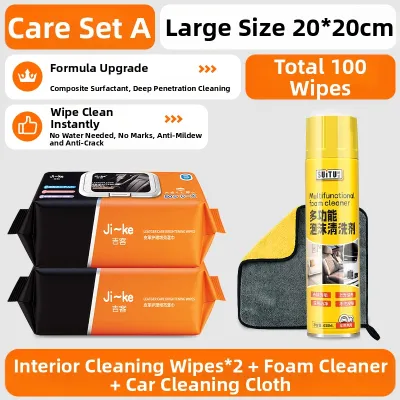
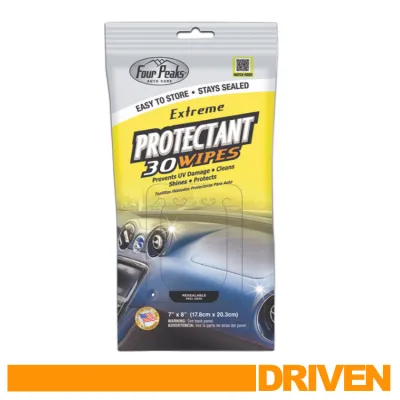
Prices are valid at publication and may change. Please refer to the product page for the latest price.
However, extreme pH levels can be highly destructive to delicate automotive materials. Highly acidic solutions can etch into clear coats and corrode metal trim, while highly alkaline formulas can strip away protective waxes and dry out leather. This is why “pH-balanced” in car care typically refers to neutral formulations, which hover around a pH of 7 to ensure maximum safety across multiple surfaces.
Using a neutral, pH-balanced wet wipe minimizes the risk of chemical reactions that degrade protective layers. When you apply a neutral wipe, you are cleaning the surface without stripping away car wax, ceramic coatings, or the natural oils and conditioners embedded in leather seats. Understanding this balance is the first step in maintaining both the aesthetic appeal and the resale value of your vehicle.
Matching Wet Wipes to Specific Car Surfaces
Different areas of your vehicle require distinct cleaning approaches due to the vast differences in their material composition. A formula that works perfectly on durable plastic dashboard panels might ruin a delicate leather seat or leave permanent streaks on an infotainment screen. To avoid costly mistakes, you must evaluate each surface individually and select a wipe designed specifically for that material’s chemical tolerance.

Exterior Paint and Clear Coats
Your car’s exterior paint is constantly exposed to environmental contaminants, and maintaining its protective barrier is crucial. When using wet wipes for quick spot cleaning on paint—such as removing bird droppings or tree sap—it is vital to use strictly neutral pH formulations. Acidic or alkaline wipes can instantly degrade or strip away the protective car wax, sealant, or ceramic coating that shields your paint from UV rays and oxidation.
Beyond the chemical formula, the physical construction of the wipe is equally important for exterior surfaces. Look for wipes made from thick, non-abrasive microfiber or high-quality non-woven fabrics that lift dirt away from the paint rather than dragging it across the surface. Rough textures can cause micro-scratches and swirl marks in the clear coat, which eventually dull the paint’s reflection and require professional polishing to correct.
Additionally, always verify that the wipes do not contain harsh solvents, alcohol, or stripping agents. These ingredients are sometimes added to boost cleaning power, but they can dry out the clear coat and accelerate paint oxidation over time. Always check the manufacturer’s label to confirm that the product is explicitly rated as safe for automotive clear coats and existing paint protection layers.
Leather Seats and Interior Trim
Leather is an organic material that requires careful maintenance to prevent drying, cracking, and discoloration. The natural pH of leather is slightly acidic, typically ranging between 4.5 and 5.5. Consequently, cleaning leather requires a slightly acidic to neutral formulation; using highly alkaline cleaners will strip the natural oils and break down the protective topcoat applied during manufacturing.
Interior plastics, vinyl, and synthetic trim pieces have a slightly higher tolerance than leather, but they are still highly susceptible to chemical damage. Avoid using strong alkaline wipes on these surfaces, as they can cause the plastic to whiten, fade, or develop a sticky residue over time. A neutral pH wipe is the safest choice for routine dusting and light cleaning across all dashboard and door panel materials.
For the best results on leather, look for specialized leather wipes that combine a neutral cleaning agent with mild conditioning ingredients like lanolin or aloe vera. These conditioners help replenish the moisture lost to heat and sunlight, keeping the leather supple. Always read the product label to ensure the wipe is authorized for your specific type of leather, as some finishes, like aniline or suede, require highly specialized care.
Glass and Touchscreens
Automotive glass is highly durable and can tolerate a wider range of pH levels, but the products used on it must still be chosen with care. The primary concern with glass wipes is the inclusion of ammonia, which is common in household glass cleaners. Ammonia can severely damage aftermarket window tint films, causing them to bubble, peel, or turn purple over time, so always select ammonia-free glass wipes.
Modern vehicles feature large infotainment touchscreens that require a completely different cleaning approach than standard glass. These screens are typically made of plastic or treated glass coated with delicate anti-glare and anti-fingerprint films. Standard interior wipes or glass wipes containing alcohol or strong solvents can permanently strip these coatings, leaving cloudy patches or permanent smudges.
To clean touchscreens safely, use dedicated electronics wipes or mild, alcohol-free, neutral wipes designed specifically for displays. These wipes should be exceptionally soft and free of heavy surfactants that leave behind oily residues. Avoid using general-purpose interior wipes on screens, as the conditioning agents meant for plastics and leather will leave a hazy film that impairs visibility and touchscreen responsiveness.
Key Features to Check Before Buying
When shopping for automotive wet wipes, you should not rely solely on attractive packaging or broad marketing claims. Instead, develop a habit of reading the ingredient list and product specifications to verify that the wipes are safe for your intended application. Look for explicit labels such as “pH-balanced,” “pH-neutral,” “ammonia-free,” and “alcohol-free” to ensure you are not introducing harsh chemicals to your car’s interior.
The physical texture of the wipe is another critical factor to evaluate before making a purchase. Wipes with a raised pearl or honeycomb pattern are excellent for trapping dust and lifting grime from textured plastics and vinyl dashboards. For delicate surfaces like touchscreens, piano black trim, or exterior paint, choose a completely smooth, ultra-soft wipe to minimize the risk of friction-induced scratching.
Finally, consider the environmental impact and disposal requirements of the wipes you choose. If you plan to use wipes for outdoor detailing or quick cleanups on the go, look for biodegradable options made from natural fibers. Always check the packaging for proper disposal instructions, and never flush automotive wipes down the toilet or discard them in nature, as they often contain synthetic fibers and chemical residues that must be disposed of in standard trash receptacles.
Safe Usage and Storage Practices
Even the highest-quality, pH-balanced wet wipe can cause damage if applied incorrectly. Before using any new wipe product on a highly visible area of your car, perform a quick spot test in an inconspicuous spot, such as the underside of a seat or a lower corner of the dashboard. Wait a few minutes for the solution to dry completely, then inspect the area under good lighting to ensure there is no discoloration, fading, or residue.
Temperature and sunlight also play a major role in how cleaning solutions interact with your car’s surfaces. Never use wet wipes on surfaces that are hot to the touch or while the vehicle is parked in direct sunlight. High temperatures cause the liquid cleaning solution in the wipe to evaporate almost instantly, leaving behind concentrated chemical residues, unsightly streaks, and water spots that can be difficult to remove.
Proper storage is essential to maintain the effectiveness and shelf life of your automotive wipes. Always ensure the plastic seal or lid is pressed down firmly after every use to prevent the remaining wipes from drying out. Store the package in a cool, shaded area of your vehicle, such as the glove box or under a seat, as prolonged exposure to extreme cabin heat can degrade the cleaning formula and dry out the packaging adhesive.
Frequently Asked Questions (FAQ)
Can I use baby wipes to clean my car interior?
Baby wipes are generally formulated to be mildly acidic and gentle on human skin, which makes them relatively safe for quick, emergency cleanups on hard plastic surfaces. However, they are not an ideal long-term solution for automotive care. Baby wipes lack the specific cleaning agents needed to break down tough road grime, and they do not contain the conditioning agents required to preserve leather and vinyl. Furthermore, many baby wipes contain moisturizing lotions or oils that can leave a greasy, cloudy residue on glass, touchscreens, and shiny interior trim.
Do pH-balanced wet wipes remove car wax?
True pH-balanced, neutral wet wipes are specifically formulated to clean surfaces without stripping away protective layers like car wax, paint sealants, or ceramic coatings. However, the physical action of cleaning can still affect these coatings. If you scrub a painted surface too aggressively, or if the wipe contains hidden solvents not disclosed on the label, you can still prematurely wear down or remove the wax layer. To protect your paint, always use a light touch, ensure the surface is free of heavy abrasive dirt before wiping, and verify that the product is certified safe for clear coats.

Community discussion
Share your experience or ask a question. Comments are reviewed before publication.