
Choosing the right magnetic window blinds requires matching the product to your specific car windows. While magnetic blinds offer quick installation and a sleek look, their effectiveness depends entirely on your vehicle’s window curvature, frame materials, and local driving regulations. This guide helps you diagnose your car’s compatibility and select the appropriate shading solution for your front windshield, side windows, and rear glass.
Magnetic window blinds feature a flexible wire frame embedded with small, powerful magnets that cling to the exposed metal frame of your vehicle’s doors. When properly matched, they provide an effective barrier against solar heat, glare, and prying eyes, all while allowing you to roll down the windows for fresh air.
However, a common mistake is assuming that magnetic blinds are a universal solution for every window. The physical construction of a car varies significantly from the front windshield to the rear passenger doors. While side windows often feature exposed steel frames ideal for magnetic attachment, front windshields are bonded directly to the vehicle’s structural pillars and surrounded by plastic trim, airbags, and advanced sensor arrays. Understanding these structural differences is the first step toward making an informed purchase.
Products mentioned in this guide
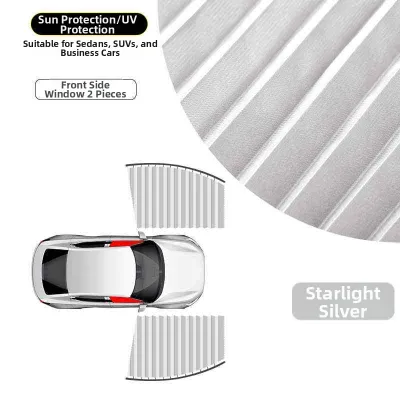
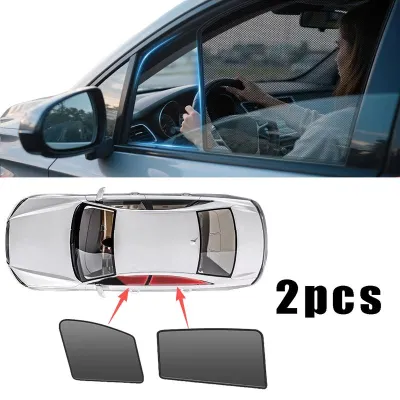
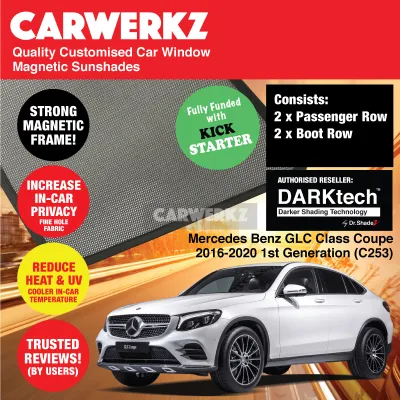
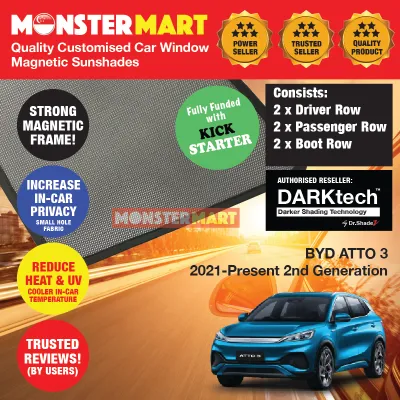
Prices are valid at publication and may change. Please refer to the product page for the latest price.
Assess Your Window Type and Coverage Needs
Before shopping for magnetic window blinds, analyze the distinct roles each window plays in your daily driving experience. The front windshield, side windows, and rear glass each have unique exposure levels, visibility requirements, and physical constraints. Defining your primary goals—whether they involve maximum heat rejection, passenger privacy, or maintaining clear driving visibility—will prevent you from buying incompatible accessories.
The front windshield is your vehicle’s largest entry point for solar radiation, making it the primary source of cabin heat buildup when parked. Because this window must remain completely unobstructed during operation, any shading solution must be highly temporary, easy to deploy, and simple to store. The priority here is maximum thermal reflection and ultraviolet protection, which typically requires a solid, reflective material rather than a mesh fabric.
Side windows serve a dual purpose, requiring a balance between passenger comfort and driver safety. Rear side windows are often shaded to protect children or pets from harsh sunlight and to provide privacy. For these areas, a high-density mesh is ideal because it blocks glare while still allowing passengers to see outside. Front side windows, however, demand a design that does not obstruct the driver’s view of the side mirrors. Many manufacturers address this by offering cropped or angled magnetic blinds that leave the front portion of the window clear.
The rear window presents its own set of challenges, primarily centered around maintaining safe rearview visibility. A rear blind must feature a balanced mesh density that reduces headlight glare from trailing vehicles at night without compromising your view during daytime driving or reversing maneuvers. Additionally, the shade must not interfere with the operation of rear wipers, built-in defroster lines, or integrated dash cameras.
Evaluate Windshield Compatibility and Safety Limits
When considering magnetic blinds for the front windshield, physical compatibility and safety regulations present significant hurdles. Unlike side doors, which often have exposed metal frames on the interior, the front windshield is surrounded by the vehicle’s structural A-pillars, headliner, and dashboard. These areas are covered in plastic, fabric, or leather trim, leaving no exposed ferrous metal for magnets to grip.

Furthermore, the steep curvature of modern windshields makes it incredibly difficult for a rigid or semi-rigid magnetic frame to sit flush against the glass. Even if you find a product designed to stick to the metal frame behind the plastic trim, any gap between the shade and the glass allows hot air to trap and circulate, reducing the shade’s overall thermal efficiency. For this reason, traditional magnetic frames are rarely practical or effective for front windshield applications.
Safety and legal boundaries are the most critical factors when evaluating front windshield shades. In almost all jurisdictions, driving with any form of obstruction on the front windshield is strictly prohibited and carries heavy penalties. Front windshield shades must only be deployed when the vehicle is safely parked. If you purchase a temporary shade for parking use, you must ensure it can be folded and stored quickly without distracting you or cluttering the cabin while driving.
Modern vehicles also house a complex array of electronics near the top of the windshield, including rain sensors, automatic headlight sensors, toll transponders, and cameras for Advanced Driver Assistance Systems (ADAS). A poorly designed or improperly fitted shade can press against these sensor housings, potentially misaligning sensitive cameras or blocking their field of view. Before installing any shade in this area, verify that the product has sufficient clearance around the rearview mirror console to avoid triggering system errors or damaging delicate electronic components.
Check Side and Rear Window Fit Requirements
For side and rear windows, magnetic blinds are highly functional, but their installation depends entirely on your vehicle’s structural materials. Many modern vehicles utilize aluminum, high-strength plastics, or thick rubber weatherstripping along the inner door frames to reduce weight and improve sealing. Because magnets only adhere to ferrous metals like steel, you must verify your car’s frame material before purchasing.
To perform a quick compatibility check, take a standard household magnet and run it along the inner perimeter of your car’s window frame where the blind would sit. If the magnet clings firmly, your vehicle can support magnetic blinds. If the magnet slides off or shows no attraction, your door frames are likely aluminum or covered in non-magnetic trim. In such cases, you will need to look for magnetic blinds that include adhesive metal clips, which stick to the plastic trim to provide a mounting point for the magnets.
Another critical factor is how the magnetic frame interacts with your window mechanisms. Some custom-fit magnetic blinds are designed to sit tightly within the window channel. If the frame of the blind is too thick, it can create friction against the glass as it rolls up or down. This friction can strain the power window motor, potentially leading to premature wear, or trigger the window’s auto-reverse safety mechanism, preventing the window from closing completely. Always check the manufacturer’s specifications regarding frame thickness and compatibility with active window operation.
The rear window requires extra caution during installation due to the presence of embedded defroster grid lines and radio antennas. These thin, metallic lines are baked onto the inner surface of the glass and are highly susceptible to scratching or peeling. If your rear magnetic blind relies on adhesive metal plates stuck directly to the glass, or if the magnetic frame rubs against these lines during installation and removal, you risk breaking the electrical circuit. A broken defroster line can disable the heating element, requiring costly repairs or glass replacement. Ensure that any mounting hardware or magnetic contact points remain entirely clear of these delicate grids.
Compare Magnetic Blinds With Alternative Sun Shades
If your vehicle’s frame materials or window shapes make magnetic blinds impractical, several alternative sun shades offer reliable performance. Understanding the trade-offs between magnetic blinds, suction cup shades, static cling films, and custom-fit foldable visors will help you select the most suitable alternative for your specific needs.
Suction cup shades are the most common and affordable alternative on the market. They are highly universal and can be moved easily between different vehicles. However, they suffer from several drawbacks compared to magnetic blinds. Suction cups frequently lose their grip and fall off when exposed to intense solar heat, and they can leave unsightly circular marks on the glass. Furthermore, they cannot be used if you want to roll down the window, as the shade is attached directly to the glass itself.
Static cling films offer a sleek, low-profile alternative that adheres to the glass using static electricity. They do not require metal frames or suction cups, making them an excellent choice for vehicles with aluminum or plastic door trims. They provide a clean look similar to window tinting and can be cut to fit almost any window shape. The primary limitation of static cling shades is that they cannot be rolled down with the window; doing so can cause the film to peel off, bunch up, or get sucked into the door cavity, potentially damaging the window regulator.
For the front windshield, a custom-fit foldable visor remains a highly reliable option. Unlike magnetic blinds, which struggle with windshield curvature and lack of metal mounting points, these visors are designed to wedge securely between the dashboard and the sun visors. High-quality foldable visors feature reflective outer layers that bounce solar energy away from the cabin and thick insulating cores that prevent heat transfer. While they take up more storage space than a compact magnetic blind, their comprehensive coverage and ease of use make them the most practical choice for front windshield protection.
Frequently Asked Questions (FAQ)
Can I use magnetic window blinds while driving?
You must never use any window blinds on the front windshield or front side windows while the vehicle is in motion. Doing so severely obstructs your field of vision, blocks your view of the side mirrors, and is illegal in most regions. Rear side window blinds can generally be kept in place while driving, provided they are made of a high-visibility mesh that does not interfere with your blind-spot checks or rearview mirror visibility. Always consult your local traffic regulations to ensure compliance before driving with any window coverings installed.
Will the magnets damage window tint or electronic sensors?
High-quality magnetic blinds that attach to the metal door frame rather than the glass itself will not damage your window tint. However, if you use blinds that require adhesive metal plates or clips stuck directly to the glass, you must exercise caution. Dragging magnets or rough frames across aftermarket tint film can scratch or peel the delicate polyester layer. Regarding electronics, the small, low-intensity magnets used in these blinds do not generate a magnetic field strong enough to interfere with keyless entry systems, tire pressure monitoring sensors, or modern vehicle ECUs. If you have aftermarket electronics mounted directly to the window frame, consult your vehicle manual or a qualified technician to verify clearance.

Community discussion
Share your experience or ask a question. Comments are reviewed before publication.