
Singapore’s intense tropical climate presents a severe challenge for maintaining a pleasant cabin environment. When a vehicle is parked in an open-air carpark or an unsheltered lot, interior temperatures can easily climb past 60°C within an hour. This extreme heat, combined with relative humidity levels that regularly exceed 80 percent, creates a hostile environment for standard car air fresheners. To find a fragrance that actually lasts, drivers must look beyond marketing claims and understand how different physical formats, chemical compositions, and cabin placements interact with high heat and moisture.
Choosing the right car air freshener in this environment requires a shift in strategy. Instead of selecting products based solely on scent preference, drivers must evaluate the thermal resilience of the delivery mechanism. Solid-state diffusers, such as ceramic or polymer-based options, generally offer the most consistent release and structural stability under these extreme conditions. Conversely, liquid and gel formats require careful management to avoid rapid evaporation, structural collapse, or accidental interior damage.
How Tropical Heat and Humidity Degrade Car Fragrances
The degradation of car fragrances in a tropical climate is driven by accelerated chemical and physical processes. When a vehicle is parked under the direct midday sun, the cabin acts as a greenhouse, trapping heat and rapidly raising the kinetic energy of the fragrance molecules. In a moving vehicle with active air conditioning, the temperature is controlled, but the moment the engine is turned off, the heat spikes. This rapid temperature cycling forces the fragrance oils to volatilize at an unsustainable rate, meaning a product designed to last up to six weeks in temperate climates may deplete in less than two weeks.
Products mentioned in this guide
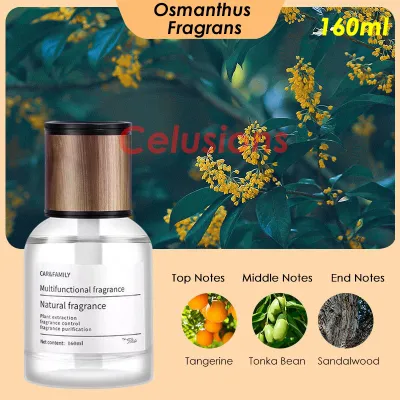

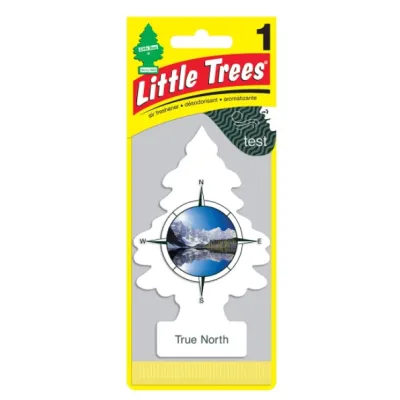

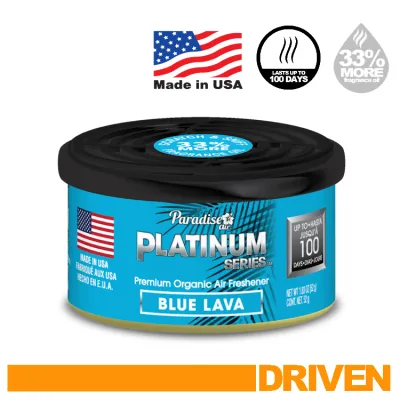
Prices are valid at publication and may change. Please refer to the product page for the latest price.
High humidity levels further complicate this process by introducing excess water vapor into the cabin air. For porous materials like cardboard or certain open-gel formulations, this moisture absorption can dilute the fragrance oils or clog the microscopic pathways designed to release the scent. Over time, the structural binders in these materials can break down, causing them to warp, sag, or lose their structural integrity entirely.
Furthermore, continuous exposure to heat and ultraviolet (UV) radiation triggers chemical oxidation within the fragrance oils. This process alters the molecular structure of the scent compounds, often turning a fresh, pleasant harum aroma into a sour, chemical, or musty smell. Visible signs of this degradation include discoloration of liquid formulas, shrinkage or cracking of gels, and the formation of a sticky, oxidized residue on the surface of the diffuser housing.
Comparing Air Freshener Formats for Hot Climates
To select a resilient option, it is helpful to compare how different physical states handle thermal stress. Every format involves a trade-off between scent throw—the strength of the fragrance in the cabin—and overall longevity. While highly volatile formats provide an immediate, powerful aroma, they deplete rapidly under high heat, whereas more stable formats release scent gradually but may require active airflow to be noticeable.

Solid and Ceramic Diffusers
Solid-state diffusers, including scented ceramics, infused polymers, and compressed wood blocks, are highly resilient in tropical climates. These formats lock fragrance oils within a dense physical matrix rather than relying on a liquid or gel carrier. Because there is no free liquid to evaporate or unstable gel base to melt, the rate of fragrance release remains relatively stable even when cabin temperatures spike.
However, drivers must still check the quality of the housing material. While the solid fragrance element itself is highly heat-resistant, low-quality plastic housings or mounting clips can warp, crack, or degrade under direct sunlight. Opting for diffusers with metal, high-grade silicone, or heat-resistant polymer casings helps prevent structural failure.
Depletion in solid diffusers is typically indicated by a gradual fade in scent intensity rather than a visible change in size. Drivers can perform a simple check by observing if the fragrance output remains noticeable after the car has been parked in the shade for a few hours. If the scent is barely perceptible even in a cool cabin, the solid matrix has likely depleted its oil payload and requires replacement.
Gel and Liquid-Based Fresheners
Gel and liquid-based air fresheners are highly popular but face significant challenges in hot environments. Gel formulations rely on water or solvent evaporation to release scent. In a hot car, this evaporation process accelerates dramatically, causing the gel block to shrink, harden, and lose its ability to diffuse the remaining fragrance within a matter of days.
Liquid-based fresheners, particularly those mounted on the dashboard or suspended from the rearview mirror, present a notable safety hazard. If the container leaks, cracks, or tips over due to heat-induced pressure buildup, the concentrated fragrance oils can spill onto interior surfaces. These oils can chemically react with dashboard plastics, leather upholstery, or synthetic trims, leading to permanent bubbling, peeling, or discoloration that is costly to repair.
For those who prefer liquid formats, sealed liquid pods utilizing semi-permeable membranes offer better evaporation control than open gel containers. These membranes restrict the escape of the liquid, providing a more consistent release rate, though they must still be monitored regularly for signs of swelling or leakage under extreme heat.
Vent Clips and Hanging Cards
Vent clips and hanging cards represent two highly common but functionally distinct formats. Vent clips rely entirely on active air conditioning airflow to distribute the fragrance throughout the cabin. This mechanism is highly efficient for tropical climates because scent dispersion is concentrated when the driver is in the car and the air conditioning is running, minimizing passive depletion when the vehicle is parked.
Hanging paper cards, by contrast, are highly susceptible to both heat and humidity. Because they are made of porous cardboard, they absorb ambient moisture from the humid air, which can cause them to warp and release their fragrance payload in a brief, overwhelming burst. Once this initial burst occurs, the card often goes completely faint within a few days, making them a less durable choice for long-term use.
To maximize the lifespan of vent clips, look for models that feature adjustable mechanical shutters or dials. These controls allow you to restrict the exposure of the fragrance element during cooler morning drives or when driving alone, extending the overall life of the product.
What to Verify on Product Labels Before Buying
When shopping for a car air freshener, reading the manufacturer’s specifications on the packaging is crucial for identifying products built to withstand tropical conditions. First, check for explicit temperature ratings. High-quality automotive accessories often list a maximum operating or storage temperature, such as up to 60°C or 70°C, indicating that the product has been tested to remain stable in a hot cabin.
Second, look for warnings regarding UV resistance and direct sunlight exposure. Products designed with UV-stabilized housings are less likely to degrade, discolor, or release harmful volatile organic compounds (VOCs) when exposed to intense sunlight through the windshield. If a label explicitly warns against exposing the product to direct sunlight, it must be placed in a shaded area of the cabin.
Third, verify the ingredient safety and stability certifications. Look for compliance with standards set by organizations like the International Fragrance Association (IFRA). This compliance ensures that the fragrance oils do not contain harmful phthalates or unstable solvents that could degrade into toxic byproducts when subjected to continuous thermal stress in an enclosed vehicle cabin.
Finally, check for manufacturing dates, batch codes, or expiration dates. Fragrance oils can degrade over time even while sealed in their packaging, especially if stored in warm warehouses before reaching retail shelves. Choosing a recently manufactured batch ensures that the chemical stabilizers within the product are fully active and ready to perform.
Strategic Placement and Maintenance to Extend Scent Life
Even the most resilient air freshener will deplete prematurely if placed in the wrong part of the vehicle. The dashboard is the hottest zone in any car, receiving direct solar radiation through the windshield. Placing any air freshener on or near the dashboard guarantees rapid evaporation, accelerated material degradation, and an increased risk of chemical spills.
To extend the life of your fragrance, utilize cooler, shaded areas within the cabin. Under-seat brackets, door pockets, or rear passenger vents are excellent alternative locations. These areas remain significantly cooler than the dashboard and are shielded from direct sunlight, allowing the fragrance to diffuse at a much slower, more controlled rate.
If you are using an adjustable vent clip, develop the habit of managing the dial based on your daily driving patterns. Keeping the vent shutter at its minimum setting during the hottest midday hours, or closing it entirely when parking the vehicle, helps conserve the fragrance oils. You can then open the dial slightly during cooler evening drives to enjoy a fresh harum scent.
Regular maintenance and inspection are also essential for cabin safety. Inspect your air freshener at least once a week for any signs of melting, leakage, swelling, or structural warping. If any physical degradation is observed, remove the unit immediately using protective gloves to avoid skin contact with concentrated oils. Clean any residue from the mounting surface using a damp microfiber cloth and a mild, interior-safe cleaner, and dispose of the degraded unit in accordance with local household waste guidelines.
Frequently Asked Questions (FAQ)
Can I leave a gel air freshener in a parked car under the sun?
Leaving a gel air freshener in a car parked under direct sunlight is not recommended. The extreme heat inside a closed cabin can easily exceed the melting point of the gel, causing it to liquefy, collapse structurally, or release chemical vapors rapidly. This rapid breakdown can lead to spills that damage your dashboard or interior plastics. If you must use a gel freshener, place it in a shaded area, such as under a seat, and verify that the product label explicitly states it is heat-resistant.
Why does my car fragrance smell different after a few weeks in the heat?
This shift in scent profile is caused by thermal degradation and differential evaporation. Fragrances are composed of top, middle, and base notes, each with different volatilities. In Singapore’s high heat, the light top notes (like citrus or light florals) evaporate almost instantly, leaving behind only the heavier base notes. Additionally, continuous exposure to heat and oxygen causes the fragrance oils to oxidize, which can alter the chemical structure and turn the original pleasant harum aroma into a flat, stale, or sour smell, signaling that it is time for a replacement.

Community discussion
Share your experience or ask a question. Comments are reviewed before publication.