
Protecting the cabin of your BYD Sealion 7 from intense solar heat requires a precise approach to interior accessories. As a modern electric SUV with a sweeping windshield and expansive glass surfaces, this vehicle is highly susceptible to greenhouse-like heat buildup when parked outdoors. Standard, off-the-shelf sunshades rarely provide the coverage needed to shield the dashboard, upholstery, and sensitive electronics from UV damage and thermal stress.
To achieve effective temperature control, you must select sunshade products designed specifically for the unique contours of the Sealion 7. A proper fit ensures there are no gaps around the edges where sunlight can penetrate, while also preventing the shade from slipping or collapsing. This guide outlines the essential dimensions, design variations, and verification steps to help you secure a high-quality, custom-fit sunshade system.
Understanding BYD Sealion 7 Window Dimensions and Fit Requirements
The BYD Sealion 7 features a distinct coupe-SUV silhouette, which translates to a steeply raked windshield and uniquely angled side windows. This aerodynamic design presents several challenges for standard sunshades. The front windshield is exceptionally deep, stretching from the front edge of the dashboard up to a high roofline, requiring a shade with a substantial vertical span and a flexible yet sturdy frame.
Products mentioned in this guide
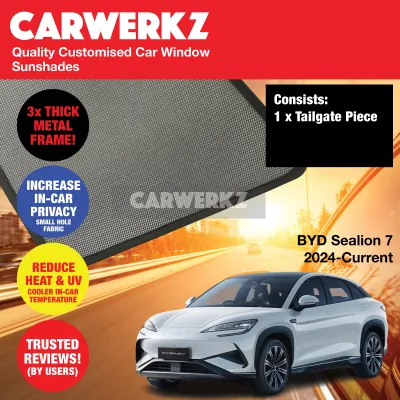
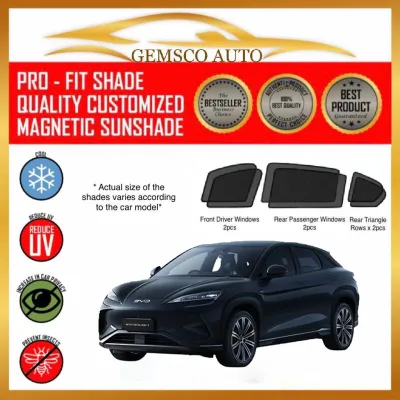
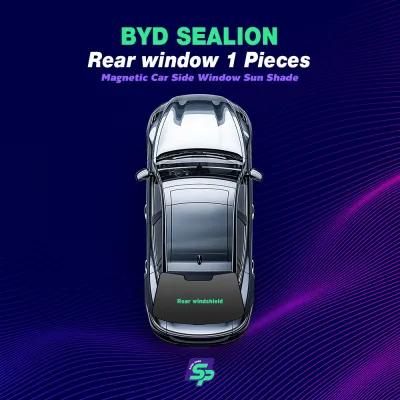
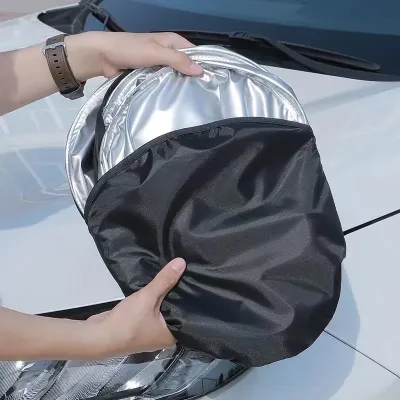
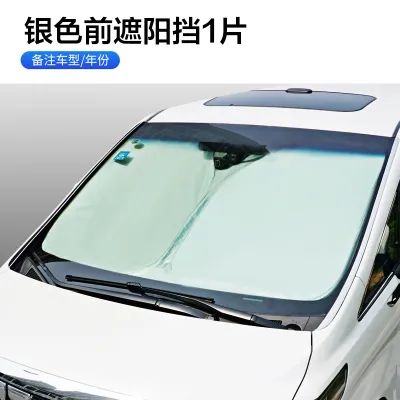
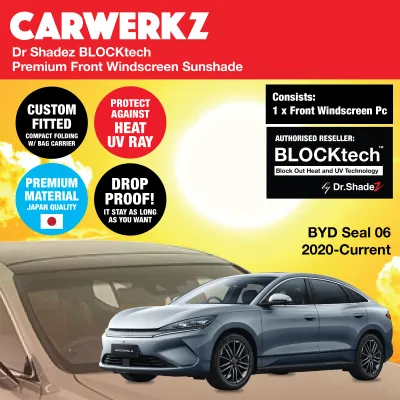
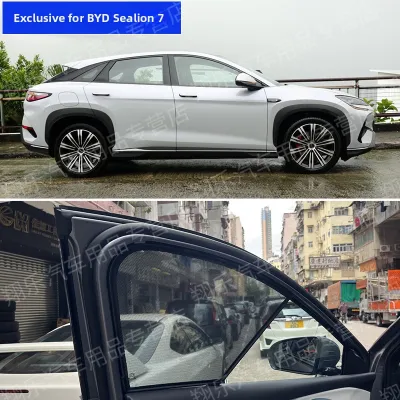
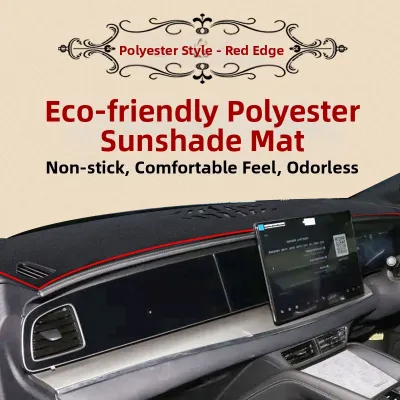
Prices are valid at publication and may change. Please refer to the product page for the latest price.
At the top center of the windshield sits a prominent housing for the Advanced Driver Assistance Systems (ADAS) cameras and the rearview mirror assembly. A generic sunshade will either press hard against this housing—potentially misaligning the cameras or damaging the mount—or fail to cover the glass surrounding it, leaving a large gap for heat to enter. A true custom-fit shade features a precise, deep cutout with a secure fastening system, such as a hook-and-loop strap, to wrap neatly around the mirror bracket without putting pressure on the sensors.
The side windows of the Sealion 7 present their own fitment challenges due to their geometric taper and the design of the door frames. The front side windows slope downward toward the side mirrors, while the rear side windows feature a sharp upward kink toward the C-pillar. Standard rectangular or semi-oval shades cannot cover these corners, resulting in significant light leakage that heats up the rear passenger area.
Furthermore, the clearance between the window glass and the rubber weatherstripping is tight. If a side window shade is slightly too thick or uses bulky mounting clips, it can pinch the rubber seals, cause wind noise when driving, or strain the window motor during operation. Distinguishing between “model-specific” marketing claims and actual precision-cut dimensions is crucial, as many mass-market sellers label generic medium-to-large shades as compatible without verifying these physical tolerances.
Evaluating Sunshade Types for Windshield and Side Windows
Selecting the right sunshade involves balancing daily convenience, storage convenience, and thermal performance. Different deployment mechanisms offer distinct advantages depending on how often you park outdoors and how much cabin space you are willing to allocate for storage.

Windshield Sunshades: Foldable vs. Umbrella-Style
Foldable sunshades, often constructed with a spring-wire frame or a multi-layered accordion design, are highly effective for the front glass. These shades use a reflective outer layer, such as aluminum foil or specialized silver-coated polyester, backed by an insulating foam or felt core. When custom-cut for the Sealion 7, they pop open to fill the entire windshield frame, held in place simply by folding down the vehicle’s sun visors.
The primary drawback of foldable shades is their storage footprint. While wire-frame options can be twisted into a compact circle, accordion-style models remain relatively long and bulky when folded, requiring storage in the boot or behind the front seats. Additionally, when deploying a rigid wire-frame shade, you must exercise caution to avoid bumping the Sealion 7’s large, rotating central infotainment screen, which sits prominently in the middle of the dashboard.
Umbrella-style sunshades offer an alternative deployment method, opening via a central rib structure similar to a standard rain umbrella. These are highly compact when closed and can easily fit into the door pockets or the glove compartment. However, the central support shaft can pose a risk to the dashboard trim and the central touchscreen if it presses directly against them.
When evaluating an umbrella-style shade, look for designs that feature a flexible, bendable shaft or a protective fabric wrap over the handle. This flexibility allows you to angle the support handle away from the screen and rest it safely on the lower console. Be aware that umbrella designs often have slightly more fabric slack at the outer corners, which can lead to minor edge gaps compared to a rigid, custom-molded foldable shade.
Side and Rear Window Shades: Magnetic, Snap-On, and Static Cling
For the side and rear passenger windows, magnetic and snap-on mesh shades are popular choices. These shades feature a flexible metal frame sewn into a fine mesh fabric, designed to match the exact window frame of the Sealion 7. Magnetic versions cling directly to the exposed metal frame of the door, allowing you to install or remove them in seconds without any adhesive.
These mesh shades provide excellent UV protection and glare reduction while maintaining decent outward visibility for passengers. Because they attach to the door frame rather than the glass, you can roll the windows down slightly to let fresh air in while keeping bugs and direct sunlight out. However, you must verify that the magnets do not interfere with the window’s automatic bounce-back safety sensors or scratch the painted metal surfaces of the door frame.
Static cling shades utilize a thin, flexible PVC or vinyl film that adheres directly to the glass surface using static electricity. They require no clips, magnets, or adhesives, providing a completely flush fit that moves up and down with the window glass. This makes them highly unobtrusive and clean in appearance.
The limitation of static cling shades lies in their compatibility with aftermarket window films. If your Sealion 7 has had solar tinting film applied to the interior glass surfaces, applying and removing a static cling shade can cause bubbling, peeling, or adhesive degradation of the tint. Always check with your tint installer before applying any static cling products directly to tinted glass.
How to Verify Compatibility Before Purchasing
Because the BYD Sealion 7 is a relatively new entry in many markets, finding verified accessories on online marketplaces requires careful scrutiny. To avoid the hassle of returning ill-fitting items, you should follow a structured verification process before committing to a purchase.
First, cross-reference the product listing with the exact model year and trim level of your vehicle. Some manufacturers update window dimensions or sensor housings during mid-cycle refreshes, so a shade labeled for an older or different BYD model (such as the Seal sedan or the Sealion 6 plug-in hybrid) will not fit the Sealion 7. Look for listings that explicitly state compatibility with the “Sealion 7 EV” and avoid those that group multiple unrelated vehicle models under a single “universal fit” description.
Second, examine the product specifications and customer reviews for detailed images of the rearview mirror cutout. A high-quality custom shade will feature a distinct, deep U-shaped or V-shaped recess at the top center. If the product photos show a straight top edge or a very shallow notch, the shade will not clear the ADAS camera housing, forcing you to bend the shade or leave it hanging loosely.
Third, evaluate the seller’s return policy and shipping methods. Wire-frame sunshades are often folded or twisted tightly to minimize shipping volume. If packaged poorly, the internal spring steel can become permanently warped during transit, preventing the shade from sitting flat against the glass. Opt for sellers who ship shades in flat boxes or provide clear instructions on how to reshape the frame if it arrives distorted.
Finally, consider the local climate and storage habits. If you frequently park in high-temperature environments, spending S$30 to S$50 on a premium, multi-layered custom shade is a worthwhile investment to protect the leatherette dashboard and steering wheel from cracking. Ensure the seller offers a local return address or a reliable customer service channel in case the physical fit does not match the digital description.
Installation and Care Guidelines to Protect Your Interior
Proper handling of your sunshades not only extends the life of the accessory but also protects your vehicle’s interior surfaces from accidental damage. When deploying a front windshield shade, always unfold it carefully within the cabin. Avoid snapping the wire frame open rapidly, as the sudden tension release can strike the rearview mirror, the dashcam, or the rotating infotainment screen.
To secure the shade, slide the bottom edge deep into the gap where the windshield meets the dashboard, ensuring it rests flat without blocking the defroster vents. Then, lift the top edge up to the headliner and pull down the driver and passenger sun visors to hold it in place. If the shade features a hook-and-loop strap for the rearview mirror, fasten it securely but gently to avoid pulling on the mirror assembly.
When removing the shade, fold or twist it according to the manufacturer’s instructions. Forcing a wire-frame shade into a shape it was not designed for can fatigue the metal, leading to snaps or tears in the fabric. Store the folded shade in its protective sleeve to prevent the reflective coating from scratching against other items in your door pockets or boot.
Keep both the sunshade and the interior glass clean to maintain optimal performance. Dust and oils on the windshield can transfer to the shade, reducing its reflectivity and causing unpleasant odors when heated. Wipe the sunshade fabric down periodically with a dry or slightly damp microfiber cloth, avoiding harsh chemical cleaners that could strip the reflective or UV-resistant coatings. For static cling shades, ensure the glass is completely free of dust and grease before application to guarantee a strong, bubble-free hold.
Frequently Asked Questions (FAQ)
Will a windshield sunshade block the BYD Sealion 7's ADAS cameras?
A properly designed, custom-fit sunshade will not block or interfere with the BYD Sealion 7’s ADAS cameras. These cameras are mounted flush against the windshield glass inside a sealed plastic housing behind the rearview mirror. A custom shade is designed to fit around this housing rather than covering it, ensuring that the camera’s field of view remains completely unobstructed. However, using a generic, uncut shade that you force over the housing can put physical pressure on the camera mount, potentially misaligning the sensors or damaging the plastic casing.
Can I use universal sunshades if custom-fit ones are unavailable?
Universal sunshades can be used as a temporary measure, but they are not recommended for long-term use in the BYD Sealion 7. Because universal shades are designed to fit a wide range of vehicles, they will inevitably leave gaps along the steeply sloped A-pillars and around the large ADAS housing. These gaps allow significant amounts of heat and UV radiation to penetrate the cabin, reducing the overall effectiveness of the shade. Additionally, an ill-fitting shade is prone to slipping down, which can distract you while driving if it falls, or fail to protect the dashboard when parked.

Community discussion
Share your experience or ask a question. Comments are reviewed before publication.