
Finding the right sun shade for your Mercedes-Benz GLB 180 is essential to protect its premium cabin from intense tropical heat and ultraviolet rays. While generic, one-size-fits-all shades are widely available, they rarely provide the precise coverage needed for this compact luxury SUV’s unique glass dimensions. Opting for a custom-fit sun shade ensures complete edge-to-edge coverage, maximum heat rejection, and proper clearance for the vehicle’s advanced driver assistance systems (ADAS) housing. Investing in a tailored solution keeps your interior cool, protects delicate dashboard materials, and maintains the vehicle’s aesthetic appeal.
Why the GLB 180 Requires Vehicle-Specific Sun Shades
The Mercedes-Benz GLB 180 features a distinct, upright design with a relatively vertical windshield and large, boxy side windows. This unique geometry means that standard, oval-shaped universal shades will leave significant gaps along the top corners and sides of the glass. These gaps allow direct sunlight to penetrate the cabin, heating up the leather seats, steering wheel, and digital displays. Over time, this exposure can lead to premature fading, cracking, and degradation of the premium materials inside your vehicle.
Universal shades also tend to sag over time because they lack the structural support tailored to the GLB’s specific window frame dimensions. A sagging shade not only looks untidy but can also slip down, blocking your forward visibility or putting physical pressure on the rearview mirror assembly. This pressure can misalign the mirror or disturb the sensitive camera housing mounted directly behind it, which is critical for your vehicle’s safety features.
Products mentioned in this guide
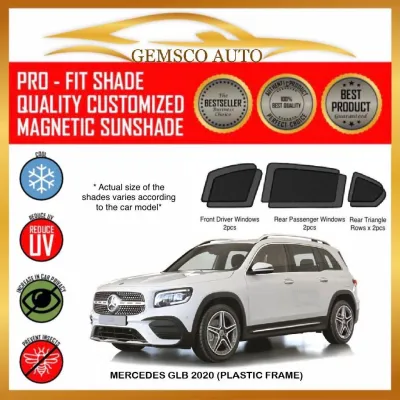
Prices are valid at publication and may change. Please refer to the product page for the latest price.
Furthermore, the side windows of the GLB 180 have specific curves and trim lines that require exact measurements to stay securely in place. Custom-fit side shades are designed to press firmly against the window frame, preventing light leaks and ensuring the shade remains stable even when doors are opened and closed. This precise fitment is crucial for maintaining a comfortable cabin temperature during long hours parked under the sun, especially in hot tropical climates.
By choosing a vehicle-specific option, you ensure that every square centimeter of glass is covered. This complete coverage minimizes the greenhouse effect inside the parked car, reducing the workload on your air conditioning system when you return to the vehicle. Ultimately, a custom-fit shade is an investment in both passenger comfort and the long-term preservation of your vehicle’s interior value.
Key Features to Evaluate for Maximum Heat and UV Protection
When selecting a custom-fit sun shade, the material composition is the most critical factor governing its thermal performance. Multi-layer reflective foils are highly effective for the front windshield because they bounce solar radiation back through the glass before it can heat the cabin air. These shades typically feature an outer reflective layer, a thermal barrier middle layer, and a soft inner backing to protect your dashboard from scratches. The reflective outer layer should have a high-quality finish that does not degrade or flake under intense heat.

For the side windows, high-density absorptive mesh fabrics offer a different set of advantages. These mesh shades block a significant portion of UV rays and glare while still allowing some visibility outward, making them ideal for rear passengers. When evaluating mesh shades, look for a tight weave pattern that balances heat reduction with optical clarity, ensuring passengers remain comfortable without feeling completely closed off. The fabric should also be UV-resistant to prevent fading over years of exposure.
The structural integrity of the shade’s frame determines how well it will hold its shape over years of daily use. High-quality custom shades utilize a rigid or semi-rigid spring steel frame that pops open easily and fits snugly against the window perimeter. This tension-based design ensures the shade remains flat against the glass, maximizing the insulated air pocket between the shade and the window pane. A weak frame will quickly warp, leading to gaps and reduced effectiveness.
Finally, pay close attention to the quality of the edge binding and stitching. The perimeter of the shade should be wrapped in a durable, non-abrasive fabric tape that prevents the internal frame from wearing through the material. High-quality edge binding also creates a soft, tight seal against your vehicle’s factory rubber window seals, preventing light leaks and protecting the delicate interior trim from friction wear. Double-stitched seams are highly recommended for long-term durability.
How to Verify Exact Fitment and Sensor Clearance Before Buying
Before purchasing any custom-fit accessory, you must verify that the product matches your GLB 180’s exact model year and regional specification. Manufacturers sometimes update the interior trim, rearview mirror housing, or sensor arrays during mid-cycle refreshes. Always cross-reference the manufacturer’s compatibility list with your vehicle’s registration details to ensure a perfect match. A shade designed for a different model year might have slight dimensional differences that prevent a flush fit.
The front windshield of the GLB 180 houses a complex array of sensors, including rain sensors and cameras for advanced driver assistance systems (ADAS). A properly designed custom shade must feature a precise cutout at the top center to accommodate this bulky housing. If the shade lacks this cutout, it will press against the plastic cover, potentially damaging the sensors or preventing the shade from sitting flush against the glass. This can lead to system errors or reduced functionality of your safety features.
When shopping online, look for detailed product diagrams or photos showing the shade installed in an actual GLB cabin. Pay attention to how the shade fits around the rearview mirror stem and whether it requires the sun visors to be folded down to hold it in place. Some premium options use a hook-and-loop strap that secures around the mirror neck, providing a secure fit without putting stress on the mounting bracket. This design is often the most stable and easiest to install.
It is also wise to review the return and exchange policies of your chosen retailer or online marketplace before finalizing your order. Because custom-fit items rely on exact tolerances, even a minor manufacturing variance can affect fitment. Purchasing from sellers who offer straightforward returns or fitment guarantees provides peace of mind if the shade requires adjustment or replacement. This is especially important when ordering from international suppliers where return shipping can be costly.
Installation and Storage Best Practices for Daily Use
To get the most out of your custom-fit sun shades, proper installation techniques are essential to protect your vehicle’s interior. When placing the front windshield shade, gently slide the bottom edge deep into the gap where the glass meets the dashboard, taking care not to scrape the leather or soft-touch plastics. Once the bottom is positioned, lift the top section into place and secure it using the sun visors or designated straps. This ensures the shade remains flat and does not slip down.
When removing the shades, avoid pulling them forcefully, as this can scratch aftermarket window tint films or damage the rubber window seals. Instead, collapse the shade gently according to the manufacturer’s instructions. For side window mesh shades that use friction or magnetic mounts, lift them away from the frame at an angle rather than sliding them across the glass surface. This minimizes friction and prevents wear on both the shade and the window trim.
Proper folding and rolling mechanisms vary depending on whether you choose a folding accordion-style shade or a roll-up reflective model. Accordion shades fold along pre-creased lines and are typically secured with an integrated strap, while roll-up models roll into a cylinder. Always follow the natural folds of the material to prevent bending the internal frame or creating permanent creases that weaken the shade’s structure. Forcing a fold in the wrong direction can permanently damage the spring steel frame.
Store your shades in a safe, dry location within the cabin when they are not in use. The slim space behind the front seats, the door pockets, or the trunk floor compartment are excellent storage areas that keep the shades clean and out of the way. Avoid placing heavy luggage or items on top of stored shades, as excessive weight can warp the internal frame and ruin the custom fit. Keeping them in their designated storage bag also protects them from dust and accidental spills.
Frequently Asked Questions (FAQ)
Will a custom-fit sun shade interfere with the GLB 180's ADAS sensors?
A high-quality, vehicle-specific sun shade designed for the GLB 180 will not interfere with the ADAS sensors, provided it features the correct cutout for the central sensor housing. The cameras and sensors are mounted directly against the windshield glass inside a sealed plastic console. As long as the shade is designed to wrap around this console rather than pressing directly against it, your vehicle’s safety systems will remain completely unaffected. Always verify the presence of this cutout in the product specifications before purchasing.
Are magnetic or static-cling side shades better for the GLB 180?
Magnetic side shades are generally superior for the GLB 180 because they attach securely to the metal window frame, allowing you to roll the window down slightly for ventilation without the shade falling off. Static-cling shades rely on a smooth vinyl backing that adheres directly to the glass, meaning they must be removed every time you want to open the window. Additionally, magnetic frames provide a more precise, tensioned fit that matches the exact contours of the GLB’s side windows, ensuring better coverage and durability over time.

Community discussion
Share your experience or ask a question. Comments are reviewed before publication.