
To prevent sweat buildup during daily drives in Singapore’s relentless tropical heat and high humidity, the most effective car seat cover material is a high-density 3D spacer mesh. Unlike solid leather or tightly woven fabrics that trap body heat and block moisture evaporation, 3D spacer mesh features a multi-layered, open-weave structure that physically lifts your body off the seat surface. This design creates a continuous pathway for passive airflow, allowing sweat to evaporate quickly rather than soaking into your clothes or the underlying upholstery. Choosing the right cover requires looking past basic aesthetic upgrades and focusing on structural breathability, material composition, and critical safety compatibility.
Why Tropical Heat Changes Seat Cover Requirements
Driving in a tropical climate presents unique challenges for vehicle interior comfort. When you sit in a car parked under the sun, the cabin temperature rises rapidly, heating the seats far above the ambient air. Once you begin driving, your body naturally releases sweat to cool down. If there is no air circulation between your back and the seat backrest, this moisture has nowhere to go. The contact zone becomes a sealed environment where humidity reaches near-saturation levels almost instantly, leading to that uncomfortable sticky sensation.
This trapped moisture does more than just ruin your clothes; it actively degrades your car’s interior materials. Sweat contains salt, skin oils, and acids that can slowly break down genuine leather, crack synthetic vinyl, and seep deep into the polyurethane foam of your original seats. Over time, this constant moisture absorption creates a breeding ground for bacteria and mold, resulting in persistent, musty odors that are incredibly difficult to extract from deep within the seat cushioning.
Products mentioned in this guide
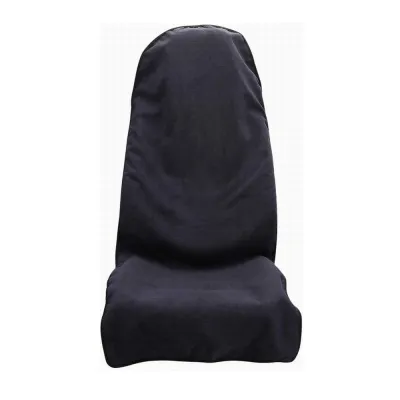
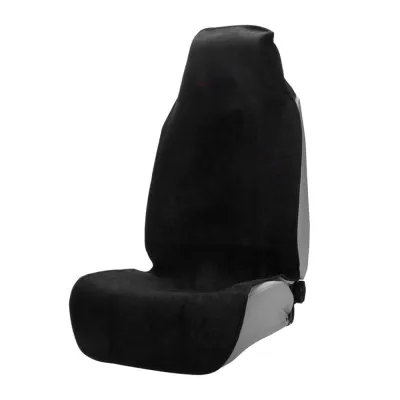
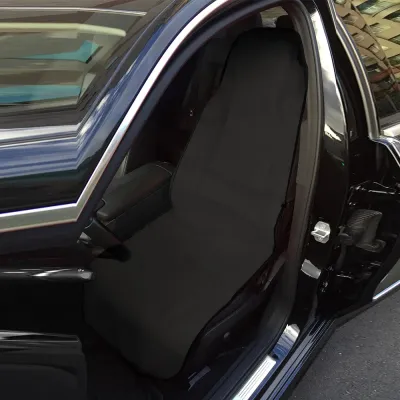
![[SG] Waterproof Sweat Towel Car Seat Cover for Post Gym Yoga Workout Running Swimming Beach and Hiking Universal Fit Anti-Slip Bucket Seat Protector for Cars SUVs and Trucks Machine Washable](https://img.lazcdn.com/g/p/b9a0f9040a71bf60df8d28763550aef9.jpg_400x400q80.jpg_.webp)
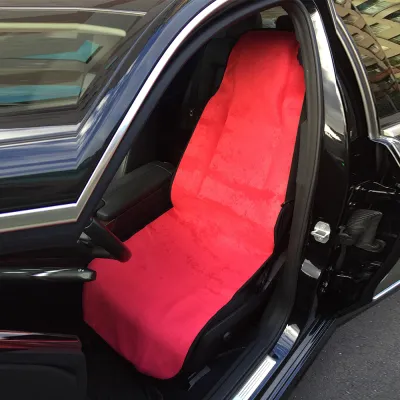
Prices are valid at publication and may change. Please refer to the product page for the latest price.
Standard seat covers designed primarily for aesthetics or basic spill protection often exacerbate this issue in hot climates. Many of these covers rely on thick, solid backings or dense foam padding to maintain their shape or provide a plush feel. While they might look premium on a showroom floor, they act as thermal barriers that trap heat against your body. Without specific structural channels or highly porous materials, these standard upgrades turn your car seat into a heat sink, making your daily commute significantly warmer and sweatier than it would be with bare seats.
Core Fabric Properties to Check for Sweat Prevention
When evaluating potential seat covers, understanding the distinction between moisture-wicking and moisture-absorbing behaviors is essential. A moisture-absorbing material, such as standard cotton, pulls sweat away from your skin but holds onto it within the fibers. This causes the cover to become damp, heavy, and slow to dry, which maintains a humid microclimate against your back. In contrast, a moisture-wicking material—typically made from engineered synthetic fibers like polyester or nylon blends—uses capillary action to draw moisture along the fiber channels to the outer surface of the fabric, where it can evaporate rapidly into the cabin air.

Fabric porosity and weave structure play an equally critical role in facilitating passive air circulation. For sweat to evaporate, air must be able to pass through the material freely. When examining a seat cover, look for open-weave patterns where you can physically see light passing through the fabric pores. This open structure allows the vehicle’s air conditioning system to circulate air behind your body, carrying away heat and moisture before it can accumulate on your skin.
To verify these properties before making a purchase, always check the manufacturer’s product tags and material specifications. Look for explicit listings of the fiber composition, prioritizing synthetic blends designed for athletic or outdoor performance. Be cautious of vague marketing terms like “breathable” without supporting details. Instead, look for specifications detailing multi-directional airflow, thermal conductivity ratings, or specialized moisture-management treatments. If the manufacturer does not provide clear information about the material’s physical structure or fiber blend, the cover may not perform well under sustained tropical conditions.
Comparing Common Seat Cover Structures for Airflow
Different seat cover designs handle heat and moisture in vastly different ways due to their physical construction. Understanding how these structures behave under the weight of a passenger is key to selecting a cover that maintains its ventilation properties throughout your drive.
Mesh and 3D Spacer Materials
Mesh and 3D spacer fabrics represent the most advanced passive cooling technology available for car seats. These materials feature a unique three-dimensional construction consisting of a top mesh layer, a bottom base layer, and an intermediate layer of vertically aligned polyester micro-filaments. This middle layer acts like thousands of tiny springs, keeping the two outer layers separated even when subjected to the weight of an occupant. This physical gap creates a dedicated zone for air to flow freely beneath you, allowing sweat to evaporate continuously.
When selecting a 3D spacer cover, it is vital to check the density and rigidity of the mesh. A mesh that is too soft or thin will collapse completely under your body weight, flattening the air gap and neutralizing its cooling benefits. Press down firmly on the material with your hand; it should offer noticeable resistance and spring back immediately. Additionally, inspect the edge binding and seam strength. Because open-mesh structures are naturally prone to fraying, high-quality covers must feature reinforced, double-stitched borders and durable binding materials to prevent the edges from unraveling over time.
Woven Textiles and Canvas
Woven textile and canvas covers offer a more traditional look and robust protection, but their breathability depends heavily on the tightness of the weave. Tight, heavy-duty canvas weaves, often favored for their durability and water resistance, act as solid barriers that block airflow entirely. For hot climates, look for looser, textured weaves that create a slightly uneven surface. This texture reduces the direct contact area between the fabric and your skin, leaving tiny pockets of air that help mitigate heat transfer.
The choice of fiber in woven covers significantly affects how they handle prolonged humidity. Natural fibers like cotton or linen are highly breathable and comfortable initially, but they absorb and retain moisture, making them prone to dampness and mold in humid environments. Synthetic fibers like nylon or polyester do not absorb water, allowing moisture to pass through to the surface for evaporation. However, you must check the care labels carefully before purchasing. Some woven covers, especially those containing natural fiber blends, carry a high risk of shrinkage when washed, which can ruin the fit of the cover after its first cleaning cycle.
Leather and Synthetic Upholstery
Solid leather and synthetic alternatives, such as vinyl or polyurethane (PU) leather, are popular for their premium appearance and ease of cleaning, but they are naturally poor choices for sweat prevention. These materials have a solid, non-porous surface that completely blocks air circulation and traps body heat. Within minutes of sitting down, the lack of ventilation leads to rapid sweat accumulation, causing the material to stick uncomfortably to your skin.
To address this issue, many manufacturers offer perforated leather or synthetic covers featuring laser-cut holes or embossed channels designed to allow air passage. While perforations do improve comfort slightly compared to solid sheets, their effectiveness depends entirely on the hole density and the underlying layers. If the perforated cover is backed by a solid, dense foam layer or a non-breathable fabric lining, the holes will be blocked, rendering the perforations purely cosmetic. Always inspect the reverse side of the cover to ensure that the air pathways remain completely open through all layers of the product.
Verifying Breathability Claims and Fitment Safety
Before purchasing any car seat cover, performing a few simple checks can save you from buying an ineffective or unsafe product. You can conduct a basic visual and tactile inspection to test fabric porosity. Hold the cover up to a bright light source; if you cannot see any light passing through the weave, the material is likely too dense to allow sufficient airflow. Alternatively, place your hand behind the fabric and blow gently through the front side. If you feel no air resistance on your hand, the material has the open structure necessary for effective passive ventilation.
Safety must be your primary consideration when installing any aftermarket seat cover. Modern vehicles are equipped with side-impact airbags housed inside the outer edges of the front seat backrests. If a seat cover is not specifically designed and certified to accommodate these airbags, it can delay or completely block their deployment during an accident, leading to severe safety risks. Always verify side-airbag compatibility by looking for official manufacturer labels, such as “Airbag Compatible” or “SRS Airbag Safe,” and consult your vehicle’s original owner’s manual for specific instructions regarding seat modifications. Never install a cover that wraps tightly around the outer seams of the seat backrest unless the manufacturer explicitly documents certified breakaway seams or dedicated openings.
Proper fitment is also crucial for maintaining both safety and breathability. When installing the cover, carefully inspect the anchor points, straps, and buckles. The cover must be pulled taut and secured firmly to the seat frame to prevent it from shifting or bunching up as you get in and out of the vehicle. A loose, bunched-up cover not only looks untidy but also compresses the breathable layers, blocking the passive ventilation channels you rely on to stay cool. Ensure that all straps are routed safely away from seat adjustment mechanisms, electrical wiring harnesses, and seatbelt buckles to guarantee full functionality of all vehicle systems.
Maintenance Routines to Prevent Moisture Trapping
To keep your breathable seat cover performing at its best, establishing a regular maintenance routine is essential. Over weeks of daily driving, the cover will inevitably accumulate skin oils, sweat salts, dust, and microscopic debris. These contaminants settle into the open pores of mesh fabrics and clog the moisture-wicking fibers, gradually reducing the material’s ability to circulate air and evaporate sweat. If left uncleaned, the cover will lose its cooling efficiency and begin to retain unpleasant odors.
Always refer to the manufacturer’s specific washing instructions before cleaning your seat cover. Many high-performance synthetic mesh covers can be machine washed on a gentle cycle using mild detergent, but you should avoid harsh chemical bleaches or fabric softeners. Fabric softeners are particularly damaging to moisture-wicking fabrics, as they leave behind a thin, waxy coating that clogs the pores and destroys the material’s capillary action. If the cover features a specialized cooling treatment or delicate backing, hand washing in cool water may be required to preserve its structural integrity.
After washing, ensure the cover is completely dry before reinstalling it in your vehicle. In humid climates, drying can take longer, especially for multi-layered 3D spacer fabrics that hold water in their inner structures. Hang the cover in a well-ventilated area out of direct, intense sunlight, which can degrade synthetic fibers over time. Reinstalling a damp cover is a recipe for disaster; the trapped moisture will quickly transfer to the underlying car seat foam, creating an ideal environment for mold, mildew, and deep-seated odors that are incredibly difficult to eradicate.
Frequently Asked Questions (FAQ)
Do cooling gel inserts work better than breathable fabrics for sweat prevention?
Cooling gel inserts do not work better than breathable fabrics for long-term sweat prevention. While gel inserts provide an immediate, refreshing sensation of coldness when you first sit down, they function by absorbing heat from your body. Once the gel reaches thermal equilibrium—usually within twenty to thirty minutes—it can no longer absorb heat and begins to act as a solid barrier that traps warmth and moisture. Furthermore, gel inserts do not possess moisture-wicking properties or open-air channels, meaning any sweat you produce will remain trapped against your skin. For sustained comfort on longer drives, passive ventilation through breathable fabrics is far more effective.
Can I use a towel or blanket as a temporary car seat sweat cover?
Using a towel or blanket as a temporary seat cover is highly discouraged due to significant safety and performance drawbacks. While a cotton towel is highly absorbent, it retains moisture rather than wicking it away, quickly becoming damp, heavy, and uncomfortable against your back. More importantly, loose household textiles present a serious safety hazard. They lack secure anchor points, allowing them to slide around, bunch up under your body, or interfere with seatbelt buckles. Most critically, a loose towel draped over the seat backrest can easily block the deployment path of side-impact airbags, compromising your vehicle’s safety systems in an emergency.

Community discussion
Share your experience or ask a question. Comments are reviewed before publication.