
Quick Answer: What to Prioritize When Buying a Chain Cleaner
When building a motorcycle maintenance toolkit, your choice of chain cleaner must balance chemical safety, cleaning power, and storage convenience. The absolute baseline is verifying compatibility with sealed chains—specifically O-ring, X-ring, and Z-ring designs—to protect delicate rubber seals from degradation. Beyond compatibility, you must weigh the cleaning strength of the formula against your workspace ventilation, especially if you perform maintenance in enclosed home garages. Finally, the physical format—whether a pressurized aerosol, a clinging foam, or a bulk liquid—determines how easily the product fits into your toolkit, its portability for road trips, and its overall application efficiency.
Verifying Chain Compatibility and Solvent Safety
Modern motorcycles predominantly use sealed chains, where internal lubricants are permanently sealed behind rubber rings. These rings are shaped like O-rings, X-rings, or Z-rings depending on the manufacturer’s design. The primary job of a chain cleaner is to strip away external road grime, grit, and old wax without penetrating or degrading these rubber seals. If a cleaner contains aggressive solvents that are incompatible with synthetic rubber, the seals can swell, crack, or dissolve. Once the seals fail, the factory-packed grease escapes, leading to rapid friction wear, chain stretching, and eventual catastrophic failure.

To prevent this, always inspect the product label for explicit certification or manufacturer statements confirming safety for O-ring, X-ring, and Z-ring chains. Do not rely on generic “all-purpose” labels. A dedicated motorcycle chain cleaner is specifically formulated to target heavy grease while remaining chemically inert toward nitrile or fluoroelastomer rubbers.
Products mentioned in this guide
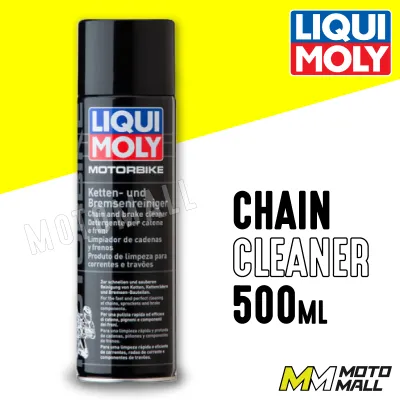
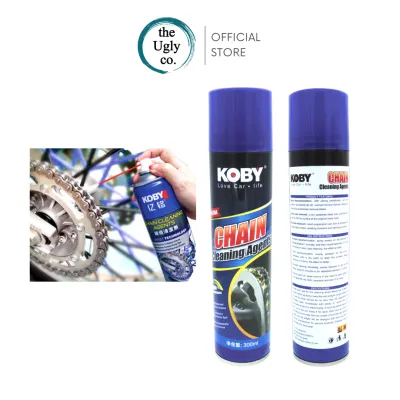
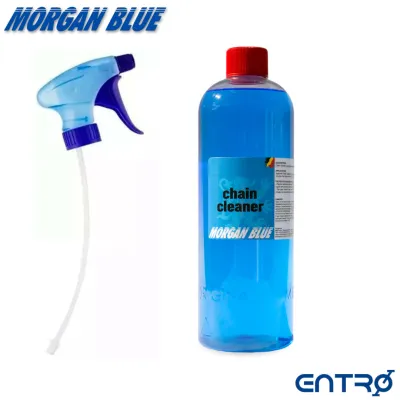
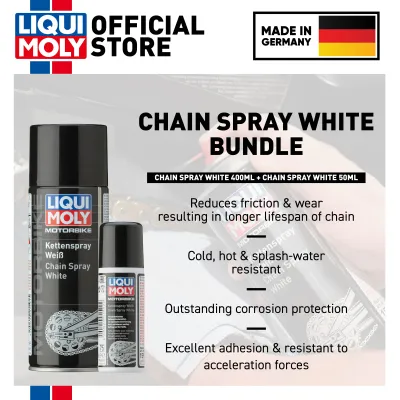
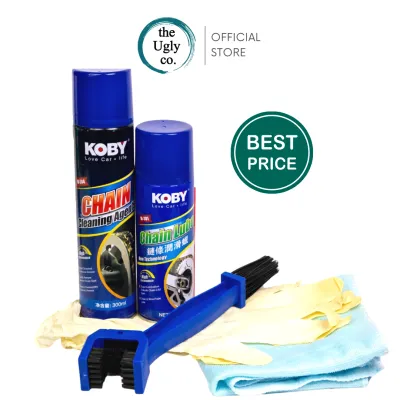
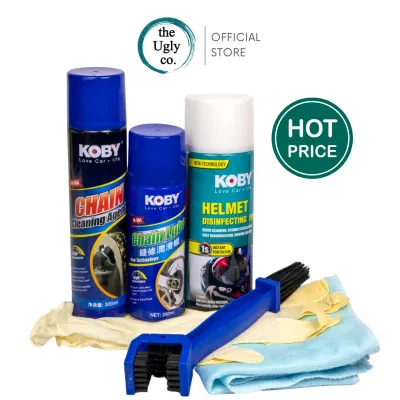
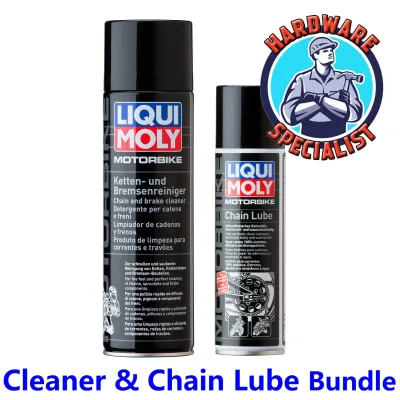
Prices are valid at publication and may change. Please refer to the product page for the latest price.
Avoid using raw, unverified solvents such as gasoline, diesel, or raw kerosene unless explicitly recommended by your motorcycle’s owner manual. While raw kerosene is a traditional cleaning agent, modern chain designs and surrounding components are highly sensitive. Harsh, unrefined chemicals can easily strip the protective coatings off your swingarm paint, degrade the anodized finish on aluminum sprockets, and damage nearby plastic chain guards.
Another critical chemical property to verify is the solvent’s evaporation rate and flash point. A high-quality chain cleaner should evaporate completely without leaving behind a greasy or oily residue. If a cleaner leaves a film, it will prevent your subsequent chain lubricant from adhering properly to the metal surfaces. This causes the fresh lubricant to fling off during your next ride, leaving the chain unprotected against friction and moisture. Check the product specifications to ensure it is designed as a zero-residue formula.
Balancing Cleaning Strength with Garage Safety and Ventilation
The chemical strength of a chain cleaner directly impacts both its effectiveness and your safety during application. Heavy-duty petroleum-based solvents are highly efficient at dissolving baked-on road grime, chain wax, and asphalt tar. However, these powerful solvents release high levels of Volatile Organic Compounds (VOCs) and carry strong chemical odors. If you perform maintenance in an enclosed space, such as a home garage, a basement workshop, or a covered multi-storey car park in Singapore, these fumes can quickly accumulate, posing inhalation risks and causing headaches or dizziness.
For riders working in confined or poorly ventilated spaces, milder water-based or citrus-based biodegradable cleaners offer a safer alternative. These formulas utilize natural terpenes or water-soluble surfactants to break down grease. While they may require slightly more mechanical agitation with a brush to remove stubborn grime, they emit significantly lower VOCs and have a much milder odor profile. This makes them far more suitable for routine, frequent maintenance in residential areas.
Flammability is another crucial safety factor when selecting and using solvent-based cleaners. Pressurized aerosols and petroleum solvents often have low flash points, making them highly flammable. Never spray these chemicals near hot motorcycle components, such as a recently run exhaust pipe, hot brake rotors, or near potential spark sources like battery chargers and power tools. Always allow your motorcycle to cool down completely before starting the cleaning process, and ensure there is active airflow through your workspace to disperse any flammable vapors.
Selecting the Right Application Format for Your Toolkit
The physical packaging of your chain cleaner dictates how well it integrates into your maintenance toolkit, especially regarding storage space and portability. Aerosol sprays are the most common format, favored for their targeted application and built-in mechanical pressure. The high-pressure blast from an aerosol nozzle helps dislodge loose dirt and forces the solvent deep into the chain links. However, aerosol cans are bulky, cannot be easily packed for long-distance travel due to pressure and temperature restrictions, and generate empty pressurized cans that require specialized disposal.
Foaming cleaners represent a highly efficient alternative, particularly for minimizing mess in tight workspaces. When sprayed, the formula expands into a thick foam that clings to the vertical runs of the chain rather than immediately dripping onto the floor. This clinging action gives the active ingredients more dwell time to break down grease. Furthermore, foaming sprays significantly reduce the risk of overspray landing on your rear tire, brake calipers, or wheels, which could otherwise compromise braking performance and tire grip.
For high-frequency riders, professional workshops, or those looking to minimize environmental waste, bulk liquid cleaners are an excellent choice. Purchased in larger jugs, these liquids are applied using a refillable spray bottle or poured directly into a dedicated chain cleaning bath or brush kit. While bulk liquids lack the convenient high-pressure blast of an aerosol, they are highly cost-effective over time, eliminate the waste of single-use pressurized cans, and allow you to control the exact amount of product used.
Building a Condition-Based Shortlist for Your Maintenance Needs
To choose the ideal chain cleaner, you must evaluate your typical riding environment, local climate, and maintenance frequency. Different riding conditions deposit distinct types of debris on your chain, requiring specific chemical properties to clean effectively.
Scenario A: Daily Commuting in Wet or Dusty Urban Conditions
Commuting in tropical climates exposes your motorcycle chain to frequent rain, road spray, and fine urban dust. This combination creates a thin, gritty paste on the chain. For this scenario, a fast-evaporating, low-odor aerosol or foaming cleaner is ideal. Because you will need to clean the chain frequently to prevent rust from wet roads, a quick-drying formula allows you to clean, lubricate, and ride with minimal downtime.
Scenario B: Off-Road or Adventure Riding
Off-road riding through mud, clay, sand, and deep grit demands a heavy-duty petroleum-based solvent. The thick, caked-on debris cannot be easily dissolved by mild water-based formulas alone. You need a high-strength degreaser that can penetrate thick mud crusts and flush out abrasive sand particles from between the side plates. This should be paired with a sturdy chain brush to mechanically agitate the grime.
Scenario C: Long-Term Seasonal Storage Preparation
Before putting your motorcycle into storage, a deep, thorough cleaning is essential. Any remaining moisture or acidic road grime trapped under old grease can cause corrosion over time. For storage prep, a deep-penetrating bulk liquid or heavy-duty solvent is recommended to completely strip the chain down to bare metal. Once completely clean and dry, the chain must be immediately coated with a heavy-duty protective lubricant or rust preventative.
| Cleaner Profile | Solvent Type | Application Format | Cleaning Strength | Ideal Riding Scenario | Ventilation Requirement |
|---|---|---|---|---|---|
| Fast-Evaporating Aerosol | Petroleum-based (mild) | Pressurized spray | Moderate | Scenario A: Daily urban commuting | Moderate (open garage or outdoor area) |
| Clinging Foam Spray | Water-based / Citrus | Expanding foam | Moderate | Scenario A: Urban commuting & light touring | Low (suitable for indoor workshops) |
| Heavy-Duty Degreaser | Petroleum-based (strong) | Aerosol or Bulk liquid | High | Scenario B: Off-road, adventure, & heavy mud | High (well-ventilated outdoor space) |
| Deep-Penetrating Liquid | Solvent-based (zero-residue) | Bulk liquid with brush | High | Scenario C: Seasonal storage preparation | High (avoid enclosed residential spaces) |
Safe Storage and Disposal Practices for Home Workshops
Integrating chemical cleaners into your home workshop requires strict adherence to safety and environmental protocols. Pressurized aerosol cans and volatile solvents are highly sensitive to temperature fluctuations. Always store these products in a cool, dry place away from direct sunlight, as temperatures exceeding 50°C can cause aerosol cans to overpressurize and potentially rupture. Keep them on lower shelves to prevent accidental drops that could damage the valves.
Environmental responsibility is critical when cleaning a motorcycle chain. The runoff generated during cleaning is not just dirty water; it contains a toxic mixture of degraded synthetic lubricants, heavy metals worn from the sprockets, and hazardous road grime. Never wash this runoff directly into storm drains, soil, or household sinks. Use a dedicated drip tray or oil pan lined with absorbent pads to catch all liquid runoff. Once the cleaning is complete, transfer the contaminated liquid to a sealed container and dispose of it at a licensed local chemical recycling or hazardous waste facility.
To minimize fire hazards in your workshop, keep your cleaning chemicals physically separated from your chain lubricants, engine oils, and any used rags. Oily rags used to wipe down chains can spontaneously combust under specific thermal conditions if soaked in volatile solvents. Always store used cleaning rags in a fire-safe, sealed metal container, or allow them to dry completely in a well-ventilated outdoor area before disposal.
Frequently Asked Questions (FAQ)
Can I use standard household degreasers or multi-purpose sprays as a chain cleaner?
No, using standard household degreasers or multi-purpose sprays on a motorcycle chain is highly discouraged. Many household cleaners contain highly acidic or alkaline agents, or water-soluble solvents that can rapidly degrade the synthetic rubber used in O-ring, X-ring, and Z-ring seals. Once these seals are compromised, the internal factory grease will wash out, leading to rapid chain wear and potential failure. Additionally, multi-purpose sprays often leave behind a thin, non-lubricating film that prevents dedicated motorcycle chain lubricants from adhering properly, causing them to fling off during operation.
How do I know when it is time to restock or replace the chain cleaner in my toolkit?
You should inspect your chain cleaner regularly for signs of chemical degradation or physical container wear. For aerosol cans, a loss of propellant pressure—where the can still contains liquid but sprays weakly or unevenly—is a clear indicator that it needs replacement. For bulk liquids, look for signs of chemical separation, cloudiness, or a significant drop in cleaning efficiency. Always check the manufacturer’s expiration date printed on the container; most chemical solvents have a stable shelf life of two to five years, after which their active ingredients may break down and lose their effectiveness.
Is a dedicated chain cleaning device necessary if I use a high-quality foaming spray?
While a high-quality foaming spray significantly reduces the effort required by clinging to the chain and lifting surface dirt, a dedicated chain cleaning device or brush is still highly recommended for a complete maintenance toolkit. Foaming sprays excel at chemical breakdown, but they cannot mechanically dislodge deeply embedded grit, sand, or hardened clay trapped between the inner and outer plates. Using a three-sided chain brush alongside your foaming cleaner ensures that all abrasive particles are physically swept away, preventing premature wear on both your chain and sprockets.

Community discussion
Share your experience or ask a question. Comments are reviewed before publication.