
Finding the right Honda Freed console box with an integrated phone holder for daily commuting requires balancing cabin space, accessibility, and driving safety. The Honda Freed is celebrated for its walk-through cabin design, which allows passengers to move easily between the front and rear seats. However, this open layout means central storage is limited. Adding an aftermarket console box can significantly improve organization, but it must be selected carefully to ensure it does not compromise vehicle controls, block essential displays, or hinder your daily navigation needs in busy urban traffic.
Key Selection Criteria for Honda Freed Console Boxes
The Honda Freed has evolved through multiple generations, including the widely popular second-generation GB5, GB6, GB7, and GB8 models, as well as newer iterations. Each generation features a distinct floor layout and dashboard configuration. A console box designed for a petrol model might not fit a hybrid variant due to differences in the battery placement or floor hump height. Always verify the exact model year, trim level, and chassis code of your vehicle before purchasing any aftermarket interior accessory.
The primary appeal of the Freed is its walk-through cabin. If you install a wide or tall console box, you will permanently block this pathway. Measure the clearance between the driver and front passenger seats carefully. Ensure the box does not interfere with the movement of the seat adjustment levers, the seatbelt buckles, or the folding armrests. If your Freed has aftermarket seat covers or thicker armrests, these will reduce the available clearance and may cause friction against the sides of the console box.
Products mentioned in this guide
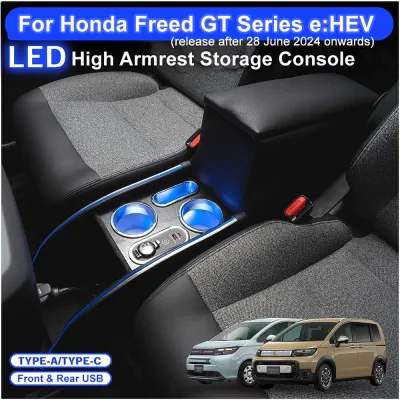
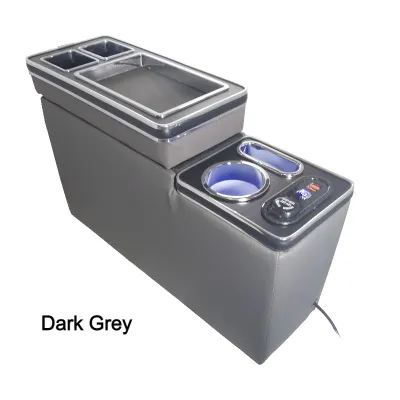
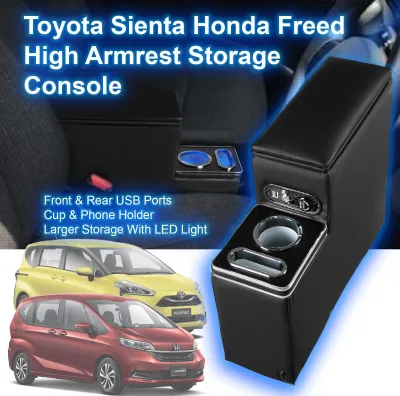
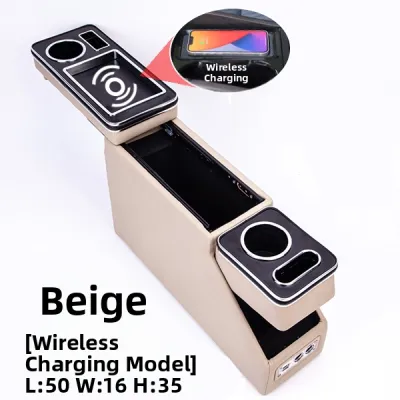
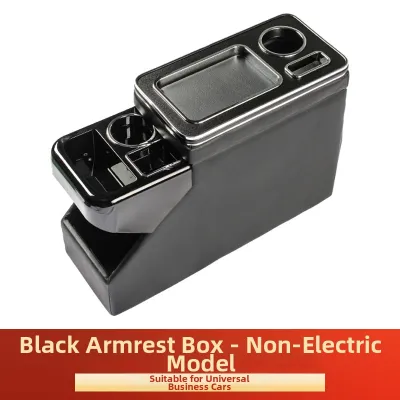
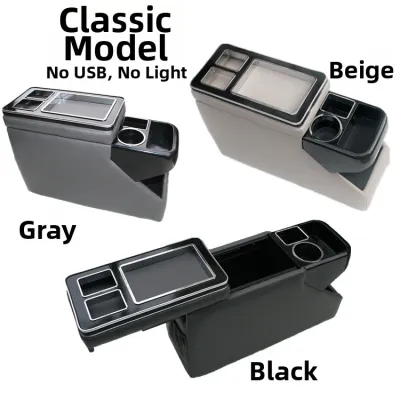
Prices are valid at publication and may change. Please refer to the product page for the latest price.
Commuting involves managing specific items like the NETS Motoring Card, EZ-Link cards, parking tokens, and sunglasses. Look for a console box that offers dedicated, easily accessible slots for these items. Deep main compartments are excellent for hiding larger items like tablets or small bags, but they can become cluttered without smaller organizer trays. Having a dedicated slot for your motoring cards makes passing through ERP gantries and parking barriers much smoother.
The interior of a car parked under the tropical sun can reach extreme temperatures. Cheap plastics can warp, emit unpleasant chemical odors, or become brittle over time. Opt for high-quality ABS plastic or sturdy wood-core boxes wrapped in synthetic leather. Anti-slip rubber liners in the storage trays are essential to prevent coins, keys, and cards from sliding around and creating distracting rattling noises during stop-and-go city driving.
Evaluating Phone Holder Designs for Navigation and Traffic
In dense traffic, keeping your eyes on the road while following GPS navigation is critical. A phone holder integrated into a low-lying console box forces you to look down, taking your eyes off the road. If the console box features a phone holder, it is best used for storing or charging the device when navigation is not active. For active navigation, look for systems that position the phone closer to your natural line of sight without obstructing the forward view through the windshield or interfering with the passenger-side airbag deployment zones.

The phone holder must accommodate various phone sizes, including bulky protective cases. Gravity-based clamps or magnetic mounts are popular for their ease of use, but they must be robust enough to withstand sudden braking or sharp turns. If you use a magnetic holder, ensure the metal plate does not interfere with wireless charging capabilities if your phone supports it. The clamping mechanism should also allow for quick, one-handed mounting and dismounting to minimize distractions.
The tropical climate demands efficient cabin cooling. Many aftermarket phone holders clip onto the air conditioning vents. While this keeps the phone cool, it can block the airflow to the driver or passenger, making the cabin uncomfortable. Furthermore, heavy modern smartphones can put excessive stress on the delicate vent slats, potentially causing them to snap. If the console-mounted holder extends upward, ensure it does not block the central air vents or the hazard light button.
Installation, Safety, and Vehicle Compatibility Checks
For most commuters, a non-destructive installation is preferred. Look for console boxes that utilize a friction-fit design, sliding snugly into the existing cup holder slots or the space between the seats without requiring drilling. If adhesive is used, ensure it is high-quality, automotive-grade double-sided tape that can be removed without leaving permanent residue or damaging the vehicle’s carpet and plastic trim. Avoid any installation that requires modifying the original floor carpet or seat brackets.
The console box must not restrict access to the foot-operated parking brake, the electronic parking brake switch, the gear shifter, or the climate control panel. Before driving, sit in the driver’s seat and simulate emergency maneuvers to ensure your elbow or forearm does not accidentally strike the console box or the mounted phone. There must be clear physical separation between the accessory and all primary driving controls.
If you choose a console box with integrated electrical features, such as USB charging ports, LED ambient lighting, or wireless charging pads, you must pay close attention to how it draws power. Plugging into the vehicle’s standard 12V accessory socket is generally safe and straightforward. However, if the accessory requires hardwiring into the vehicle’s fuse box, consult a qualified automotive electrician. Improper wiring can lead to short circuits, drain your car battery, or interfere with the vehicle’s sensitive electronic control units. If any part of the installation obstructs dashboard warning lights or driver visibility, stop immediately and seek professional assistance.
Building Your Shortlist: Matching Features to Commuting Needs
If your daily commute involves long stretches on major expressways where you rely heavily on real-time traffic updates, prioritize a setup that places your phone in a highly visible, stable position. If your commute is short and you primarily need a place to store your daily essentials and keep the cabin tidy, focus on a console box with maximum concealed storage and a simple, secure slot to tuck your phone away. Tailoring the accessory to your specific driving habits ensures you do not pay for unnecessary features.
Prices for aftermarket Honda Freed console boxes vary widely based on materials and features. Simple plastic organizers or basic floor trays can range from S$30 to S$60. Mid-range options featuring synthetic leather wrapping, padded armrests, and basic USB pass-through ports typically cost between S$70 and S$120. Premium console boxes with integrated LED lighting, multiple charging ports, and custom-molded fits can exceed S$150. Set a budget that reflects your need for durability and fitment quality rather than paying extra for unverified electronic features.
Because the Honda Freed has several variants, including 6-seater and 7-seater configurations, fitment can vary slightly. Before purchasing from an online automotive accessory store, read user reviews specifically from other Honda Freed owners. Look for feedback regarding the exact model year and whether they experienced any issues with seat adjustment or rattling. Verify the seller’s return and exchange policy so you can return the product if you discover a compatibility issue during the initial test fit.
Frequently Asked Questions (FAQ)
Will an aftermarket console box void my vehicle's warranty?
Non-destructive, drop-in accessories that do not require modifications to the vehicle’s structure or electrical system typically do not affect the manufacturer’s warranty. However, if you hardwire a powered console box into the vehicle’s electrical harness or drill holes into the interior panels, you risk voiding the warranty on those specific systems. Always consult your dealership or review your warranty terms before making permanent modifications.
How can I prevent my phone from overheating on the dashboard mount?
Direct sunlight through the windshield can quickly overheat a mounted phone, causing it to throttle performance or shut down. To prevent this, position the phone holder so it benefits from the cabin’s air conditioning airflow without completely blocking the vent. Additionally, using high-quality, heat-rejecting window films or placing a temporary sunshade when parked can significantly reduce cabin temperatures and protect your devices from solar heat.
Are wireless charging console boxes compatible with all phone cases?
Wireless charging relies on electromagnetic induction, which has physical distance limitations. Thick, rugged, or metallic phone cases can block the charging signal or cause the charging pad to overheat. If you choose a console box with an integrated wireless charger, check the manufacturer’s specifications for the maximum supported case thickness, which is usually under 5mm, and ensure your case does not contain metal plates, ring holders, or credit cards.

Community discussion
Share your experience or ask a question. Comments are reviewed before publication.