
To choose a front windshield sun shade for the Avatr 07 that does not interfere with its Advanced Driver Assistance Systems (ADAS), you must select a custom-fit shade featuring a deep, precise cutout designed specifically to clear the large sensor housing behind the rearview mirror. Standard universal shades often press against or cover this critical area, which can misalign or block the forward-facing cameras and radar sensors. By focusing on rigid, custom-molded designs and verifying physical clearance, you can protect your vehicle’s interior from intense solar heat while keeping its active safety systems fully operational.
Locate the Avatr 07 ADAS Sensors and Clearance Zones
The Avatr 07 features a highly sophisticated suite of driver assistance technologies that rely heavily on optical clarity through the front windshield. The primary forward-facing cameras and sensors are integrated into a consolidated plastic housing mounted directly behind the interior rearview mirror. This positioning gives the system an elevated, unobstructed view of the road ahead, which is essential for real-time data collection.
Before purchasing any aftermarket interior accessory, consult your vehicle’s owner’s manual to understand the exact dimensions of this sensor housing and the designated “keep-out” zones. The manufacturer specifies these zones to ensure that no physical objects, adhesive mounts, or reflective materials interfere with the cameras’ field of view or cause thermal buildup near the sensitive electronics.
Products mentioned in this guide
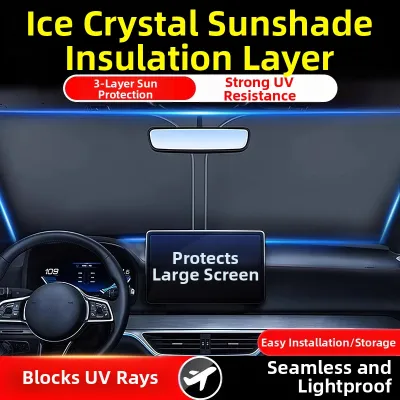
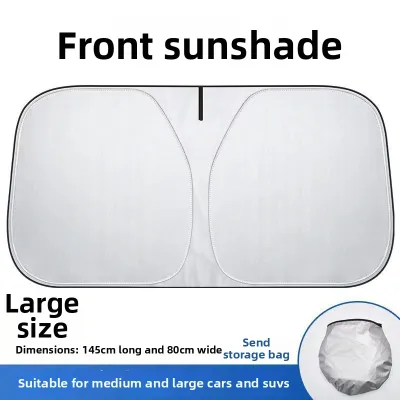
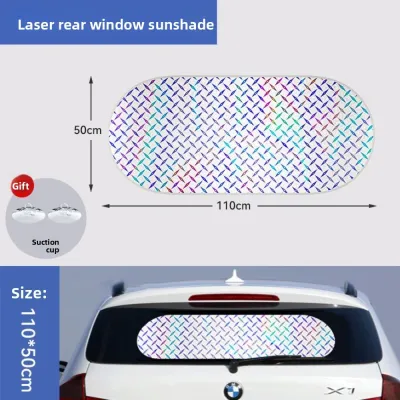
Prices are valid at publication and may change. Please refer to the product page for the latest price.
Standard universal sun shades are typically designed as simple rectangles or feature very shallow, generic cutouts that fail to accommodate modern, bulky sensor housings. When you attempt to install a universal shade in the Avatr 07, the material is forced to bend around or ride up over the sensor cluster, creating a physical obstruction.
Obstructing these sensors poses severe safety risks on the road. The vehicle’s lane-keeping assist, adaptive cruise control, and automatic emergency braking systems depend on a clear, uncompromised line of sight through the upper windshield. If a sun shade shifts the housing, blocks a lens, or leaves a residue on the glass, these safety systems may fail to detect lane markings or obstacles, potentially leading to unexpected system disengagement or failure to intervene during a critical driving event.
Identify Sun Shade Designs That Accommodate Sensor Housings
To maintain both cabin comfort and safety, prioritize custom-fit rigid foldable shades engineered specifically for the Avatr 07’s windshield geometry. These specialized shades feature a deep, tailored cutout or a flexible fabric notch that wraps neatly around the rearview mirror mount and the entire ADAS sensor housing, ensuring zero physical contact with the camera enclosure.

When comparing sun shade designs, the structural stability of the material is a critical factor. Rigid folding shades, often constructed with a solid cardboard or dense foam core, maintain their shape even when subjected to intense cabin heat over several hours. They rest securely against the sun visors and the edges of the windshield frame without sagging, drooping, or shifting into the sensor zone.
In contrast, flexible roll-up shades tend to lose their structural integrity under high temperatures. The heat can cause the thin, flexible materials to curl, warp, or sag at the center, which gradually brings the edge of the shade into the camera’s field of view.
Material composition also dictates how effectively the shade rejects heat without needing to cover the sensor area. High-reflectivity materials, such as multi-layer aluminum foil constructions or advanced reflective polyester, bounce solar radiation back through the glass. This high-efficiency heat rejection lowers the overall thermal load on the dashboard, reducing the need to force a shade into the upper center windshield area where the sensors reside.
Verify Fitment and Sensor Clearance During Installation
Once you select a sun shade, perform a rigorous verification process to ensure it does not interfere with the ADAS sensors during daily use. Begin with a thorough visual inspection from both inside and outside the vehicle. From the outside, look directly through the windshield to confirm that the camera lenses and sensor windows are completely exposed and free from any overlapping shade material.
From the driver’s seat, verify that the shade sits flush against the glass and does not apply physical pressure to the plastic housing of the ADAS unit. The shade should be supported entirely by the sun visors and the windshield pillars, leaving the sensor housing completely untouched and unstressed.
Next, test the shade’s stability under realistic thermal conditions. Park the vehicle in a safe, sunny location and leave the shade installed for a few hours. Check if the rising cabin temperature causes the shade to soften, slip, or shift downward, as a shade that fits tightly when cool might sag when the interior warms up.
After confirming the physical fit, conduct a low-speed functional check of the vehicle’s ADAS features in a safe, controlled environment, such as a quiet residential street. Verify that basic systems like traffic sign recognition or lane departure warnings initialize properly and operate without displaying any error messages on the instrument cluster.
Establish a strict stop-use condition for any accessory you install. If the Avatr 07’s dashboard displays any ADAS calibration errors, blocked sensor warnings, or system faults after using the sun shade, remove the shade immediately. Do not drive the vehicle with active safety systems compromised, and consult an authorized service center or a qualified technician if the warning persists.
Maximize Cabin Cooling While Keeping Sensors Uncovered
In Singapore’s tropical climate, where parked vehicles face intense solar radiation, supplementary cooling strategies can help protect the cabin without relying solely on a physical sun shade in the sensor zone. Consider installing a high-quality ceramic window tint on the front windshield. Ensure the tint complies fully with the Land Transport Authority (LTA) regulations in Singapore, which mandate specific light transmittance levels for front windshields. While professional ceramic tinting can cost several hundred S$, it provides excellent infrared heat rejection while remaining completely transparent, protecting the sensor area without physical obstruction.
Combine your front windshield shade with custom-fit side window shades and a rear window shade. This creates a comprehensive thermal barrier around the entire cabin, significantly reducing the greenhouse effect inside the vehicle and lowering the demand on the front shade.
Additionally, leverage the Avatr 07’s smart features. Use the mobile application to activate the remote climate control or schedule cabin ventilation before you return to the vehicle. Pre-cooling the cabin for a few minutes reduces the initial heat load on the interior materials and electronics, ensuring a comfortable entry even if a small portion of the windshield remains uncovered to protect the sensors.
Frequently Asked Questions (FAQ)
Can I use a universal sun shade for the Avatr 07?
Using a universal sun shade is not recommended for the Avatr 07. Universal shades lack the precise, deep cutouts required to clear the vehicle’s prominent ADAS sensor housing behind the rearview mirror. Attempting to force a universal shade into place can physically press against the sensor mount, potentially misaligning the cameras, or it may sag over time, blocking the sensors’ field of view and disabling critical safety features.
Will a reflective sun shade damage the Avatr 07 windshield or sensors?
High-quality reflective sun shades are safe when designed and fitted correctly, but improper use can cause issues. Ensure the shade does not physically press against the delicate plastic housing of the ADAS sensors, as mechanical stress can damage internal connections. Additionally, avoid shades that trap excessive localized heat against the glass; instead, choose shades with a soft, non-abrasive backing that allows a small air gap, preventing thermal stress on the windshield and the sensitive electronics housed nearby.

Community discussion
Share your experience or ask a question. Comments are reviewed before publication.