
A dashboard-mounted car table can transform your vehicle’s front cabin into a highly functional space, providing a dedicated surface for your phone, keys, parking cards, and other small essentials. However, finding the right accessory requires more than simply picking a popular design. Because car dashboards vary significantly in their curvature, surface texture, and material composition, a table that fits perfectly in one vehicle might slide, wobble, or fail to adhere in another. Selecting the ideal dashboard table involves balancing convenience with strict safety standards, ensuring that your items remain secure and your driving view remains completely unobstructed.
When evaluating these accessories, you must prioritize structural stability and safety over mere convenience. A poorly chosen or incorrectly installed table can quickly become a driving hazard, particularly during sudden stops or sharp turns. By understanding the physical characteristics of your vehicle’s dashboard and matching them with the appropriate mounting technology, you can enjoy a clutter-free cabin while maintaining a safe driving environment. This guide outlines the critical evaluation criteria, mounting safety boundaries, and practical limitations to help you make an informed decision.
Key Features to Evaluate in a Dashboard Car Table
To select a dashboard table that truly serves your daily driving needs, you must first examine its physical and functional specifications. The primary purpose of a dashboard table is to provide a stable, flat surface, but its real-world utility depends heavily on its dimensions and weight capacity. Before purchasing, you should always verify the manufacturer’s specified weight limits rather than assuming the table can support heavy items. While a lightweight tray is perfectly adequate for a smartphone and a pair of sunglasses, placing heavier items like tablets, thick wallets, or metal water bottles can overload the mounting mechanism, leading to sudden failure under the G-forces of braking or cornering.
Products mentioned in this guide
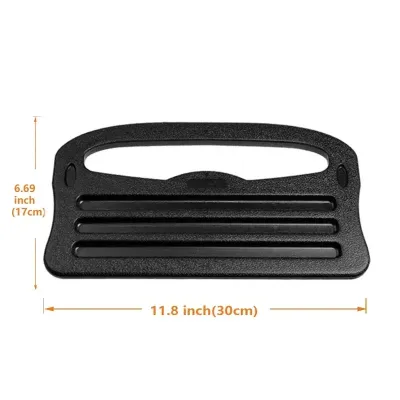


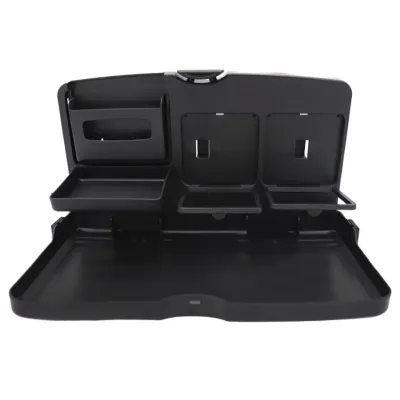
Prices are valid at publication and may change. Please refer to the product page for the latest price.
Material composition is another critical factor that directly influences both durability and safety. High-quality dashboard tables are typically constructed from robust ABS plastic or high-density polypropylene, which resist warping under intense sunlight. The surface of the table should feature a high-friction, anti-slip material, such as a textured silicone or rubberized lining. This anti-slip property is essential for preventing your phone and other small items from sliding around during minor vehicle movements. In tropical climates like Singapore, where cabin temperatures can soar when parked outdoors, it is vital to choose materials that can withstand extreme thermal buildup without melting, warping, or releasing unpleasant chemical odors.
The physical design of the table’s edges plays a major role in keeping your items contained. A completely flat tray without raised borders is highly impractical for a moving vehicle, as even gentle acceleration can cause items to slide off. Look for tables designed with a pronounced lip or raised outer edge, ideally measuring at least five to ten millimeters in height. This containment feature acts as a physical barrier, preventing loose items like coins, keys, or rings from sliding off the table and falling into hard-to-reach dashboard crevices or onto the floorboards. Some advanced designs also incorporate dedicated slots, grooves, or integrated clips that allow you to prop up a smartphone or parking card securely.
Finally, consider the overall footprint of the table in relation to your dashboard’s layout. A table that is too large may overlap with essential vehicle controls, block air conditioning vents, or interfere with built-in infotainment screens. Conversely, a table that is too small may not offer enough usable surface area to justify its installation. Carefully compare the physical dimensions of the product with the available flat space on your dashboard to ensure a balanced, unobtrusive fit.
Mounting Mechanisms and Dashboard Safety
The method used to secure a car table to your dashboard is just as important as the table itself. Different mounting mechanisms offer varying levels of stability, and choosing the wrong type can result in a loose accessory or permanent damage to your vehicle’s interior. Suction cup mounts are a popular choice because they are easy to install and reposition. These mounts work best on smooth, non-porous surfaces, but they often struggle to maintain a seal on heavily textured vinyl or leather dashboards. While some suction cups feature a sticky polyurethane gel designed to fill minor surface imperfections, prolonged exposure to direct sunlight and high cabin temperatures can dry out the gel, causing the mount to release unexpectedly.

Adhesive pads, typically utilizing double-sided acrylic foam tape, provide an exceptionally secure and low-profile bond. This mounting method is highly effective on flat, hard plastic surfaces, making it a reliable option for long-term installation. However, adhesive pads are semi-permanent and require careful placement, as they cannot be easily repositioned once applied. Furthermore, the chemical adhesives used in these pads can pose a significant risk to delicate dashboard materials. On soft-touch plastics, synthetic leather, or genuine leather surfaces, strong adhesives can cause permanent discoloration, stretching, or even tearing when you attempt to remove them.
Dashboard clips offer a mechanical alternative that avoids the use of adhesives or suction. These mounts typically clamp onto the edge of the instrument cluster hood or the center console trim, relying on spring tension or mechanical screws to stay in place. While clips are highly transferable and leave no chemical residue, their compatibility is strictly limited by the physical shape of your vehicle’s interior panels. If your dashboard features thick, highly rounded, or seamlessly integrated trim pieces, a clip-on table may not fit securely or could leave permanent scratch marks on the plastic panels.
Regardless of the mounting mechanism you choose, you must strictly observe vehicle safety boundaries during installation. The most critical safety rule is to ensure that the table and its mounting hardware are placed completely outside the deployment zones of your vehicle’s airbags, particularly the passenger-side front airbag. Consult your vehicle’s owner’s manual to identify these deployment zones precisely, as placing any object in these areas can turn the accessory into a dangerous projectile if the airbag deploys. Additionally, the mounted table must never obstruct your forward line of sight or block your view of the side mirrors. A table that sits too high on the dashboard can create a hazardous blind spot, compromising your ability to spot pedestrians or obstacles.
Practical Use Cases and Driving Limitations
Understanding when and how to use a dashboard car table is essential for maintaining safety on the road. These accessories excel in stationary scenarios, transforming your parked vehicle into a convenient, organized space. If you frequently find yourself waiting in your car, a stable dashboard table provides an excellent platform for holding a notepad, organizing receipts, or resting a small snack. It allows you to keep your essential items within arm’s reach without cluttering your passenger seat or center console, making it a highly practical tool for mobile professionals or parents on the go.
However, you must recognize the strict driving limitations associated with using a flat table surface while the vehicle is in motion. A dashboard table should never be treated as a primary, unsecured phone mount while driving. Even if the table features a high-quality anti-slip silicone mat, the physical forces of driving—such as sudden emergency braking, sharp swerves, or crossing speed bumps—can easily overcome the friction holding your items in place. Unsecured smartphones, heavy keychains, or metal pens can quickly slide off the table and become dangerous cabin projectiles. A loose item sliding under your feet can even wedge itself beneath the brake pedal, creating a catastrophic safety hazard.
For active navigation and hands-free calling while driving, you should always secure your smartphone in a dedicated, locking cradle or mechanical mount that physically clamps the device in place. The dashboard table should be reserved solely for lightweight, low-profile items that are unlikely to cause injury or distraction if they shift slightly. If your dashboard table features a folding, collapsible, or easily removable design, make it a habit to fold it down or store it away when it is not actively in use. Keeping your dashboard clear when driving minimizes visual clutter, reduces distracting reflections on the windshield, and ensures that your focus remains entirely on the road ahead.
Pre-Purchase Checklist for Your Vehicle
Before purchasing a dashboard-mounted car table, performing a thorough compatibility check is essential to avoid buying an accessory that does not fit or cannot be safely installed. First, use a flexible measuring tape to measure the available flat space on your dashboard. Carefully examine the area for any curvature, sloping angles, or physical obstructions. Pay close attention to the location of windshield defroster vents and air conditioning outlets; blocking these vents can severely compromise your vehicle’s climate control system and your ability to clear condensation from the windshield during heavy rainstorms.
Next, identify the exact material of your dashboard surface. Press gently on the area where you plan to mount the table to determine if it is hard plastic, soft-touch vinyl, or wrapped in leather. If your dashboard is made of leather or delicate soft-touch materials, you should avoid any mounting options that rely on strong chemical adhesives or high-tension metal clips. Instead, look for weighted friction bases or mounts specifically labeled as safe for delicate surfaces. Always check your vehicle’s owner’s manual for any manufacturer-specific warnings or restrictions regarding the installation of aftermarket dashboard accessories, weight limits, or adhesive applications.
Finally, verify the road legality and safety regulations in your jurisdiction regarding dashboard accessories. In many regions, including Singapore, traffic laws strictly prohibit any modifications or accessories that obstruct the driver’s clear view of the road. Ensure that the height of the table, when fully installed and loaded with items, does not protrude into your primary field of vision. By systematically verifying these dimensions, materials, and legal requirements before making a purchase, you can select a dashboard table that enhances your driving experience without compromising safety or damaging your vehicle’s interior.
Frequently Asked Questions (FAQ)
Can a dashboard car table be used as a primary phone mount while driving?
No, a dashboard car table should not be used as a primary phone mount while the vehicle is in motion. While some tables feature shallow slots or anti-slip mats designed to hold a phone, they do not offer the secure, mechanical locking mechanism of a dedicated phone mount. The physical forces experienced during sudden braking, sharp turns, or driving over uneven road surfaces can easily dislodge an unsecured phone from a flat table, turning it into a dangerous projectile. For active driving and navigation, always secure your phone in a dedicated cradle that physically clamps the device.
How do I remove adhesive residue from the dashboard without damaging it?
Removing adhesive residue requires a cautious, step-by-step approach to avoid damaging your dashboard’s surface. Never use harsh household solvents like acetone, nail polish remover, or strong paint thinners, as these chemicals can permanently melt plastic, strip paint, or dry out leather and vinyl. Instead, start by warming the residue gently with a hairdryer on a low heat setting to soften the adhesive, taking care not to overheat the dashboard material. Apply a small amount of isopropyl alcohol or a dedicated, automotive-safe adhesive remover to a clean microfiber cloth, and gently wipe the residue. Always test any cleaning agent on a small, inconspicuous area of the dashboard first to ensure it does not cause discoloration or surface degradation.

Community discussion
Share your experience or ask a question. Comments are reviewed before publication.