
Finding the right custom-fit front windshield sunshade for your Skoda Octavia requires matching the accessory to your vehicle’s specific generation, verifying the clearance around the central sensor console, and selecting high-efficiency thermal materials. Because the Octavia has evolved through distinct design phases—most notably the third-generation Mk3 (2013–2020) and the fourth-generation Mk4 (2020–present)—a universal, one-size-fits-all shade will inevitably leave gaps that let in heat and damaging ultraviolet rays. By focusing on precise edge-to-edge coverage, multi-layer thermal barriers, and secure mounting mechanisms, you can protect your sedan or wagon’s cabin from intense solar radiation, keep the interior touchpoints cool, and prevent the dashboard from cracking or fading over time.
Why Custom-Fit Matters for the Skoda Octavia
The windshield of a Skoda Octavia is characterized by a sweeping, aerodynamic rake that varies significantly between model generations. Universal sunshades, which typically rely on simple rectangular or oval shapes, cannot conform to the specific angles and tapered corners of the Octavia’s glass. This mismatch leads to sagging, light leaks along the A-pillars, and large uncovered areas near the top of the windshield. When solar radiation bypasses the shade through these gaps, it creates localized hot spots that rapidly raise the overall cabin temperature through greenhouse effects.
In tropical climates, where vehicles parked in open-air car parks are subjected to relentless, high-intensity sunlight, these gaps compromise the efficiency of your air conditioning system. A custom-fit sunshade is engineered to match the exact perimeter of your specific Octavia model, ensuring that the entire glass surface is shielded. This precise fitment prevents the shade from slipping down or collapsing, which is a common frustration with generic wire-ring alternatives that lack the structural support to stay upright against the Octavia’s steeply angled glass.
Products mentioned in this guide



Prices are valid at publication and may change. Please refer to the product page for the latest price.
Beyond thermal comfort, a custom-fit barrier is crucial for preserving the premium materials inside your vehicle. The Skoda Octavia features soft-touch plastics on the dashboard, leather or synthetic wraps on the steering wheel, and sensitive electronic displays for the infotainment system. Prolonged exposure to ultraviolet (UV) radiation and extreme heat can cause these materials to dry out, crack, discolor, or emit volatile organic compounds that create a greasy film on the inside of the glass. By providing complete coverage, a tailored sunshade acts as a physical shield that extends the lifespan of your interior trim and maintains the resale value of your car.
Key Features to Evaluate for Maximum Heat Rejection
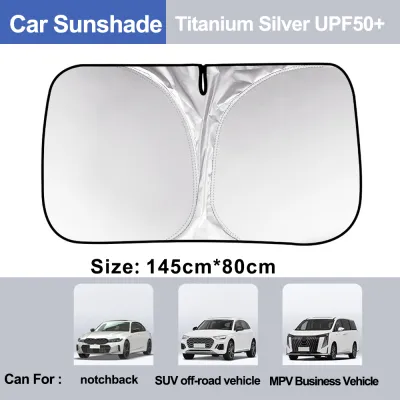
To achieve optimal thermal protection, you must look beyond basic aesthetic designs and evaluate the physical construction of the sunshade. High-performance sunshades rely on a combination of reflection and insulation to combat solar heat gain. The outermost layer should feature a highly reflective material, such as a polished aluminum foil or a specialized titanium silver coating. These materials are designed to reflect shortwave solar radiation back through the windshield glass before it can be absorbed by the dark surfaces of your dashboard and steering wheel.

Beneath this reflective outer layer, a quality sunshade must incorporate an effective thermal barrier to resist conductive heat transfer. Multi-layer structures are highly recommended for this purpose. Look for shades that utilize a core of closed-cell foam, air-bubble insulation, or dense thermal cotton. These insulating layers trap air, slowing down the transfer of heat from the hot outer surface of the shade to the cooler cabin air. A single-layer fabric shade, even if reflective, will quickly heat up and radiate that warmth directly into the car’s interior.
Structural integrity is another critical factor that determines how well a sunshade performs over years of daily use. Examine the edge binding and stitching quality; double-stitched, fabric-reinforced borders prevent the edges from fraying or curling under intense heat. The frame of the shade must also be rigid enough to support its own weight without sagging in the middle. Memory wire frames or stiffened cardboard-core panels are excellent options, as they maintain their shape over repeated folding cycles. However, you must balance rigidity with flexibility to ensure the shade can be easily maneuvered around the rearview mirror during installation.
How to Verify Compatibility With Your Specific Octavia Model
Before purchasing any sunshade, you must accurately identify the generation and production year of your Skoda Octavia. The dimensions and shape of the windshield changed dramatically between the third-generation Octavia (Mk3, produced roughly from 2013 to 2020) and the fourth-generation model (Mk4, introduced in 2020). A shade designed for a Mk3 will not fit a Mk4 properly, as the newer model features a different windshield rake, revised A-pillar angles, and a completely redesigned central sensor housing.
To ensure a perfect match, locate your vehicle’s manufacturing year and model code, which can be verified using the Vehicle Identification Number (VIN) or by consulting your owner’s manual. When browsing product listings on online marketplaces, cross-reference this information with the seller’s compatibility database. Do not rely solely on generic labels like “Skoda Octavia Sunshade” without verifying the specific model years supported. If you are unsure, physically measure the height and width of your windshield from the inside, taking note of the widest and narrowest points to compare against the manufacturer’s specifications.
Modern Skoda Octavias are equipped with advanced driver assistance systems (ADAS), rain sensors, and auto-dimming rearview mirrors mounted directly behind the windshield. This central console creates a bulky housing that a sunshade must accommodate. A properly designed custom-fit shade will feature a dedicated cutout or a flexible, hook-and-loop split zone at the top center. This design allows the shade to wrap securely around the mirror bracket and sensor housing without putting physical pressure on the delicate camera lenses or electrical connections, ensuring your vehicle’s safety systems remain undisturbed.
Installation, Storage, and Daily Usage Tips
Deploying your custom-fit sunshade correctly is essential for maximizing its effectiveness and preventing damage to your vehicle’s interior. To install, gently unfold the shade inside the cabin, slide the bottom edge deep into the gap where the windshield meets the dashboard, and then push the top section flat against the glass. Secure the shade in place by pulling down both the driver and passenger side factory sun visors. This step is crucial, as the visors provide the necessary downward pressure to keep the shade flush against the windshield and prevent it from sagging over time.
Always ensure the sunshade is completely removed and safely stored before operating the vehicle, as driving with any windshield obstruction is illegal and highly dangerous. When removing the sunshade, handle it with care to avoid damaging the internal frame or creasing the reflective outer layer. If your shade uses a roll-up design, roll it tightly and secure it with the integrated strap; if it is a folding accordion style, fold it along the pre-creased lines. Avoid forcing the shade into tight spaces or bending the internal support wires, as permanent creases can compromise the structural rigidity of the shade and create gaps during future installations. Store the shade in its designated sleeve or bag to protect the reflective surface from scratches, dust, and accidental punctures.
Maintaining the cleanliness of your sunshade is simple but necessary to preserve its reflective properties. Over time, dust, fingerprints, and airborne residues can accumulate on the outer surface, reducing its ability to bounce away solar radiation. Wipe the reflective side periodically with a soft, dry microfiber cloth. If deeper cleaning is required, use a damp cloth with a highly diluted, pH-neutral soap solution, ensuring you dry the shade completely before folding and storing it. Never use harsh chemical solvents, abrasive sponges, or glass cleaners on the reflective coating, as these can strip the protective layers and cause premature material degradation.
What to Check Before Buying (Condition-Based Shortlist)
When shopping for a custom-fit sunshade without direct brand recommendations, you must act as your own quality inspector by verifying specific product details. Start by confirming that the seller provides an explicit compatibility guarantee for your exact Skoda Octavia model year and body style (sedan/liftback or Combi wagon). Look for product listings that display actual photos of the shade installed in an Octavia cabin, rather than generic digital renderings, to verify that the edge-to-edge fitment is truly precise.
Next, carefully review the seller’s return and exchange policies. Even with careful research, minor manufacturing variances or aftermarket windshield replacements can occasionally lead to fitment discrepancies. A flexible return policy ensures you can exchange the shade or receive a refund if you discover any gaps, sagging, or interference with your rearview mirror during the initial test fit. Additionally, check customer feedback specifically regarding the ease of folding and the durability of the internal frame under high-temperature conditions.
Finally, verify the material specifications provided by the manufacturer. Look for clear indications of UV protection ratings (such as UPF 50+) or documented thermal resistance properties. Avoid products that make vague, exaggerated claims of “100% heat elimination” without explaining the material composition. Instead, prioritize listings that detail the specific layers used—such as a reflective aluminum outer layer, a non-conductive bubble or foam core, and a soft felt or fabric backing that protects your dashboard from scratches during installation and removal.
Frequently Asked Questions (FAQ)
Will a custom sunshade interfere with the rain sensor or rearview mirror?
A high-quality, custom-fit sunshade is specifically designed to accommodate the central sensor and camera console of your Skoda Octavia. These shades feature a tailored cutout or a flexible split at the top center, allowing the material to slide behind or wrap around the rearview mirror bracket. When installing the shade, always guide it gently around the mirror and sensor housing rather than forcing it into place. Forcing a poorly fitting shade can misalign the ADAS cameras or damage the delicate mounting brackets of your rain sensor, so verifying the presence of a dedicated cutout before purchase is essential.
How do I clean the reflective surface without damaging it?
To clean the reflective surface of your sunshade safely, use a soft, clean microfiber cloth slightly dampened with plain water or a highly diluted, pH-neutral soap solution. Gently wipe the surface to remove dust, smudges, and fingerprints, then allow the shade to air dry completely in a shaded area before folding it for storage. Avoid using abrasive scrubbing pads, harsh chemical solvents, or ammonia-based glass cleaners, as these substances can dissolve or scratch the reflective metallic coating. Keeping the surface clean ensures maximum reflectivity and prevents the transfer of dirt or oily residues onto your windshield glass.

Community discussion
Share your experience or ask a question. Comments are reviewed before publication.