
Selecting the ideal cup phone holder for your car is not as simple as picking the first highly rated option online. To achieve a secure, rattle-free installation, you must solve a two-sided compatibility puzzle: matching the expandable base of the mount to the exact geometry of your vehicle’s cup holder, while simultaneously ensuring the mounting head can securely grip your phone, even when enclosed in a bulky protective case. A mismatch on either side leads to a frustrating driving experience, characterized by constant vibrations, blocked console controls, or a phone that repeatedly slips out of its cradle.
By taking precise measurements of your vehicle’s interior and your mobile device before making a purchase, you can avoid the hassle of returns and ensure your phone remains safely within your line of sight. This guide provides a systematic framework for evaluating cup holder dimensions, base expansion mechanisms, mounting head designs, and structural stability, helping you select a durable accessory tailored to your specific driving environment.
Measure Your Car's Console and Phone Dimensions
Before browsing online marketplaces, gather a few basic measuring tools, such as a flexible tape measure, a standard ruler, or a vernier caliper. The first step is to measure the internal dimensions of your car’s cup holder. Do not assume your cup holder is a perfect cylinder; many modern vehicles feature tapered designs that are wider at the top and narrower at the bottom, or irregular shapes with flat edges. Measure the inner diameter at the very top rim and again at the lowest point of the base. If your cup holder features spring-loaded stabilizing tabs, measure the distance between these tabs when they are fully compressed, as the mount’s base will need to push past them to sit securely.
Products mentioned in this guide
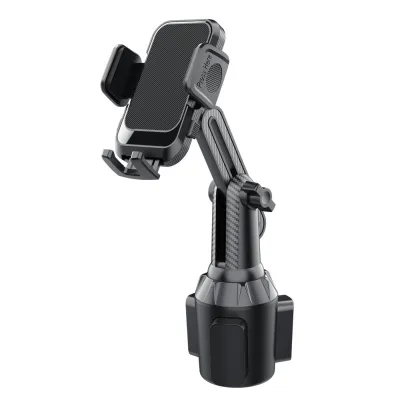
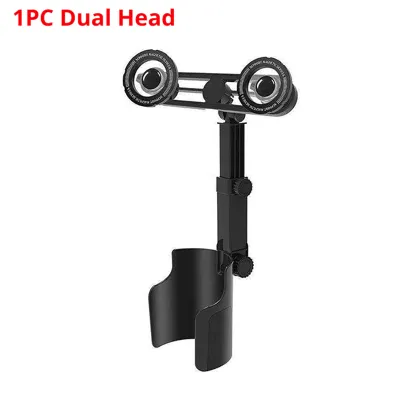
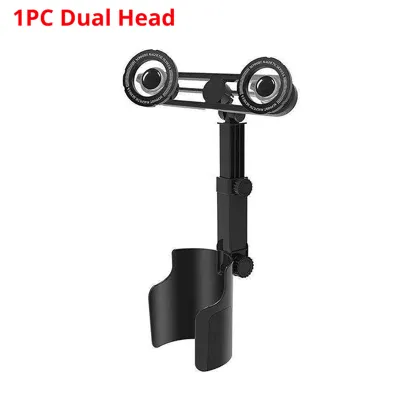
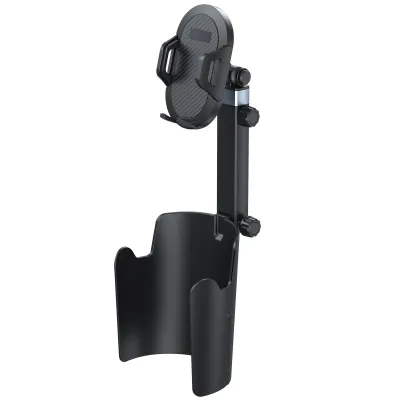
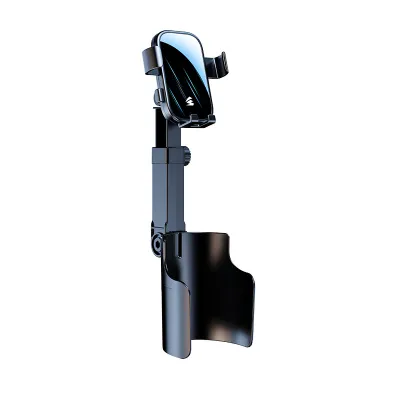
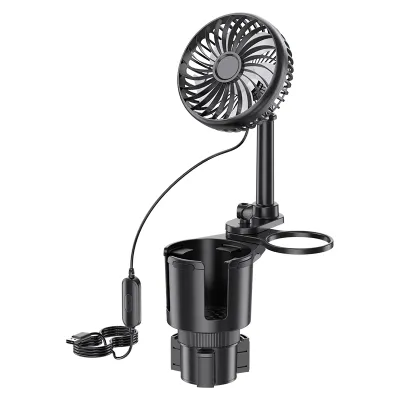
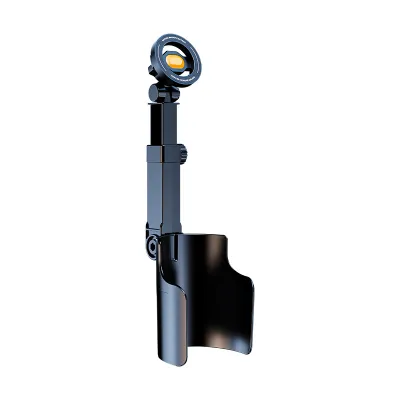
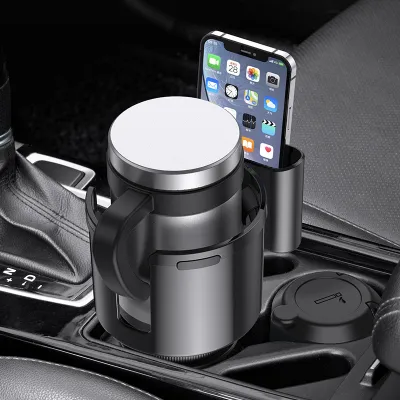
Prices are valid at publication and may change. Please refer to the product page for the latest price.
Next, measure the depth of the cup holder from the top rim to the bottom floor. This measurement is critical because some expansion mounts require a minimum depth to prevent the base from bottoming out before the expansion pads can make contact with the side walls. If the cup holder is too shallow, the mount will wobble or sit too high, creating an unstable lever arm that amplifies road vibrations.
Once the vehicle dimensions are recorded, measure your phone’s physical footprint. It is a common mistake to rely on the manufacturer’s official phone specifications, which only account for the bare device. You must measure the phone while it is inside its daily protective case. Use your ruler to measure the total width, height, and overall thickness. Pay close attention to any protruding elements on the back of the case, such as integrated kickstands, finger rings, pop-style sockets, or heavy-duty camera bumps, as these features significantly increase the required depth of the mounting clamps.
Finally, assess the surrounding console environment for potential physical obstructions. Sit in the driver’s seat and observe the space directly above and around the cup holder. Note the location of the gear shifter, handbrake, armrest, climate control knobs, and infotainment screens. A tall cup phone holder or one with a wide mounting head can easily block your hand when shifting gears or prevent you from accessing essential dashboard controls. Ensuring there is a clear path for both the mount’s arm and your hand’s natural movement is essential for safe vehicle operation.
Match the Base Mechanism to Your Cup Holder Shape
The base of the phone holder is the foundation of its stability, and different designs cater to specific cup holder geometries. The most common and secure design is the twist-lock or dial-adjust base. This mechanism features an external collar or top dial that, when rotated, drives an internal screw thread to push out three or four expansion pads horizontally. When evaluating twist-lock bases, look for models with robust internal construction and thick rubber or silicone padding on the expansion tips. These pads provide the necessary friction to grip smooth plastic walls and prevent the base from twisting loose during turns.

For tapered, oversized, or slightly irregular cup holders, look for bases equipped with expandable silicone or rubber flanges. Instead of rigid plastic pads, these bases utilize flexible, tiered fins or thick rubber sleeves that compress and conform to the unique contours of your console. This flexibility helps distribute the holding pressure evenly, which is particularly useful if your cup holder has integrated utility slots or non-standard curves.
If your vehicle features exceptionally shallow cup holders or a console layout where mechanical expansion is impractical, a weighted or magnetic drop-in base may be the only viable alternative. These bases rely on gravity and high-density materials, such as zinc alloy or weighted silicone, to remain seated. While they offer the convenience of instant removal, they generally provide less stability during sudden braking or sharp cornering compared to mechanical expansion systems.
Before finalizing your choice, cross-reference your manual measurements with the manufacturer’s specified minimum and maximum expansion limits. A base that is forced to operate at its absolute maximum expansion limit will experience increased stress on its internal plastic threads, potentially leading to structural failure over time. Conversely, a base that is too large will not fit into the opening at all. When installing the mount, tighten the mechanism until it is snug and immovable, but avoid over-tightening, which can crack the delicate plastic housing of your car’s center console.
Choose a Mounting Head for Your Phone and Case
The mounting head must hold your phone securely through bumps, sudden stops, and temperature fluctuations. Spring-loaded manual clamps are a highly reliable option, utilizing high-tension internal springs to squeeze the sides of your phone. These clamps are simple, durable, and do not require electrical power, but they do require two hands to operate comfortably. Alternatively, motorized auto-clamping arms use infrared sensors or physical buttons to automatically close the grip arms around your phone when placed on the cradle. If you choose an electronic model, ensure it features a built-in capacitor or backup battery, allowing you to release your phone even after the car’s engine has been turned off.
The bottom support ledge, or “foot,” of the mounting head plays a crucial role in vertical stability, but it can also introduce compatibility issues. Inspect the bottom of your phone to locate the charging port, speakers, and headphone jack. Ensure the mount’s bottom ledge features a wide center gap that allows you to plug in your charging cable without bending the wire or forcing the phone out of alignment. Some premium mounts offer adjustable bottom feet that can be extended downward to accommodate taller phones, ensuring the side clamps align perfectly with the center of gravity of your device.
Magnetic mounting heads offer unmatched convenience, allowing you to mount and remove your phone with a single, one-handed motion. However, magnetic systems require a compatible magnetic case or a metal plate adhered to the back of your phone. If you use wireless charging, be aware that placing a metal plate directly over the charging coil can block the energy transfer and cause dangerous heat buildup. Ensure any adhesive metal plates are positioned carefully according to the manufacturer’s instructions to maintain wireless charging compatibility.
Lastly, verify that the side grip arms do not interfere with your phone’s physical buttons. Many modern smartphones feature volume and power buttons located along the upper half of the side bezel. If the mount’s side clamps align directly with these buttons, the clamping pressure can trigger accidental emergency calls, volume adjustments, or screen lockouts. Look for mounts with adjustable side arms or offset clamping pads that grip the phone securely without depressing its physical controls.
Verify Arm Stability and Driving Sightlines
The connection between the base and the mounting head determines how much your phone will shake while driving. Flexible gooseneck arms, constructed from a bendable aluminum core wrapped in plastic, offer excellent adjustability, allowing you to curve the mount around gear shifters and console obstacles. However, gooseneck arms are highly susceptible to road vibrations, especially on uneven surfaces or expressways. Over time, the constant weight of a heavy smartphone can cause the flexible arm to sag, requiring frequent readjustment.
For maximum stability, rigid ball-joint arms are generally preferred. These arms utilize solid plastic or aluminum segments locked in place by threaded collar nuts. While they offer a more limited range of motion compared to goosenecks, they virtually eliminate sagging and significantly reduce screen jitter. Many high-quality rigid mounts feature a dual-joint design, allowing you to adjust both the angle at the base and the angle at the phone cradle independently.
Regardless of the arm style you choose, you must prioritize your driving sightlines and ergonomics. When the phone is mounted, it should sit within your peripheral vision, allowing you to glance at navigation maps without taking your eyes off the road or leaning forward in your seat. However, the phone must not block your view of the windshield, side mirrors, or essential dashboard instrument clusters, such as the speedometer and warning lights.
In Singapore, traffic regulations strictly govern driver distraction and windshield obstructions. Under local road safety guidelines, any accessory that significantly blocks the driver’s forward field of view can be deemed a safety hazard. Mounting your phone in a cup holder is often an excellent way to comply with these regulations, as it keeps the device well below the dashboard line. However, you must still ensure the phone is positioned so that you do not have to look down excessively, which can be just as dangerous as a blocked windshield.
Final Compatibility Checks Before Buying
Before clicking the purchase button, perform a final round of verification to ensure a successful fit. Double-check the product’s listed specifications against your recorded measurements. Pay close attention to the maximum supported phone thickness, especially if you use a heavy-duty rugged case or a wallet-style cover, as many standard mounts are designed for slim profiles and cannot accommodate cases thicker than 15 millimeters.
Take advantage of user reviews on online marketplaces, filtering the feedback using keywords related to your specific car make and model, as well as your phone model. Other drivers often share valuable real-world insights, such as whether the mount fits a specific console layout or if the base tends to slip in certain types of plastic cup holders. This peer feedback can reveal minor design flaws that are not apparent in the manufacturer’s promotional images.
Additionally, review the retailer’s return policy and warranty terms. Because car consoles vary widely in their design, there is always a small chance that a mount will not fit as expected despite careful measurement. Choosing a seller that offers hassle-free returns or exchanges provides peace of mind.
Finally, consider the material durability of the mount in relation to your local climate. In Singapore, parked cars are subjected to intense tropical sunlight, which can cause cabin temperatures to soar past 60 degrees Celsius. Cheap, low-grade plastics will quickly degrade, warp, or become brittle under these extreme thermal conditions. Look for cup phone holders constructed from high-grade ABS plastic, polycarbonate, or aluminum alloys, which are rated to withstand high temperatures without losing their structural integrity or grip tension.
Frequently Asked Questions (FAQ)
Will a cup phone holder scratch my car's console?
A high-quality cup phone holder should not scratch your car’s console, provided it is designed with protective materials. When shopping, verify that the expansion pads on the base are covered in thick, non-slip silicone or soft rubber. These materials cushion the contact points and prevent the hard plastic of the mount from rubbing against your vehicle’s interior trim. If your car features a delicate, glossy piano-black finish or soft-touch painted plastics, you can add an extra layer of protection by placing a thin silicone coaster or wrapping a small piece of microfiber cloth around the base before expanding the arms. This creates a protective barrier that absorbs friction and prevents cosmetic wear.
Can I use a cup phone holder if my car has a covered or shallow cup holder?
If your vehicle features a shallow cup holder or one with a sliding cover, standard mechanical expansion mounts may not sit deeply enough to remain stable. In these scenarios, look for low-profile, weighted bases designed specifically for shallow consoles, or mounts with offset bases that allow the main support arm to sit to one side of the opening. However, if your cup holder is exceptionally shallow (less than 40 millimeters deep) or if the sliding cover cannot remain open without obstructing your gear shifter, a cup holder mount may not be the right solution. In such cases, it is best to pivot to alternative mounting options, such as a high-quality air vent mount or a dashboard-mounted magnetic holder, to ensure both safety and convenience.

Community discussion
Share your experience or ask a question. Comments are reviewed before publication.