
Finding the perfect balance on your dashboard between a functional phone mount and a convenient car tissue box requires a systematic approach. The key is to treat your dashboard as a premium real estate zone where every accessory must have its designated boundary. By measuring your console’s physical clearances, understanding how your phone mount rotates, and selecting a low-profile tissue container, you can maintain an organized cabin without compromising your driving view or safety.
Measure Your Available Dashboard Space
Start by assessing the physical layout of your dashboard. Use a flexible measuring tape to map out the flat or slightly curved areas surrounding your existing phone mount. It is essential to measure not just the static footprint of the mount, but also its full range of motion. If your phone holder rotates from portrait to landscape mode, or if it has an adjustable telescopic arm, sweep it through its entire range and mark the outer boundaries of this movement zone.
Next, identify the operational clearances required for your vehicle’s primary controls. A tissue box placed too close to the steering wheel, gear selector, or wiper stalks can interfere with your hands during sudden maneuvers. Additionally, ensure the box does not block the airflow from your air conditioning vents, which can redirect cold air away from the cabin or cause the tissues to flutter constantly while driving.
Products mentioned in this guide
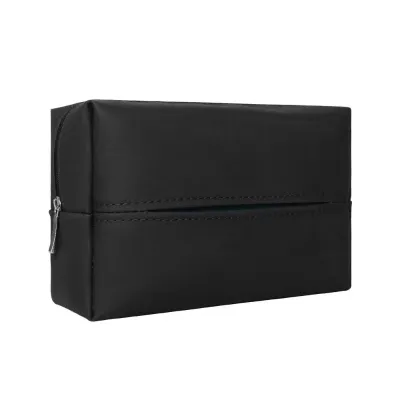
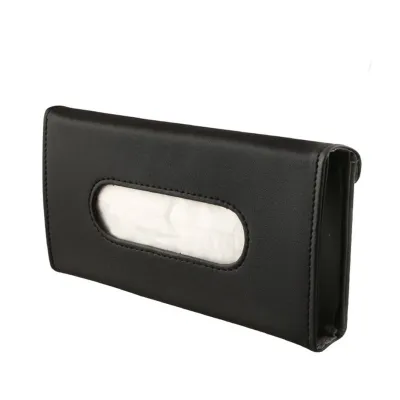

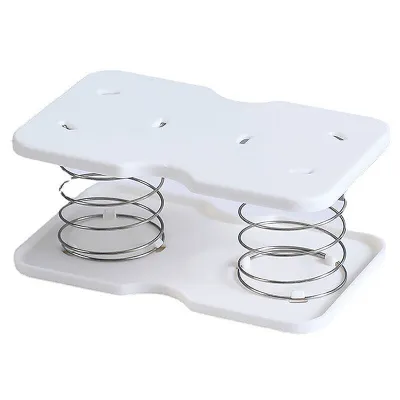

Prices are valid at publication and may change. Please refer to the product page for the latest price.
Finally, inspect the dashboard surface for integrated vehicle sensors. Many modern cars feature ambient light sensors for automatic headlights or solar load sensors for the climate control system near the base of the windshield. Placing a tissue box over these sensors can disrupt your vehicle’s automated systems. Take note of any steep dashboard curves or pre-existing anti-slip pads, as these will affect how flat the tissue box sits and whether it remains stable.
Select the Right Form Factor and Dimensions
Once you have your dashboard measurements, you can evaluate the different form factors of car tissue boxes available on the market. Low-profile, slim rectangular boxes are highly effective for dashboard placement because they distribute their volume horizontally rather than vertically. This design minimizes height, keeping the tissue box well below your phone mount’s line of adjustment and preventing it from creeping into your forward field of vision.

When comparing product dimensions, always add a clearance buffer of at least three to five centimeters around the tissue dispensing slot. This extra space ensures your hand can easily grab and pull a tissue without knocking into your phone mount or scraping your knuckles against the dashboard. If your dashboard space is exceptionally tight, a cylindrical tissue holder designed to fit into a cup holder or a slim visor-mounted case might be a more practical choice than a traditional rectangular box.
Material selection is another critical factor, especially under the intense heat of the Singapore sun. Cabin temperatures can rise significantly when parked outdoors, causing low-grade plastics to warp or release unpleasant odors. High-quality synthetic leather, heat-resistant ABS plastic, or heavy-duty fabric covers are generally more durable options. Synthetic leather offers a premium look that matches most car interiors while providing a textured surface that resists sliding, whereas fabric covers can be easily washed when they accumulate dust.
Ensure Safe Placement and Driving Visibility
Safety must always take priority when installing any aftermarket accessory on your dashboard. Your first step is to consult your vehicle’s owner manual to locate the exact deployment zones for all front airbags. Never place a tissue box, phone mount, or any other object on or near the passenger airbag cover on the dashboard. In the event of a collision, a deploying airbag can turn a loose tissue box into a dangerous high-speed projectile inside the cabin.
Furthermore, the height of the tissue box must not obstruct your line of sight. When seated in your normal driving position, you should have an unobstructed view of the hood’s edge, the road ahead, and all traffic signals. If you have to peer over or around the tissue box to see the road, the box is too tall or positioned too high on the console.
To prevent the tissue box from sliding during sudden braking or sharp turns, you must secure it using reliable mounting methods. Avoid using cheap, oily gel pads that can melt under high temperatures and leave permanent stains on your dashboard leather or plastic. Instead, opt for high-quality silicone anti-slip mats or heat-resistant, double-sided acrylic adhesive tapes designed specifically for automotive interiors. These adhesives provide a firm grip without damaging the underlying surfaces when removed.
Alternative Mounting Locations for Limited Dashboards
If your dashboard is too compact or already crowded with a phone mount, GPS unit, or dashcam, it is wise to explore alternative mounting locations. Door pockets are an excellent, out-of-sight option for storing slim tissue packs, keeping them within arm’s reach of the driver without cluttering the console. Alternatively, seat gap organizers that slot between the front seats and the center console can house both tissues and small personal items securely.
Sun visor tissue holders are another popular alternative, but they come with specific trade-offs. While they keep tissues easily accessible overhead, they can add significant weight to your sun visor. Over time, this extra weight can strain the visor’s hinges, causing it to sag or fail to stay flush against the headliner. Additionally, a visor-mounted holder can slightly reduce your upward visibility, which might be distracting for taller drivers.
For the best balance of accessibility and safety, consider mounting the tissue box on the armrest lid of the center console or using a strap-on holder attached to the back of the front passenger seat. The armrest location keeps tissues accessible to both the driver and front passenger without blocking any dashboard controls. Meanwhile, a seat-back pocket mount keeps the dashboard completely clear while ensuring passengers in the rear have easy access to tissues during long journeys.
Frequently Asked Questions (FAQ)
Can I use a standard home tissue box in my car?
Using a standard household tissue box in your car is generally not recommended due to size, safety, and durability issues. Home tissue boxes are typically made of thin cardboard that easily crushes, warps, or disintegrates when exposed to cabin humidity or accidental spills. They are also much bulkier than dedicated automotive tissue holders, meaning they are highly likely to block your phone mount or obstruct your view of the road. Furthermore, cardboard boxes lack any built-in mounting mechanisms, making them prone to sliding around the dashboard during transit.
How do I keep the tissue box from sliding on the dashboard?
To keep your tissue box securely in place, use a dedicated automotive anti-slip silicone mat or hook-and-loop fasteners with heat-resistant adhesive backing. Ensure the dashboard surface is thoroughly cleaned with a mild, interior-safe cleaner to remove any dust or dashboard protectant oils before applying the adhesive. For a non-adhesive solution, look for tissue boxes that feature weighted bases or integrated straps that can secure around the center console or passenger-side grab handles.
Will a leather tissue box crack in the hot sun?
Genuine leather can dry out, fade, and eventually crack when subjected to the intense heat and ultraviolet (UV) radiation of direct sunlight on a car dashboard. If you prefer the look of leather, opt for high-quality polyurethane (PU) synthetic leather, which is engineered to withstand high temperatures and UV exposure much better than natural leather. To extend the lifespan of any dashboard accessory, consider using a front windshield sunshade when parked outdoors, or apply a UV-protectant spray designed specifically for automotive interior materials.

Community discussion
Share your experience or ask a question. Comments are reviewed before publication.