
Choosing an effective car odour remover in Singapore requires looking beyond pleasant scents to understand how tropical heat and high humidity affect active ingredients. When a vehicle is parked under the direct sun, cabin temperatures can quickly escalate, transforming the interior into a high-heat chamber that accelerates chemical evaporation and degrades standard deodorising agents. At the same time, relative humidity levels often exceed 80 percent, creating an environment where moisture-loving bacteria and mould thrive in upholstery and carpets. Consequently, conventional air fresheners that merely mask smells with volatile oils tend to deplete rapidly or fail entirely, sometimes even presenting safety hazards like leakage or pressurised rupture.
Why Singapore's Climate Challenges Standard Car Odour Removers
The greenhouse effect inside a parked car is a primary driver of product failure. Glass windows trap solar radiation, raising interior temperatures far above the ambient outdoor temperature. In these conditions, liquid- and gel-based odour removers experience rapid, uncontrolled evaporation. The active ingredients are spent long before their advertised lifespan, leaving behind dry residues and a return of the original smells.
High humidity further complicates cabin air quality by trapping odour molecules. Instead of dispersing, smells cling to damp fabric seats, headliners, and floor mats. This constant moisture also fosters the growth of microbial colonies within the vehicle’s porous surfaces, creating a persistent, musty smell that simple masking agents cannot neutralise.
Products mentioned in this guide
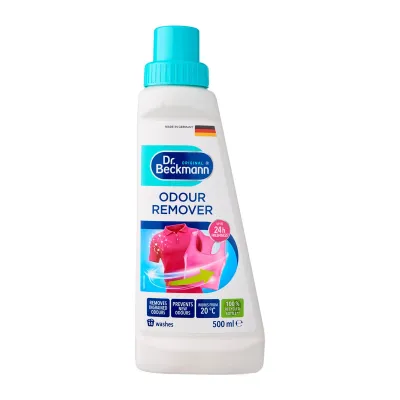

Prices are valid at publication and may change. Please refer to the product page for the latest price.
Furthermore, extreme heat can cause chemical alteration of active ingredients. Many standard deodorisers rely on complex organic compounds or enzymes to break down odour molecules. Intense heat can denature these enzymes or cause chemical breakdown of the active neutralising agents before they can interact with airborne pollutants, rendering the product chemically inactive.
Evaluating Odour Remover Types for High Heat and Humidity
To select a product that survives these harsh conditions, car owners must evaluate options based on four key criteria: evaporation rate, heat stability, moisture resistance, and safety in enclosed spaces. A product that performs well in a temperate climate may fail or become hazardous when subjected to Singapore’s unique environmental stresses.

Vehicle usage patterns also dictate the best choice. For daily commuters who run the air conditioning frequently, certain semi-solid or active spray treatments are highly effective. Conversely, weekend cars that remain parked in unshaded areas for days require passive, highly stable absorbers that do not rely on airflow or risk melting under extreme heat.
Charcoal and Bamboo Absorbers
Activated charcoal and bamboo carbon bags offer a passive, non-chemical approach to odour control that is highly stable in hot environments. These materials work through physical adsorption, trapping odour molecules and moisture within microscopic pores. Because they do not rely on volatile liquids or chemical reactions, they carry zero risk of heat-induced breakdown, leakage, or explosion in a hot cabin.
However, high ambient humidity presents a specific limitation: the charcoal pores can quickly become saturated with water molecules, reducing their capacity to adsorb odour-causing compounds. To maintain effectiveness, these absorbers require regular recharging by placing them in direct sunlight outside the car for a few hours, which coaxes the trapped moisture to evaporate and frees up the microscopic pores.
When purchasing these products, it is important to inspect the outer packaging. Ensure the bags feature durable, tightly woven, dust-proof barriers. Low-quality stitching or thin fabrics can allow fine carbon dust to escape, settling onto seats and dashboard surfaces and creating a difficult-to-clean mess.
Gel, Solid, and Bead Fresheners
Gel-based and polymer bead fresheners are popular for their steady release of deodorising agents, but they struggle significantly under intense heat. High cabin temperatures accelerate the melting and shrinking process, causing the carrier medium to dry out rapidly. A product designed to last a month in temperate conditions may shrink to a useless, hardened block within a week when parked outdoors.
Beyond rapid depletion, melted gels pose a direct physical threat to the vehicle’s interior. If a gel liquefies completely under extreme heat, it can leak through container vents. These concentrated chemical mixtures can cause permanent discolouration, bubbling, or cracking when they come into contact with dashboard plastics, leather upholstery, or sensitive electronic components.
If you choose to use gels or solids, strategic placement is essential. Avoid placing them on the dashboard or near air conditioning vents where they are exposed to direct sunlight or rapid temperature swings. Instead, position them in shaded, low-lying areas of the cabin where temperatures remain slightly lower and more stable.
Aerosol and Liquid Sprays
Pressurised aerosol cans represent a severe safety hazard if left inside a vehicle parked in the sun. The pressure inside these cans increases exponentially as the cabin heats up, creating a genuine risk of explosion that can shatter windows and destroy the dashboard. Aerosol odour removers should never be stored permanently inside the vehicle.
Liquid trigger sprays, on the other hand, are highly effective when used as active, targeted treatments rather than passive, continuous solutions. The correct method involves spraying the product directly onto affected areas, allowing it to work, and then thoroughly ventilating the cabin with the doors open. This approach ensures the active ingredients target the source of the smell without leaving chemical residues to bake in the heat.
When selecting a liquid spray, check the product label for heat-stable active ingredients and material compatibility. Look for enzymatic cleaners or zinc-based neutralisers that physically bind to odour molecules, and ensure they are authorized for use on your specific interior materials. Avoid formulas with high concentrations of volatile alcohols, which evaporate too quickly in hot cabins to provide any lasting deodorising effect.
Electronic and Ozone Generators
Electronic air purifiers, such as ionisers and ozone generators, offer a modern alternative that neutralises odours at the molecular level. Because they do not rely on consumable gels or liquids, their performance does not degrade in high heat. These devices work by releasing charged ions or ozone molecules that actively break down organic compounds and bacteria in the air.
However, ozone is a powerful oxidising agent that can be harmful to human health and pet respiratory systems in high concentrations. It is critical to follow manufacturer safety guidelines strictly, operating these devices only when the vehicle is unoccupied and ensuring the cabin is thoroughly ventilated before anyone enters. Prolonged exposure to high ozone levels can also degrade natural rubber seals and certain interior plastics over time.
Additionally, electronic devices depend on the vehicle’s electrical system. While some run on rechargeable batteries, others plug into the 12V accessory socket. Users must verify vehicle documentation to ensure these devices do not continue to draw power when the engine is switched off, as a continuous drain can deplete the car battery, especially during extended parking periods.
Safety and Interior Protection in Parked Cars
Protecting your vehicle’s interior requires establishing a strict “no-leave” policy for certain types of odour removers. Pressurised aerosol cans, highly flammable alcohol-based liquid bottles, and cheap, uncertified electronic devices housed in thin plastics should never be left inside a parked car. The combination of intense heat and UV exposure can cause these items to rupture, leak, or malfunction, leading to costly repairs.
Chemical leaks from low-quality air fresheners can cause severe, irreversible damage to interior surfaces. Watch for early warning signs such as sticky residues around the product housing, discolouration of dashboard plastics, or warping of nearby trim. If a spill occurs, it must be cleaned immediately with a damp microfiber cloth and a mild, material-safe cleaner to prevent the chemicals from eating into the surface.
Safe placement is key to preventing both chemical damage and physical injury. Recommended locations include under the front seats, inside cup holders equipped with spill-proof guards, or tucked securely into seat-back pockets. Always avoid placing any object on top of or near airbag deployment zones, such as the steering wheel hub or the passenger-side dashboard, as these can become dangerous projectiles in an accident.
Maintenance and Source Control for Lasting Freshness
Relying solely on odour removers is a temporary fix; true cabin freshness requires addressing the root causes of smells, which are heavily exacerbated by Singapore’s climate. The cabin air filter is the first line of defence against airborne contaminants. Over time, it traps dust, pollen, and moisture, creating a breeding ground for mould spores that blow directly into the cabin when the air conditioning is turned on. Inspect and replace this filter according to your vehicle manufacturer’s recommended intervals.
Moisture control is equally vital in preventing musty odours from developing. Placing dedicated silica gel dehumidifier bags in the footwells or under the seats helps pull excess moisture out of the air, keeping relative humidity levels inside the parked car manageable. Additionally, running the car’s air conditioning system on “fresh air” mode for the last few minutes of a drive can help dry out the evaporator core, preventing the buildup of smelly mould and mildew.
Finally, establish an immediate cleanup protocol for everyday moisture sources. Wet umbrellas, damp floor mats from sudden tropical downpours, and organic spills must be dried or cleaned immediately. Leaving a damp item in a closed, hot car creates a greenhouse effect that accelerates bacterial growth within hours, leading to deep-seated odours that are incredibly difficult to remove.
Frequently Asked Questions (FAQ)
Can I leave a car perfume or odour remover on the dashboard?
Leaving any car perfume, gel, or liquid odour remover on the dashboard is highly discouraged due to the extreme environmental exposure. The dashboard receives the highest concentration of direct ultraviolet (UV) radiation and heat, which rapidly degrades the product’s active ingredients and shortens its lifespan. Furthermore, glass or clear plastic housings can act as magnifying glasses, focusing sunlight onto interior surfaces and creating a localized fire hazard. There is also a significant risk of chemical leakage onto sensitive dashboard electronics, and placing items here can interfere with passenger airbag deployment zones.
How often should I recharge or replace my car odour remover in a humid climate?
In a hot and humid climate like Singapore’s, manufacturer-stated lifespans on packaging are rarely accurate, as they are typically calculated under temperate conditions. High heat and constant moisture exposure accelerate the depletion of active ingredients, meaning a product rated for sixty days may only remain effective for three to four weeks. To determine when a replacement is needed, look for observable signs of exhaustion: gel-based products will shrink to a fraction of their original size and harden, liquid diffusers will empty completely, and charcoal bags will feel noticeably heavier, indicating they have reached their moisture saturation limit and require sun-recharging.

Community discussion
Share your experience or ask a question. Comments are reviewed before publication.