
Maintaining correct tire pressure is one of the most straightforward yet critical aspects of vehicle safety and efficiency. Using an air compressor to check and adjust your tires ensures your vehicle handles predictably, stops effectively, and achieves optimal fuel economy. Because tires are safety-critical components, always consult your vehicle’s original owner’s manual and tire documentation before performing any maintenance. If you observe severe tire damage, uneven wear patterns, or persistent warning lights, seek assistance from a qualified automotive professional. This guide outlines how to safely operate an air compressor to verify and adjust your tire pressure to meet manufacturer specifications.
Understanding Your Vehicle's Recommended Tire Pressure
To begin, you must identify the precise tire pressure recommended by your vehicle’s manufacturer. This specification is not a generic number, nor is it determined by the tire brand itself. Instead, it is calculated by the vehicle manufacturer based on the car’s weight, suspension design, and load capacity.
You can typically find this information on the tire information placard, which is commonly a bright sticker located on the driver-side door jamb. If it is not present there, check the inside of the fuel filler door, the glove box door, or consult the vehicle’s owner’s manual. This placard lists the recommended inflation pressure for both the front and rear tires, which may sometimes differ, as well as the spare tire.
Products mentioned in this guide
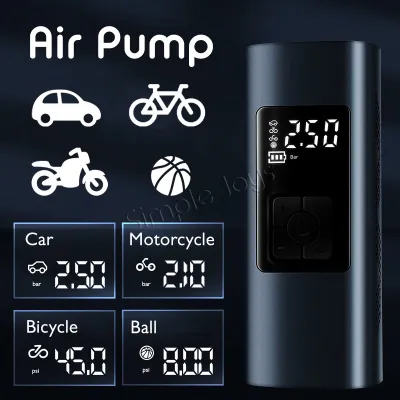
![[✅SG Ready Stock] 10000mAh Electric Air Compressor Inflator Car Or Bicycle Pump Wireless Air Pump Car Air Pump Tyre Pump](https://img.lazcdn.com/g/p/f0221063150bd090a973b049b20672b9.png_400x400q80.png_.webp)
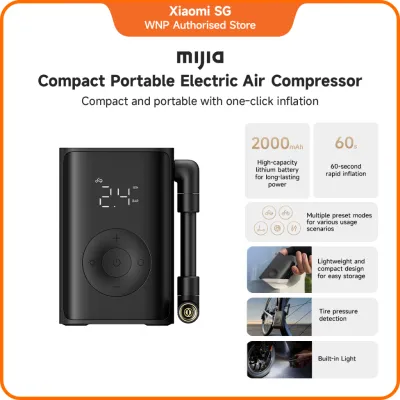
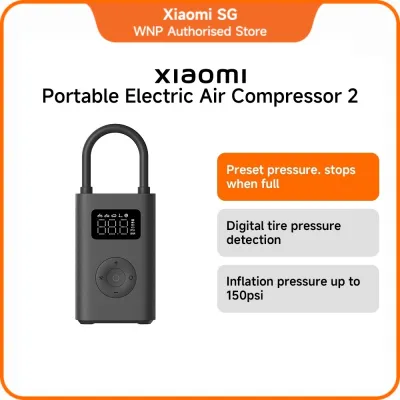
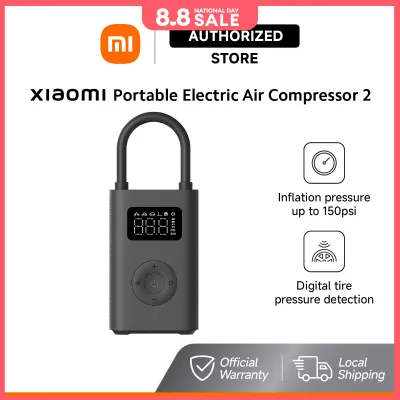
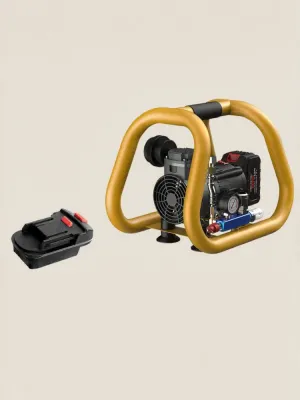
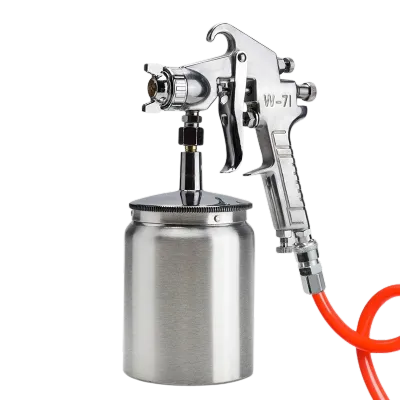
Prices are valid at publication and may change. Please refer to the product page for the latest price.
A common mistake is inflating tires to the pressure molded onto the tire sidewall itself. This number represents the maximum inflation limit that the tire can safely hold under maximum load, not the recommended operating pressure for your specific vehicle. Overinflating tires to this maximum limit can lead to a harsh ride, accelerated center-tread wear, and reduced traction on the road.
For an accurate reading, always check and adjust tire pressure when the tires are “cold.” Cold pressure refers to tires that have sat stationary for at least three hours, or have been driven less than two kilometers at moderate speeds. Driving heats up the air inside the tires, causing it to expand and temporarily raise the pressure reading. Adjusting pressure when the tires are hot can lead to underinflation once they cool down.
Tools and Equipment Needed for the Job
Having the right equipment ensures the inflation process is safe, accurate, and efficient. The primary tool required is an air compressor. For residential use, portable 12-volt air compressors that plug into your vehicle’s accessory outlet are highly popular due to their compact size and convenience during roadside emergencies. Alternatively, stationary garage compressors powered by standard household electrical outlets offer higher air volume and faster inflation times.

While many air compressors feature built-in pressure gauges, these integrated dials can sometimes be difficult to read or lose calibration over time. It is highly recommended to use a reliable, standalone tire pressure gauge to verify your readings. Digital gauges provide clear numerical readouts, while traditional dial or pencil-style gauges are durable and do not rely on battery power.
Additionally, keep basic safety gear and valve stem accessories on hand. Safety glasses protect your eyes from flying debris or dust when releasing air from the valve stem. A valve core tool is useful if you need to replace a leaking valve core, and a simple tread depth gauge allows you to perform a concurrent check of your tire’s tread wear while you are addressing the inflation levels.
Step-by-Step Guide to Checking and Inflating Your Tires
Before starting, prepare your vehicle and work area to ensure safety. Park the vehicle on a flat, level surface away from traffic, engage the parking brake fully, and turn off the engine. If you are using a portable 12-volt compressor, plug it into the vehicle’s accessory socket and start the engine to prevent draining the car battery during the inflation process. Lay out the compressor hose so it easily reaches all four tires without stretching or pulling.
Begin with the first tire by unscrewing the plastic valve stem cap. Place the cap in a secure location, such as your pocket or the vehicle’s console, so it does not roll away or collect dirt. Inspect the valve stem briefly to ensure it is clean, straight, and free of visible cracks or dry rot.
Take your standalone tire pressure gauge and press it firmly onto the valve stem. You may hear a brief hiss of escaping air before the gauge seals completely. Hold the gauge straight on the stem to get an accurate reading, then note the current pressure. Compare this measurement against the manufacturer’s recommended cold pressure from your door jamb placard.
If the tire pressure is below the recommended level, prepare your air compressor. Attach the compressor’s air chuck to the valve stem, ensuring the locking lever, if equipped, is fully engaged to prevent air leaks. Turn on the compressor and allow it to run, adding air in short bursts of roughly ten to fifteen seconds.
Turn off the compressor and remove the air chuck to recheck the pressure with your standalone gauge. Repeating this measurement prevents overinflation, as the compressor’s active line pressure can distort the reading while the machine is running. Continue this cycle of adding air and verifying the pressure until the tire reaches the exact target specification.
If you accidentally overinflate the tire, use the small nipple on the back of your tire gauge or a small tool to gently depress the center pin of the valve core. This action releases excess air in controlled bursts. Recheck the pressure frequently until the reading matches the recommended value. Once complete, screw the valve stem cap back on securely to protect the internal valve core from moisture, road salt, and debris. Repeat this entire process for the remaining three tires and the spare tire.
Troubleshooting Common Air Compressor and Tire Issues
During the inflation process, you may encounter minor technical challenges. A frequent issue is an air leak occurring at the valve stem connection while inflating. This is often caused by an improperly aligned air chuck or a worn rubber seal inside the chuck itself. Try removing the chuck, checking for debris, and reattaching it at a perfectly perpendicular angle to the valve stem.
If your air compressor runs continuously but fails to build adequate pressure in the tire, check the hose connections for leaks. Ensure the hose is tightly threaded into the compressor body and that there are no visible punctures or kinks along the line. For portable units, a low vehicle battery or a loose 12-volt plug connection can also reduce the compressor’s motor speed and output.
A compressor that shuts off prematurely may be triggering its internal thermal overload protection. Portable inflators often have strict duty cycles, meaning they require cool-down periods after a set amount of continuous operation. If the unit stops, turn it off, disconnect it from the power source, and allow it to cool completely before resuming.
If you notice air continuously hissing from the valve stem even after removing the compressor chuck, the valve core may be damaged or loose. You can use a valve core tool to gently tighten the core clockwise. If the leak persists, or if you discover a slow puncture caused by an embedded nail or screw, do not attempt to inflate the tire repeatedly; instead, seek professional repair at a qualified tire service center.
Best Practices for Ongoing Tire Maintenance and Safety
Establishing a consistent routine for tire maintenance is essential for long-term vehicle safety and tire longevity. It is highly recommended to check your tire pressure at least once a month, as tires naturally lose a small amount of air over time through microscopic pores in the rubber. Additionally, always check the pressure before embarking on long road trips or when carrying heavy loads.
While checking the pressure, take a moment to perform a thorough visual inspection of each tire. Look for signs of uneven tread wear, which can indicate alignment or suspension issues. Examine the sidewalls for bulges, cuts, cracks, or embedded objects like nails or glass. These physical defects compromise the structural integrity of the tire and increase the risk of a sudden blowout.
There are certain conditions where DIY inflation is no longer safe or sufficient. If you observe visible cord or steel belt damage, severe sidewall cracking, or if a tire experiences rapid air loss shortly after inflation, stop driving on the tire immediately. Furthermore, if your vehicle’s Tire Pressure Monitoring System (TPMS) warning light remains illuminated after you have verified all tires are at the correct pressure, consult a qualified mechanic to inspect the sensors or diagnose potential underlying issues.
Frequently Asked Questions (FAQ)
Can I use a bicycle pump or a small portable inflator instead of a standard air compressor?
Yes, you can use alternative inflation devices, but they come with significant practical limitations. A standard bicycle floor pump can technically inflate a car tire because it is capable of reaching the required pressures, but the high volume of air inside a car tire means doing so manually requires extreme physical effort and a substantial amount of time. Small 12-volt portable inflators are highly convenient for minor top-ups, but they have limited duty cycles. Running a small portable inflator continuously to fill multiple flat or severely underinflated car tires can easily cause the unit to overheat and fail. For major adjustments, a standard garage air compressor is much more efficient and reliable.
How does ambient temperature affect my tire pressure readings?
Ambient temperature has a direct physical effect on the air pressure inside your tires. As a general rule of physics, air contracts when cooled and expands when heated. This means that for every change in ambient temperature, your tire pressure will fluctuate accordingly, typically dropping in colder weather and rising in warmer conditions. Because of this natural variation, vehicle manufacturers base their recommended tire pressure specifications on cold ambient conditions. To maintain safety throughout seasonal transitions, check your tire pressure more frequently during sudden temperature drops to ensure your tires remain properly inflated without relying on complex mathematical compensation formulas.

Community discussion
Share your experience or ask a question. Comments are reviewed before publication.