
Choosing the right full-surround floor mats for your Honda Fit depends entirely on your daily driving habits, aesthetic preferences, and budget. There is no single brand profile that serves every driver perfectly. For those prioritizing maximum durability, water containment, and effortless cleaning, custom-molded Thermoplastic Elastomer (TPE) brands offer the most practical solution. Conversely, if you want to elevate your hatchback’s cabin with a luxury look and cushioned feel, premium multi-layer leatherette brands are the ideal choice.
Before purchasing any aftermarket floor mats, you must verify your vehicle’s exact generation and chassis code. The Honda Fit has gone through several design evolutions, including the popular second-generation (GE), third-generation (GK), and fourth-generation (GR) models. Because the floor pan layout, seat rail positions, and fuel lid release latches vary significantly between these generations, a full-surround mat designed for one chassis will not fit another. Additionally, ensure you select a Right-Hand Drive (RHD) configuration, as many international listings default to Left-Hand Drive layouts.
Key Dimensions for Comparing Honda Fit Floor Mat Brands
When evaluating different floor mat brands for your Honda Fit, fitment accuracy is the most critical factor. True 3D custom-molded mats are designed using laser-scanning technology to map the exact contours of the Fit’s footwells. These mats snap into place and hug the walls of the footwell with high precision. In contrast, semi-universal or trim-to-fit mats require manual cutting with shears. While cheaper, semi-universal options inevitably leave gaps where dirt, sand, and spilled liquids can seep through to the original carpet.
Products mentioned in this guide
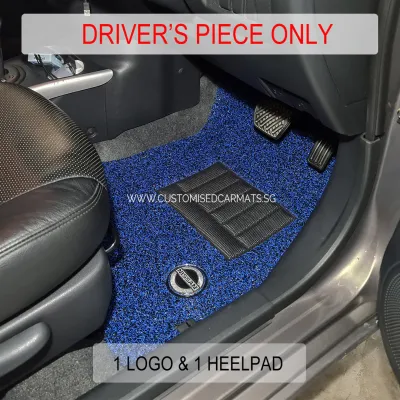
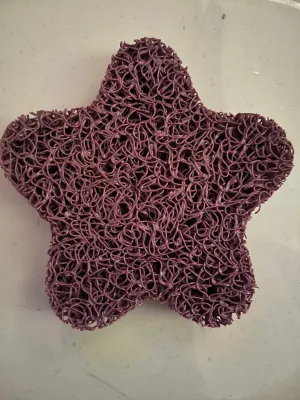
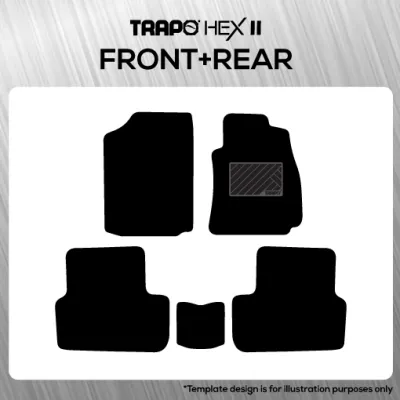
Prices are valid at publication and may change. Please refer to the product page for the latest price.
Coverage and lip height determine how well a mat protects your interior from messy spills and debris. High-quality full-surround brands feature raised outer walls, often measuring between two to five centimeters in height. This raised lip acts as a tray to contain liquid spills, which is especially useful during heavy downpours. Pay close attention to how well a brand covers the driver’s left-foot dead pedal, the high transmission tunnel hump in the rear passenger area, and the spaces directly beneath the front seats.
Another essential consideration is how the mats handle the Honda Fit’s unique rear seating arrangement. The Fit is famous for its versatile rear seats, which can fold completely flat or flip upward. The brackets and locking mechanisms for these seats are anchored directly to the floor. Premium custom-molded brands design their rear mats with precise cutouts that allow the seat brackets to function smoothly without pinching or bunching the material.
Retention and anti-slip features are vital for keeping the mats firmly anchored. The driver-side footwell of the Honda Fit comes equipped with factory floor clips to prevent the mat from sliding forward. High-quality aftermarket brands feature built-in retention grommets that click directly onto these factory clips. Furthermore, look for brands that utilize specialized anti-slip backing materials, such as micro-hook fibers or textured nibs, which grip the underlying carpet securely without damaging its fibers.
Material Routes: Comparing TPE, Leatherette, and Rubber Options
Thermoplastic Elastomer (TPE) has become highly popular for modern automotive floor mats. This material combines the durability of industrial plastic with the flexibility of rubber. TPE mats are completely odorless, non-toxic, and highly resistant to extreme temperatures. This temperature stability is particularly beneficial when parking your car in open-air spaces under intense sunlight, as low-quality plastics can emit unpleasant chemical fumes when heated. TPE mats do not curl or harden over time, and they can be easily pulled out of the car and hosed down with water.

Stitched leatherette mats, which typically feature an XPE (Cross-linked Polyethylene) foam core, offer a completely different aesthetic. These mats consist of a top layer of synthetic polyurethane leather, a middle cushioning layer of foam, and a bottom anti-slip backing. They provide a plush, luxury appearance that can instantly upgrade the interior of a standard Honda Fit. The foam core also provides excellent sound dampening, reducing road noise entering through the floorboards. However, the decorative stitching on these mats can trap fine dust and liquid, and the synthetic leather surface may show signs of wear and tear under heavy heel friction over time.
Traditional rubber and Thermoplastic Polyolefin (TPO) blends represent a heavy-duty, utilitarian option. These mats are thick, highly flexible, and excellent at trapping mud, sand, and water within deep molded channels. They are incredibly rugged and virtually indestructible, making them a favorite for drivers who frequently transport outdoor gear or pets. The trade-off is that heavy rubber mats are significantly heavier than TPE or XPE options, making them more cumbersome to remove for cleaning, and they rarely offer the high-walled, seamless aesthetic of modern 3D-scanned mats.
Safety Boundaries and Fitment Verification
Safety must be your absolute priority when installing any aftermarket floor mats. A loose or poorly fitting driver-side mat can slide forward and trap the accelerator or brake pedal, leading to a dangerous loss of vehicle control. Before driving with new mats, perform a strict physical clearance check. With the engine turned off, fully depress both the accelerator and brake pedals to their absolute limits. Ensure there is a clear gap between the pedals and the edge of the mat, and verify that the pedals do not catch on the mat’s surface when released.
Additionally, check for interference with the front seat tracks and the center console. Because full-surround mats feature high side walls, they can sometimes rub against the plastic trim of the center console or block the metal rails of the front seats. Slide both front seats fully forward and backward to ensure they move smoothly along their tracks without binding against the mat. If the mat bunches up or prevents the seat from locking into its detents, it must be adjusted or trimmed according to the manufacturer’s guidelines.
Always follow the specific brand’s installation instructions carefully. A critical safety rule is to never stack aftermarket floor mats on top of your factory carpet mats. Stacking reduces the clearance around your pedals and prevents the safety retention clips from locking the mat in place. Always remove all existing floor mats down to the vehicle’s bare carpet before installing your new full-surround mats. If you notice the mat shifting, warping, or lifting during daily use, stop using it immediately and consult the manufacturer or a professional installer.
Decision Framework: Matching Mat Profiles to Your Needs
To make the right choice for your Honda Fit, match your driving environment and lifestyle to the appropriate mat profile:
- Choose Custom-Molded TPE Brands if: You use your Honda Fit as a daily family commuter, frequently carry wet umbrellas or muddy shoes, and want a highly hygienic, low-maintenance mat that can be cleaned in minutes. These mats offer the best balance of long-term durability and precise edge-to-edge protection.
- Choose Premium Leatherette/XPE Brands if: You want to elevate your car's interior styling, match your leather upholstery, and enjoy a quieter, more cushioned ride. These mats are ideal for drivers who prioritize cabin aesthetics and are comfortable performing regular light cleaning with a damp microfiber cloth.
- Choose Budget Universal-Trim Brands if: You are looking for a temporary, low-cost barrier for a short-term vehicle ownership or rental, and you do not mind spending the time to manually measure, cut, and secure the mats yourself.
- Verify First if: You are purchasing from online marketplaces. Always cross-reference the product listing with your exact Honda Fit model year, chassis code (such as GK3, GK5, or GR3), and confirm that the product is specifically designed for Right-Hand Drive (RHD) vehicles to avoid costly return shipping and fitment issues.
Frequently Asked Questions (FAQ)
Do full-surround mats interfere with the Honda Fit's factory floor clips?
High-quality, custom-molded full-surround mats are specifically engineered to integrate seamlessly with the Honda Fit’s factory floor clips. These mats feature built-in retention grommets or twist-lock cutouts in the exact positions of the floor anchors on the driver’s side. When purchasing, always check the product images and descriptions to confirm that the mats include these safety retention points. Avoid any brand that covers up the factory clips or requires you to cut your own holes, as this can compromise the secure positioning of the mat.
How should I clean and maintain leatherette full-surround mats?
To maintain the appearance and longevity of stitched leatherette mats, clean them using a soft, damp microfiber cloth and a mild, pH-neutral interior car cleaner. Gently wipe down the surface to remove dust and light dirt. Avoid using harsh chemical solvents, bleach, or high-pressure water hoses, as excessive moisture can seep through the decorative stitching and saturate the inner foam core, leading to mold and unpleasant odors. Allow the mats to air dry completely in a shaded, well-ventilated area before reinstalling them in your vehicle.

Community discussion
Share your experience or ask a question. Comments are reviewed before publication.