
Quick Answer: Which Navigation Setup Fits Your Driving Needs?
Navigating Singapore’s highly dense, fast-paced road network requires absolute precision. Drivers must constantly negotiate changing traffic patterns, sudden lane closures, and the ubiquitous Electronic Road Pricing (ERP) gantries. In this environment, choosing the right navigation setup is not just a matter of convenience; it directly impacts your travel time, monthly driving expenses, and overall safety. The debate typically comes down to two primary options: securing your smartphone using a handphone mount for car to run navigation apps, or relying on a dedicated built-in car GPS system.
For most drivers in Singapore, utilizing a handphone mount for car paired with dynamic navigation apps is the most practical and cost-effective choice. This setup offers unmatched real-time traffic data, crowd-sourced road alerts, and automated ERP-optimized routing that adapts instantly to changing toll rates. Conversely, a built-in car GPS system remains the superior option for motorists who prioritize a clean, clutter-free dashboard aesthetic, seamless vehicle integration, and robust hardware that is immune to the intense tropical heat of Singapore. Your ultimate choice depends on your daily driving habits, budget, and tolerance for dashboard clutter.
Cost and Installation: Upfront Price vs Long-Term Value
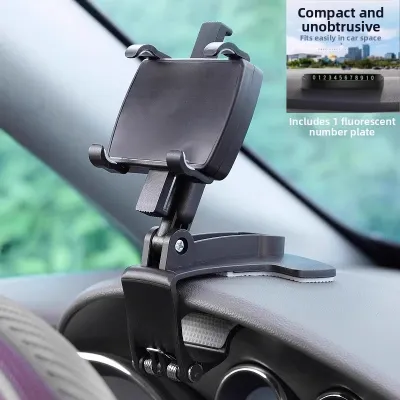
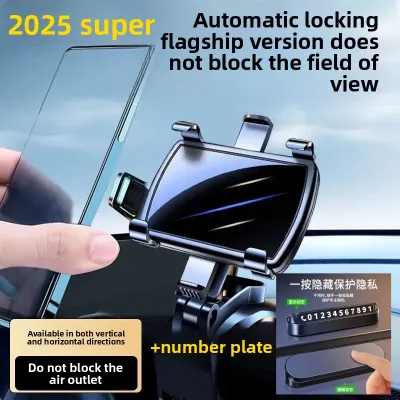
When evaluating the financial commitment of these two navigation paths, the differences in upfront costs and long-term value are stark. A handphone mount for car represents an incredibly low-cost entry point. High-quality, durable mounts—whether they utilize magnetic attachments, gravity clamps, or vacuum suction cups—typically fall into a broad price band of S$15 to S$50. Because this setup leverages the powerful smartphone hardware you already own, there are no additional device costs. Installation is entirely tool-free and can be completed in seconds by the driver, making it a highly accessible, reversible modification.
Products mentioned in this guide
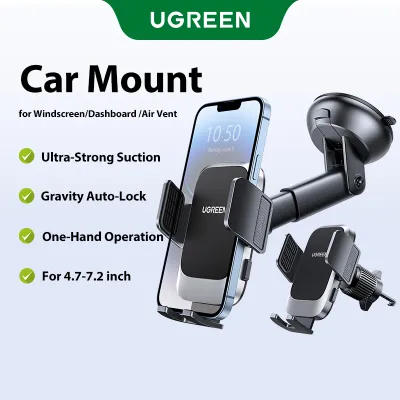

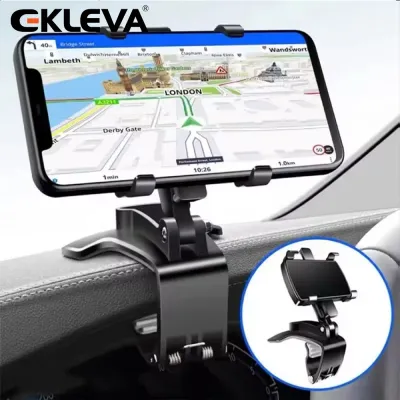

Prices are valid at publication and may change. Please refer to the product page for the latest price.

In contrast, a built-in car GPS system involves a much higher financial barrier. If your vehicle did not come equipped with factory navigation, retrofitting a dedicated GPS head unit or an integrated infotainment screen can cost anywhere from several hundred to over a thousand Singapore dollars. This process is far from simple; it often requires complex electrical work, dashboard disassembly, and integration with the vehicle’s existing wiring harness. To prevent damage to your car’s electrical system, ensure road legality, and avoid voiding your manufacturer’s warranty, you must consult your original-vehicle instructions and seek qualified professional installation before purchasing any aftermarket hardware.
Additionally, if you choose a phone mount that uses dashboard adhesives, always check the adhesive product’s label and your vehicle’s interior care instructions. Some adhesives can permanently damage or discolor delicate leather, vinyl, or soft-touch plastics if applied incorrectly.
Beyond the initial setup, long-term maintenance costs also diverge. Smartphone navigation apps receive continuous, free map updates and feature enhancements over the air. Built-in GPS systems, particularly older or proprietary factory units, frequently require manual map updates. These updates often come in the form of paid SD cards or dealer-installed software packages that can cost a significant amount annually. Over the lifespan of the vehicle, the compounding costs of keeping a built-in system updated, alongside the risk of expensive screen or hardware replacements if the unit fails, make the humble phone mount the clear winner for long-term value.
Real-Time Traffic, ERP Routing, and Map Updates
Singapore’s urban infrastructure is exceptionally dynamic. New housing estates in areas like Tengah and Bidadari emerge rapidly, bringing new roads, slip roads, and traffic lights online. Simultaneously, temporary road diversions due to major infrastructure projects, such as the construction of the North-South Corridor, can alter daily commutes overnight. Navigating this landscape successfully requires a system that updates its mapping data in real time.
Smartphone navigation apps excel in this arena due to their cloud-connected, crowd-sourced nature. Apps like Google Maps and Waze collect anonymous speed data from thousands of active users on the road, allowing them to detect traffic jams, accidents, and road hazards seconds after they occur. For Singaporean drivers, the most critical feature is often ERP routing. Phone apps can calculate routes that actively avoid active ERP gantries during peak hours, or compare the cost of paying a toll versus taking a slightly longer, toll-free route. This dynamic cost-benefit analysis can save drivers hundreds of dollars in ERP charges over the course of a year.
Built-in car GPS systems, unless they are high-end modern units equipped with an active, paid mobile data subscription, struggle to match this level of responsiveness. Many built-in systems rely on static, pre-loaded maps stored on internal hard drives or memory cards. While they can calculate routes using satellite signals, they remain blind to sudden traffic build-ups, accidents, or real-time ERP rate changes. A route that was clear an hour ago could become a bottleneck, and without live data, a built-in system will guide you straight into a traffic jam or an expensive active ERP zone.
Furthermore, the frequency of map updates is a major differentiator. While phone apps update their databases silently in the background almost daily, built-in systems often lag behind by months or even years. Driving with outdated maps in a rapidly developing city-state like Singapore can lead to missed exits, illegal turns on newly reconfigured roads, and unnecessary driving stress.
Safety, Ergonomics, and the Local Climate
Operating a vehicle safely in Singapore’s tight lanes and heavy traffic demands strict adherence to safety boundaries. When installing a handphone mount for car, you must verify your specific vehicle model, year, interface, dimensions, mounting position, and safety impact from the specific product and vehicle documentation. Never infer compatibility or safety simply from a generic category term. It is critical to consult your vehicle’s original documentation to ensure that the mount and the phone do not obstruct your clear view of the road, block essential dashboard controls, or interfere with the deployment of steering wheel, passenger-side, or side-curtain airbags. A poorly placed mount can turn a mobile device into a dangerous projectile in the event of a collision.
From an ergonomic standpoint, built-in GPS systems offer a highly integrated experience. They typically feature larger, high-resolution screens positioned at an optimal viewing angle by the vehicle manufacturer. Because they integrate directly with the car’s audio system, navigation prompts will automatically lower the volume of your music, ensuring you never miss a turn. This seamless integration minimizes cognitive load and reduces the temptation to touch the screen while driving, which is a serious safety hazard and a legal offense under Singapore’s strict traffic laws.
However, the most significant physical challenge for phone navigation in Singapore is the local tropical climate. The intense, year-round sunlight and high ambient temperatures can quickly turn your car’s cabin into an oven. When a smartphone is mounted on the windshield or dashboard under direct sunlight, it is subjected to extreme thermal stress. Running intensive GPS processing, keeping the screen at maximum brightness, and charging the battery simultaneously generates immense internal heat. This frequently leads to thermal throttling, where the phone dims its screen to unreadable levels, stops charging, or shuts down entirely to protect its battery.
Built-in automotive GPS hardware is specifically engineered to withstand these extreme cabin temperatures. These systems utilize heavy-duty thermal management, automotive-grade components, and ventilation systems that ensure reliable operation even on the hottest afternoon. They do not suffer from battery degradation or thermal shutdowns, making them incredibly reliable partners for long, uninterrupted journeys.
Feature Comparison: Phone Mount vs Built-in GPS
To help you quickly evaluate both options, the table below summarizes the key decision dimensions based on general technology capabilities and practical driving conditions in Singapore.
| Feature | Handphone Mount + Phone Navigation | Built-in Car GPS System |
|---|---|---|
| Upfront Cost | Low (S$15 – S$50 for the mount) | High (Included in car price or S$500+ retrofit) |
| Real-Time Traffic & Alerts | Excellent (Crowd-sourced, instant updates) | Limited (Requires active data subscription) |
| ERP Routing & Optimization | Highly dynamic (Avoids active gantries) | Static (Rarely accounts for real-time toll rates) |
| Map Update Frequency | Continuous (Automatic background updates) | Infrequent (Manual, often requires paid updates) |
| Climate Resilience | Low (High risk of phone overheating) | High (Engineered for extreme cabin heat) |
| Dashboard Aesthetics | Cluttered (Visible wires, brackets, suction marks) | Clean (Seamlessly integrated into the dashboard) |
| Audio Integration | Variable (Depends on Bluetooth connection) | Perfect (Automatic music dimming during prompts) |
| Offline Reliability | Moderate (Requires cellular signal for maps) | Excellent (Relies entirely on satellite signals) |
How to Choose: Decision Framework for Drivers
To make an final decision, you must evaluate your personal driving habits, vehicle compatibility, and long-term priorities.
Choose a handphone mount for car if:
- You primarily drive during peak hours and need real-time ERP avoidance and crowd-sourced traffic alerts to navigate around congestion.
- You want a highly cost-effective solution that requires zero technical installation or modifications to your vehicle's dashboard.
- You change vehicles frequently, drive a rental car, or use car-sharing services, where a portable mount is the only viable option.
- You want access to the latest app features, search capabilities, and point-of-interest updates without paying for proprietary map packages.
Choose a built-in car GPS system if:
- You prioritize a clean, minimalist interior aesthetic with no visible wires, suction marks, or brackets cluttering your dashboard.
- You frequently drive long distances, such as cross-border road trips up to Malaysia, where continuous phone navigation can drain your battery, consume expensive roaming data, and cause severe phone overheating.
- You prefer a larger, factory-integrated screen that seamlessly dims your music during voice prompts and operates reliably regardless of cabin temperature.
- Your vehicle is already equipped with a modern, connected infotainment system that supports over-the-air map updates and live traffic feeds.
Before making any purchase, always verify the mounting regulations in Singapore and check your vehicle’s user manual to identify safe mounting zones. If you decide to upgrade your vehicle with an aftermarket built-in GPS head unit, remember that complex electrical modifications should always be handled by a qualified professional to ensure road legality and vehicle safety.
Frequently Asked Questions (FAQ)
Is it legal to use a handphone mount for car in Singapore?
Yes, using a handphone mount for car is legal in Singapore, but it must be positioned safely. Under local traffic regulations, the mount and the phone must not obstruct the driver’s clear view of the road, block the windshield, or interfere with the deployment of airbags. Additionally, drivers are strictly prohibited from holding a mobile device while the vehicle is in motion. To remain compliant, ensure your destination is set before you begin your journey, and use voice commands or hands-free controls if you need to interact with the navigation app while driving.
Does built-in car GPS work without a mobile data connection?
Yes, built-in car GPS systems typically rely on pre-loaded map data stored on internal memory and connect directly to GPS satellites to determine your vehicle’s location. This allows basic routing and navigation to function perfectly even in areas with poor or non-existent mobile coverage, such as remote roads or underground tunnels. However, advanced features like real-time traffic updates, dynamic rerouting around accidents, and live ERP rate calculations will still require an active internet connection, which may necessitate a dedicated vehicle data plan or tethering to your phone’s mobile hotspot.
How do I prevent my phone from overheating on a car mount in Singapore?
To prevent your phone from overheating in Singapore’s tropical climate, avoid mounting your device on the windshield or dashboard where it is exposed to direct sunlight. Instead, opt for an air-conditioning vent mount, which keeps the device cool using the car’s AC airflow. Additionally, you can reduce heat generation by removing thick, insulating phone cases during navigation, closing unnecessary background applications to lower processor load, and using a high-quality car charger that regulates power delivery efficiently.

Community discussion
Share your experience or ask a question. Comments are reviewed before publication.