
When comparing GLB full-surround floor mats to other popular brands in Singapore, the decision comes down to three critical factors: precise model-specific fitment, material resilience under high humidity, and secure physical anchoring. Full-surround mats are designed to cover not just the flat footwells but also the vertical walls of your car’s floor cabin. While GLB offers extensive coverage options for many common vehicle models, competing brands may provide different material compositions or localized warranty support. To make an informed choice, you must evaluate how each brand handles edge-to-edge protection, pedal clearance, and long-term durability against Singapore’s tropical climate.
Selecting the right floor mats involves balancing aesthetic preferences with strict safety and maintenance requirements. Because full-surround mats cover a larger surface area than traditional flat mats, any slight misalignment can interfere with your vehicle’s controls or safety systems. By understanding the core comparison criteria, verifying fitment compatibility, and evaluating material specifications, you can confidently select the mats that offer the best protection and value for your specific car model.
Core Criteria for Comparing Full-Surround Floor Mats
Evaluating full-surround floor mats requires a clear understanding of what makes a design effective and safe. The primary purpose of a full-surround mat is to provide comprehensive coverage that shields the original carpet from dirt, moisture, and debris. To achieve this, the mats must feature high vertical edges, often referred to as raised lips, which act as a protective barrier. These lips contain liquid spills and prevent them from seeping over the edges into the underlying carpet, where trapped moisture can lead to mold growth and persistent odors.
Products mentioned in this guide
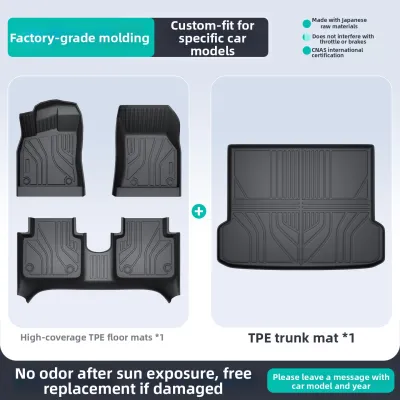
Prices are valid at publication and may change. Please refer to the product page for the latest price.
Another critical criterion is the backing mechanism of the mats. A secure backing prevents the mats from shifting during driving, which is essential for maintaining safety. High-quality mats typically utilize specialized anti-slip backing materials, such as micro-textured fibers or molded rubber nibs, that grip the vehicle’s original carpet without damaging its fibers. Additionally, the mats must feature precise cutouts that align perfectly with your vehicle’s factory floor anchor points, allowing them to lock securely into place.
Material composition is the third pillar of comparison and should be verified directly from official product labels. Common materials used in full-surround mats include Thermoplastic Elastomer (TPE), Cross-linked Polyethylene (XPE), and multi-layer synthetic leather. TPE is highly durable, flexible, and resistant to chemicals, making it easy to clean. XPE provides lightweight cushioning and sound-dampening properties, while synthetic leather offers a premium look but requires more careful maintenance to prevent wear. Understanding these material differences helps you match the mats to your daily usage patterns.
Verifying Fitment and Safety Compatibility
Before purchasing GLB or any competing floor mats, you must verify that the product is explicitly designed for your vehicle’s exact make, model, model year, and trim level. Vehicle manufacturers frequently make subtle changes to floor pans, seat rail configurations, and pedal placements between model years or trim levels. Never assume that a mat labeled for a general model name will fit your specific vehicle variant. Always cross-reference your vehicle’s specifications with the mat manufacturer’s official fitment guide.

Safety is the most critical boundary when installing aftermarket interior accessories. A poorly fitting floor mat can slide forward and obstruct the accelerator, brake, or clutch pedals, potentially leading to a loss of vehicle control. When installing new mats, you must perform a physical check of pedal clearance before driving. Depress each pedal completely to its stop point and release it slowly to ensure there is absolutely no contact with the mat’s edges or raised lips. If you detect any interference, remove the mats immediately and consult the manufacturer.
In addition to pedal clearance, you must verify that the mats do not obstruct seat rail movement or floor-mounted components. Slide both front seats fully forward and backward along their tracks to ensure they move smoothly without binding against the mat’s vertical walls. In the rear cabin, check that the mat conforms precisely to the center floor hump and does not lift or bubble. Any lifting indicates a poor fit, which can cause the mat to shift over time and compromise safety. If your vehicle has custom floor modifications or aftermarket seat rails, seek professional installation advice before purchasing.
Evaluating Material Durability and Maintenance Needs
Singapore’s tropical climate, characterized by high humidity, frequent heavy rainfall, and intense sunlight, places unique demands on automotive interior materials. When comparing GLB mats to alternative brands, look for official specifications regarding UV stability and waterproofing. High cabin temperatures in vehicles parked outdoors can cause lower-grade plastics to warp, crack, or emit volatile organic compounds (VOCs). Choosing mats with verified UV resistance ensures they maintain their shape and structural integrity over years of exposure.
Physical inspection of the mats upon unboxing can reveal a lot about their long-term durability. Examine the quality of the edge stitching, the precision of the molding, and the overall structural rigidity of the panels. Multi-layer mats that feature stitched seams must use high-quality, water-resistant threads to prevent moisture from penetrating the inner foam layers. If water enters the inner layers, it can become trapped, leading to material degradation and unpleasant odors. Molded single-layer TPE mats, by contrast, eliminate stitched seams entirely, offering excellent waterproofing at the expense of a softer, cushioned feel.
Proper maintenance is essential to extend the lifespan of your floor mats and keep them looking new. Always follow the manufacturer-recommended cleaning agents and methods to avoid damaging the materials. For TPE and XPE mats, a simple rinse with clean water and a mild, label-authorized car shampoo is typically sufficient to remove dirt. Avoid using harsh household detergents, bleach, or silicone-based dressings, as these chemicals can degrade the protective coatings and make the surface dangerously slick. Allow the mats to dry completely in a shaded, well-ventilated area before reinstalling them.
Weighing Value, Pricing, and After-Sales Support
When evaluating the total cost of ownership, compare the base product prices of GLB mats against competing brands in S$. While online marketplaces and ecommerce platforms offer a wide range of generic options at lower price points, these products often lack the precise fitment and material quality of established brands. Additionally, factor in any potential professional installation fees. While many car owners choose to install full-surround mats themselves, some complex multi-piece designs may require professional tucking and securing around trim panels to achieve a clean, safe fit.
After-sales support is another crucial factor that distinguishes reputable brands from generic alternatives. Review the seller’s return and exchange policies specifically concerning fitment issues or manufacturing defects. Because full-surround mats rely on highly precise dimensions, having a clear, hassle-free return policy provides peace of mind if the mats do not align perfectly with your vehicle’s floor pan. Check if the local distributor in Singapore offers direct support, as shipping bulky mats back to an overseas seller can be costly and time-consuming.
Warranty terms offer valuable insight into a manufacturer’s confidence in their product’s durability. Look for warranties that cover common failure points such as material peeling, warping, cracking, or persistent chemical odors under normal use conditions. Be sure to read the warranty exclusions, as damage caused by improper cleaning chemicals, physical modifications, or wear from high-heeled shoes is typically not covered. A brand that offers a clear, localized warranty provides better long-term value than a slightly cheaper alternative with no post-purchase protection.
Decision Framework: Choosing the Right Brand for Your Car
To choose the most suitable floor mats for your vehicle, start by confirming fitment availability. If GLB offers a certified fit for your exact vehicle model, year, and trim, and their material specifications align with your aesthetic preferences and maintenance routine, they are a strong candidate. Their multi-layer designs often appeal to drivers seeking a premium look with comprehensive coverage.
Conversely, you should choose a competing brand if they offer a more comprehensive local warranty in Singapore or have verified compatibility for your specific vehicle variant that GLB does not cover. Some competitors may also offer specialized single-layer TPE designs that are easier to clean if your daily routine involves frequent exposure to mud, sand, or wet weather.
Finally, always prioritize safety over aesthetics or cost. If your vehicle features custom floor modifications, non-standard seat rails, or aftermarket pedal covers, do not rely solely on standard fitment guides. In these scenarios, consult a qualified professional installer to assess the vehicle in person. They can recommend the safest mat configuration and ensure that the installation does not interfere with any driving controls or safety systems.
Frequently Asked Questions (FAQ)
Do full-surround floor mats interfere with side airbags?
Full-surround floor mats must not interfere with the deployment of side airbags or any other safety systems. Many modern vehicles feature side airbags mounted within the lower portion of the seats or along the side pillars, with wiring harnesses running beneath the seats. When installing mats that extend high up the sides of the footwell, you must consult your vehicle’s owner’s manual to identify all airbag deployment zones and sensor locations. Ensure the mats do not cover, pinch, or restrict any under-seat wiring or physical deployment paths.
How can I safely remove the initial odor from new full-surround mats?
New synthetic or rubber-based floor mats may emit a temporary odor upon unboxing due to the manufacturing process. To safely remove this odor, place the mats in a well-ventilated, shaded outdoor area for 24 to 48 hours before installing them in your vehicle. Avoid leaving the mats in direct sunlight, as extreme heat can warp certain materials. If the odor persists, wash the mats using a mild, pH-neutral car soap recommended by the manufacturer, rinse thoroughly with clean water, and allow them to dry completely in the shade. Never use strong household solvents or deodorizing sprays, which can damage the material’s protective finish.

Community discussion
Share your experience or ask a question. Comments are reviewed before publication.