
There is no single “coolest” material for every situation; the best cooling cushion for your seat depends on your specific parking environment, typical drive duration, and whether you prioritize instant surface cooling or long-term airflow. While gel offers immediate temperature relief, breathable mesh excels at sustained ventilation, and specialized fabrics focus on moisture management. This guide compares these three materials to help you match the right cooling mechanism to your vehicle’s interior and your daily driving habits.
Driving in a tropical climate with high humidity and intense sunlight presents a constant challenge for vehicle comfort. When a car sits parked, the cabin acts as a greenhouse, trapping heat and raising seat surface temperatures to uncomfortable levels. When you sit down, your body heat becomes trapped against the seat material, leading to perspiration and discomfort. A dedicated cooling cushion can mitigate this issue, but only if its cooling mechanism aligns with how you use your vehicle.
Understanding the differences between these materials is essential before making a purchase. Each material handles heat transfer, airflow, and moisture in fundamentally different ways. By evaluating how these cushions perform under real-world conditions, you can select an option that keeps you comfortable throughout your daily commute.
Products mentioned in this guide
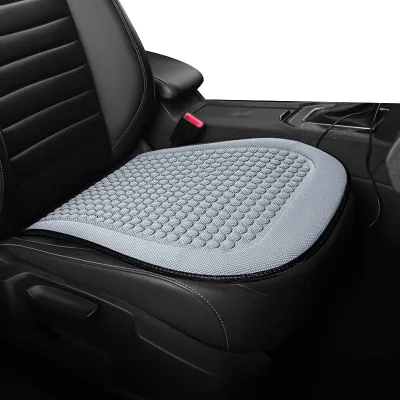
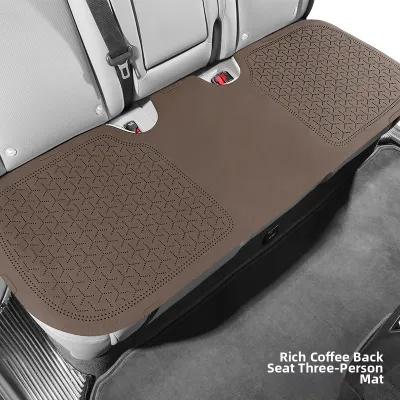
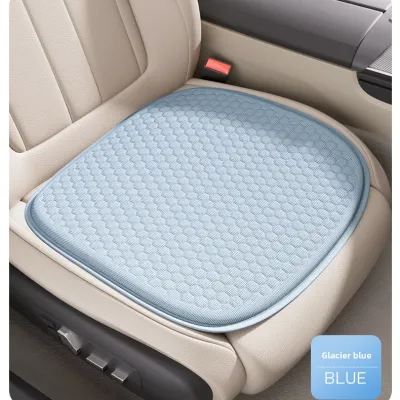
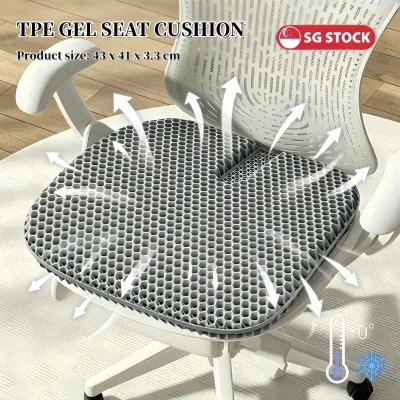

Prices are valid at publication and may change. Please refer to the product page for the latest price.
How Gel, Mesh, and Fabric Cushions Manage Heat
Gel cushions rely on the physical principle of thermal conductivity to manage heat. The dense, semi-solid gel material has a high thermal mass, meaning it can absorb a significant amount of heat from your body when you first sit down. This creates an immediate, noticeable sensation of coolness as heat rapidly transfers from your skin into the cushion. However, this cooling effect is temporary; once the gel reaches thermal saturation—matching your body temperature—it can no longer absorb heat efficiently and may begin to feel warm unless the cabin air temperature is low enough to cool it back down.
Breathable mesh cushions take an entirely different approach by focusing on ventilation rather than heat absorption. These cushions are typically constructed from a stiff, woven synthetic material suspended over a supportive frame or a hollow honeycomb structure. This design creates a physical gap of several millimeters to centimeters between your body and the actual seat surface. By keeping your body elevated, the mesh allows air to circulate freely beneath and behind you, preventing the accumulation of body heat and allowing sweat to evaporate naturally.
Fabric cooling cushions generally utilize specialized synthetic textiles, such as nylon or polyester blends, engineered with moisture-wicking properties. Rather than absorbing heat like gel or creating large air gaps like mesh, these fabrics use capillary action to pull moisture away from your skin and spread it across a larger surface area for rapid evaporation. Some of these fabrics are woven with specialized cooling yarns that feel cool to the touch initially, though they rely heavily on the vehicle’s air conditioning system to maintain their lower temperature during a drive.
Matching the Cushion Material to Your Parking and Driving Habits
Your daily parking situation is a primary factor in how well a cooling cushion will perform. In regions with intense sun exposure, such as Singapore, parking a car outdoors can cause cabin temperatures to soar. Under these conditions, a gel cushion left on the seat will absorb the ambient heat of the cabin, becoming hot to the touch. When you return to the vehicle, the saturated gel may actually retain this heat and make the seat feel warmer for a longer period. In contrast, mesh and fabric cushions have very low thermal mass, meaning they do not store heat and will cool down almost instantly once the air conditioning starts running.

The length of your typical drive also dictates which material is most suitable. For short commutes or quick errands, a gel cushion that has been kept cool in a shaded garage provides immediate, highly satisfying relief the moment you sit down. For long-distance driving or extended periods spent in stop-and-go traffic, however, the gel will eventually saturate and lose its cooling advantage. For these longer journeys, a breathable mesh cushion is highly effective, as it provides continuous, passive ventilation that prevents moisture buildup over hours of continuous use.
The performance of any cooling cushion is also closely tied to your vehicle’s air conditioning system. Mesh cushions are particularly dependent on cabin airflow; they perform exceptionally well when the air conditioning vents are directed toward the lower cabin, allowing cool air to circulate through the mesh structure. Fabric cushions also benefit from active cabin cooling, as the moving air helps accelerate the evaporation of wicked moisture. If your vehicle’s air conditioning is slow to cool the cabin, a gel cushion may provide the quickest temporary relief while the system works to lower the overall temperature.
Comfort, Durability, and Vehicle Seat Compatibility
Beyond temperature management, you must consider the physical comfort and ergonomic impact of each cushion type. Gel cushions are typically heavy and dense, which can significantly alter the feel of your car seat. While they offer excellent pressure relief and support, their thickness may raise your seating position by several centimeters, potentially affecting your view through the windshield or your reach to the pedals. Mesh cushions provide a springy, suspended feel that some drivers find highly supportive, though the textured weave of the mesh can feel abrasive against bare skin or delicate clothing. Fabric cushions are generally the thinnest and softest option, preserving the original contours and ergonomics of your seat with minimal adjustment to your driving position.
Compatibility with your vehicle’s existing seat features is another critical consideration. If your car is equipped with built-in seat heating, ventilation, or massaging systems, placing a thick aftermarket cushion on top can block these functions or reduce their effectiveness. Thick gel or dense fabric cushions can insulate the seat, preventing built-in heating elements from reaching you or blocking the airflow from integrated seat ventilators. Before purchasing, consult your vehicle’s owner manual to determine if aftermarket cushions are compatible with your specific seat technology.
Safety must always be the top priority when installing any interior accessory. Many modern vehicles feature side-impact airbags integrated directly into the outer seams of the front seat backrests. Installing a full-back cooling cushion or a seat cover that wraps around the sides of the seat can obstruct or delay the deployment of these airbags in an accident. Always inspect your seats for “SRS Airbag” labels and ensure that any cushion or mounting strap does not cover these deployment zones. Additionally, verify that the cushion’s securing straps do not interfere with seatbelt pretensioners, anchors, or the electrical wiring harnesses located beneath the seat.
Decision Framework: Which Cooling Cushion Should You Buy?
To make the right choice, evaluate your driving habits, parking conditions, and comfort preferences against the unique characteristics of each material.
Choose a Gel Cushion if:
- You primarily park your vehicle in shaded or indoor parking structures.
- Your daily drives consist of short commutes where immediate, surface-level cooling is highly valued.
- You prefer a firm, supportive seat feel that offers pressure relief for your lower back and thighs.
Choose a Breathable Mesh Cushion if:
- You frequently park your car in direct sunlight and need a cushion that does not store heat.
- You regularly undertake long drives or spend significant time in heavy traffic, where continuous airflow is necessary to prevent sweat.
- You want a lightweight, highly ventilated option that works in tandem with your vehicle's air conditioning system.
Choose a Fabric Cushion if:
- You want to maintain your seat's original ergonomics and driving height with a low-profile accessory.
- Your primary concern is moisture management and preventing your clothing from sticking to leather or synthetic seats.
- You prefer a soft, traditional textile texture that is gentle on delicate clothing and bare skin.
Before finalizing your purchase, always verify your vehicle’s specific seat configuration. Check the owner’s manual for warnings regarding aftermarket seat accessories, particularly if your vehicle features seat-occupancy sensors, integrated airbags, or active ventilation systems.
Frequently Asked Questions (FAQ)
Can I leave a gel cooling cushion in a parked car under direct sunlight?
Leaving a gel cushion in a car parked under direct sunlight is generally not recommended. Because gel has a high thermal capacity, it will absorb the intense ambient heat inside the cabin, reaching temperatures that can make it uncomfortably hot to sit on when you return. Prolonged exposure to extreme heat and ultraviolet (UV) radiation can also degrade the gel material over time, causing it to lose its elasticity or leak. If you must park in the sun, it is best to store the gel cushion in the trunk or cover it with a reflective sunshade to prevent direct heat absorption.
Will a mesh or fabric cushion damage leather car seats?
Some mesh and fabric cushions can cause wear or damage to leather seats if they are not designed correctly. Many aftermarket cushions feature non-slip bottom layers made of rubberized dots or silicone backings to keep them in place. Under the high temperatures experienced inside a parked car, these non-slip materials can sometimes degrade, transfer color, or leave a sticky residue on leather upholstery. To prevent damage, choose cushions with leather-safe backings, remove the cushion periodically to clean and condition the leather underneath, and inspect the seat surface regularly for any signs of friction wear or discoloration.

Community discussion
Share your experience or ask a question. Comments are reviewed before publication.