
Gel seat cushions can provide relief during long drives, but their performance in Singapore’s hot and humid climate depends entirely on their internal structure and cover material. While gel is highly conductive and feels cool to the touch initially, it does not actively generate cold. Without the right design, a gel cushion can eventually heat up to match your body temperature and trap moisture against your skin.
To stay comfortable in a tropical environment, you must avoid solid gel pads and choose a hollow honeycomb or grid-structured gel cushion paired with a highly breathable mesh cover. When combined with your vehicle’s air conditioning, this open-cell design allows air to circulate underneath you, preventing the heat buildup and sweat accumulation common with standard foam cushions. Understanding how these materials interact with high humidity and cabin heat will help you make an informed purchase for your vehicle.
How Gel Reacts to High Heat and Humidity
To understand how a gel seat cushion behaves in a tropical climate, it helps to look at the physics of thermal conductivity and thermal mass. Gel materials, typically made from thermoplastic elastomers (TPE) or synthetic polymers, have a high specific heat capacity. This means they can absorb a significant amount of heat before their physical temperature rises. When you first sit on a cool gel cushion, it rapidly draws heat away from your body, creating an immediate, refreshing cooling sensation.
Products mentioned in this guide
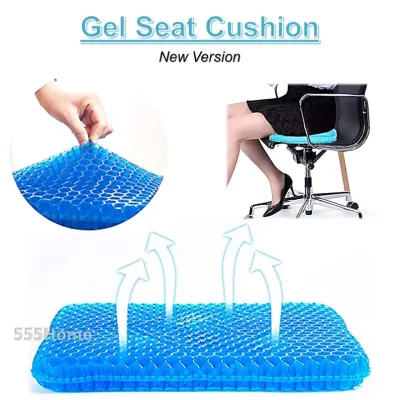
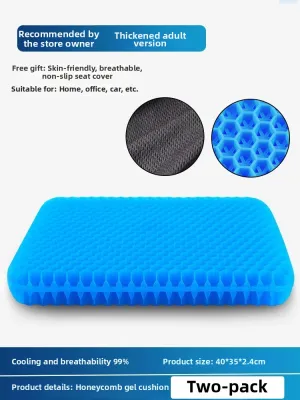
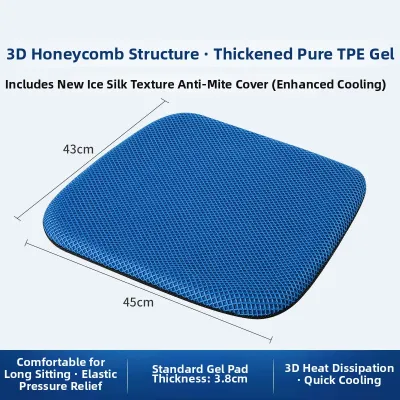
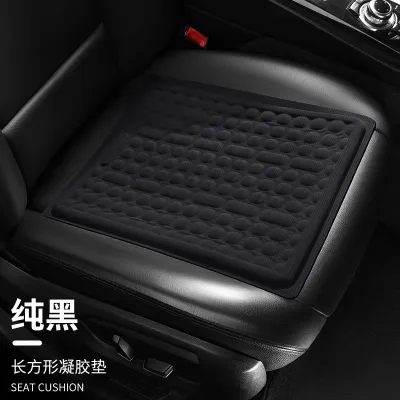
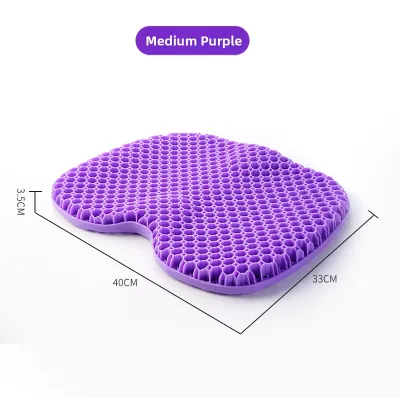

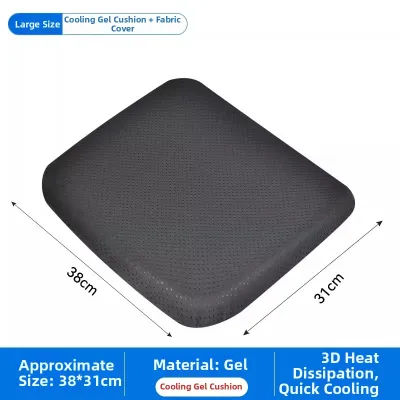
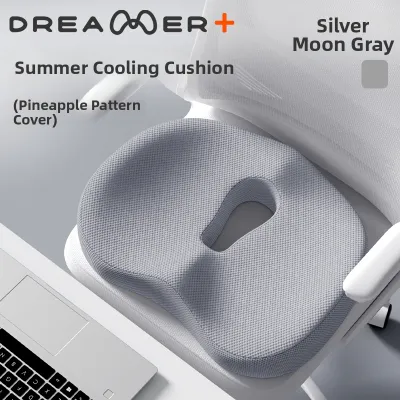
Prices are valid at publication and may change. Please refer to the product page for the latest price.
However, this initial cooling effect is temporary. As you continue to sit, the gel gradually reaches thermal equilibrium with your body and the surrounding cabin air. Once the gel is saturated with heat, its high thermal mass works against you. Instead of cooling you down, the warmed-up gel retains that heat, acting like a heat sink that slowly radiates warmth back toward your body. Without a way to dissipate this energy, the cushion can become uncomfortably warm during long commutes along the CTE or PIE.
Humidity introduces another layer of discomfort. Singapore’s relative humidity frequently exceeds 80%, which severely limits the air’s ability to absorb moisture. Because solid gel is completely non-porous, sweat cannot pass through it or evaporate. If your skin is pressed directly against a flat gel surface, moisture becomes trapped, leading to a sticky, clammy feeling that can cause skin irritation over long periods of driving.
Furthermore, you must consider the temperature of a parked car. Vehicles left in open-air HDB car parks or outdoor industrial estates under the intense afternoon sun can experience cabin temperatures exceeding 60°C. A gel cushion left inside will absorb this extreme ambient heat. Because of its high thermal mass, the heated gel will take a long time to cool down, even after you turn your vehicle’s air conditioning system on full blast. Sitting on a sun-baked gel cushion can be highly uncomfortable until the cabin temperature fully stabilizes.
Crucial Design Features for Hot Climates
Not all gel cushions are engineered equally. To ensure your cushion performs well in tropical conditions, you must look for specific structural designs and cover materials that actively promote airflow and moisture evaporation.

Honeycomb vs. Solid Gel Structures
When shopping for a gel seat cushion, the internal geometry is the most critical factor. You should entirely avoid solid, flat gel pads, which act as a solid thermal barrier and trap body heat. Instead, look for a cushion featuring a honeycomb, column-buckling, or open-grid structure.
These open-grid designs consist of intersecting walls of thermoplastic elastomer that create hundreds of individual air pockets. When you sit on the cushion, these walls buckle to distribute your weight evenly, but the physical air channels remain open. This structure allows air to flow horizontally and vertically beneath your thighs and pelvis, carrying away body heat and allowing sweat to evaporate. Before purchasing, verify the product images or specifications to ensure the grid channels are deep and wide enough to maintain their open structure under pressure.
Cover Materials and Breathability
An open gel grid is only as effective as the cover that surrounds it. If you wrap a highly breathable honeycomb gel core in a non-breathable cover, you completely negate its cooling benefits. You must avoid cushions that feature leather, faux leather (PU or vinyl), or thick plush velour covers, as these materials trap heat and sweat against your skin.
Instead, opt for covers made from 3D spacer mesh, athletic moisture-wicking fabrics, or highly porous synthetic knits. A 3D spacer mesh uses a double-knit fabric with micro-yarns standing vertically between the layers, creating a permanent micro-climate layer of air. This configuration allows the air circulating through the gel grid to pass freely to your body. Additionally, ensure the cover features a heavy-duty zipper so it can be easily removed for regular washing, which is essential for maintaining hygiene in humid weather.
Real-World Limitations to Consider Before Buying
While a properly designed gel cushion offers excellent pressure relief and potential cooling benefits, there are several practical drawbacks and physical limitations you should evaluate before buying.
- Weight and Shifting: Gel cushions are significantly heavier than their polyurethane foam counterparts, often weighing between 1.5 kg and 3 kg. Because of this weight, they can slide out of place when you enter or exit the vehicle. Ensure the cushion you choose features a high-quality non-slip bottom, such as silicone friction dots. However, before placing the cushion on your seats, check your vehicle manufacturer's care instructions to confirm that silicone-backed accessories are safe for your specific upholstery.
- Bottoming Out: Under heavier weight loads, thinner gel grids (typically those under 3 cm in thickness) can compress completely. When the elastomer walls buckle flat against the seat base, the open air channels collapse. This "bottoming out" eliminates all ventilation and results in direct heat transfer from the seat. If you require firmer support or have a larger frame, look for a dual-layer or thicker grid cushion (4 cm to 6 cm) to prevent total compression.
- Lack of Edge Support: Unlike molded foam cushions that feature raised lateral bolsters to hold your posture in place, gel grids are highly flexible and uniform. They do not provide rigid edge support. If your car has highly contoured bucket seats, a wide gel cushion may drape awkwardly over the bolsters, altering your seating posture and potentially reducing lateral stability during cornering.
- Vehicle Compatibility and Safety: Before purchasing any aftermarket seat accessory, verify your vehicle's specific seat dimensions, mounting positions, and whether the cushion interferes with built-in seat airbags or seatbelt pretensioners. Never infer compatibility from a generic category term. Always check the product's documentation and your vehicle owner's manual to ensure safe installation.
Cleaning and Maintenance in Humid Conditions
Singapore’s persistent humidity and high temperatures create an ideal breeding ground for bacteria, mold, and mildew. If sweat and skin oils are allowed to accumulate on your seat cushion, it will quickly develop unpleasant odors and degrade. Regular maintenance is essential to keep the cushion hygienic and prolong its lifespan.
To clean the outer cover, unzip and remove it from the gel core. Always check the manufacturer’s care label for specific washing instructions. Most mesh covers can be machine-washed on a gentle cycle with a mild detergent. Avoid using fabric softeners, as they can clog the microscopic pores of moisture-wicking fabrics and reduce their breathability.
To clean the gel core, hand-wash the elastomer grid in warm water using a mild dish soap or a neutral detergent. Never use harsh chemical cleaners, bleach, or stiff abrasive brushes, as these can break down the polymer chains of the thermoplastic elastomer, causing the gel to become sticky, brittle, or prone to tearing. Gently wipe down the grid walls with a soft microfiber cloth.
Drying the cushion correctly is the most critical step in preventing material damage and fungal growth. After washing, gently shake off excess water from the gel core. Air-dry the gel grid completely in a shaded, well-ventilated indoor space. Never expose the gel core to direct, intense sunlight, as ultraviolet (UV) rays will rapidly degrade the TPE material, causing it to melt or lose its elasticity. Ensure both the gel core and the fabric cover are 100% dry before reassembling them. Trapping even a small amount of moisture inside the cover can lead to rapid mold development in our tropical climate.
Frequently Asked Questions (FAQ)
Will a gel cushion damage my car's original leather seats?
Low-quality gel cushions can potentially damage leather upholstery through plasticizer migration, where chemicals from the raw elastomer leach into the leather, causing staining, stickiness, or discoloration. Additionally, trapped moisture between a non-breathable cushion and the seat can ruin the leather’s finish. To protect your upholstery, always choose a high-quality cushion wrapped in a protective, breathable cover, and ensure the non-slip backing is rated as safe for leather. Periodically remove the cushion to let the leather breathe and dry out.
Are gel cushions better than memory foam for hot weather?
Yes, honeycomb gel cushions are generally much better suited for hot weather than traditional memory foam. Memory foam is a dense, closed-cell polyurethane material that relies on body heat to mold to your shape, which naturally traps heat and restricts airflow. While some memory foams are infused with cooling gel beads, they still retain heat over long periods. A pure thermoplastic elastomer gel grid with an open honeycomb design allows air to flow freely, making it far superior for heat dissipation in consistently hot and humid climates.

Community discussion
Share your experience or ask a question. Comments are reviewed before publication.