
Neither gel nor memory foam is a magic cooling solution on its own in high relative humidity. However, a gel seat cushion designed with an open-cell honeycomb grid offers significantly better breathability and heat dissipation than a standard solid memory foam cushion. While gel conducts heat away from the body initially, solid memory foam tends to trap body heat and moisture within its dense cellular structure. The ultimate cooling performance of either material depends heavily on its structural design, ventilation channels, and the breathability of the outer cover fabric.
Singapore’s tropical climate, characterized by high temperatures and humidity levels often exceeding 80 percent, presents a unique challenge for drivers. When a car sits under the sun, cabin temperatures can soar rapidly. Sitting on a dense, non-breathable surface for extended commutes along major expressways leads to heat buildup, sweat accumulation, and discomfort. Understanding how these materials interact with your body heat and the ambient air is essential for making an informed upgrade to your car’s interior.
Before adding any aftermarket cushion to your driver’s seat, it is crucial to consider how the added height and physical presence affect your driving position. A cushion that is too thick can alter your hip-to-pedal relationship, compromise your line of sight, or interfere with seat-integrated side airbags and occupant detection sensors. Always verify compatibility with your vehicle’s safety systems and adjust your seat settings to maintain proper control of the vehicle.
Products mentioned in this guide
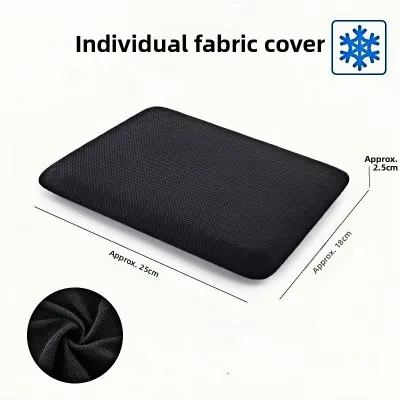
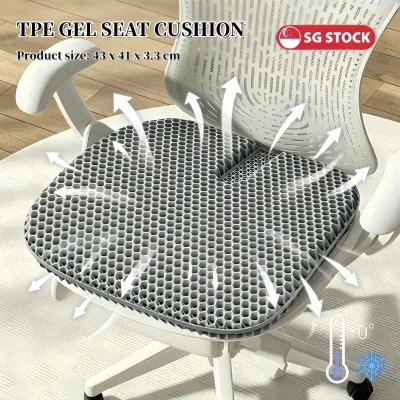
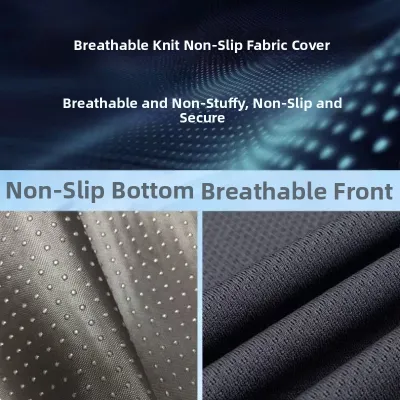


Prices are valid at publication and may change. Please refer to the product page for the latest price.
How Gel and Memory Foam React to Heat and Humidity
Gel is a highly conductive material compared to foam. When you first sit on a gel seat cushion, it feels noticeably cool because it rapidly draws heat away from your body. This is known as high thermal conductivity. However, gel has a specific heat capacity limit. Once the gel material reaches thermal equilibrium with your body temperature, it stops absorbing heat actively. If the cushion is a solid block of gel without airflow channels, it can eventually become warm and trap heat against your skin, especially during long drives.
Memory foam, or viscoelastic polyurethane foam, is renowned for its pressure-relieving capabilities, but it is inherently a poor thermal conductor. It consists of a dense network of microscopic cells that compress under body weight and soften in response to body heat. This temperature-sensitive softening is what allows memory foam to contour closely to your body. Unfortunately, this close contouring also seals off air circulation. The dense foam acts as an insulator, trapping your body heat within the compressed cells and creating a warm microclimate beneath your thighs and lower back.
In a humid environment, the air is already saturated with moisture, which severely limits the body’s natural mechanism of evaporative cooling. When you sit on a non-breathable material, sweat cannot evaporate, leading to a sticky, humid microclimate between your clothing and the seat. Therefore, a cushion’s ability to facilitate active airflow and wick moisture away is far more critical than its initial cool-to-the-touch sensation. Without adequate ventilation, even the most advanced cooling gel or memory foam will eventually feel warm and clammy.
Design Features That Actually Improve Airflow
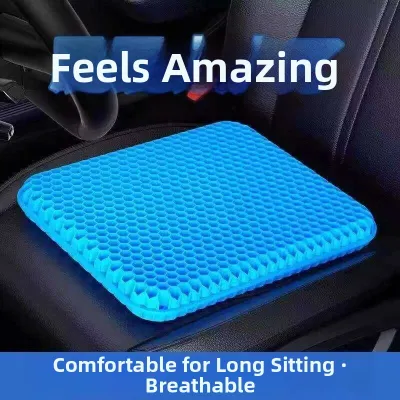
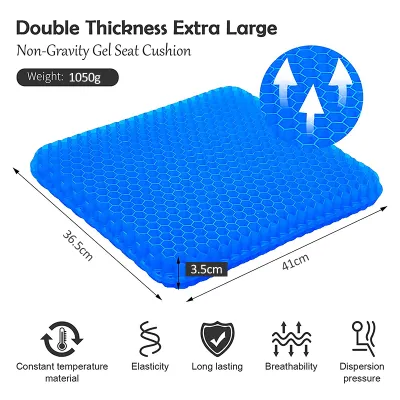
To overcome the thermal limitations of solid gel, manufacturers shape the material into open-structure designs, most notably the honeycomb or column buckling grid. This design consists of hollow vertical walls that flex under pressure. The empty spaces within the grid act as built-in air chambers. As you shift your weight or move slightly while driving, air is actively pumped through these chambers, carrying away warm, humid air. This structural ventilation is the primary reason why grid-style gel cushions breathe significantly better than solid alternatives.

To address the heat-trapping nature of viscoelastic foam, manufacturers employ several modification techniques. Some memory foam cushions feature physical perforations—vertical holes drilled through the foam block—to allow air to escape. Others use a convoluted or channeled surface design, creating physical pathways for air to flow beneath the body. Additionally, some foams are infused with gel beads or phase-change materials to delay the initial heat buildup, though these infusions do not replace the need for physical airflow channels.
The material surrounding the cushion core is just as important as the core itself. A thick, tightly woven polyester or synthetic leather cover will completely block the airflow of a honeycomb gel grid or a perforated foam block. For optimal breathability, look for covers made of 3D spacer mesh, open-weave fabrics, or specialized moisture-wicking textiles. These covers allow air to pass freely to the underlying structure while keeping your skin dry. Ensure the cover is easily removable and machine-washable to maintain hygiene in humid conditions.
Comparing Comfort and Posture Support
Beyond temperature regulation, a seat cushion must provide adequate support during long hours behind the wheel. When sitting, your body weight is concentrated on the ischial tuberosities (sit bones) and the tailbone (coccyx). A high-quality cushion distributes this pressure evenly across a larger surface area, reducing localized discomfort and preventing numbness in the thighs.
Memory foam excels at deep contouring and pressure relief. It responds to your body heat and weight by slowly compressing and molding to your exact shape. This creates a highly customized support surface that cradles your joints and minimizes pressure points. However, because memory foam is slow to recover its shape, it can feel somewhat restrictive if you frequently shift positions while driving. It provides a plush, sinking-in sensation that many drivers find comforting, though it offers less active rebound.
Gel cushions offer a firmer, more responsive support profile. Instead of molding slowly to your body, the columns of a gel grid buckle under specific pressure thresholds, distributing weight instantly while maintaining a springy, supportive feel. This prevents you from sinking completely through the cushion to the hard car seat beneath. Gel provides excellent stability and does not soften further as cabin temperatures rise, making it highly consistent in its support throughout a long journey.
When placing any cushion on your car seat, stability is a critical safety factor. A cushion that slides or shifts during sudden braking, sharp turns, or acceleration can compromise your control of the vehicle. Look for cushions equipped with a high-friction, non-slip rubberized base. However, you must verify that the non-slip material is safe for your specific seat upholstery. Some low-quality rubber backings can degrade or chemically react with genuine leather or vinyl seats under high cabin temperatures, leaving permanent stains or sticky residues.
Which Material Should You Choose?
A gel seat cushion is the ideal choice if your primary concern is heat dissipation and you prefer a firmer, more responsive seating surface. It is highly suited for drivers who experience immediate discomfort from heat buildup and want a cushion that does not lose its structural integrity or become overly soft in a warm cabin. Additionally, gel is completely waterproof and highly durable, making it easy to clean if exposed to sweat or spills.
Memory foam is the preferred option if you require deep, contouring pressure relief for chronic lower back pain, sciatica, or tailbone sensitivity. If you prefer a plush, enveloping feel and your car’s cabin is consistently kept cool by a strong air conditioning system, a high-density, perforated memory foam cushion can provide superior comfort. However, you must accept that it will naturally retain more heat than an open-grid gel cushion.
Before finalizing your choice, consult your vehicle’s owner’s manual regarding seat-mounted side airbags and occupant classification systems. Some modern vehicles feature sensors in the front passenger seat that detect weight to determine airbag deployment; placing a thick or heavy cushion on these seats can interfere with sensor accuracy. Furthermore, ensure the added height of the cushion does not bring your head too close to the roof liner or alter your access to the steering wheel and pedals, which could compromise your safety in an emergency.
Cleaning and Drying in High-Humidity Conditions
In a humid climate, sweat, body oils, and ambient moisture can quickly accumulate in your seat cushion, leading to unpleasant odors, bacterial growth, and mold. To prevent this, choose a cushion with a removable cover that can be regularly machine-washed. Always follow the manufacturer’s care label instructions, using a mild detergent and avoiding harsh fabric softeners that can clog the pores of breathable mesh fabrics.
The cleaning method for the inner core depends entirely on the material. Solid or grid gel cores can typically be hand-washed with mild soap and lukewarm water, then wiped down or left to air-dry. Memory foam, however, should never be submerged in water or placed in a washing machine. Water can easily become trapped inside the dense foam cells, leading to internal mold growth and structural breakdown. If memory foam needs cleaning, spot-clean it gently with a damp cloth and a mild detergent solution.
Proper drying is critical to prevent material degradation. Never expose memory foam or gel cushions to direct sunlight, as ultraviolet radiation and extreme heat can cause gel to melt or lose its elasticity, and cause memory foam to crumble and discolor. Instead, air-dry the components in a well-ventilated, shaded indoor area. Additionally, periodically remove the cushion from your car seat to inspect the area beneath it. This prevents moisture from becoming trapped between the cushion’s non-slip base and your car’s upholstery, protecting your seats from mold and discoloration.
Frequently Asked Questions (FAQ)
Will a cushion block my car's built-in seat ventilation?
Yes, placing a thick aftermarket cushion over ventilated seats will significantly obstruct or completely block the active airflow from the seat’s built-in fans. Because ventilated seats rely on air passing through perforations in the leather or fabric upholstery, any solid foam or dense gel layer acts as a barrier. If you must use a cushion on a ventilated seat, look for an ultra-thin, highly open honeycomb gel grid with a thin, breathable mesh cover to minimize the restriction of the factory airflow.
Do cooling gel cushions permanently lose their temperature-regulating properties?
No, standard thermal-conductive gel cushions do not lose their physical ability to absorb heat over time. The cooling sensation is a physical property of the material’s thermal conductivity, which remains constant. However, because the gel works by absorbing heat from your body, it will eventually reach thermal equilibrium during extended use. To restore the initial cool feel, simply step out of the car or remove your weight from the cushion for a few minutes, allowing the gel to dissipate the stored heat into the surrounding air.

Community discussion
Share your experience or ask a question. Comments are reviewed before publication.