
When parking your car under the intense tropical sun in Singapore, cabin temperatures can soar rapidly. This extreme heat directly impacts how your car freshener refill performs, often causing pleasant scents to vanish within days or turn into overwhelming fumes. Choosing the right refill format—whether gel, liquid, or solid—requires understanding how these different mediums interact with high heat and humidity.
To maintain a consistent cabin environment without constantly replacing dried-out cartridges, you must match the physical properties of the fragrance matrix to your typical parking conditions. While each format has distinct advantages, solid and ceramic options generally offer the most stable performance under intense thermal stress, whereas liquids and gels require careful placement and monitoring to prevent rapid evaporation or accidental damage to your vehicle’s interior surfaces.
How Tropical Heat and Humidity Affect Scent Evaporation
When a vehicle is parked in direct sunlight in a tropical climate, the enclosed cabin acts like a greenhouse. Temperatures inside the car can easily exceed outdoor ambient levels, reaching levels that accelerate the physical breakdown of common consumer products. This intense thermal environment has a profound effect on any fragrance delivery system placed inside the cabin.
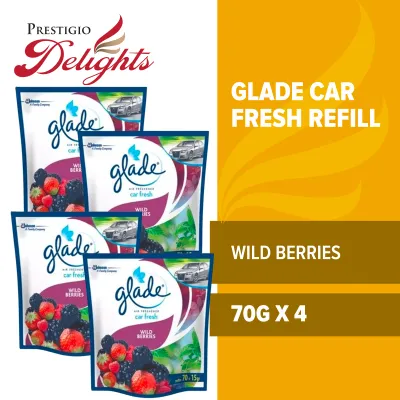
Products mentioned in this guide
![[Japan Import] Johns Blend Clip On Car Freshener Fragrance Set / Refill 2pcs White Musk & Assorted Scents](https://img.lazcdn.com/g/p/c04c034624f14ad572155213f01e00fe.jpg_400x400q80.jpg_.webp)
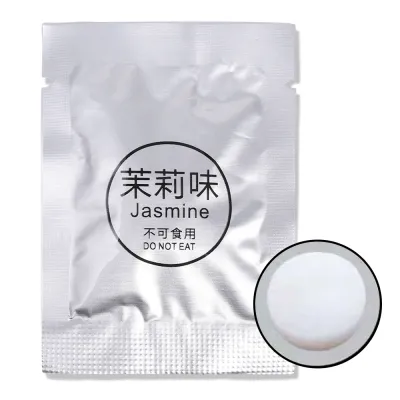
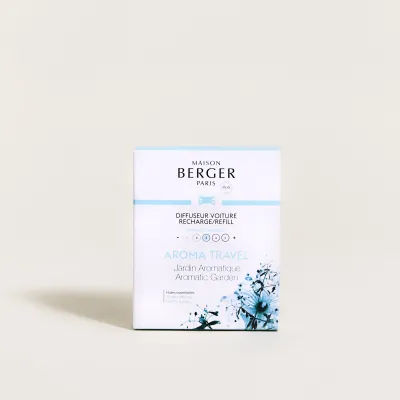
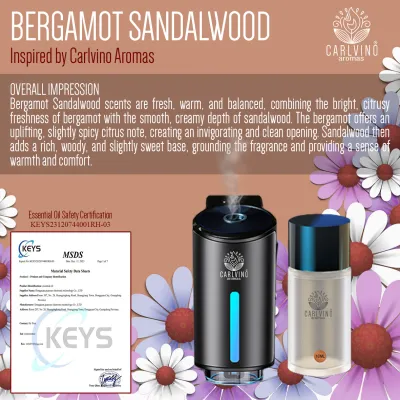
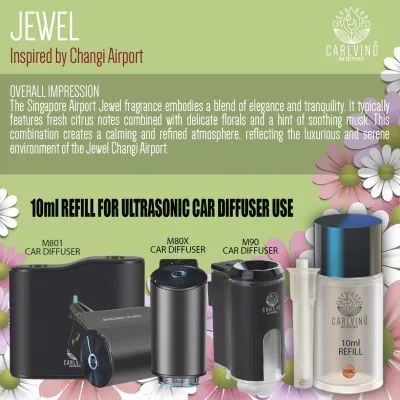
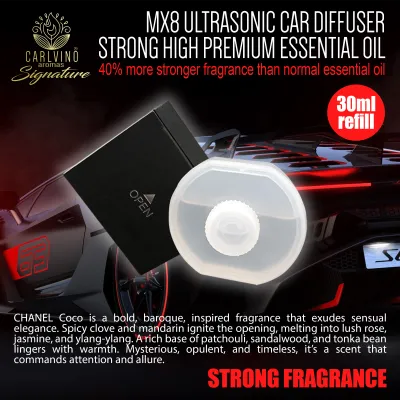
Prices are valid at publication and may change. Please refer to the product page for the latest price.
Fragrances are composed of volatile organic compounds that transition from liquid or solid states into gas to become perceivable. High temperatures accelerate this volatility, causing the fragrance oils within a refill to evaporate at a much faster rate than manufacturers typically design for temperate climates. Consequently, a refill rated for several weeks in cooler regions might lose its potency in a fraction of that time when subjected to daily tropical heat.
Humidity adds another layer of complexity to how we perceive scents inside a vehicle. High moisture levels in the air can alter the density of the cabin atmosphere, sometimes suppressing the throw distance of lighter fragrance notes while magnifying heavier, sweeter base notes. This shift can make certain scents feel heavy or suffocating rather than fresh. Understanding these environmental factors is the first step in selecting a refill medium that can withstand the unique challenges of a tropical climate.
Comparing Gel, Liquid, and Solid Car Freshener Refills
Car freshener refills are formulated using different carrier matrices, each designed to hold and gradually release fragrance oils. The three primary formats available on the market are gels, liquids, and solids (including ceramic and wood-based carriers). Each matrix responds differently to the twin challenges of high heat and high humidity.

Selecting the right format involves balancing scent intensity against longevity. While some drivers prefer a strong, immediate burst of fragrance, others prioritize a subtle, long-lasting aroma that does not require frequent replacement. Evaluating how each material behaves when heated helps you make an informed decision that protects your vehicle’s interior while keeping the cabin smelling fresh.
Gel Refills: Shrinkage and Scent Consistency
Gel-based refills typically consist of water, polymer gelling agents, and emulsified fragrance oils. When fresh, they present a smooth, semi-solid appearance that slowly releases scent as the moisture and oils evaporate into the air. This format is popular for its visual simplicity and ease of use.
Under sustained thermal stress, however, gel matrices undergo rapid physical changes. As the water and volatile oils evaporate, the gel visibly shrinks, hardens, and pulls away from the sides of its container. This shrinkage is a direct indicator of the refill’s remaining lifespan; once the gel turns into a small, hard disc, its ability to release scent drops significantly. In extreme heat, the scent release can become highly inconsistent, starting with an intense burst and quickly fading to a barely noticeable trace.
There is also a physical risk associated with certain gel formulations when exposed to direct sunlight on a dashboard. While high-quality polymer gels are designed to hold their shape, some lower-grade gel refills can soften or liquefy under extreme temperatures. If the container is not completely sealed or is positioned at an angle, this softened gel can seep out, potentially leaving a sticky residue that is difficult to clean from plastic or vinyl surfaces.
Liquid Refills: Evaporation Speed and Spill Hazards
Liquid refills utilize a reservoir of concentrated fragrance oil, often paired with a porous wick, a membrane, or a vent-clip mechanism to regulate scent release. This design allows for a highly adjustable fragrance experience, as many liquid diffusers feature manual vents to control the exposure of the wick to the cabin air.
The primary challenge for liquid refills in a hot climate is the sheer speed of evaporation. When ambient cabin temperatures rise, the liquid oil becomes highly volatile, evaporating rapidly through the wick or membrane. This can lead to a very strong, sometimes overpowering scent when you first enter a hot car, followed by a rapid depletion of the liquid reservoir. Drivers often find themselves replacing liquid refills much sooner than expected during the hottest months of the year.
Furthermore, liquid refills present a notable risk of spills and subsequent interior damage. If a liquid diffuser is mounted incorrectly, subjected to sudden vibrations, or if the container cracks due to heat stress, the concentrated oils can leak onto dashboard plastics, leather upholstery, or climate control buttons. These concentrated oils can act as solvents, softening plastics, peeling paint, or staining leather. It is essential to verify that any liquid refill container is securely sealed and mounted upright, away from delicate surfaces.
Solid and Ceramic Refills: Heat Stability and Longevity
Solid refills represent a highly stable option for tropical climates, utilizing matrices such as compressed ceramic, infused wood, polymer plastics, or specialized wax blends. Because these materials do not rely on a liquid reservoir or a water-based gel to hold the fragrance, they behave very differently when exposed to high temperatures.
The structural stability of ceramic and solid wood matrices makes them highly resistant to melting or leaking, even when placed in direct sunlight. The fragrance oils are deeply embedded within the porous structure of the solid carrier, which naturally regulates the rate of evaporation. Instead of a rapid release triggered by heat, solid refills tend to provide a slower, more controlled, and consistent scent profile over a longer period.
However, solid refills are not entirely immune to the effects of extreme heat. While they will not spill or melt into a liquid puddle, prolonged exposure to intense heat can cause the embedded fragrance oils to degrade or dissipate faster than intended. Additionally, some wax-based solid refills may soften if the cabin temperature exceeds the melting point of the specific binding agents used. Checking the product specifications for heat-resistant materials, such as ceramic or high-temperature polymers, is key to ensuring long-term performance.
What to Look for on Product Labels and Packaging
When shopping for a car freshener refill on an online marketplace or at a local automotive supply store, reading the product packaging carefully can save you from premature refills and potential cabin damage. Manufacturers often print specific operating guidelines and material warnings that indicate how well a product will fare in a tropical climate.
Look for temperature storage and operating limits on the label. High-quality refills often specify a maximum safe operating temperature, which is crucial for products destined for a vehicle parked outdoors. If a label warns against exposing the product to temperatures above 50 degrees Celsius, it may not be suitable for dashboard placement in a car parked in direct sunlight, where interior temperatures can easily surpass that threshold.
Pay close attention to the physical housing design of the refill. Enclosed vent clips or cartridges that completely encase the fragrance matrix offer better protection against direct heat than open hanging jars or exposed gels. Additionally, review the safety warnings regarding material compatibility. A label that explicitly warns against contact with plastics, painted surfaces, or leather indicates that the fragrance oils are highly concentrated and must be handled with extreme care during installation to prevent accidental spills.
Strategic Placement and Maintenance in a Hot Cabin
Even the most heat-resistant car freshener refill can fail if placed in the wrong part of your vehicle. To maximize the lifespan of your refill and protect your car’s interior, you must consider where and how you install the product.
Avoid placing any refill, especially liquid or gel types, in direct sunlight on top of the dashboard or hanging from the rearview mirror. These areas experience the highest thermal concentration and UV exposure, which accelerates evaporation and degrades the fragrance oils. Instead, opt for shaded areas such as under-seat brackets, door pockets, or lower console compartments. For vent-clip models, placing them on a lower vent tab can help shield them from direct sunlight streaming through the windshield.
If you use a vent-clip refill, make active use of your vehicle’s climate control settings to manage scent delivery. When the air conditioning is running, the cool, dehumidified air slows down the volatility of the fragrance oils, extending the life of the refill. You can adjust the vent’s flow control or the diffuser’s manual adjustment tab to restrict airflow when the cabin is cool, opening it slightly only when you desire a boost of scent.
Finally, establish a routine check of your car freshener. Every few weeks, inspect the refill container for signs of structural degradation, cracking, or leakage. If you notice a gel refill hardening excessively or a liquid container showing signs of stress, replace it promptly. Catching a slow leak early can prevent costly damage to your dashboard plastics or upholstery.
Frequently Asked Questions (FAQ)
Can I leave my car freshener in the car overnight or when parked for days?
Yes, you can generally leave your car freshener in the vehicle, but the type of refill dictates whether you should take precautions. Solid and ceramic refills are highly stable and can safely remain in a parked car for extended periods without risk of leaking or melting. However, if you use a liquid or gel refill and plan to park your car in an open, unshaded lot for several days, it is wise to temporarily store the refill in a cool, shaded spot like the glove box or center console. This simple step protects the container from direct solar radiation, reducing the risk of heat-induced leaks or rapid, wasteful evaporation while the vehicle is idle.
Do air conditioning settings affect how fast a refill evaporates?
Yes, your vehicle’s air conditioning settings directly influence the evaporation rate of any car freshener refill. When the air conditioning is active, it lowers both the temperature and the humidity inside the cabin. This cooler, drier environment reduces the volatility of the fragrance oils, slowing down their evaporation rate and extending the overall lifespan of the refill. Conversely, running the heater or leaving the vents open to hot, humid outside air will accelerate scent release. For vent-mounted diffusers, adjusting the physical vent slats to limit direct airflow when the cabin is already cool is an effective way to conserve the fragrance.

Community discussion
Share your experience or ask a question. Comments are reviewed before publication.