
Driving in Singapore means dealing with relentless humidity and temperatures that regularly soar, turning your parked car into a virtual oven. If you are considering a gel cushion to make your daily commute along the PIE or CTE more comfortable, the short answer is that they can help, but only if you choose the right design. While gel is highly effective at distributing pressure and providing initial relief, its cooling performance depends heavily on its physical structure and the cover surrounding it. Without proper ventilation, a solid gel block will eventually absorb your body heat and trap it, leaving you just as warm as before. To ensure your investment actually keeps you comfortable during long drives, you must look beyond the marketing claims and evaluate how the cushion handles airflow, safety, and maintenance in a tropical climate.
How Internal Structures Affect Heat Retention in Gel Cushions
To understand how a gel cushion performs in Singapore’s climate, you must look at its internal architecture. Gel itself is a dense material with high thermal mass, meaning it excels at absorbing heat but is slow to release it. If you purchase a solid, continuous sheet of gel, it will initially feel cool to the touch as it draws heat away from your body. However, once the material reaches thermal equilibrium—matching your body temperature—it acts as a heat sink, trapping warmth directly beneath you with nowhere for it to escape.
To prevent this heat trap, look for cushions featuring an open honeycomb or grid structure. These designs use interconnected vertical walls that buckle under pressure to distribute weight while leaving open air channels throughout the core. As you shift your weight or drive over uneven roads, the movement acts like a bellows, pumping warm air out of the cushion and drawing cooler cabin air in. This continuous air exchange is vital when your car’s air conditioning is working hard to lower the cabin temperature.
Products mentioned in this guide
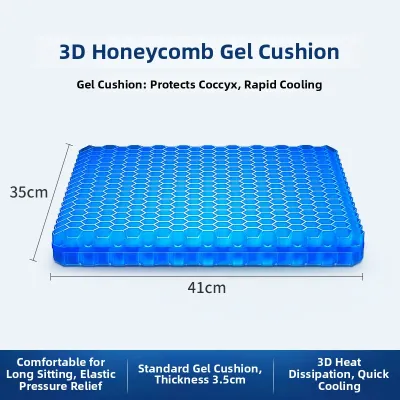
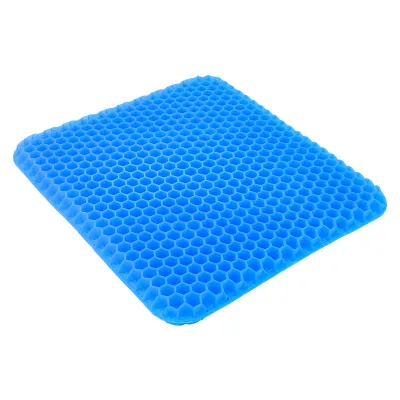
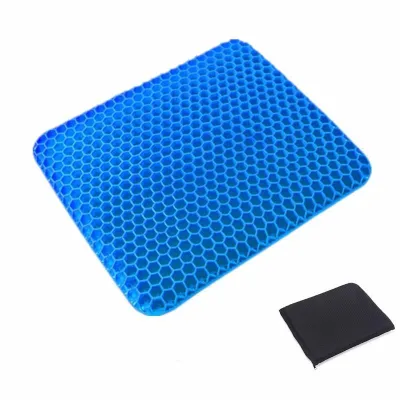
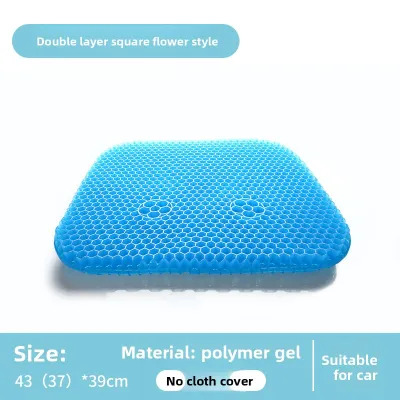
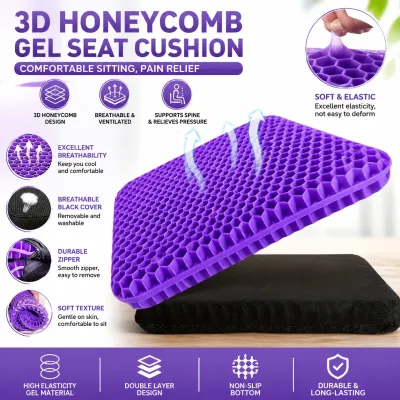

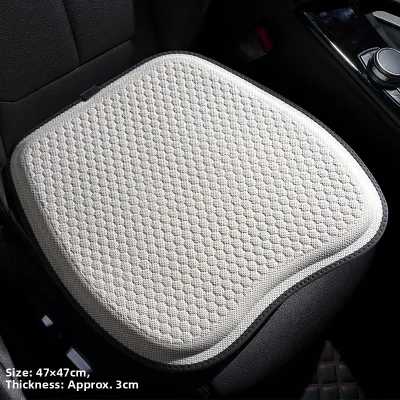
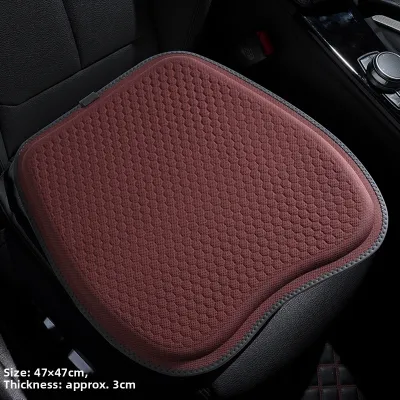
Prices are valid at publication and may change. Please refer to the product page for the latest price.
When shopping on an online marketplace or at a local automotive accessory shop, always inspect the product specifications or cross-sectional images. Look specifically for terms like “open-cell,” “columnar gel,” or “honeycomb grid.” Avoid any products that feature a solid gel core wrapped in a sealed plastic bladder, as these are highly prone to heat retention. A well-designed grid should be visibly translucent when held up to the light, confirming that air can flow freely through the entire thickness of the cushion.
Choosing Breathable Cover Materials for Tropical Commutes
The core of your gel cushion is only half the equation; the cover that sits against your skin plays an equally critical role in managing tropical heat and humidity. Even the most advanced honeycomb gel core will fail to cool you if it is wrapped in a non-breathable fabric. In Singapore’s humid environment, sweat cannot evaporate efficiently, making moisture-wicking and highly breathable outer layers essential for daily driving comfort.

The most effective cover material for a tropical climate is 3D mesh or spacer fabric. These materials feature a three-dimensional weave that creates a physical gap between your body and the gel core, allowing air to circulate freely. Moisture-wicking synthetic blends are also excellent choices, as they actively pull sweat away from your clothes and spread it across a larger surface area for rapid evaporation.
Conversely, you should strictly avoid covers made from faux leather, polyurethane (PU), PVC, or thick plush fabrics. While faux leather might match your car’s factory upholstery, it acts as a vapor barrier that traps sweat and body heat, leading to a sticky, uncomfortable ride within minutes. Additionally, ensure the cover is fully removable and machine-washable. High humidity accelerates the growth of bacteria from sweat and skin oils, making regular washing a necessity to prevent unpleasant cabin odors and maintain hygiene.
Essential Safety and Fit Checks for Car Seats
Adding any aftermarket accessory to your driver’s seat requires careful consideration of vehicle safety systems and ergonomics. Modern car seats are highly engineered safety components, often housing side-impact airbags within the outer seat bolsters. Before installing a gel cushion, you must verify that its shape, width, and securing straps do not obstruct the deployment zones of these airbags. Consult your vehicle’s owner manual to locate the exact airbag deployment seams and ensure no straps wrap around those areas.
Another critical safety factor is the cushion’s stability on the seat. A cushion that slides or shifts when you corner or brake suddenly can distract you or cause your foot to slip off the pedals. Look for cushions equipped with a high-quality, high-friction non-slip bottom, often featuring silicone beads or textured rubber. If your car has leather seats, ensure the non-slip material is rated as safe for leather to prevent chemical migration or staining under high cabin temperatures.
Finally, evaluate how the thickness of the cushion alters your driving position. A thick gel cushion can raise your seating height by several centimeters, which changes your line of sight, your reach to the steering wheel, and your angle to the accelerator and brake pedals. After placing the cushion, you must readjust your seat height, steering wheel tilt, and all three rearview mirrors. If you cannot adjust your seat low enough to maintain a safe, comfortable driving posture with the cushion in place, you may need to opt for a lower-profile model.
Maintaining Your Cushion in High Humidity
Singapore’s high relative humidity creates an ideal breeding ground for mold, mildew, and bacteria, meaning your gel cushion requires regular maintenance to stay fresh. At least once a month, remove the outer cover and wash it according to the manufacturer’s instructions. While the cover is in the washing machine, wipe down the inner gel core with a damp cloth and a mild, pH-neutral soap. Avoid harsh chemical cleaners or solvents, which can degrade the polymer structure of the gel over time.
When drying the gel core, never expose it to direct, prolonged sunlight. While it might be tempting to leave it on a sunny balcony to dry, ultraviolet (UV) radiation and extreme heat can break down the synthetic polymers, causing the gel to become sticky, brittle, or permanently deformed. Instead, allow the core to air-dry completely in a well-ventilated, shaded indoor area before putting the cover back on.
Additionally, regularly inspect the underside of the cushion cover. The extreme heat that builds up inside a car parked in an open-air HDB carpark can cause some low-quality non-slip backings to degrade, harden, or even melt onto your seat upholstery. If you notice the rubberized dots becoming sticky, cracking, or leaving residue on your seat, discontinue use immediately to protect your car’s interior.
Cooling Alternatives for Hot Weather Driving
If you find that passive gel cushions do not provide sufficient relief during long, humid commutes, several alternative seating accessories are designed specifically for hot climates. One highly effective option is an active 12V ventilated seat cushion. These devices plug into your car’s accessory socket and use built-in intake fans to actively blow cabin air through integrated channels directly to your back and thighs. While they provide superior, continuous cooling, they do introduce a mild fan hum and require a wired connection.
For a simpler, passive alternative, consider a dedicated 3D air-mesh pad. Unlike gel, which has high thermal mass, air-mesh pads are incredibly lightweight and consist almost entirely of open space, allowing maximum natural ventilation without absorbing or retaining body heat. Another classic option is the traditional wooden bead seat cover. While they offer a firmer sitting surface that may not suit everyone, the large gaps between the beads allow unrestricted airflow and completely prevent sweat buildup.
When comparing these options, weigh your personal comfort preferences against your cooling needs. Gel cushions excel at pressure relief and vibration dampening but require careful structural selection to stay cool. Ventilated cushions offer active, adjustable cooling but add mechanical complexity and noise. Air-mesh and wooden bead options provide excellent, reliable airflow but offer less cushioning for long-distance driving comfort.
Frequently Asked Questions (FAQ)
Do gel cushions melt or deform if left in a parked car under the sun?
High-quality automotive gel cushions are engineered to withstand typical cabin temperatures, but extreme heat can still affect them. When your car is parked under direct sunlight in Singapore, interior temperatures can easily exceed 60 degrees Celsius. While the gel is unlikely to melt into a liquid, prolonged exposure to this level of heat can soften the material, accelerate structural degradation, and cause the non-slip backing to break down. To protect your cushion, use a reflective front windshield sunshade, park in shaded or multi-storey carparks whenever possible, or store the cushion out of direct sunlight when the vehicle is parked for extended periods.
Can I use a gel cushion on top of factory leather seats?
Yes, you can use a gel cushion on factory leather seats, but you must take specific precautions. Leather is a natural, porous material that can be damaged by trapped moisture or chemical reactions with synthetic backings. Ensure the cushion cover features a breathable bottom layer to prevent sweat and condensation from being trapped against the leather, which can lead to mold or discoloration. Additionally, verify that the non-slip backing is specifically labeled as safe for leather seats, as some low-grade rubber or silicone compounds can migrate into the leather when subjected to high cabin heat.
Will a gel cushion trigger the car's seat occupancy sensor?
It is possible. Modern vehicles use weight-sensitive occupancy sensors in the front passenger seat to determine if an airbag should deploy or if a seatbelt reminder should trigger. Because gel cushions are relatively heavy and distribute weight differently across the seat base, they can occasionally interfere with these sensors, causing the car to falsely detect a passenger or fail to recognize one. If you place a gel cushion on the passenger seat and notice the airbag warning light or seatbelt chime behaving erratically, consult your vehicle’s manual or a qualified professional to check the sensor calibration, or remove the cushion from that seat.

Community discussion
Share your experience or ask a question. Comments are reviewed before publication.