
Selecting the ideal full-surround car mat for your Tesla Model Y requires looking beyond generic brand promises. Because the Model Y features a unique cabin layout with high seat pedestals and a completely flat rear floor, standard flat mats often leave significant areas of the factory carpet exposed to dirt, moisture, and wear. Finding a set of mats that provides a truly precise fit depends on verifying your specific vehicle configuration, understanding material performance in tropical climates, and ensuring absolute safety clearance around the foot pedals.
While many aftermarket brands claim to offer custom-molded designs, variations in manufacturing standards, steering configurations, and regional vehicle builds mean that compatibility is never guaranteed. A poorly fitting mat is not just an aesthetic issue; it can slide forward, block pedal travel, or interfere with under-seat electronics. To secure the best protection for your electric vehicle, you must evaluate these products using objective criteria, focusing on precise physical dimensions, material stability, and secure anchoring systems.
This guide outlines the essential factors to consider when comparing full-surround car mat brands for the Tesla Model Y. By understanding what constitutes true coverage, how to verify right-hand drive (RHD) compatibility, and how to test for safety after installation, you can confidently choose a high-quality product that protects your vehicle’s interior for the long term.
Products mentioned in this guide
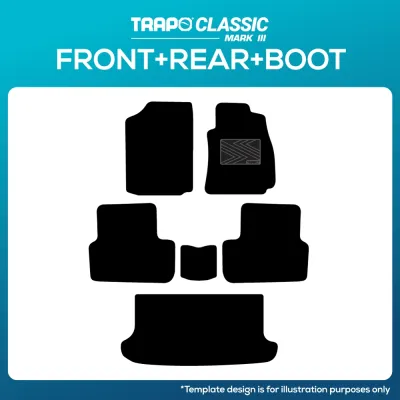
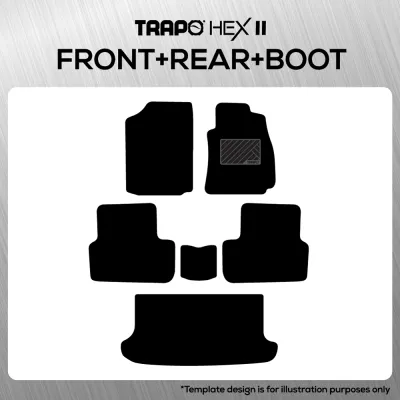
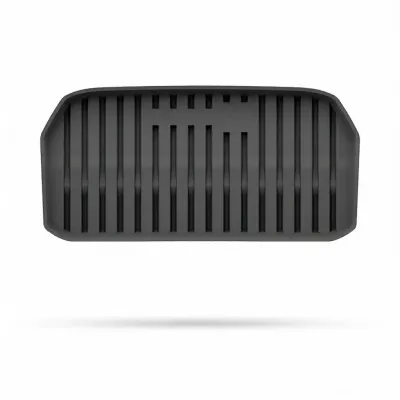
Prices are valid at publication and may change. Please refer to the product page for the latest price.
What "Full-Surround" Actually Means for Model Y
To evaluate aftermarket options effectively, you must first understand the structural differences between standard floor mats and true full-surround designs. Standard 3D contour mats feature raised edges that trap dirt on the flat sections of the floor pan. In contrast, a true full-surround mat extends much further up the vertical walls of the footwells, covering the sides of the center console, the driver’s dead pedal, the door sill edges, and the carpeted vertical risers beneath the front seats.
The Tesla Model Y cabin presents specific coverage challenges due to its open, minimalist design. The front seats are mounted on elevated steel pedestals to provide rear passengers with more foot room. These pedestals are wrapped in factory carpet that is highly susceptible to scuffs from shoes. A high-quality full-surround mat should cover these vertical risers completely, protecting the carpet from passenger footwear while remaining clear of the seat adjustment tracks.
In the rear passenger area, the Model Y features a continuous flat floor without a transmission tunnel hump. However, the vertical carpeted areas beneath the front seats and along the side door sills still require protection. True full-surround mats for the rear cabin are typically designed as a single, large piece or a highly integrated multi-piece system that locks together to prevent shifting, ensuring that every square centimeter of exposed carpet is shielded from dirt and liquid spills.
Critical Fitment Checks: RHD Layout and Model Year
When shopping for Tesla Model Y accessories on online marketplaces, the most critical compatibility factor to verify is the steering configuration. Many international brands default to manufacturing Left-Hand Drive (LHD) patterns. You must explicitly confirm that the brand offers a dedicated Right-Hand Drive (RHD) mold. Attempting to install an LHD driver’s mat in an RHD vehicle is highly dangerous; the footrest cutout will be on the wrong side, causing the mat to buckle, slide, and potentially jam the accelerator or brake pedals.

Vehicle production years and manufacturing origins also introduce subtle variations in floor pan dimensions. Tesla frequently updates its vehicle designs without changing the model name. For instance, Model Y units produced in different gigafactories or during different production quarters may feature slight modifications to the front seat rail brackets, center console trim, or rear cargo side panels. Always cross-reference the mat manufacturer’s compatibility list with your specific model year and production origin to ensure a perfect match.
Additionally, you must check for clearance around built-in cabin features. The Model Y is equipped with under-seat air vents that distribute climate-controlled air to the rear passengers. A properly designed full-surround mat must feature precise cutouts that do not block these vents, as restricted airflow can strain the HVAC system. If your vehicle is equipped with a premium audio system, ensure the mats do not cover or muffle any floor-mounted subwoofers or speaker grilles.
Safety and Material Checks for Daily Driving
Driving safety must always take precedence over aesthetic preferences or maximum coverage. The driver’s side mat must never interfere with the operation of the foot pedals. State the safety boundary clearly: before driving, you must verify that both the accelerator and brake pedals can be fully depressed to the floor and released back to their starting positions without catching on the edge of the mat. If the mat material is too thick or curls upward near the pedal box, it poses an immediate safety hazard.
To prevent dangerous shifting during sudden braking or sharp turns, the mats must feature a highly secure anchoring system. Look for brands that utilize OEM-style retention clips that snap directly onto the factory floor anchors. For areas of the full-surround mat that extend up the vertical walls, heavy-duty hook-and-loop fasteners (Velcro) or specialized under-trim retention clips should be used to keep the material flush against the carpet, preventing it from sagging or folding inward over time.
Material selection is also vital for cabin comfort and longevity, especially in tropical climates with high humidity and intense sunlight. When a vehicle is parked outdoors, interior temperatures can rise rapidly. Cheaper PVC or low-grade plastic mats can warp, curl, and release unpleasant chemical odors (off-gassing) under high heat. Opt for high-quality Thermoplastic Elastomers (TPE) or premium multi-layer synthetic leather that are rated for thermal stability, ensuring they remain odorless, rigid, and structurally sound even when exposed to extreme cabin temperatures.
Evaluating Brand Specifications and Installation
When comparing different manufacturers, look for brands that explicitly state they use high-precision 3D laser scanning technology to map the RHD Tesla Model Y cabin. Laser-scanned mats are designed to match the exact contours of the floor pan, resulting in a glove-like fit that requires no trimming or modification. Avoid generic “semi-custom” mats that rely on approximate templates, as they rarely align correctly with the Model Y’s distinct interior geometry.
Upon unboxing your new mats, inspect the structural integrity of the edges. The perimeter of a high-quality full-surround mat should be rigid enough to maintain its vertical shape and contain liquid spills, yet flexible enough to allow for proper installation. The edges should tuck neatly under the plastic trim panels along the center console and door sills, creating a seamless, integrated appearance that looks like a factory option rather than an aftermarket addition.
Once the installation is complete, perform a mandatory physical check of all moving parts in the cabin. Sit in the driver’s seat and adjust it through its entire range of motion—fully forward, backward, upward, and downward. Ensure the seat rails and adjustment motors do not bind against the mat material. Repeat this check for the front passenger seat. If you detect any resistance or hear the motors straining, the mat is not seated correctly and must be adjusted or removed.
Decision Framework: Choosing the Right Mat Setup
Your final choice between a true full-surround mat and a standard 3D contour mat should align with your daily usage patterns, maintenance preferences, and budget. Whether you are investing S$100 or S$300 in interior protection, selecting the right style ensures you do not compromise on convenience or safety.
Choose a maximum-coverage, full-surround mat setup if you frequently transport children, pets, or outdoor gear, or if you live in an area prone to heavy rain and mud. These mats excel at trapping large volumes of water, sand, and debris, preventing them from ever reaching the factory carpet. However, keep in mind that full-surround mats are bulkier, more complex to install, and require more effort to remove for deep cleaning.
Conversely, choose a standard 3D contour mat if you prefer a minimalist aesthetic that preserves the clean lines of the Tesla cabin and prioritize quick, effortless maintenance. Standard TPE mats can be unclipped, pulled out, hosed down, and reinstalled in a matter of minutes. Whichever style you select, always verify the seller’s return and exchange policy regarding fitment issues before finalizing your purchase, ensuring you can return the product if it does not align perfectly with your RHD Model Y.
Frequently Asked Questions (FAQ)
Do I need to remove the factory carpet mats before installing full-surround mats?
Yes, you must always remove the factory carpet floor mats before installing aftermarket full-surround or 3D mats. Layering mats on top of one another creates an unstable, uneven surface that prevents the new mats from securing properly to the built-in floor anchors. This double-layering can cause the driver’s mat to slide forward, potentially interfering with the accelerator or brake pedals and creating a severe safety hazard. Store your factory mats in a clean, dry place for future use.
How do I clean and maintain full-surround mats without damaging them?
To clean your mats safely, always refer to the manufacturer’s care label for specific instructions. For TPE and synthetic leather full-surround mats, use a vacuum cleaner to remove loose dirt, followed by a wipe-down using a damp microfiber cloth and a mild, pH-neutral soap solution. Avoid using harsh chemical solvents, bleach, or silicone-based interior dressings, as these can degrade the material, strip away protective coatings, and leave the surface dangerously slippery. Ensure the mats are completely dry before reinstalling them to prevent mold, mildew, and musty odors from developing in your cabin.

Community discussion
Share your experience or ask a question. Comments are reviewed before publication.