
Choosing between a front windshield sunshade and side window sunshades depends on which areas of your car you need to protect and who is riding with you. If your primary goal is to prevent the steering wheel from burning your hands and protect the dashboard from UV damage, a front windshield sunshade is essential. If your main concern is keeping rear passengers comfortable and preventing direct sunlight from hitting side interior panels, side window sunshades are the better choice. For comprehensive thermal management when parked outdoors—especially under the intense tropical sun in open-air carparks—using both types together provides the most effective coverage.
To make the right choice, you must evaluate how solar radiation enters your vehicle and how different shade designs mitigate heat. While a front shade targets the largest single pane of glass, side shades address localized glare and passenger comfort. Understanding these differences ensures you spend your money on the accessory that best matches your daily driving and parking habits.
How Front and Side Sunshades Differ in Design and Coverage
The physical differences between front windshield and side window sunshades stem directly from the glass they are designed to cover. Front windshield sunshades are typically large, highly contoured accessories designed to match the sweeping, raked angle of a vehicle’s front glass. Because front windshields must accommodate rearview mirrors, sensors, and dashcams, these shades often feature specialized cutouts or hook-and-loop fasteners to secure them around the center console area. They are built to cover a massive surface area, acting as the primary shield for the vehicle’s forward cabin.
Products mentioned in this guide
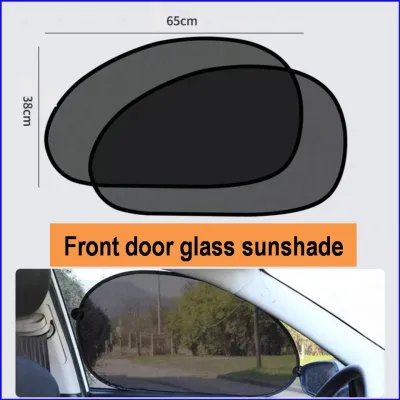
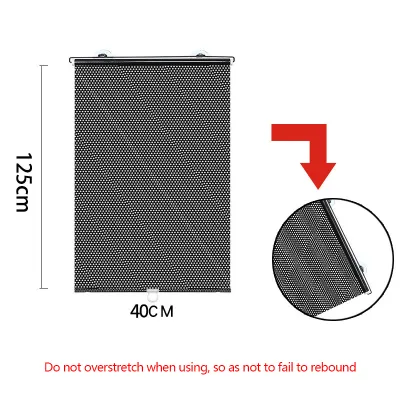
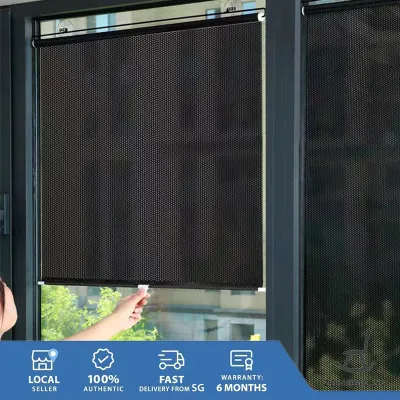
Prices are valid at publication and may change. Please refer to the product page for the latest price.
In contrast, side window sunshades are much smaller and generally follow rectangular, trapezoidal, or custom-molded shapes that match the specific door frames of your vehicle. While front shades are almost always designed to be deployed only when parked, side shades come in various configurations, some of which can remain in place while the vehicle is in motion. These smaller shades target the vertical side glass, which experiences different angles of sunlight throughout the day.
The front windshield acts as the primary entry point for the greenhouse effect inside a parked car. Because of its large surface area and aerodynamic, low-angled slope, it allows a massive volume of solar radiation to penetrate deep into the cabin, striking the dark dashboard and steering wheel. This direct exposure rapidly converts light into trapped infrared heat. Side windows, while smaller individually, handle secondary heat entry and subject passengers to direct, lower-angle sun exposure as the sun moves across the sky, making them a critical secondary line of defense.
Managing Cabin Heat and Protecting Interior Surfaces
When a vehicle is parked in an open-air lot, the interior surfaces act like thermal radiators. A front windshield sunshade is your primary defense against this heat soak, specifically protecting the dashboard, steering wheel, and front seats from direct ultraviolet (UV) degradation. Without this barrier, the synthetic materials, plastics, and leather on your dashboard can dry out, crack, or fade over time. Furthermore, the steering wheel and gear shifter can absorb enough heat to cause physical discomfort or minor burns when you first enter the vehicle.

Side window sunshades focus on a different set of interior surfaces. They reduce ambient heat buildup by blocking lateral sunlight, which protects side door panels, armrests, and the sides of the seats from localized fading. More importantly, they shield rear passengers—especially infants in rear-facing car seats—from the intense heat that radiates through the side glass. By blocking this lateral heat, side shades help maintain a more balanced cabin temperature, reducing the workload on your car’s air conditioning system when you start driving.
When shopping for either type of sunshade, it is crucial to check product labels and manufacturer specifications for verified UV blocking claims and material thickness. Do not assume that a thicker shade automatically performs better, or that all silver-coated fabrics offer the same level of thermal resistance. Look for multi-layered materials that incorporate reflective outer layers and insulating inner cores. High-quality options will explicitly state their UV protection factor or heat rejection capabilities on the packaging.
Ultimately, achieving maximum heat reduction requires covering all major glass surfaces. Leaving even one large window exposed, such as the rear windscreen or a side quarter panel, allows solar energy to bypass your front shade and heat up the cabin. For drivers who must park in unshaded areas for hours at a time, combining a high-quality front windshield shade with a complete set of side window shades is the only way to establish a complete thermal barrier.
Addressing Glare and Passenger Comfort
Beyond thermal management, sunshades play a vital role in managing visual comfort and glare. A front windshield sunshade eliminates the harsh dashboard glare that reflects onto the glass when parked, which can otherwise make it difficult to see clearly immediately after starting your journey. It also ensures that critical touchpoints, such as the steering wheel, touchscreen interfaces, and seatbelt buckles, remain cool enough to handle safely without waiting for the air conditioning to cool the entire cabin.
Side window sunshades excel at improving passenger comfort by blocking direct sunlight from hitting occupants’ faces, eyes, and arms. This is particularly important for children, elderly passengers, and pets riding in the back, who may not be able to easily reposition themselves to escape the sun’s glare. Side shades create a shaded microclimate in the rear seats, making long journeys much more tolerable and reducing eye strain caused by sudden shifts in sunlight as the vehicle turns.
However, a critical safety boundary must be maintained: interior front windshield sunshades are strictly designed for parked vehicles. They must never be deployed while the vehicle is in motion, as they completely block the driver’s line of sight. While some mesh-style side window shades can be left installed while driving, you must ensure they do not obstruct the driver’s view of the side mirrors or create dangerous blind spots. Always prioritize clear visibility and comply with local traffic safety regulations regarding window obstructions.
Daily Convenience: Installation and Storage Trade-offs
The practical value of any sunshade depends heavily on how easy it is to use and store on a daily basis. Front windshield sunshades come in several designs, each with distinct trade-offs. Traditional accordion-style folding shades are highly durable and offer excellent rigidity, but they are bulky and can be awkward to fold inside a cramped cabin. Modern umbrella-style or retractable front shades deploy in seconds and fold down into compact shapes, but they contain moving parts that may wear out over time. When not in use, a front shade must be stored where it won’t interfere with passenger legroom, such as in the trunk or tucked alongside the passenger footwell.
Side window sunshades offer a different set of installation methods. Static-cling films and suction cup meshes are highly affordable and easy to apply, but suction cups can lose grip over time, and static-cling options can peel at the edges. Custom-fit magnetic shades snap directly onto the metal door frame, providing a seamless fit that allows you to roll the window down without removing the shade. Track-mounted or roller-style side shades offer maximum convenience but require a more permanent installation process that may alter the look of your interior door panels.
Before purchasing any sunshade, take the time to measure your specific car’s window dimensions manually. Universal-fit shades often leave large gaps around the edges of the front windshield or sag when applied to side windows, significantly reducing their effectiveness. Additionally, evaluate your available interior storage space. If you drive a compact hatchback or a sports sedan, a massive, non-folding wire-ring shade might become a constant nuisance to store, whereas a compact, roll-up design would fit perfectly into a door pocket.
Which Sunshade Should You Buy? A Decision Framework
To choose the right sunshade setup for your vehicle, consider your daily parking habits, passenger needs, and primary comfort goals.
Choose Front Windshield Sunshades if:
- Your vehicle is regularly parked outdoors in direct sunlight during the hottest parts of the day.
- Your main priority is protecting expensive dashboard electronics, touchscreens, and leather upholstery from UV cracking.
- You want to prevent the steering wheel, gear shifter, and front seats from becoming painfully hot to the touch.
- You want to reduce the initial cabin heat soak so your air conditioning can cool the car down faster.
Choose Side Window Sunshades if:
- You frequently travel with children, pets, or rear-seat passengers who need protection from direct sunlight and glare.
- You want to protect side door panels, armrests, and rear seat materials from localized fading and heat damage.
- You want a semi-permanent solution that can remain installed to provide continuous glare reduction for rear occupants.
- Your parking spot is angled such that the side of your vehicle faces the rising or setting sun for extended periods.
Choose Both if:
- You regularly park outdoors for long hours without any overhead shelter, such as in open-air HDB carparks or industrial estates.
- You want to maximize the thermal efficiency of your vehicle and achieve the lowest possible cabin temperature when returning to your car.
- You want comprehensive, 360-degree UV and heat protection for every interior surface and occupant.
Verify First: Before finalizing any purchase, verify your vehicle’s specific window dimensions using a physical tape measure rather than relying solely on online compatibility databases. If your car has aftermarket or factory window tint, check the local legal limits for light transmission before adding dark side shades that remain in place while driving. Finally, ensure you have a designated, easily accessible storage spot in your cabin for any shade you plan to remove and deploy daily.
Frequently Asked Questions (FAQ)
Can I use a front windshield sunshade while driving?
No, you must never use a front windshield sunshade while driving. These shades are designed solely for parked vehicles to block heat and UV rays. Driving with a front sunshade in place completely obstructs your forward vision, creates extreme blind spots, and is highly illegal under traffic safety laws. Always remove and safely store the shade before starting your engine.
Do I still need sunshades if my car has factory window tint?
Yes, physical sunshades are still highly beneficial even if your car has factory window tint. Factory tints are primarily designed to reduce visible light glare and block some UV rays, but they often do not block infrared heat effectively. A physical, reflective sunshade acts as a barrier that stops heat before it passes through the glass, providing superior thermal comfort.
How do I ensure a sunshade will fit my specific car model?
To ensure a perfect fit, manually measure your windshield or side window dimensions with a tape measure before buying. While universal sizes are widely available, custom-fit sunshades designed specifically for your vehicle’s exact make, model, and year offer the best coverage. Custom shades fit snugly around the edges, preventing light leaks and maximizing heat rejection.

Community discussion
Share your experience or ask a question. Comments are reviewed before publication.