
Choosing between a front windshield sunshade and side window sunshades depends entirely on whether your primary goal is to lower overall cabin temperatures during parking or to protect passengers from direct glare while driving. The front windshield is the largest single entry point for solar radiation, making a front shade essential for protecting the dashboard and reducing heat buildup. Side window shades, conversely, target localized comfort, glare reduction, and privacy for passengers in the rear seats.
For drivers living in consistently sunny climates, a combination of both types often provides the most comprehensive protection. However, if you are choosing your first accessory, starting with the shade that addresses your most immediate daily discomfort is the most practical approach. Understanding how each type manages solar energy will help you make an informed decision for your vehicle.
Core Differences: How Front and Side Sunshades Manage Heat
Front windshield sunshades and side window sunshades serve distinct physical and functional roles due to the design and orientation of your vehicle’s glass. The front windshield is large, highly angled, and positioned directly over the dashboard and steering wheel. This orientation allows a massive volume of solar energy to penetrate the cabin, creating a greenhouse effect that rapidly raises the interior temperature. A front sunshade acts as a primary barrier, reflecting or absorbing this incoming radiation before it can heat up the solid surfaces of your car.
Products mentioned in this guide
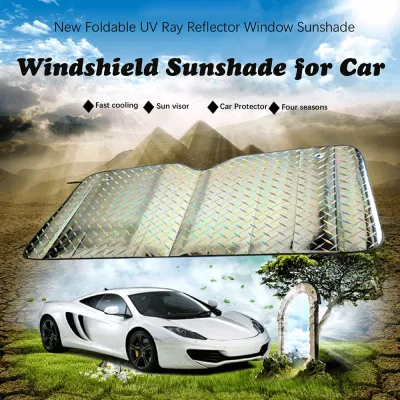
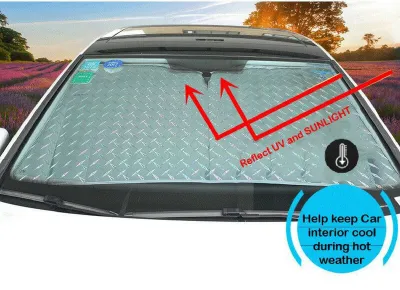
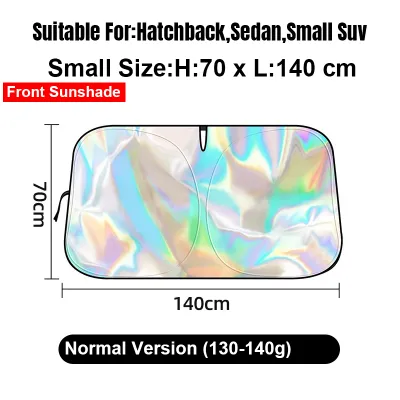
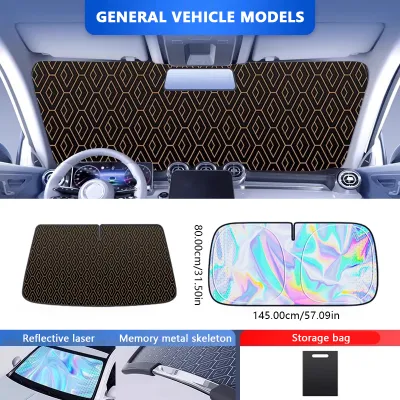
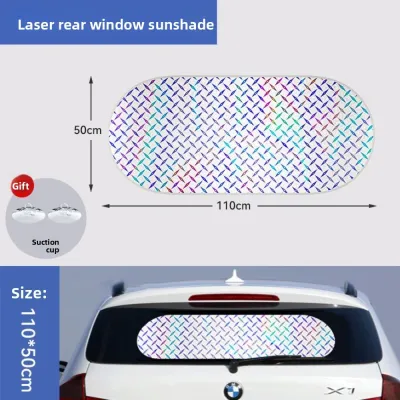
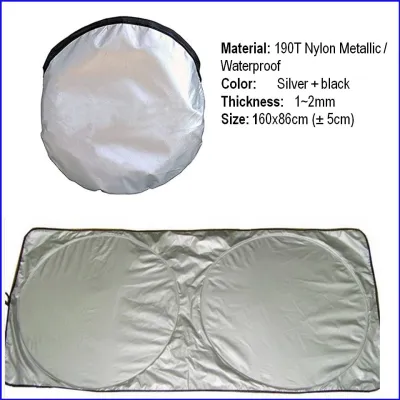
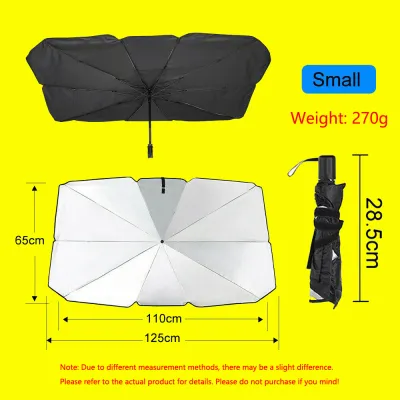
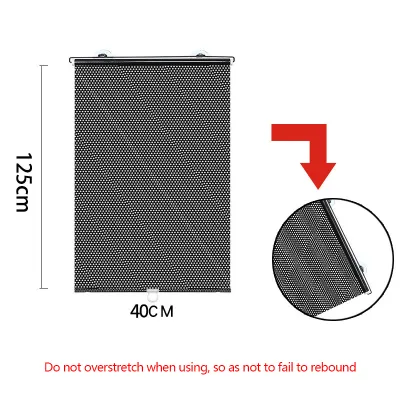
Prices are valid at publication and may change. Please refer to the product page for the latest price.
Side windows are smaller, more vertical, and positioned next to the occupants. While they contribute to overall cabin heat, their primary impact is localized discomfort caused by direct sunlight striking passengers. Side window shades are designed to diffuse or block this lateral light, protecting eyes and skin from harsh glare. They are particularly useful for keeping rear-seat passengers comfortable during long daytime trips.
When shopping for either type, it is important to check manufacturer labels for specific material properties and intended use cases. Some shades use highly reflective metallic foils to bounce heat away, while others use dense mesh fabrics designed to filter light while maintaining some outward visibility. Assuming all shades perform identically can lead to poor heat rejection or compromised safety, so verifying the material specifications is a crucial first step.
Choose a Front Windshield Sunshade If…
Your primary concern is protecting your vehicle’s interior materials and reducing the initial blast of heat when entering a parked car. Prolonged exposure to direct sunlight can cause sensitive dashboard plastics to dry out, fade, and eventually crack. Furthermore, unshaded steering wheels and leather seats can become painfully hot to the touch, while windshield-mounted electronics like dashcams or toll readers risk overheating and malfunctioning.

This option is highly recommended if you frequently park in open-air parking lots, street spaces, or unshaded driveways. In these environments, the front of the vehicle often bears the brunt of direct solar radiation for hours at a time. Deploying a front windshield shade keeps the steering wheel, gear shifter, and front seats at a manageable temperature, allowing your air conditioning system to cool the cabin much faster once you start driving.
Before purchasing, you must verify the exact dimensions of your windshield. While universal-fit shades are widely available, they may leave gaps around the edges or struggle to clear large rearview mirror housings and sensor arrays. Custom-fit options, though sometimes requiring a higher initial investment, are tailored to the specific curvature and dimensions of your vehicle’s glass, ensuring maximum coverage and heat rejection.
Choose Side Window Sunshades If…
You frequently travel with passengers, children, or pets in the rear seats who complain about the heat and glare of the afternoon sun. Side window shades excel at creating a shaded, comfortable microclimate for individual seating positions. They prevent direct sunlight from shining into passengers’ eyes, making it easier to rest or view screens during road trips.
These shades are also the ideal choice if you require added privacy for your rear cabin, whether for security or personal comfort. Unlike front windshield shades, which are strictly designed for stationary parking, many side window shades are engineered to remain in place while the vehicle is in motion. This makes them an active comfort feature rather than a passive parking accessory.
However, you must carefully check the window mechanism compatibility before buying. Static cling and magnetic frame shades are popular for their ease of installation, but some designs can interfere with rolling the windows down or damage the rubber door seals. Ensure the product you select allows for normal window operation or is easily removable when you need to pay tolls, access parking ticket machines, or enjoy fresh air.
Essential Specifications to Verify Before Purchase
To ensure your chosen sunshade is safe, effective, and convenient to use, you must verify several key specifications against your vehicle’s layout. Fitment is the most critical factor; a shade that is too small will let in significant amounts of heat, while one that is too large will sag and fail to stay in place. Measure your glass surfaces manually rather than relying solely on generic vehicle category recommendations on online marketplaces.
| Specification | Front Windshield Sunshade | Side Window Sunshade |
|---|---|---|
| Primary Benefit | Reduces overall cabin heat and protects the dashboard | Blocks direct glare and increases passenger privacy |
| Best Use Case | Stationary parking in open, unshaded areas | Passenger comfort while driving or parked |
| Fitment Priority | Precise edge-to-edge coverage around the rearview mirror | Compatibility with window frames and rolling mechanisms |
| Storage Consideration | Requires space under seats, in the boot, or in door pockets | Often rolls or folds into compact door pocket storage |
Material and structural design also dictate how easily you can deploy and store the shade daily. Accordion-folding and roll-up front shades are highly durable but can be bulky to store in smaller cabins. Umbrella-style front shades open quickly but contain mechanical joints that require careful handling around delicate dashboard screens. For side shades, decide between temporary static cling mesh, magnetic frames that snap onto the metal door border, or retractable roller designs.
Safety and visibility must never be compromised for the sake of temperature control. Side window shades installed on the front doors must not obstruct the driver’s view of the side mirrors or critical blind spots. Always check local traffic regulations regarding the use of window coverings while driving. For front windshield shades, ensure the mounting mechanism—whether using the vehicle’s built-in sun visors or suction cups—is secure enough to prevent the shade from falling forward onto the dash.
Frequently Asked Questions (FAQ)
Can I use a front windshield sunshade on my side windows?
Using a front windshield sunshade on your side windows is generally impractical and unsafe. Front shades are specifically shaped to match the wide, trapezoidal dimensions of a windshield and will not fit the smaller, more rectangular profile of side windows. Attempting to force a rigid or oversized front shade into a side window space can block your side mirrors, obstruct your blind-spot visibility, and potentially damage the delicate window regulators, tracks, or rubber seals if the window is accidentally operated.
Do I need both front and side sunshades for maximum cooling?
Using both front and side sunshades provides the highest level of heat rejection when your vehicle is parked in direct sunlight. Because solar energy enters through every piece of glass, covering all windows minimizes the greenhouse effect inside the cabin. For daily use, deploying a front shade while parked handles the bulk of the heat load, while side shades can be left on the rear windows to maintain passenger comfort and privacy both during parking and while driving.

Community discussion
Share your experience or ask a question. Comments are reviewed before publication.