
Quick Answer: Do You Need Front, Side, or Both?
To manage cabin temperatures and protect your vehicle’s interior from intense sunlight, the ideal sunshade setup depends on your daily parking habits and passenger needs. For most drivers, a front windshield sunshade is the absolute priority because the front windshield represents the largest single entry point for solar radiation. Direct sunlight streaming through this massive glass panel rapidly heats up the dashboard, steering wheel, and front seats, raising the overall cabin temperature.
Side window sunshades serve a different, highly targeted set of purposes. Rather than acting as the primary line of defense against overall cabin heat, they excel at reducing localized glare, protecting rear-seat passengers from direct sun exposure, and providing privacy. They also help shield door panels and seat shoulders from localized fading.
If you frequently park your vehicle outdoors in open-air parking lots under the intense tropical sun, using both front and side sunshades offers the most comprehensive protection. However, if you primarily park in sheltered multi-storey car parks and only need to keep the sun off your children or passengers during daytime drives, a set of high-quality side window shades may be your most practical starting point.
Products mentioned in this guide
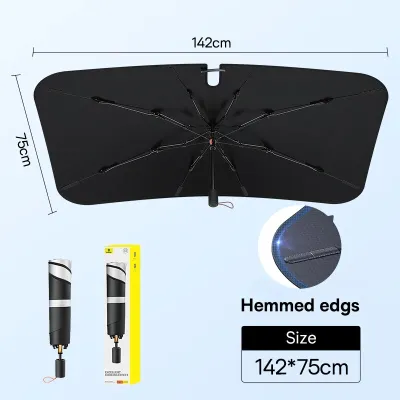
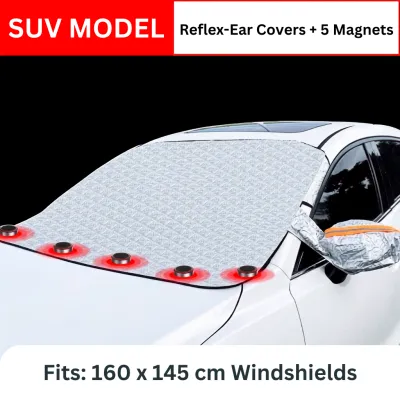
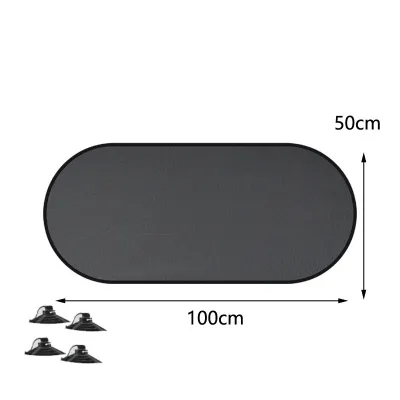
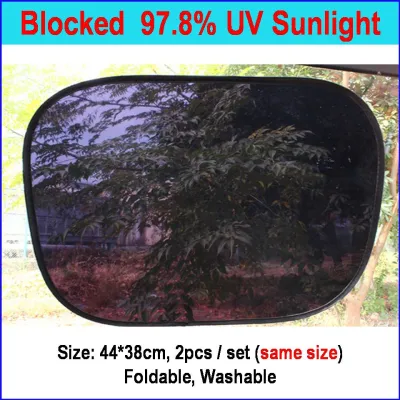
Prices are valid at publication and may change. Please refer to the product page for the latest price.
Functional Differences: Front Windshield vs. Side Windows
Understanding how these two types of sunshades perform thermally and optically helps you make an informed decision based on actual cabin dynamics.

Heat Rejection and Thermal Dynamics The front windshield is positioned at an angle that invites direct, intense solar radiation throughout the day. A front windshield sunshade acts as a physical barrier right at this entry point, reflecting or absorbing solar energy before it can reach the dark surfaces of your dashboard and steering wheel. By stopping heat transfer at the glass, it prevents the dashboard from acting as a giant radiator that continuously warms the cabin air.
In contrast, side window sunshades manage localized heat buildup. While they do contribute to lowering the overall cabin temperature, their primary thermal benefit is preventing hot spots on specific interior surfaces, such as leather seats and door armrests, which can become painfully hot to the touch.
UV Protection and Interior Longevity Both front and side sunshades play a critical role in preserving your car’s interior materials, but they target different areas. The front shade protects the highly vulnerable dashboard, instrument cluster, and front seat upholstery from drying, cracking, and fading. Side shades protect the door trim, side pillars, and rear passenger seats.
When shopping, it is vital to check the manufacturer’s product specifications for verified ultraviolet (UV) protection ratings. Do not assume all materials offer equal protection; some basic mesh fabrics only block visible light while allowing harmful UV radiation to pass through, whereas specialized multi-layer reflective materials are designed to block both.
Glare Reduction and Privacy A front windshield shade is designed strictly for parked use to eliminate dashboard glare and keep the cabin private when stationary. Side window shades, however, offer ongoing optical benefits. Many mesh-style side shades can remain installed while the vehicle is in motion (subject to local visibility laws), reducing blinding glare for rear passengers and keeping the cabin interior obscured from outside onlookers, which enhances security for items left on the seats.
Safety, Visibility, and Legal Boundaries
Before purchasing any aftermarket window accessories, you must understand the safety and legal constraints governing their use to ensure you do not compromise your safety or violate traffic regulations.
Driving vs. Parked Use Opaque, solid, or highly reflective sunshades must only be used when your vehicle is stationary and safely parked. Operating a vehicle with a front windshield shade or opaque side shades installed is extremely dangerous and illegal, as it completely obstructs your field of vision. Even semi-transparent mesh shades on front side windows can severely impair your ability to see side mirrors and pedestrians, especially during evening hours or heavy rain.
Side Mirror Interference and Blind Spots If you choose to use removable side window shades while driving, you must verify that they do not block your direct line of sight to the side mirrors. Suction cup or static-cling shades that cover the entire front side windows can create dangerous blind spots. Always prioritize an unobstructed view of the road and surrounding traffic over sun protection while the vehicle is in motion.
Airbag and Sensor Clearance Modern vehicles are equipped with sophisticated safety systems, including side-curtain airbags housed in the roof pillars and advanced driver assistance systems (ADAS) sensors mounted near the rearview mirror. When installing any sunshade, you must ensure it does not interfere with these components.
- Airbag Deployment Paths: Side window shades that clip tightly to the window frame or upper door trim must not obstruct the deployment paths of side-curtain airbags. Consult your vehicle's owner manual to locate these deployment zones.
- Sensor Obstruction: Front windshield shades must be positioned so they do not press against or misalign the front-facing cameras, rain sensors, or automatic headlight sensors mounted on the windshield.
How to Choose the Right Setup for Your Car
To determine the most effective configuration for your vehicle, evaluate your specific driving environment, passenger requirements, and parking conditions.
Choose Front Windshield Shades If:
- Your vehicle is regularly parked outdoors in direct sunlight for extended periods.
- You want to prevent your dashboard from cracking, warping, or fading over time.
- Your primary goal is to lower the initial cabin temperature so your air conditioning system can cool the interior more rapidly upon entry.
- You want to keep the steering wheel and front seats cool enough to touch comfortably immediately after opening the door.
Choose Side Window Shades If:
- You frequently carry passengers in the rear seats, such as young children or pets, who are sensitive to direct sunlight and heat.
- You want to reduce glare on rear-seat entertainment screens or mobile devices during daytime trips.
- You require extra privacy for rear passengers or want to deter opportunistic theft by keeping the rear cabin contents less visible from the outside.
- You want to protect specific areas of your rear leather upholstery from localized sun damage.
Choose Both If:
- You live in a consistently hot, tropical climate and frequently park in uncovered spaces.
- You want the maximum possible thermal protection for your entire cabin, ensuring that both the front and rear sections remain shielded from solar heat gain.
- You want to minimize the workload on your vehicle's air conditioning system, which can help improve overall fuel efficiency or battery range over time.
Verify First If:
- Your vehicle already has high-performance window tinting installed, as adding physical shades may offer diminishing returns or require specific mounting methods to avoid damaging the tint film.
- Your car has complex window geometries or frameless doors, which can limit the compatibility of certain universal mounting systems.
Fitment, Storage, and Daily Usability Trade-offs
The practicality of a sunshade depends heavily on how easy it is to install, remove, and store during your daily routine.
Custom-Fit vs. Universal Shades Custom-fit sunshades are designed specifically for your vehicle’s make and model. They offer a snug fit that minimizes gaps around the edges, maximizing heat rejection and preventing light leaks. However, they are generally more expensive and cannot be transferred to a different vehicle model. Universal shades are highly affordable and widely available, but they often leave gaps or require awkward overlapping to cover the glass surface adequately.
Installation Mechanisms Different sunshade designs require varying levels of effort to deploy and secure:
- Magnetic Shades: These attach quickly to the metal frame of your vehicle's doors, making them incredibly easy to install and remove without leaving residue. They are highly convenient but only work on vehicles with steel door frames.
- Static Cling and Suction Cups: These adhere directly to the glass. While simple to use, suction cups can lose suction over time due to heat exposure, and static cling sheets require a clean glass surface to stay secure.
- Accordion and Roll-Up Shades: Front windshield shades often use a folding accordion design or a flexible spring-wire frame that twists to fold. While highly effective, large front shades require physical effort to unfold and position behind the rearview mirror, which can be cumbersome in tight cabin spaces.
- Umbrella-Style Shades: These open like a standard umbrella inside the cabin to press against the windshield. They are quick to deploy but require careful handling to avoid scratching the dashboard or striking the center console screen.
Storage Constraints Before purchasing, consider where you will store the sunshades when they are not in use. Rigid, custom-fit front shades often roll up into bulky cylinders that can take up significant space in your trunk or rear footwell. Foldable spring-wire shades collapse into compact circles that can easily slide into seatback pockets or under the front seats. Ensure your vehicle has convenient, accessible storage space for your chosen style so that deploying the shades does not become a daily hassle.
Frequently Asked Questions (FAQ)
Do I still need a sunshade if my car windows are already tinted?
Yes, physical sunshades still provide significant benefits even if your vehicle has tinted windows. While high-quality window tinting is excellent at reducing glare and blocking a portion of solar heat while driving, it still allows some thermal energy to pass through the glass. When your car is parked stationary in direct sunlight, this heat gradually accumulates inside the cabin. A physical, reflective sunshade acts as a barrier that bounces solar radiation back out through the glass before it can be absorbed by your dashboard and seats, providing a level of thermal protection that tinting alone cannot match. Always ensure your window tint complies with local regulations before adding physical shades.
Can side window sunshades damage my car's window tint or seals?
Some types of side window sunshades can potentially damage aftermarket window tint films or rubber weather seals if installed incorrectly. Suction cups or adhesive mounts attached directly to the inner glass surface can scratch, peel, or leave stubborn residue on delicate tint films over time. Additionally, shades that clip tightly into the window channel can put extra pressure on the rubber weather seals, potentially causing premature wear or wind noise. To minimize these risks, consider using magnetic shades that attach directly to the metal door frame, or static-cling shades that do not rely on harsh adhesives or hard plastic clips.

Community discussion
Share your experience or ask a question. Comments are reviewed before publication.