
Choosing between a front windshield sunshade and side window sunshades comes down to identifying where your car spends most of its day and who is riding in the back. A front windshield sunshade acts as a primary barrier against direct, overhead solar radiation, keeping your dashboard, steering wheel, and front seats from absorbing extreme heat. In contrast, side window sunshades are designed to block angled sunlight, protecting passengers from harsh glare and reducing UV exposure on their skin during transit.
For most drivers, the ideal setup is not an either-or decision but rather a combination tailored to daily routines. If you frequently park in open, unshaded areas, using both types of shades offers the most comprehensive defense against interior degradation. However, if your main concern is keeping the steering wheel cool enough to touch after work, a high-quality front windshield cover may be all you need.
How Front and Side Sunshades Differ in Heat and UV Protection
To make an informed decision, it helps to understand how solar radiation interacts with your vehicle’s glass. The front windshield is typically the largest piece of glass on your car and is angled in a way that invites maximum overhead sunlight. This positioning allows solar energy to penetrate deep into the cabin, directly striking the dashboard and steering wheel, which act as heat sinks.
Products mentioned in this guide
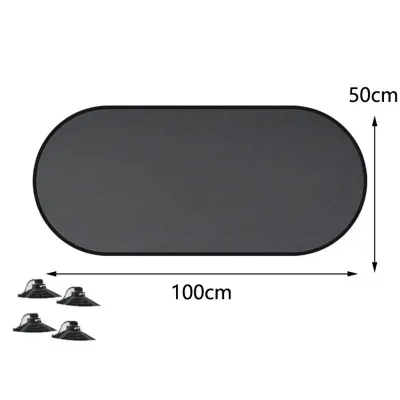
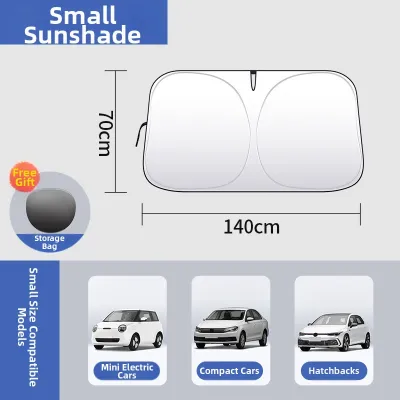
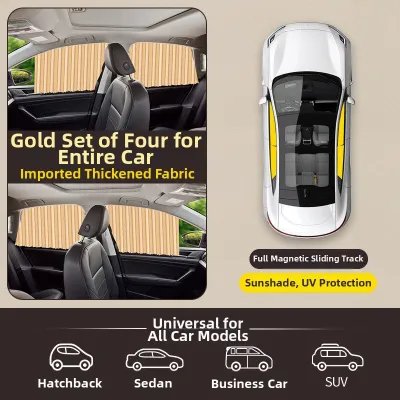
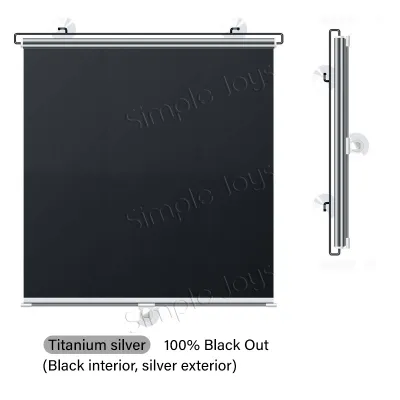
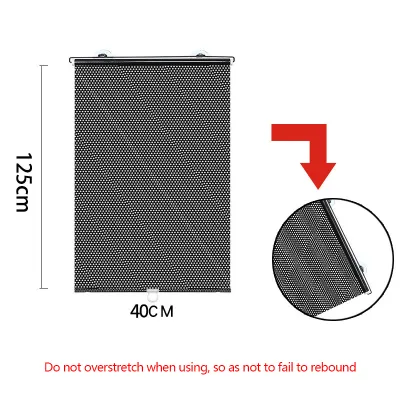
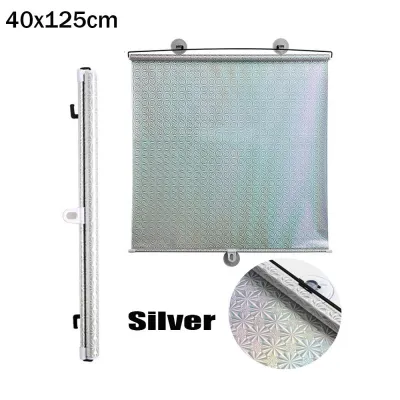
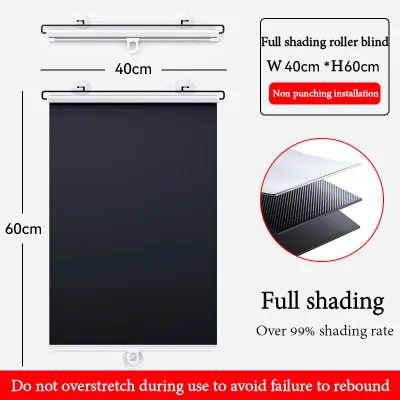
Prices are valid at publication and may change. Please refer to the product page for the latest price.
A front window cover sunshade is specifically engineered to intercept this overhead light before it reaches these sensitive interior surfaces. By reflecting or absorbing the rays right at the glass barrier, these shades prevent the materials inside from heating up and radiating warmth back into the cabin air. This is crucial for preserving the integrity of your dashboard, which can crack or fade over time under constant exposure.
Side windows, on the other hand, are positioned vertically and receive angled sunlight as the sun moves throughout the day. While they do not let in as much direct overhead heat as the windshield, they are the primary source of glare and UV exposure for passengers. Side window sunshades serve to block this lateral light, creating a more comfortable environment for rear passengers, especially children and pets.
When shopping for either type of shade, it is important to look past generic marketing claims of total heat blockage. Instead, check the product packaging or manufacturer specifications for verified UV protection ratings, such as an Ultraviolet Protection Factor (UPF) rating. Reflective materials, such as double-sided aluminum foil or specialized metallic fabrics, generally offer better heat reflection compared to simple mesh fabrics, which are better suited for basic glare reduction.
Which Sunshade Setup Fits Your Daily Parking Environment?
Your daily parking habits are the most practical guide for deciding which sunshades to buy. Vehicles left in open, unshaded outdoor parking lots for hours at a time face the most severe solar exposure. In these environments, the sun rotates around the vehicle, penetrating every piece of glass at different hours of the day.

For unshaded outdoor parking, a complete setup involving both a front windshield shade and side window shades is highly recommended. This combination creates a continuous barrier that minimizes the greenhouse effect inside the cabin. Without this dual protection, heat blocked at the front will simply enter through the sides, leaving your seats and seatbelts uncomfortably hot.
If you typically park in partially shaded areas, such as under trees or next to tall buildings, your exposure is much more localized. In these scenarios, a front windshield sunshade is often sufficient on its own. Because the building or tree canopy blocks a portion of the angled side light, you can usually get away without installing side shades, saving you setup time when parking.
For those who primarily park in indoor garages or basement parking structures, the need for daily sunshades is minimal. The concrete structure blocks all direct sunlight, keeping the vehicle’s interior at ambient garage temperatures. If this matches your routine, you might only need a basic, easily storable front windshield shade for occasional weekend trips or outdoor errands.
Aligning Your Choice With Comfort and Interior Protection Goals
Beyond parking locations, your specific comfort priorities and passenger needs should dictate your purchase. If your primary goal is to prevent physical discomfort and burn hazards when entering your car, your focus should be on the front windshield. The steering wheel, gear shift, and metal seatbelt buckles can reach incredibly high temperatures when exposed to direct sunlight, making a front shade an essential safety tool.
If you frequently travel with family, particularly young children in car seats, passenger comfort becomes the priority. Side window sunshades are invaluable for blocking the direct glare that can make car rides miserable for rear passengers. They also help protect sensitive skin from UV rays that penetrate standard side glass, which is often less protected than the laminated glass used for front windshields.
It is important to manage expectations regarding overall cabin cooling. While a window cover sunshade is highly effective at keeping interior surfaces cool to the touch, it cannot completely stop the ambient air inside the car from warming up over several hours. To achieve a truly comfortable cabin temperature, you should combine the use of sunshades with proper ventilation, such as rolling down the windows for a minute to let hot air escape before turning on the air conditioning.
Daily Usability, Storage, and Safety Checks
A sunshade is only useful if you actually take the time to install it every day, making usability a key factor. Front windshield shades come in several designs, including classic accordion-fold styles, spring-loaded roll-up designs, and flexible pop-up wire frames. Accordion styles are highly durable but can be bulky to store, while pop-up frames fold down into compact circles that fit easily into seat pockets.
Side window shades offer different installation mechanisms, such as static-cling sheets, suction cups, or magnetic frames that attach to the metal door frame. Static-cling and magnetic options are generally preferred as they do not leave residue on the glass and allow for quick removal. However, you must ensure that any side shade you choose does not interfere with the physical operation of the window regulator if you plan to roll the window down.
Storage space within your vehicle should also influence your choice. Before purchasing a large, rigid front shade, measure your glovebox, door pockets, or under-seat storage to ensure you have a convenient place to tuck it away while driving. A shade that is difficult to store often ends up tossed into the back seat, creating clutter and potentially blocking your rear view.
Finally, safety and legal compliance must be your top priority when installing any window cover sunshade. In Singapore, traffic regulations require drivers to maintain an unobstructed view through the front windshield and front side windows while the vehicle is in motion. Side window shades, especially dark mesh or solid fabric types, should only be used on rear passenger windows while driving, or removed entirely before you set off to ensure complete visibility of your side mirrors.
Frequently Asked Questions (FAQ)
Can You Use a Front Windshield Sunshade on Side Windows?
Using a front windshield sunshade on a side window is generally impractical due to significant size and shape mismatches. Front windshield shades are designed for large, wide, rectangular spans of glass, whereas side windows are much smaller and often trapezoidal or curved. Trying to force a front shade into a side window space results in large gaps that let in UV rays, and the excess material can easily fall down or block your physical controls.
Do Window Cover Sunshades Actually Lower Cabin Air Temperature?
Window cover sunshades are primarily designed to reduce the surface temperature of your dashboard, steering wheel, and seats rather than lowering the ambient air temperature. While they prevent these surfaces from absorbing and radiating intense heat, the air inside the car will still warm up over time due to conduction through the metal body. To cool the cabin air effectively, use your sunshades to protect the surfaces, then open the doors or roll down the windows to vent the trapped hot air before starting your drive.

Community discussion
Share your experience or ask a question. Comments are reviewed before publication.