
Deciding between a front windshield sunshade and side window sunshades for your Noah R90 comes down to when and where you experience the most discomfort from heat and glare. If your primary goal is to lower the cabin temperature of your parked multi-purpose vehicle (MPV) and protect its expansive dashboard from intense tropical heat, a front windshield sunshade is your most critical investment. However, if your main concern is shielding rear-seat passengers, toddlers, or elderly family members from harsh lateral glare and heat while the vehicle is in motion, side window sunshades are a highly effective choice. For many MPV owners, a strategic combination of both provides a comprehensive defense against the elements.
Identifying Your Heat and Glare Pain Points
To determine the ideal starting point for your Noah R90, you must first diagnose where and when solar heat causes the most disruption to your daily routine. The Noah R90 features a generous glass house design with large windows that maximize visibility but also invite significant solar heat gain. If you frequently park in open-air surface carparks under direct sunlight, you likely face a scorching cabin, a burning steering wheel, and a hot dashboard every time you return to your vehicle. This intense heat buildup forces your air conditioning system to work overtime, increasing fuel consumption and delaying your comfort.
Conversely, if your daily routine involves long commutes along expressways during sunrise or sunset, lateral sun exposure becomes the primary issue. Rear passengers, particularly children strapped into child safety seats in the second or third rows, are highly vulnerable to direct sunlight streaming through the large sliding door windows. This lateral glare not only causes physical discomfort and eye strain but can also rapidly heat up localized areas of the cabin even while the climate control is running.
Products mentioned in this guide
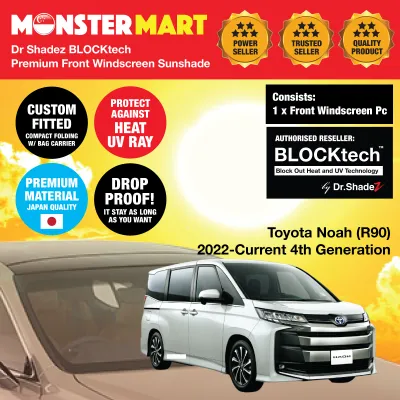
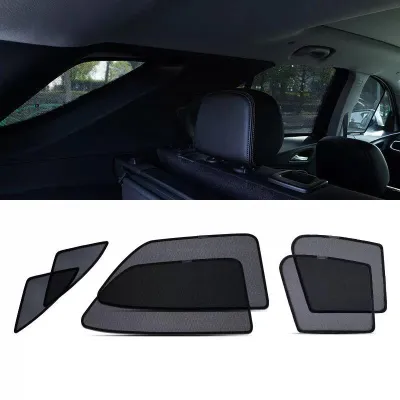
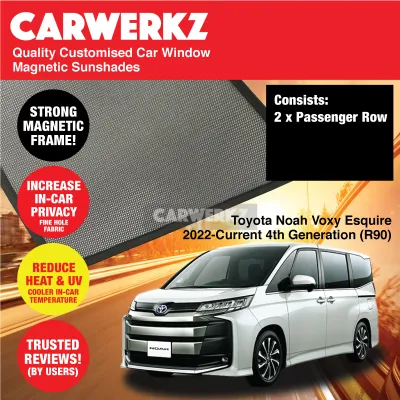
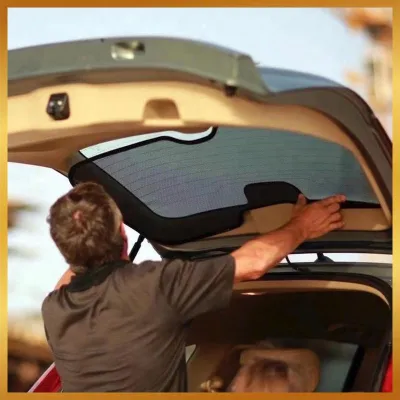
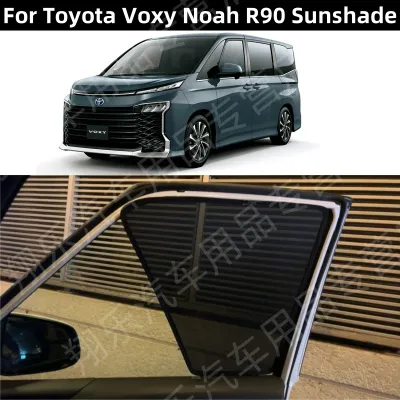
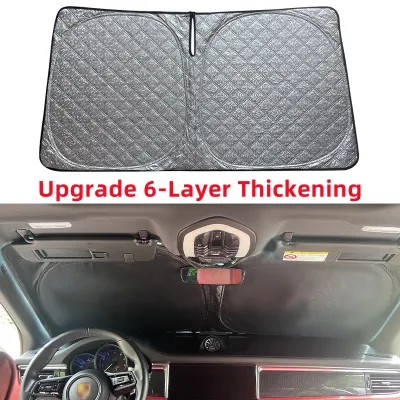
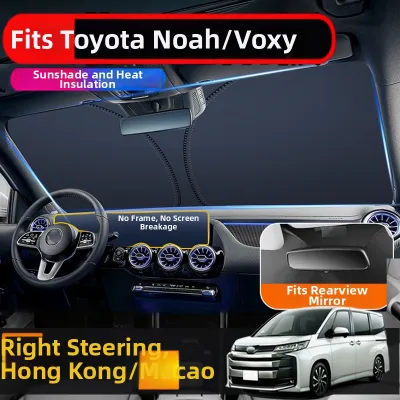
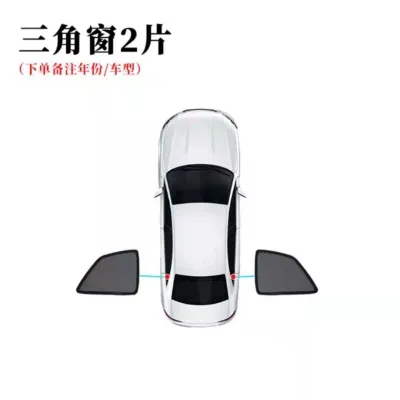
Prices are valid at publication and may change. Please refer to the product page for the latest price.
Your typical parking environment and driving routes should dictate your priority. If your vehicle spends most of its day in a sheltered multi-storey carpark and is primarily driven at night or during overcast periods, side window shades for passenger comfort might be a secondary concern. However, if your Noah R90 is a daily family workhorse exposed to constant daytime sun, evaluating both front and side solutions is necessary to maintain a balanced, comfortable cabin temperature.
Front Windshield Sunshades for Dashboard Protection and Cooling
The front windshield of the Noah R90 is exceptionally large and steeply raked, acting as a massive gateway for solar radiation. A dedicated front windshield sunshade acts as a physical barrier, blocking direct sunlight before it can penetrate the glass and strike the dark surfaces of your dashboard, steering wheel, and front seats. By reflecting or absorbing this energy at the glass line, a high-quality shade prevents the dashboard materials from absorbing heat and radiating it back into the cabin air, keeping the interior cooler during prolonged parking.

When selecting a front windshield shade for the Noah R90, achieving a precise fit is paramount. Universal, one-size-fits-all shades often leave substantial gaps around the edges, allowing concentrated beams of sunlight to bypass the barrier and heat up sections of the dashboard. Furthermore, the Noah R90 features a prominent sensor and camera housing near the rearview mirror for its advanced driver assistance systems. A proper sunshade must include a dedicated cutout or flexible section to accommodate this housing without putting pressure on the mirror assembly or blocking the sensors.
Material selection plays a critical role in the overall effectiveness of a front windshield shade. Many premium options utilize a multi-layered construction, featuring an outer reflective metallic foil layer to bounce solar rays away, paired with an inner insulating foam or felt layer to block heat transfer. When shopping, always check the manufacturer’s product labels and specifications to verify the material composition and reflective properties rather than assuming all silver-colored shades perform identically.
Additionally, consider the practical aspects of daily storage and deployment. Because of the windshield’s large surface area, the corresponding sunshade will be bulky when fully expanded. You should evaluate whether a wire-frame twist-and-fold design, a classic accordion-style folding shade, or an umbrella-style mechanism fits best within your routine. Ensure that the folded dimensions allow the shade to be easily stowed in the front door pockets, under the front passenger seat, or in the seatback pockets when not in use.
Side Window Sunshades for Passenger Comfort and Glare Control
While front shades excel at managing heat in a parked vehicle, side window sunshades are designed to enhance the active driving experience for your passengers. The Noah R90’s second-row sliding doors and third-row side panels feature expansive glass areas that can subject passengers to intense lateral glare. Side window shades diffuse this direct light, creating a cooler, more shaded environment that is ideal for resting, viewing screens, or keeping young children comfortable during long journeys.
Mounting mechanisms for side shades vary widely, and their compatibility depends heavily on the Noah R90’s specific door frames and window seals. Magnetic sunshades are highly popular for this vehicle because they cling directly to the exposed metal frames of the doors, providing a clean, custom-fit look that stays secure even when the sliding doors are operated. Alternatively, static-cling films and suction-cup meshes offer a non-magnetic option, though they must be positioned carefully to avoid peeling off or leaving residue on the glass.
It is crucial to evaluate how side shades affect window operation and driver visibility. Mesh shades with a high density block more light but can significantly reduce the driver’s ability to check blind spots or view the side mirrors, especially during night driving or heavy rain. For safety, any shade installed on the front-row side windows must comply with local traffic regulations, which typically prohibit any physical obstructions that impair the driver’s view. Rear side shades should be designed to allow the power windows to roll down freely without catching on the shade material or mounting brackets.
Before purchasing, always check the manufacturer’s labels for material safety and certified ultraviolet (UV) protection ratings. High-quality side shades should specify their UV blocking capabilities, ensuring that passengers are shielded from harmful rays while enjoying a dimmed cabin. Avoid low-grade plastics that may emit unpleasant chemical odors when exposed to intense cabin heat over extended periods.
Comparing Daily Usability and Installation Effort
The long-term utility of any sunshade system depends on how easily it fits into your daily routine. A front windshield sunshade requires active deployment every time you park the vehicle in an exposed area. This involves reaching across the deep dashboard of the Noah R90, positioning the shade against the glass, securing it behind the sun visors, and carefully navigating around the rearview mirror. While this process only takes a minute, the physical effort and the need to fold and stow a bulky shade upon returning can become tedious for drivers who make frequent, short stops.
In contrast, side window shades are often semi-permanent installations. Once magnetic or static-cling shades are fitted to the rear passenger windows, they can remain in place for weeks or months without needing adjustment. This set-and-forget nature makes them highly convenient for daily family commutes. However, if you frequently transport passengers who prefer an unobstructed view of the outside, you will need shades that can be quickly detached and folded away without damaging the window seals or interior trim.
Safety must remain your top priority when assessing usability. While parked, a complete blackout setup using both front and side shades offers comprehensive thermal protection. However, before driving, the front windshield shade must be completely removed and stowed. The driver must also verify that any rear side shades do not create dangerous blind spots, particularly when merging onto expressways or reversing into tight parking spaces.
Finally, consider the wear and tear associated with frequent handling. Front shades that are constantly folded and unfolded are prone to creasing, delamination, or wire-frame fatigue over time. Side shades, especially those mounted on sliding doors, must withstand the mechanical vibrations of the doors opening and closing. Choosing durable, high-quality materials with reinforced stitching and robust mounting hardware ensures your investment survives the rigors of daily family use.
How to Choose the Right Sunshade Setup for Your Routine
To build the ideal sunshade strategy for your Noah R90, start by assessing your primary driving and parking habits. If your vehicle is parked outdoors for long hours during the workday, your priority should be a custom-fit front windshield sunshade. This single accessory will protect your dashboard electronics, prevent steering wheel burns, and lower the initial cabin temperature, making your drive home far more pleasant.
If your Noah R90 is primarily a family shuttle used for school runs, weekend outings, and road trips, prioritize high-quality side window shades for the second and third rows. Keeping your passengers cool and shielded from glare is essential for a peaceful cabin environment. For families with infants or young children, magnetic mesh shades that cover the entire window frame offer a balanced combination of coverage, ease of use, and safety.
For a comprehensive level of protection, a combined setup is highly recommended. Utilizing a reflective front windshield shade while parked, combined with semi-permanent magnetic side shades on the rear windows, provides excellent thermal defense. This dual-layer approach minimizes the greenhouse effect within the MPV’s large cabin, reducing the load on your air conditioning system and preserving the vehicle’s interior materials.
Before finalizing any purchase, always verify vehicle-specific fitment to ensure the shades are designed precisely for the Noah R90 generation. Additionally, consult your local traffic authority guidelines regarding window tinting and physical obstructions. Ensure that any front-row side shades are completely removed while driving to maintain full visibility and comply with road safety laws.
Frequently Asked Questions (FAQ)
Can I use a universal sunshade for the Noah R90 front windshield?
While universal sunshades are widely available, they rarely provide an optimal fit for the Noah R90’s exceptionally large and uniquely shaped front windshield. Universal options often leave significant gaps along the pillars and dashboard line, allowing heat and light to enter the cabin. They may also lack the necessary cutout for the prominent rearview mirror sensor housing, leading to unstable mounting or potential damage to the sensors. For complete coverage and secure placement, a vehicle-specific or custom-fit sunshade is highly recommended.
Do side window sunshades affect the Noah R90's power windows?
The impact of side window shades on your power windows depends entirely on their mounting style. Interior magnetic shades that attach to the metal door frame do not touch the glass or the window tracks, allowing you to operate the power windows completely unimpeded. Similarly, static-cling shades mounted directly to the glass will move with the window, though you must ensure they are completely flat to prevent peeling. Avoid using thick, clip-on exterior shades or poorly secured films that can get caught in the window seals and strain the power window motor.
Are reflective sunshades better than black fabric ones?
Reflective sunshades and black fabric shades serve different primary purposes based on their material properties. Reflective shades, typically coated with metallic foil, are designed to bounce solar radiation away from the vehicle, making them highly effective at reducing heat buildup in parked cars. Black fabric or mesh shades absorb a portion of the heat but excel at reducing visual glare and providing privacy for passengers while the vehicle is in motion. For parking, reflective materials are generally superior, while mesh fabric is preferred for passenger comfort during transit.

Community discussion
Share your experience or ask a question. Comments are reviewed before publication.