
Choosing between a front windshield sunshade and side window sunshades for your Jaecoo J6 depends on whether your primary goal is reducing overall cabin heat during parking or protecting passengers from glare while driving. For maximum heat rejection and dashboard protection, a front windshield sunshade is indispensable. If you want to keep rear passengers cool, block direct glare, and maintain privacy on the move, side window sunshades are the ideal choice. Combining both provides the ultimate defense against intense tropical heat.
Why the Jaecoo J6 Needs Targeted Sun Protection
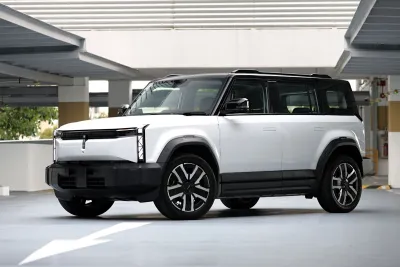
The Jaecoo J6 features a distinctive, boxy design characterized by upright pillars and expansive glass panels. While this styling provides excellent road visibility and a spacious cabin feel, it also creates a large surface area for solar radiation to penetrate. In tropical climates like Singapore, where high temperatures and intense sunlight are year-round realities, this extensive glass area can rapidly turn the vehicle interior into a greenhouse when parked outdoors.
Direct sunlight hitting the large, flat dashboard of the Jaecoo J6 is a primary source of cabin heat buildup. The dashboard acts as a thermal radiator, absorbing solar energy and slowly releasing it into the cabin air. Over time, prolonged exposure to ultraviolet (UV) rays can also degrade interior materials, leading to fading, cracking, or warping of the synthetic leather upholstery and soft-touch plastics.
Products mentioned in this guide
Prices are valid at publication and may change. Please refer to the product page for the latest price.
While the Jaecoo J6 may come with factory-tinted rear windows, standard privacy glass often lacks high-level infrared heat rejection. Darker glass reduces visible glare but does not necessarily block the thermal energy that raises cabin temperatures. This makes supplementary physical sunshades a practical necessity for maintaining a comfortable interior.
Understanding the difference between protecting interior materials and ensuring passenger comfort is key to choosing the right accessories. A front windshield shade is designed to protect the vehicle’s hardware and lower the baseline temperature, while side window shades focus on localized comfort for occupants during transit.
Front Windshield Sunshades: The Primary Heat Barrier
Because the front windshield is the largest single piece of glass on the Jaecoo J6, it is the primary entry point for solar heat. Deploying a front windshield sunshade blocks this energy before it can reach the dashboard, steering wheel, and front seats. This simple barrier significantly reduces the load on your vehicle’s air conditioning system when you first start driving.

When selecting a front windshield shade, the choice between custom-fit and universal models is critical. Custom-fit shades are tailored to the exact dimensions of the J6 windshield, ensuring a tight seal along the A-pillars and around the rearview mirror housing. Universal shades, while often more affordable, typically leave gaps at the edges that allow sunlight and heat to bypass the barrier.
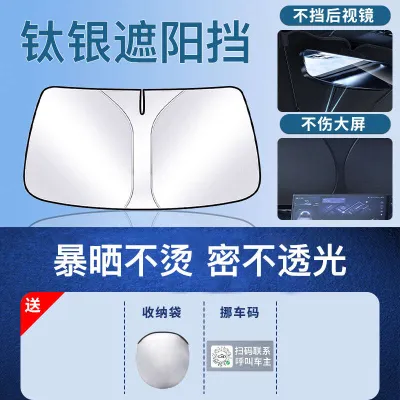
Material construction also plays a major role in performance. High-quality windshield shades utilize multi-layered designs, often featuring a reflective outer aluminum layer to bounce away light, a foam core for thermal insulation, and a soft inner backing to protect the interior trim. These layers work together to prevent heat transfer into the cabin.
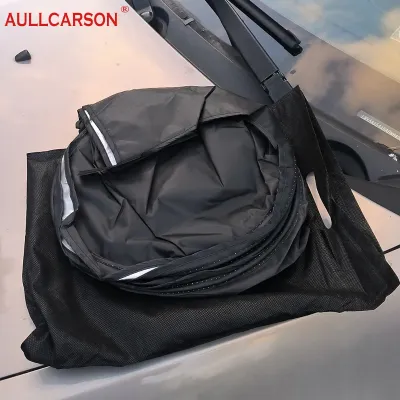
Storage and daily usability are practical factors to consider in the Jaecoo J6. Rigid, folding accordion-style shades offer excellent insulation but require dedicated space in the cargo area or rear footwell when not in use. Collapsible spring-wire shades are easier to twist and store in door pockets, though they may offer slightly less structural rigidity over time.
Side Window Sunshades: Glare Control and Passenger Comfort
Side window sunshades serve a different primary purpose than windshield shades, focusing heavily on passenger comfort and glare reduction while the vehicle is in motion. They are particularly beneficial for rear-seat passengers, infants in child seats, and pets who are highly sensitive to direct lateral sunlight.
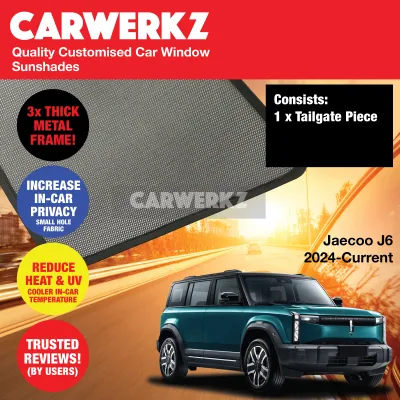
These shades generally come in three main mounting styles: static cling, suction cup, and magnetic mesh. Magnetic mesh shades are highly recommended for modern vehicles like the Jaecoo J6 because they snap directly onto the metal window frame. This design allows you to roll the window down for fresh air while keeping the shade securely in place to block insects and sunlight.
Static cling and suction cup options are highly portable and budget-friendly, but they can lose adhesion over time due to humidity and heat. Additionally, suction cups can leave residue on the glass, and these shades must be removed before you can lower the windows, limiting their convenience during daily use.
Driver visibility and legal compliance are critical safety considerations when using side window shades. In Singapore, traffic regulations strictly prohibit any physical obstructions on the front side windows that impair the driver’s view of the side mirrors. Consequently, side shades should only be deployed on the rear passenger windows while the vehicle is in motion.
Front vs. Side Window Sunshades: Key Comparison Dimensions
To determine which sunshade type best suits your needs, it is helpful to compare their performance, usability, and primary benefits side by side. Each type addresses a specific aspect of solar protection, and their strengths rarely overlap.
Windshield shades offer the highest overall heat rejection because they cover the largest glass surface area and block direct overhead sun. Side window shades offer lower overall heat reduction but excel at blocking lateral glare and protecting passenger skin from direct UV exposure during long drives.
Installation effort also differs between the two. A front windshield shade must be put up and taken down every time you park and drive, which can become tedious during short trips. Side window shades, particularly magnetic mesh types on the rear doors, can remain installed semi-permanently, requiring zero daily effort.
| Feature / Priority | Front Windshield Sunshade | Side Window Sunshades |
|---|---|---|
| Primary Purpose | Maximum cabin heat reduction (parked) | Glare reduction & passenger comfort (driving) |
| Coverage Area | Entire front windshield & dashboard | Individual side door windows |
| Usability While Driving | Strictly prohibited | Rear windows only (front windows restricted) |
| Installation Method | Tension fit behind sun visors | Magnetic frame, suction cups, or static cling |
| Storage Profile | Foldable/rollable, stored in cargo area | Flat or collapsible, stored in seat pockets |
| Interior Protection | High (protects dashboard & electronics) | Moderate (protects rear upholstery) |
Decision Framework: Which Setup Fits Your Driving Routine?
Your daily driving habits, parking situations, and passenger requirements should dictate which sunshade setup you choose for your Jaecoo J6. There is no one-size-fits-all solution, but specific scenarios point clearly to one option over the other.
Choose a Front Windshield Shade If:
Your daily routine involves parking the Jaecoo J6 in open, unsheltered car parks for extended periods. If your main goal is to prevent a scorching steering wheel, protect the central touchscreen from heat damage, and lower the initial cabin temperature before your commute, a high-quality front windshield shade is your best investment.
Choose Side Window Shades If:
You frequently travel with family, children, or pets in the rear seats, especially during peak daylight hours. If your primary concern is lateral glare shining into passengers’ eyes or onto rear entertainment screens, a set of magnetic rear side shades will provide immediate, targeted relief.
Choose a Combined Setup If:
You want complete, 360-degree thermal and UV protection. Using a front windshield shade while parked, combined with rear side window shades while driving, offers the most comprehensive defense against heat buildup, ensuring a consistently cool cabin for all occupants.
Verify Existing Window Tints First
Before purchasing supplementary side shades, evaluate the performance of your existing window tint. If you have already installed high-grade aftermarket solar films with high Infrared Rejection (IRR) ratings, you may not need heavy side shades for heat control. In this case, lightweight mesh shades would only be necessary if you still experience discomfort from visual glare.
Fitment Verification and Safe Usage Guidelines
When purchasing sunshades for your Jaecoo J6, verifying exact fitment is essential to ensure safety and prevent damage to your vehicle’s interior. Because the J6 is a modern EV equipped with advanced technology, generic accessories can sometimes cause unintended issues.
Always check manufacturer specifications to ensure custom-fit front shades are designed specifically for the Jaecoo J6. The shade must feature a precise cutout around the rearview mirror assembly. This area houses critical Advanced Driver Assistance Systems (ADAS) sensors and cameras; a poorly fitting shade that presses against this housing can misalign or damage these sensitive components.
When installing front windshield shades, handle them carefully to avoid scratching the premium interior trim or the A-pillars. Choose shades with soft, fabric-bound edges rather than raw metallic or plastic borders. Ensure the shade is held securely by the sun visors so it does not collapse onto the dashboard while you are away.
For side window shades, prioritize safety by keeping the driver’s field of vision completely clear. Never install side shades on the front driver or passenger windows while driving, as this blocks your view of the side mirrors and creates dangerous blind spots. Always adhere to local transport authority guidelines regarding window obstructions to ensure your journeys remain safe and legally compliant.

Community discussion
Share your experience or ask a question. Comments are reviewed before publication.