
Deciding between a front windshield sunshade and side window sunshades depends on whether your primary goal is protecting your vehicle’s dashboard from intense heat or keeping rear-seat passengers comfortable during daily drives. While both options help manage cabin temperatures, they serve distinct roles in blocking solar radiation. Choosing the right car sunshade cover requires evaluating your typical parking environments, passenger needs, and how much effort you want to spend setting up and storing the shades.
The front windshield is the largest piece of glass on most vehicles, making it the primary entry point for solar heat and damaging ultraviolet rays. Conversely, side windows are smaller but remain constant sources of lateral glare and heat, especially for passengers sitting in the back. Understanding how each type of shade functions allows you to make an informed decision that matches your daily routine and budget.
Understanding Front Windshield Sunshades
Front windshield sunshades act as a primary barrier against solar radiation entering the cabin. Because the windshield is angled upward, it receives direct sunlight for most of the day, rapidly heating the dashboard, steering wheel, and front seats. A front sunshade sits directly behind the glass, reflecting or absorbing this incoming energy before it can penetrate deeper into the vehicle’s interior materials.
Products mentioned in this guide
![Car Windshield Sunshade Umbrella UV Protection [ Interior Temperature Reduction Car Foldable Accessories ]](https://img.lazcdn.com/g/p/adff6e9e5f18b905b6f38c84710c1276.jpg_400x400q80.jpg_.webp)
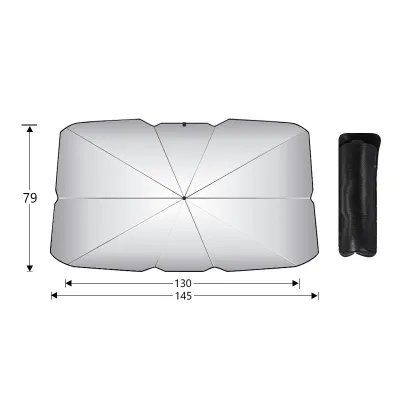
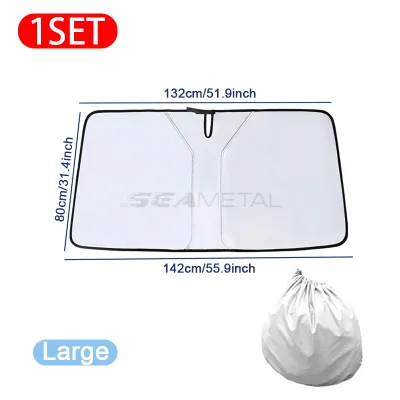
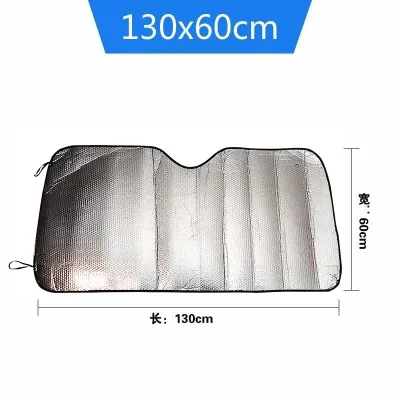
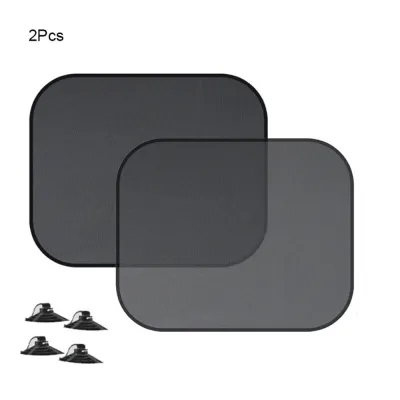
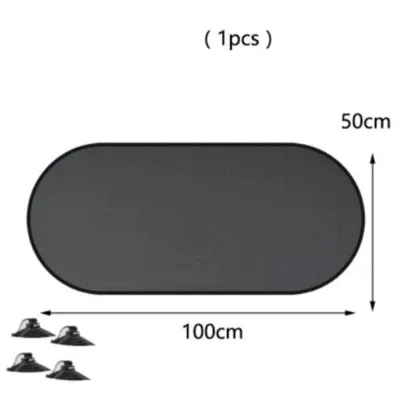
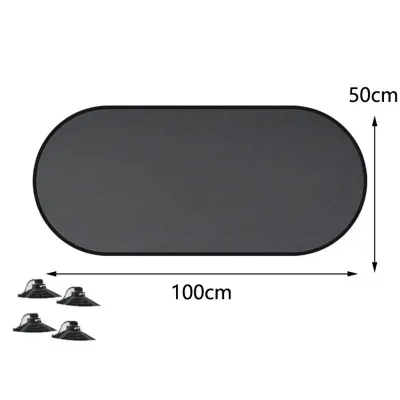
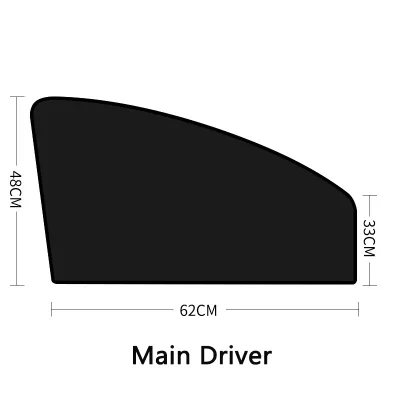
Prices are valid at publication and may change. Please refer to the product page for the latest price.
By blocking this direct sunlight, these covers help prevent the dashboard from cracking, fading, or warping over time. High-quality materials like reflective aluminum foil or specialized fabric layers bounce the light back out through the glass, keeping the steering wheel and front seats cool enough to touch comfortably. This protection is particularly valuable for vehicles with leather upholstery or sensitive electronic displays integrated into the dashboard.
These sunshades generally come in three main designs: foldable accordion-style, roll-up reflective sheets, and retractable models. Foldable and roll-up designs require manual setup every time you park, which involves unfolding the shade, placing it against the glass, and securing it with the sun visors. While highly effective, these loose shades require dedicated storage space, such as the back seat or trunk, when you are driving.
Retractable options offer the convenience of quick deployment but remain visible on the side of your windshield at all times. Custom-fit options are tailored to the exact dimensions of your vehicle’s windshield, ensuring minimal light gaps around the edges. Regardless of the design you choose, a front windshield shade is the most critical accessory for reducing overall cabin temperature when parked in open areas.
Understanding Side Window Sunshades
Side window sunshades focus on passenger comfort, glare reduction, and privacy rather than overall cabin heat deflection. While the front windshield lets in the most heat when parked, side windows expose passengers to direct sunlight while the vehicle is in motion. This lateral exposure can make long journeys uncomfortable, particularly for young children or pets seated in the rear.

These shades are highly effective at blocking direct glare, which can interfere with rear-seat passengers trying to sleep or look at screens. They also provide a crucial layer of protection for child safety seats, preventing metal buckles and synthetic fabrics from becoming dangerously hot. Additionally, side shades offer increased privacy from passersby, making them popular for families and those who frequently carry valuable items in the back seat.
The attachment methods for side window shades vary widely, including static cling films, suction cups, magnetic frames, and pull-down roller shades. Static cling options adhere directly to the glass without adhesives, allowing for a clean look, though they can peel over time if the window is rolled down. Magnetic shades attach to the metal frame surrounding the window, allowing you to roll the window down for fresh air while keeping the shade in place.
However, many side window shades limit your ability to operate the windows freely. Suction cup and static cling models must be removed before lowering the glass to prevent damage to the window mechanism or the shade itself. It is also essential to choose side shades that do not obstruct the driver’s view of the side mirrors, especially when driving in heavy traffic or parking in tight spaces.
Comparing Performance Based on Your Parking Situation
Your daily parking routine is the most significant factor in determining which car sunshade cover will provide the greatest benefit. If your vehicle spends most of the day parked in open-air lots under direct sunlight, a front windshield sunshade is an absolute necessity. Without it, the dashboard acts as a giant radiator, absorbing heat and radiating it throughout the cabin, making the air conditioning work much harder when you return.
For vehicles parked in shaded areas or angled parking spots, the angle of the sun changes throughout the day, meaning a front shade alone may not offer complete protection. In these scenarios, low-angle sunlight can stream through the side windows, heating up the seats and cabin materials from the side. Combining a front shade with side window shades ensures that your interior remains protected regardless of how the sun shifts over several hours.
Urban street parking presents unique challenges that require a balance between heat reduction, quick deployment, and security. If you frequently make short stops, a bulky front sunshade that takes several minutes to install and pack away might become tedious to use. In contrast, side window shades that remain semi-permanently attached, such as magnetic or static cling types, provide continuous protection without requiring daily setup.
Furthermore, street parking increases the risk of theft or vandalism if valuable items are left visible inside the vehicle. Side window shades obscure the view into the rear cabin, acting as a simple but effective deterrent. When choosing a sunshade system for urban environments, consider how quickly you can store the front shade and whether the side shades allow for clear visibility while navigating busy city streets.
Decision Framework: Which Car Sunshade Cover Should You Get?
To finalize your purchase decision, evaluate your primary driving habits, passenger requirements, and parking conditions against a clear set of priorities. If your main goal is to protect your dashboard from UV damage and lower the overall cabin temperature when parked, prioritize a high-quality front windshield sunshade. This is the single most effective accessory for reducing the initial heat blast when entering a parked car.
If you frequently travel with children, elderly passengers, or pets in the rear seats, side window sunshades should be your primary focus. These shades excel at blocking direct glare and keeping the rear cabin comfortable while the vehicle is moving. They are also the preferred choice if you require extra privacy or want to protect rear-seat upholstery and child safety seats from direct sun exposure.
For comprehensive protection during prolonged outdoor parking, a combination of both front and side shades offers the best results. Using them together creates a complete barrier that minimizes heat transfer from all major glass surfaces. This setup is ideal for vehicles parked in uncovered driveways or open workplace parking lots for eight or more hours a day.
Before purchasing any sunshade, verify if your vehicle has advanced driver assistance systems (ADAS) or electronic toll transponders mounted near the rearview mirror. Many modern cars feature cameras, rain sensors, or safety sensors in this area that require a sunshade with a specific cutout. Choosing a custom-fit front shade ensures these sensitive electronic components are not compressed, overheated, or obstructed by the shade’s frame.
Fitment, Safety, and Installation Checks
Ensuring proper fitment and safety is crucial before installing any car sunshade cover on your vehicle. Rather than relying on generic “universal” sizing labels, always check the manufacturer’s specifications for your exact vehicle make, model, and year. A sunshade that is too small will leave significant gaps that let in heat, while one that is too large will be difficult to install and may damage your interior trim.
When installing a front windshield sunshade, pay close attention to the area around the rearview mirror. The shade must not put physical pressure on the mirror mount, rain sensors, or forward-facing safety cameras. If your vehicle uses an electronic toll transponder or parking permit attached to the glass, ensure the sunshade can be positioned behind or around these devices without dislodging them.
For side window shades, safety during driving is the most critical consideration. Never install side shades on the front driver or passenger windows if they obstruct your view of the side mirrors or blind spots. In many jurisdictions, placing dark or opaque shades on the front side windows while driving is illegal and poses a severe safety hazard, especially during night driving or inclement weather.
Additionally, verify that side shades do not interfere with the operation of side-impact airbags, which are often housed in the roof pillars or seat bolsters. If you use magnetic or clip-on shades, ensure they are securely fastened so they do not become loose projectiles in the event of a sudden stop. Regularly inspect the attachment points of suction cups and static cling shades to ensure they remain clean and secure.
Frequently Asked Questions (FAQ)
Can I use both front and side sunshades at the same time?
Yes, using both front and side sunshades simultaneously provides the most comprehensive thermal and UV protection for your vehicle’s interior. This combination is highly recommended for vehicles parked outdoors for extended periods, as it blocks solar energy from multiple angles. However, keep in mind that deploying and storing multiple shades increases the time spent preparing your vehicle and requires more storage space inside the cabin when driving.
Do car sunshade covers leave residue on the windows?
The potential for residue depends entirely on the attachment method used for the sunshades. Static cling and magnetic shades generally leave no residue, making them excellent choices for maintaining clean glass. Suction cups can leave circular marks over time, which can be easily cleaned with standard glass cleaner. If you use adhesive-backed clips or brackets, they may leave a sticky residue upon removal, which requires a mild adhesive remover to clean safely without damaging window tints.
Are custom-fit sunshades better than universal ones?
Custom-fit sunshades offer superior edge-to-edge coverage and are tailored to accommodate specific rearview mirror shapes, safety sensors, and camera housings. This precise fit minimizes light gaps, resulting in more effective heat blocking and a cleaner appearance. Universal sunshades are generally more affordable and widely available, but they often require folding or overlapping to fit, which can leave gaps and put unnecessary pressure on your vehicle’s interior components.

Community discussion
Share your experience or ask a question. Comments are reviewed before publication.