
Choosing between a front windshield sunshade and side window sunshades depends entirely on your primary pain point: protecting the dashboard and lowering overall cabin heat during parked hours, or shielding passengers and reducing glare while driving. A front window sunshade cover is essential for prolonged outdoor parking, while side covers are better suited for passenger comfort and specific driving routes. In many cases, evaluating your daily routine will reveal whether you need one, the other, or a combination of both.
For drivers navigating tropical climates with intense, year-round sunlight, managing cabin heat is a constant challenge. Vehicles parked in open-air lots or on the top decks of multi-storey car parks bear the brunt of solar radiation, turning the interior into an oven within minutes. Understanding how different sunshade designs target specific areas of your car allows you to make an informed decision that preserves your vehicle’s interior materials and enhances passenger comfort.
Core Differences in Protection and Coverage
The primary distinction between front windshield and side window sunshades lies in their physical roles, coverage areas, and operational timing. A front windshield sunshade is designed to block the largest single entry point for solar radiation in your vehicle. Because the windshield is angled to maximize forward visibility, it allows a massive volume of sunlight to penetrate directly onto the dashboard, steering wheel, and front seats. Front shades focus heavily on heat rejection and material preservation, acting as a barrier that reflects or absorbs thermal energy before it can heat up the dense materials of your console.
Products mentioned in this guide
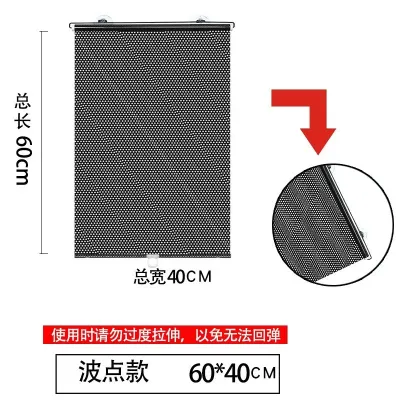
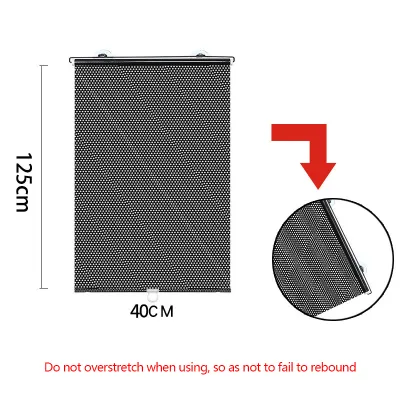
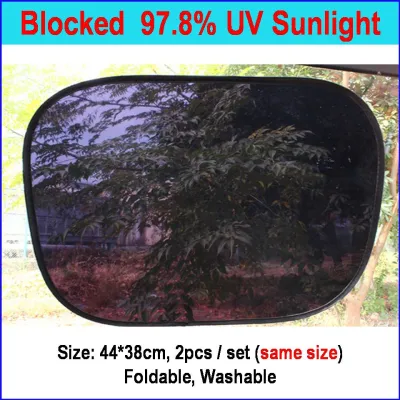
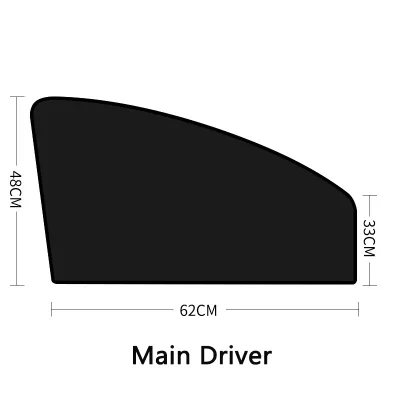
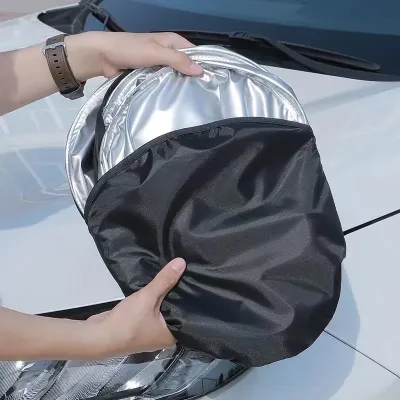
Prices are valid at publication and may change. Please refer to the product page for the latest price.
In contrast, side window sunshades target the vertical glass panels of the passenger cabin. While they do contribute to overall thermal management, their primary benefit is localized glare reduction and occupant comfort. Side shades are frequently used while the vehicle is in motion, shielding passengers from direct, harsh sunlight that can cause discomfort during long journeys. They also address different angles of solar penetration, especially when the sun is low on the horizon during morning or evening commutes.
The structural designs of these two types reflect their distinct functions. Front windshield covers are typically large, rigid, or highly structured panels made of reflective foil, bubble-wrap laminates, or dense fabric layers that fold or roll up for storage. Side window shades are much smaller and come in various formats, including flexible mesh screens, static-cling films, suction-cup panels, or magnetic fabric frames that snap onto the metal window borders. These structural differences dictate how they are installed, stored, and utilized throughout your daily drive.
When to Choose a Front Windshield Sunshade
A front windshield sunshade is the clear choice if your vehicle spends significant time parked outdoors in direct sunlight. The dashboard is highly vulnerable to solar damage, as it is constructed from plastics, vinyl, or leather that can dry out, fade, and crack under prolonged exposure to ultraviolet (UV) rays. By placing a reflective barrier directly behind the glass, you shield these sensitive materials from direct exposure, extending the lifespan of your interior trim and preserving your vehicle’s resale value.

Another critical factor is managing the initial cabin temperature before you begin driving. When sunlight streams through the massive front windshield, it heats up the steering wheel, gear selector, and front seats to temperatures that can be painful to touch. A front sunshade prevents this localized heat retention, allowing you to enter the vehicle and operate the controls comfortably without waiting for the air conditioning to cool down the surfaces. This is particularly beneficial in tropical urban environments where short trips are common and rapid cooling is highly desirable.
However, choosing a front windshield sunshade requires you to consider the physical deployment process and storage requirements. Because these shades must cover a large surface area, they can be cumbersome to unfold and position around the rearview mirror and sun visors, especially in compact cabins. You must also have a dedicated, accessible space to store the folded or rolled panel—such as behind the front seats or in the boot—so it does not interfere with passenger legroom or clutter the cabin when not in use.
When to Choose Side Window Sunshades
Side window sunshades are highly recommended if your primary concern is passenger comfort, privacy, and glare reduction while the vehicle is in motion. Rear passengers, particularly infants in rear-facing child safety seats and young children, are highly sensitive to direct sunlight streaming through side windows. Because they cannot easily adjust their position to escape the glare, installing side shades provides a consistent barrier that keeps them cool and prevents eye strain during daytime travel.
These shades are also invaluable for managing side glare during specific driving routes or times of day. When driving parallel to the sun’s path during sunrise or sunset, the driver and front passenger can experience intense lateral glare that makes it difficult to check side mirrors or maintain situational awareness. Side window shades designed for safe use while driving can mitigate this issue, though drivers must always ensure their field of view remains unobstructed according to local road safety regulations.
Privacy is another key benefit of side window covers. They reduce the visibility of the vehicle’s interior from the outside, which can deter opportunistic theft of items left on the rear seats. At the same time, high-quality mesh side shades allow passengers to maintain outward visibility, preventing a claustrophobic feeling inside the cabin. This balance of privacy and visibility makes them an excellent choice for families and daily commuters alike.
Feature Comparison and Specification Checks
When shopping for a window sunshade cover, verifying compatibility and physical specifications is crucial to ensure effective performance and safe operation.
Fitment Verification
Before purchasing any sunshade, you must verify the exact dimensions of your vehicle’s windows. Universal-fit front shades often leave gaps around the edges, allowing heat and UV rays to bypass the barrier, or they may be too large, making installation difficult and potentially damaging your rearview mirror or built-in camera sensors. Custom-fit options, designed specifically for your vehicle’s make, model, and year, provide complete edge-to-edge coverage and feature precise cutouts for sensors, dashcams, and mirrors. For side windows, custom magnetic shades that snap directly onto the metal window frame offer a seamless fit that does not interfere with window operation.
Material Inspection
It is essential to read product labels and packaging to verify the material properties of the sunshade. Look for clear indications of UV-reflective coatings, multi-layer thermal barriers, or certified heat-rejection ratings. Avoid relying on generic marketing claims of absolute heat blockage; instead, check for physical descriptions of the materials used, such as triple-laminated structures or high-density polyester mesh. For side shades, ensure the material is durable, tear-resistant, and free from strong chemical odors that can intensify when exposed to high cabin temperatures.
Storage and Deployment
Consider how easily you can install, remove, and store the sunshades during your daily routine. Front shades that fold like an accordion or twist into a compact circle are generally easier to handle than stiff, roll-up designs. For side shades, evaluate the attachment mechanism: static-cling options are easy to apply but can peel off over time, suction cups can leave residue on the glass, and magnetic frames offer secure attachment but require a magnetic metal door frame to function. Choose a system that aligns with your willingness to manage installation every time you park or drive.
| Verification Point | Front Windshield Sunshade | Side Window Sunshades |
|---|---|---|
| Primary Use Case | Parked vehicle heat rejection and dashboard protection | Passenger comfort, glare reduction, and privacy while driving |
| Fitment Type | Custom-fit or universal folding panels | Custom magnetic, static-cling, or universal mesh screens |
| Installation Method | Positioned against glass, secured by sun visors | Magnetic frame attachment, suction cups, or static-cling |
| Storage Footprint | Moderate to large (requires folding/rolling) | Minimal (flat folding or compact storage pouch) |
| Usage Timing | Strictly while parked | Parked or in motion (subject to local visibility laws) |
Making the Final Decision for Your Conditions
To make the right choice for your vehicle, evaluate your daily driving habits, parking conditions, and passenger needs against a clear decision framework.
Choose a front windshield cover if your vehicle is frequently parked outdoors in direct sunlight, such as in open-air parking lots or uncovered driveways. If your primary goals are protecting your dashboard from cracking, preventing your steering wheel from becoming too hot to touch, and lowering the initial cabin temperature before you start your commute, a high-quality front sunshade is an indispensable accessory.
Choose side window covers if your main concern is passenger comfort, reducing side glare during active driving, or adding privacy to the rear cabin. If you regularly transport children, pets, or rear-seat passengers who complain about the heat and glare, or if you frequently drive during sunrise and sunset when the sun is low, side shades will provide the targeted relief you need.
Consider combining both if your daily routine involves prolonged outdoor parking followed by long daytime drives with passengers. Using a front windshield shade while parked keeps the overall cabin temperature manageable, while keeping side window shades installed in the rear ensures your passengers remain comfortable and shielded from glare once you are on the road.
Before installing any side window covers, especially on the front doors, you must verify local traffic regulations regarding window visibility, tinting, and obstructions. Many jurisdictions strictly prohibit any covers, meshes, or tints on the front side windows that reduce the driver’s visibility of side mirrors or the surrounding traffic. Always prioritize road safety and legal compliance over sun protection when the vehicle is in motion.
Frequently Asked Questions (FAQ)
Can I use a front windshield sunshade while driving?
No, you must never use a front windshield sunshade while the vehicle is in motion. Front windshield covers are designed strictly for use when the vehicle is parked. Leaving any part of a front sunshade deployed while driving completely blocks your forward vision, creating an immediate and severe safety hazard for you, your passengers, and other road users. Always fully remove, fold, and securely store the front sunshade before starting your engine or moving your vehicle.
Do side window sunshades affect side mirror visibility?
Yes, poorly fitted or improperly installed side window sunshades can seriously obstruct your view of the side mirrors. This is particularly dangerous when changing lanes, turning, or reversing. To maintain safety, avoid installing opaque or highly dense mesh shades on the front side windows. Always verify the manufacturer’s installation instructions and check your physical line of sight to both side mirrors from your normal driving position before operating the vehicle. If a side shade blocks your view of a mirror, it must be removed immediately.

Community discussion
Share your experience or ask a question. Comments are reviewed before publication.