
Choosing between a front windshield sunshade and side window sunshades depends heavily on where you park your vehicle and which parts of the cabin receive the most direct solar exposure. While a front windshield cover is the primary defense against a baking dashboard and steering wheel, side window shades offer targeted protection for passengers, child seats, and door panels. For drivers navigating open-air parking lots under intense tropical sun, understanding how solar heat enters the cabin is the first step toward maintaining a cooler, more comfortable interior.
Assessing Your Typical Parking Environment
To make an informed decision, start by evaluating your daily parking spots. If your vehicle spends most of its time in a sheltered multi-story carpark (MSCP) or an underground office basement, your exposure to direct sunlight is minimal, and a basic setup may suffice. However, if your daily routine involves leaving your vehicle in exposed, open-air surface lots, the cabin acts as a greenhouse, trapping solar radiation and rapidly raising the interior temperature.
Next, identify the angle of sun exposure during peak parking hours. The sun’s path shifts throughout the day, meaning a spot that is shaded in the morning might face intense direct sunlight by midday or late afternoon. East-west facing parking lots are particularly challenging because they expose either the front windshield or the rear glass to direct, low-angle sunlight during peak hours, accelerating heat buildup.
Products mentioned in this guide
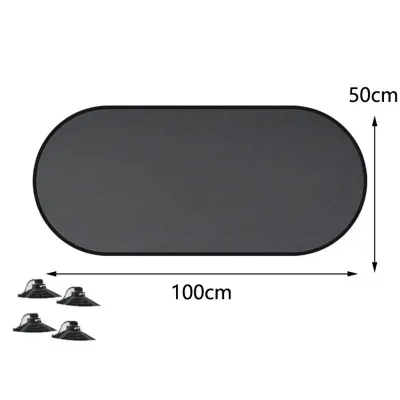
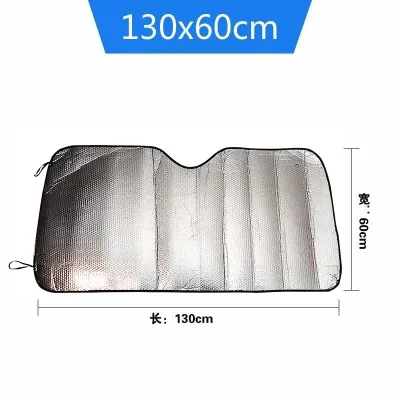
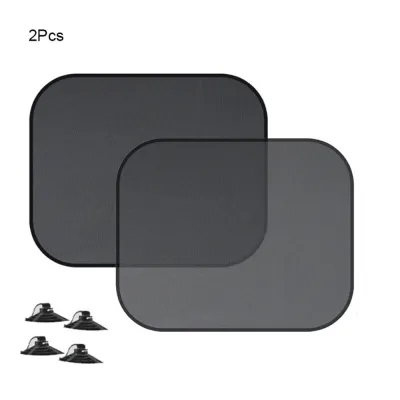
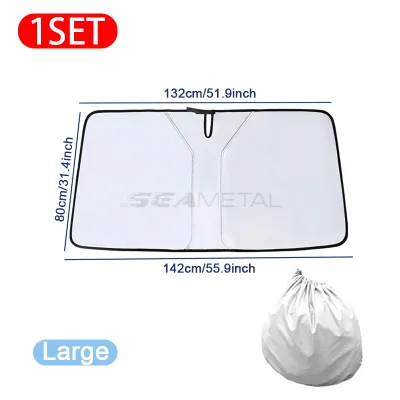
![Car Windshield Sunshade Umbrella UV Protection [ Interior Temperature Reduction Car Foldable Accessories ]](https://img.lazcdn.com/g/p/adff6e9e5f18b905b6f38c84710c1276.jpg_400x400q80.jpg_.webp)
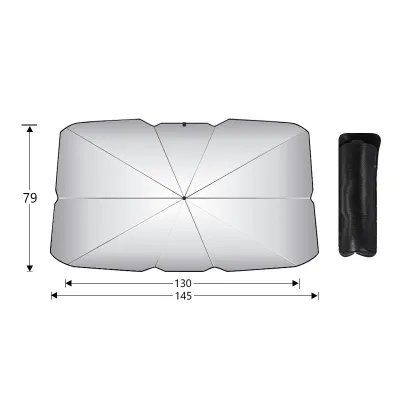
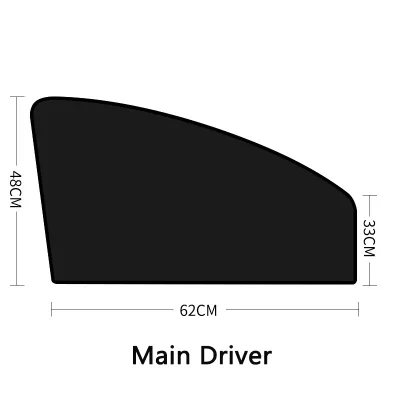
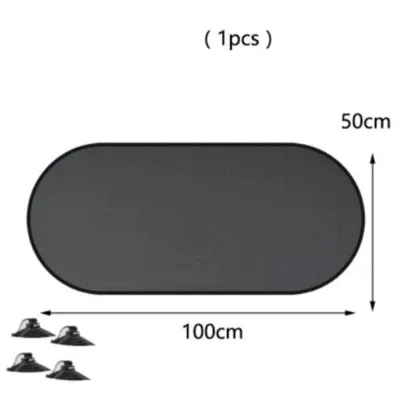
Prices are valid at publication and may change. Please refer to the product page for the latest price.
Finally, recognize how surrounding structures, buildings, or trees alter direct sunlight impact on different car windows. Nearby high-rise buildings, concrete walls, or mature trees can block direct sunlight for portions of the day, creating temporary shade. Observing these environmental patterns helps you identify whether the sun hits your car primarily from the front, rear, or sides, allowing you to choose a sunshade configuration that directly counters the most severe exposure angles.
When to Choose a Front Windshield Sunshade
The front windshield is the largest piece of glass on most vehicles, making it the primary gateway for solar heat. If you frequently park in spots where the nose of your car faces directly into the morning or afternoon sun, a front windshield sunshade is an essential accessory. This large glass surface allows a massive volume of solar energy to penetrate the cabin, directly heating the air and surfaces inside.

This cover acts as a physical barrier that prevents direct ultraviolet (UV) rays from striking the dashboard, steering wheel, and front seats. Over time, intense solar exposure can cause dashboard materials to fade, crack, or degrade, while making the steering wheel and seatbelt buckles too hot to touch safely. A reflective front shade bounces this radiation back out through the glass, protecting these critical interior components.
However, a front windshield shade has notable limitations. While highly effective at protecting the front cabin, it leaves side panels, center consoles, and rear seats exposed to ambient heat and lateral sun rays. If the sun shifts to the side of the vehicle later in the day, the front shade’s effectiveness at blocking direct rays is significantly reduced, allowing heat to build up through the unprotected side glass.
When to Choose Side Window Sunshades
Side window sunshades are highly beneficial when you need to park with your windows slightly cracked open to promote cross-ventilation and airflow. In tropical climates, leaving a small gap at the top of the window helps hot air escape, but it can expose the interior to dust or direct sunlight. Side shades block direct lateral glare while maintaining a degree of privacy and preventing passersby from easily seeing inside the cabin.
These shades are particularly useful for protecting rear passengers, infants in child seats, and pets from harsh side-angle glare during travel or while parked. They also shield delicate side door panels, leather armrests, and door-mounted electronics from direct UV degradation. By blocking the sun from the side, they help maintain a more consistent temperature across the entire rear passenger bench.
From a practical standpoint, side window shades offer excellent convenience, deployment speed, and compact storage requirements. Many designs feature twist-to-fold frames or flexible materials that slide easily into seatback pockets or door bins, making them highly convenient for daily, rapid deployment. Unlike bulky front windshield covers, they can often be set up in seconds without reaching across the entire dashboard.
Combining Front and Side Covers for Comprehensive Protection
Investing in a complete set of front and side window sunshades is highly justified if you regularly park outdoors for extended periods in unshaded, high-temperature environments. Using both types of covers creates a comprehensive thermal barrier that minimizes heat transfer from all major glass surfaces. This complete coverage is especially valuable for preserving the condition of leather upholstery and sensitive cabin electronics over years of ownership.
The primary trade-offs of a full set are the initial cost in S$ and the storage space required inside the cabin. Storing multiple shades—especially rigid, custom-fit front covers alongside several side panels—can clutter a compact car interior. This requires disciplined organization and dedicated storage spots, such as the boot or under-seat compartments, to avoid cluttering passenger space.
If budget or storage space is limited, a practical decision framework is to prioritize a high-quality front windshield shade first, as the front glass lets in the largest volume of direct heat. You can then add side window shades later, focusing first on the side that faces the afternoon sun or the windows adjacent to child car seats. This staged approach allows you to manage costs while addressing the most critical heat entry points first.
Essential Checks Before Purchasing a Car Sunshade Cover
Before purchasing any car sunshade cover, verify your exact vehicle make, model, and year. While universal-fit shades are widely available and budget-friendly, they often leave gaps around the edges of the glass, allowing heat and UV rays to bypass the barrier. Custom-fit options are designed to match the precise dimensions of your vehicle’s window frame, ensuring maximum coverage and a secure fit.
Carefully evaluate how the shade attaches to your vehicle, checking the mechanism against your window tint and glass type. Common options include suction cups, static cling, and magnetic edges. If your vehicle has aftermarket window tinting film, suction cups can sometimes cause peeling or bubbling over time, making magnetic frames (which attach to the metal door frame) or static cling designs a safer alternative.
Finally, review the manufacturer’s care instructions to ensure the longevity of the materials. Some reflective materials require specific folding techniques to prevent permanent creasing, which can degrade their reflective properties over time. Fabric-based side shades may need periodic gentle cleaning to remove dust and oils, ensuring they remain hygienic and functional throughout their lifespan.
Frequently Asked Questions (FAQ)
Can I leave the sunshade on while driving if the sun is glaring?
No, you must never leave a front windshield sunshade or front side window sunshades in place while the vehicle is in motion. Doing so severely obstructs the driver’s line of sight and creates an immediate safety hazard. Always remove and safely store all front-row covers before driving, and ensure any rear side window shades comply fully with local traffic regulations regarding driver visibility and window tinting.
Will suction cup sunshades damage my window tint?
Suction cups can potentially damage aftermarket window tinting films, especially if the film is freshly installed or if the suction cups are pulled off forcefully. The localized pressure and suction can cause the film to bubble, crease, or peel away from the glass. To protect your investment in window tinting, consult the tint manufacturer’s guidelines or opt for magnetic shades that attach to the metal frame, or static-cling shades that apply minimal adhesive pressure.

Community discussion
Share your experience or ask a question. Comments are reviewed before publication.