
Deciding between a front windshield sun shield protector and side window sun shades depends on whether your primary goal is protecting your car’s dashboard from intense heat or keeping passengers comfortable during a drive. While both accessories aim to mitigate solar exposure, they serve distinct roles in managing cabin temperatures and protecting interior materials. A front windshield shade acts as a primary barrier against the massive solar heat gain that occurs when your vehicle is parked directly under the sun, particularly in open-air parking lots. Conversely, side window shades offer targeted relief from direct glare and UV exposure for passengers, especially children in the rear seats, while the vehicle is in motion. Understanding how these two solutions function, how they are stored, and how they interact with your vehicle’s safety systems is key to making an informed decision that suits your daily driving habits.
Core Differences in Heat and UV Protection
The greenhouse effect inside a parked vehicle is primarily driven by the large, angled surface area of the front windshield. Because the windshield is positioned at an angle, it allows a significant volume of shortwave solar radiation to enter the cabin. This radiation is absorbed by the dark surfaces of the dashboard, steering wheel, and front seats, which then re-radiate this energy as longwave infrared heat. This trapped heat cannot easily escape through the glass, causing cabin temperatures to spike rapidly. A front sun shield protector is specifically designed to block and reflect this incoming solar radiation before it reaches the dashboard, keeping the steering wheel cool enough to touch and preventing the dashboard material from cracking or fading over time.
Side windows, on the other hand, present a different set of challenges. While they are smaller and typically more vertical than the windshield, they are the primary source of direct lateral sunlight. This lateral exposure leads to localized discomfort, causing direct skin irritation and glare for passengers, particularly during morning or late afternoon commutes when the sun is low on the horizon. Side window shades are highly effective at shielding rear-seat passengers and protecting door panels, leather upholstery, and child safety seats from localized UV degradation.
Products mentioned in this guide
Prices are valid at publication and may change. Please refer to the product page for the latest price.
It is important to maintain realistic expectations regarding what these accessories can achieve. Neither a front windshield shade nor side window shades can completely eliminate heat buildup inside a closed vehicle. While they significantly reduce the surface temperatures of your interior components, the ambient air temperature inside the cabin will still rise over time due to conduction through the metal body and unshaded glass panels. For optimal temperature management, physical shades should be used in combination with active ventilation, such as cracking the windows slightly where safe to do so, or running the climate control system before driving.
Installation, Storage, and Daily Convenience
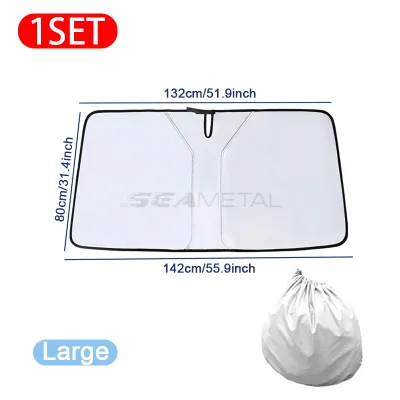
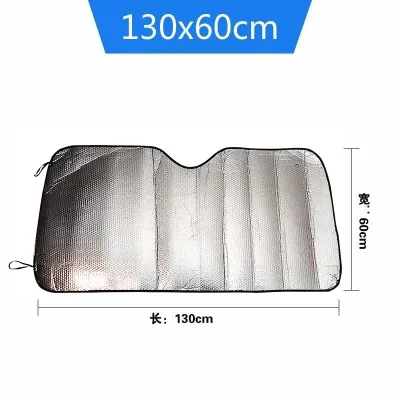
The daily usability of a sun shield protector depends heavily on its mounting mechanism and how easily it can be deployed or stowed. Front windshield shades are typically large and require a systematic folding or rolling process. Common designs include accordion-style folding panels, spring-wire roll-up shades, or umbrella-style mechanisms. Securing a front shade usually involves pulling down the vehicle’s built-in sun visors to hold the top edge in place, though some models utilize suction cups. Because of their size, deploying a front shade requires reaching across the dashboard, which can be cumbersome in compact cabins or vehicles with deep dashboards.

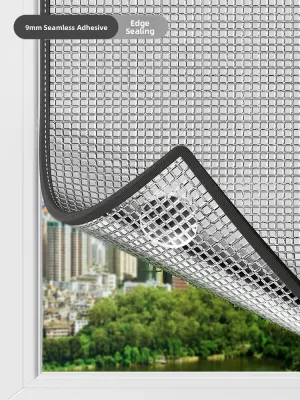
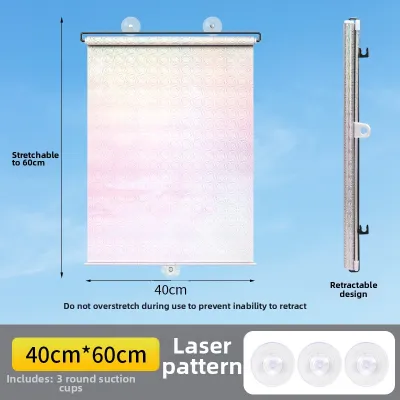
Side window shades offer a wider variety of mounting options, ranging from static-cling films and suction cups to magnetic frames that snap directly onto the metal window border. Magnetic and custom-fit snap-in side shades are highly convenient because they allow the window to be rolled down slightly without the shade falling off. However, suction-cup models require regular cleaning of both the glass and the cups to maintain adhesion, especially in humid climates where moisture can cause the suction to fail over time.
Storage footprint is another critical factor for daily convenience. A front windshield shade, even when collapsed, occupies a notable amount of space. Accordion and roll-up styles often need to be placed along the passenger footwell, behind the front seats, or in the boot when not in use. In contrast, side window shades are compact and can often be folded into small circular pouches that fit easily into door pockets or the glove compartment.
Safety and visibility must always be prioritized when choosing and installing side shades. While front shades are strictly for parked vehicles, some drivers attempt to keep side shades installed while driving. It is vital to ensure that any side window shade installed in the front row does not obstruct the driver’s view of the side mirrors or block critical blind-spot viewing angles. Opaque or highly dense mesh shades should never be used on front side windows while the vehicle is in motion.
Decision Framework: Choosing the Right Sun Shield Protector
To determine the best setup for your vehicle, evaluate your typical parking conditions, passenger requirements, and driving routines.
Choose Front Windshield Shades if: Your vehicle is frequently parked outdoors in open-air carparks, exposing the dashboard to direct, overhead sunlight for hours. A front shade is also essential if you regularly experience a steering wheel that is too hot to hold comfortably, or if you want to protect sensitive dashboard electronics, head-up displays, and leather trim from premature aging and UV damage.
Choose Side Window Shades if: You regularly transport passengers, especially infants or young children in rear-facing car seats, who require protection from direct sunlight and glare. Side shades are also the preferred choice if you want to protect the sides of your leather seats from localized fading, or if you frequently drive during sunrise or sunset when lateral glare is most intense.
Choose Both if: Your vehicle is routinely parked outdoors for extended periods in high-temperature environments, such as open-air industrial estates or uncovered residential parking. Combining a front windshield protector with a complete set of side window shades creates a comprehensive barrier that minimizes heat transfer from all major glass surfaces, preserving your interior and reducing the load on your air conditioning system when you return to the car.
Verify First if: Your vehicle is equipped with advanced driver-assistance systems (ADAS) that utilize cameras or sensors mounted near the rearview mirror on the windshield. Thick, bulky front shades or those with rigid frames can press against these sensor housings, potentially misaligning the cameras or trapping excessive heat around sensitive electronics. Always check that the shade has a cutout designed to clear the rearview mirror and any sensor pods.
Key Specifications to Verify Before Purchase
Selecting the right sun shield protector requires careful verification of product specifications rather than relying on generic marketing claims.
First, measure the physical dimensions of your windshield and side windows. Many products are marketed as “universal fit,” but variations in vehicle design mean these shades may be too small, leaving gaps that let in heat, or too large, making them difficult to secure. Measure the height and width of your windshield from the inside, noting any obstructions like dashcams or toll readers. For side windows, custom-fit shades designed specifically for your vehicle’s make and model year offer the most seamless coverage and secure mounting.
Second, examine the material construction and reflectivity ratings on the product label. Reflective foil or silver-coated materials are highly effective at bouncing solar radiation away from the vehicle, making them ideal for front windshields. For side windows, high-density mesh materials are common; check the manufacturer’s specifications for UV transmission rates to ensure the mesh provides adequate protection without completely blocking outward visibility if they are intended for passenger use while driving.
Finally, consult your vehicle’s owner manual and check the condition of your windows before applying any shade. If your vehicle has aftermarket window tinting films installed, avoid using suction cups or static-cling shades that could damage or peel the film when removed. Additionally, some vehicles feature integrated glass antennas or heating elements on the side or rear windows; ensure that the mounting mechanism of your chosen shade does not interfere with or scratch these delicate components.
Frequently Asked Questions (FAQ)
Are sun shield protectors legal to use while driving?
In Singapore, safety regulations dictate that a driver’s field of vision must not be obstructed while the vehicle is in motion. Front windshield sun shields are strictly designed for stationary, parked vehicles and must be completely removed before driving. For side windows, any shade or mesh screen installed on the front driver or passenger side windows must not impair the driver’s view of the side mirrors or the road ahead. Opaque, solid, or highly reflective shades should never be used on any front-row windows while driving. To ensure compliance with local traffic laws, it is recommended to remove temporary side shades from the front windows before setting off, utilizing them only on rear passenger windows where visibility requirements are less restrictive.
Do I still need sun shades if my car windows already have tint?
Yes, physical sun shades and window tints serve complementary roles and work best when used together. While high-quality window tinting films reduce glare and absorb a portion of solar energy, they still allow heat to transfer through the glass into the cabin over time. A reflective physical sun shield protector acts as a primary barrier, bouncing solar radiation back out through the glass before it can be absorbed by your dashboard and seats. Using a physical shade in a parked vehicle significantly reduces the thermal load on your interior, preventing the cabin from turning into an oven and protecting your window tint from the extreme heat buildup that can degrade the film’s adhesive over time.

Community discussion
Share your experience or ask a question. Comments are reviewed before publication.