
Deciding between a front windshield sun shade and side window covers comes down to your primary driving and parking habits. If your main goal is to lower the overall cabin temperature and protect your dashboard from cracking while parked in the sun, a front windshield cover is your primary tool. Conversely, if you need to protect rear passengers, children, or pets from direct glare and heat while the vehicle is in motion, side window covers are the appropriate choice. Many drivers in tropical climates like Singapore find that a combination of both provides the most comprehensive protection against intense solar heat.
Understanding how these two types of window covers function can save you from purchasing accessories that do not align with your daily routine. While both products aim to block solar radiation, they target different entry points of your vehicle and serve distinct operational purposes. By evaluating your typical parking situations, passenger needs, and local driving regulations, you can make an informed decision that keeps your car comfortable and safe.
How Front and Side Window Covers Manage Heat and UV
To choose the right window cover, it is helpful to understand how solar energy interacts with your car’s glass. Vehicles parked in open areas act like miniature greenhouses. Shortwave solar radiation passes easily through the glass, where it is absorbed by dark interior surfaces like the dashboard, seats, and steering wheel. These surfaces then re-radiate this energy as longwave infrared radiation, which cannot easily escape back through the glass, causing the cabin temperature to climb significantly higher than the outside air.
Products mentioned in this guide
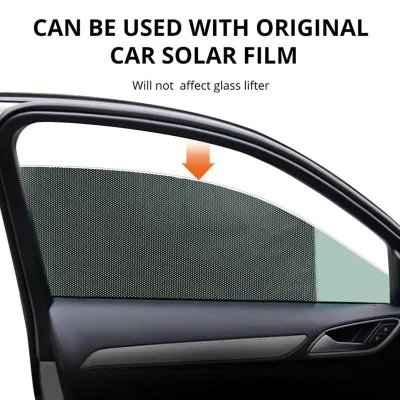
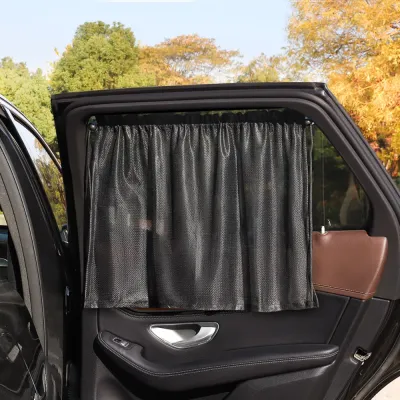
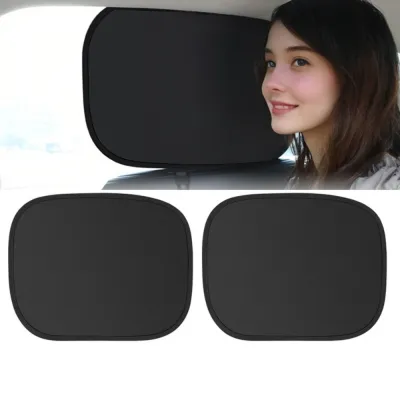
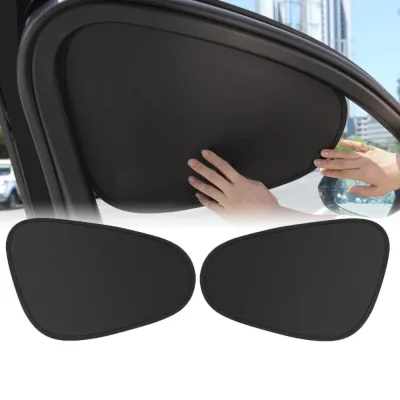
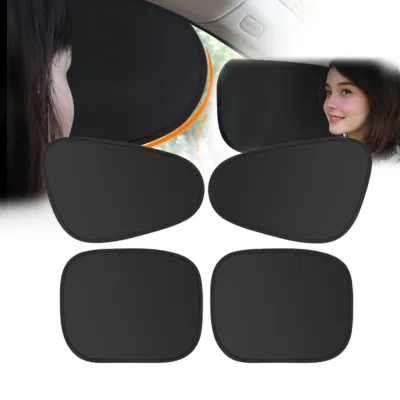
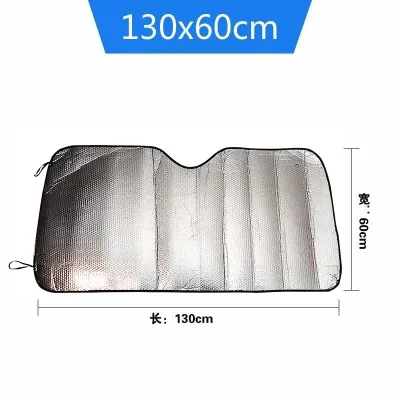
Prices are valid at publication and may change. Please refer to the product page for the latest price.
The front windshield represents the largest single piece of glass on most vehicles, making it the primary entry point for solar heat. Side windows, while smaller individually, present a collective surface area that can let in substantial heat and UV rays, especially when the sun is low in the sky or when driving along north-south routes. Because of these differences in surface area and angle, front and side covers are engineered to manage solar energy in distinct ways.
When shopping for these accessories, you will often see product packaging highlighting specific UV blocking and heat rejection capabilities. Manufacturers use various materials, such as reflective aluminum foil, metallic polyester films, or high-density mesh fabrics, to achieve these effects. It is crucial to check the product specifications and material labels rather than assuming performance based on appearance alone. A shiny surface does not automatically guarantee high thermal resistance, and a dark mesh does not always mean complete UV protection. Look for verified ratings, such as Ultraviolet Protection Factor (UPF) or specific heat rejection percentages, on the manufacturer’s packaging to ensure the material meets your expectations.
Front Windshield Covers: When to Prioritize Cabin Cooling
A front windshield cover should be your top priority if your vehicle is frequently parked outdoors, such as in open-air HDB carparks or uncovered commercial lots. During prolonged exposure to the sun, the dashboard can reach temperatures high enough to cause physical discomfort or even damage sensitive electronics housed within the console. Deploying a reflective front windshield shade blocks this direct sunlight before it can strike the interior surfaces, keeping the steering wheel, gear shift, and front seats at a touchable temperature.

Beyond immediate comfort, a front cover serves as a critical shield for your car’s interior materials. Over time, intense UV radiation degrades plastics, vinyl, and leather, leading to fading, discoloration, and eventual cracking of the dashboard. By consistently using a front windshield cover during the hottest parts of the day, you preserve the aesthetic and structural integrity of your cabin, which helps maintain the vehicle’s resale value.
However, using a front windshield cover requires a habit of daily deployment and storage. These covers are typically large and must be folded or rolled up when not in use. Some designs feature accordion folds, while others use flexible wire loops that twist into a compact circle. Before purchasing, consider where you will store the cover while driving—such as under the seat, in the door pocket, or in the trunk—and ensure you are comfortable with the folding mechanism. Additionally, verify how the cover is held in place, as most rely on the vehicle’s sun visors or suction cups to stay flush against the glass.
Side Window Covers: When to Prioritize Passenger Comfort
Side window covers are designed primarily for passenger comfort and are highly beneficial when carrying children, elderly passengers, or pets in the rear seats. Unlike the front windshield, which is only covered when parked, side window covers are often used while the vehicle is in motion. They help block the harsh, direct sunlight that can shine directly onto passengers’ faces, reducing eye strain and localized skin discomfort during long drives.
Another major advantage of side window covers is glare reduction. Direct sunlight hitting mobile screens, tablets, or entertainment systems in the back seat can make them difficult to see. Mesh side covers diffuse this light, allowing passengers to view screens comfortably without completely blocking their view of the outside world. It is important to select side covers that manage this glare effectively while ensuring they do not obstruct the driver’s view of the side mirrors or blind spots.
The attachment method is a key consideration for side window covers, as it dictates how easily they can be installed, adjusted, or removed. Common options include suction cups, static-cling films, and magnetic frames that snap onto the metal door frame. Suction cups are highly secure but can leave marks on the glass, while static-cling options offer a clean look but may peel off if the window is rolled down. Magnetic frames provide a custom-fit appearance and allow you to roll down the window for fresh air while keeping the shade in place, but they require a magnetic metal frame around the door window to function.
What to Verify Before Buying a Car Window Cover
Before purchasing any window cover, accurate measurement is essential. Universal sun shades are designed to fit a wide range of vehicles, but they can leave gaps on larger windshields or bunch up in smaller cars. To ensure maximum heat rejection, measure the height and width of your windshield and side windows, or consult the manufacturer’s model-specific fitment guides. A snug fit prevents light leaks around the edges, which can significantly reduce the overall effectiveness of the shade.
Safety and compliance with local traffic regulations in Singapore are paramount when selecting window covers. While parked, you can cover any window you choose. However, while driving, the Land Transport Authority (LTA) maintains strict guidelines regarding driver visibility and window tints. Side window covers must never obstruct the driver’s forward view or the clear line of sight to the side mirrors. Mesh covers used on rear passenger windows must still allow sufficient light transmission to ensure safe driving conditions, especially during night-time operation or heavy rain.
Finally, always verify the product’s intended use, cleaning instructions, and safety warnings on the manufacturer’s label. Some materials are sensitive to high heat and should not be left in direct contact with the glass for extended periods without proper ventilation. Others may require specific cleaning methods, such as hand washing or wiping down with a damp cloth, to avoid damaging the reflective or UV-resistant coatings. Checking these details beforehand ensures your investment remains durable and effective over its lifespan.
Which Window Cover Should You Choose?
To finalize your decision, evaluate your daily driving habits and parking environments against the primary benefits of each cover type.
Choose front windshield covers if:
- Your car is regularly parked in open-air lots or exposed driveways during peak daylight hours.
- Your primary goal is to lower the overall cabin temperature before you start driving.
- You want to protect your dashboard, steering wheel, and front leather seats from UV degradation and cracking.
- You do not mind taking a few moments to deploy and fold away a larger accessory before and after every trip.
Choose side window covers if:
- You frequently travel with children, pets, or rear-seat passengers who complain about heat and direct sunlight.
- You need to reduce glare on screens and devices in the back seat while the vehicle is in motion.
- You want a semi-permanent solution that can remain installed during daily commutes without blocking the driver's critical sightlines.
- You prefer quick-install options like magnetic frames or static-cling shades that allow for easy adjustment.
Consider both if:
- You live in a consistently hot, tropical climate and want to maximize your vehicle's thermal defense.
- Your car is parked outdoors for long stretches, and you want to protect the entire interior cabin from heat buildup and UV damage.
- You want to minimize the load on your car's air conditioning system, helping it cool the cabin down much faster after parking in the sun.
Frequently Asked Questions (FAQ)
Can I use a front windshield sun shade while driving?
No, front windshield sun shades must be completely removed and safely stowed away before you operate your vehicle. Driving with any obstruction on your front windshield is extremely dangerous and illegal under local traffic laws in Singapore, as it blocks your forward visibility. Always consult your vehicle’s owner manual and local road safety guidelines to ensure your driving environment remains completely clear of obstructions.
Do I need custom-fit or universal window covers?
Custom-fit window covers are designed specifically for your car’s make and model, offering edge-to-edge coverage that eliminates gaps where heat and UV rays can enter. They are generally easier to install securely but often come at a higher price point. Universal covers are more budget-friendly and widely available, but they may require adjustment or leave small gaps. Before purchasing, check the manufacturer’s sizing chart, vehicle compatibility list, and return policy to ensure a proper fit.

Community discussion
Share your experience or ask a question. Comments are reviewed before publication.