
Choosing the right sun shade car accessory depends entirely on whether your primary goal is lowering the overall cabin temperature or protecting passengers from direct glare. A front windshield shade blocks the largest glass area to prevent heat buildup and protect the dashboard, while side window shades shield rear occupants from harsh sunlight and UV exposure. Evaluating your specific pain points and daily parking habits will determine which setup actually solves your problem.
Diagnose Your Primary Sun and Heat Problem
To find the right solution, you must first pinpoint exactly how the sun is disrupting your daily drive. For many drivers, the primary issue is the intense heat buildup that occurs when a vehicle is parked in the sun. If you frequently return to a car where the steering wheel is too hot to touch, the seats are uncomfortably warm, and the cabin air feels like an oven, your main challenge is overall thermal accumulation.
Alternatively, your main concern might be passenger discomfort during active trips. Rear passengers, particularly infants and young children in car seats, are highly sensitive to direct sunlight and side glare. If you notice your passengers squinting, shifting to avoid the sun, or getting overheated while the vehicle is in motion, localized glare and UV protection are your immediate priorities.
Products mentioned in this guide
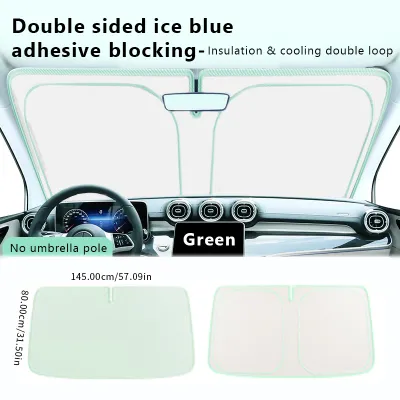
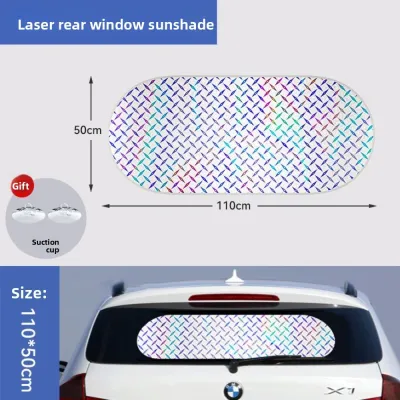
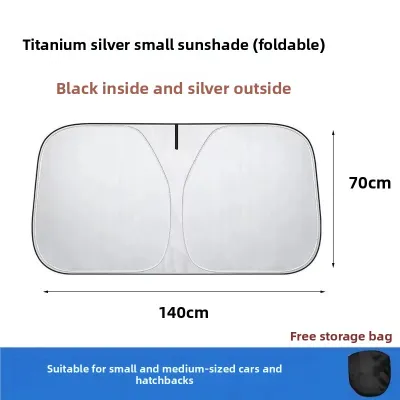
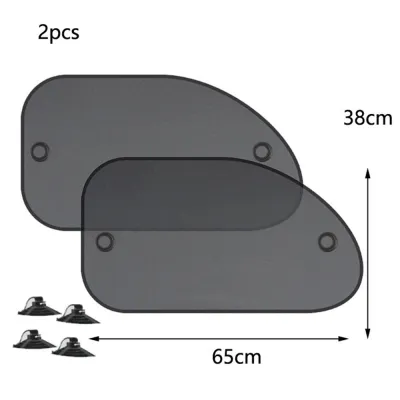
Prices are valid at publication and may change. Please refer to the product page for the latest price.
Another critical factor is interior preservation. Direct ultraviolet rays and intense heat can cause early signs of dashboard fading, cracking, or warping over time. Modern vehicles with large infotainment screens and digital instrument clusters are also vulnerable to electronic overheating when parked under direct sunlight. Identifying whether you need to protect your vehicle’s materials, cool the cabin, or shield your passengers will guide your purchasing decision.
Front Windshield Sun Shades: Best for Overall Heat Reduction
A front windshield sun shade is the most effective tool for reducing overall cabin temperature because the windshield represents the largest single expanse of glass on most vehicles. When sunlight streams through this massive opening, it creates a greenhouse effect, trapping heat inside the cabin. By placing a reflective or highly insulative barrier directly behind the glass, you block this solar energy before it can penetrate the interior.

In addition to lowering the ambient temperature, a front windshield shade provides crucial protection for your dashboard, steering wheel, and front electronics. These components absorb the brunt of direct UV rays and thermal energy, which can lead to costly cosmetic and functional damage over time. Keeping these surfaces shaded ensures they remain comfortable to touch and helps preserve the resale value of your vehicle.
However, front windshield shades come with specific usage constraints. Because they are completely opaque or highly reflective, they must be removed and stowed away before you drive. This requires you to fold or roll the shade and find an adequate storage space within the cabin, such as the back seat or the boot, every time you use it. For drivers who make frequent, short stops, the constant setup and removal process can become a minor inconvenience.
Side Window Sun Shades: Best for Passenger Comfort and UV Protection
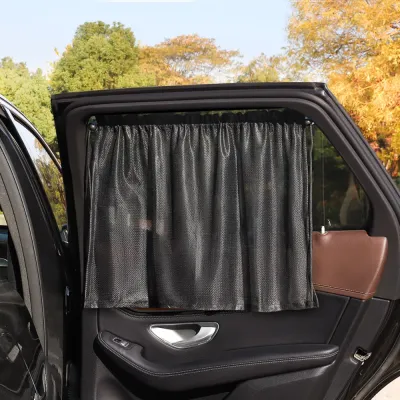
Side window sun shades serve a different primary purpose, focusing on localized occupant comfort rather than overall cabin cooling. These shades are particularly valuable for shielding rear passengers, such as infants, children, and pets, from harsh side glare and direct UV exposure. Because rear side windows are often positioned directly next to passenger faces, even a brief journey in bright sunlight can cause significant discomfort without some form of physical barrier.
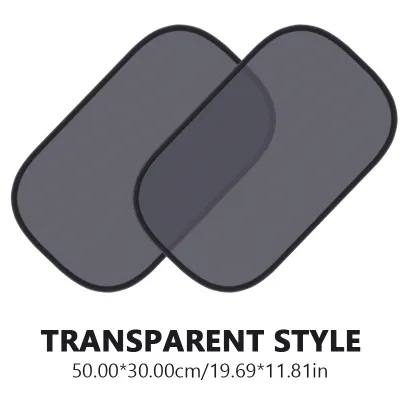
Unlike front windshield shades, many side window shades are designed for use while the vehicle is in motion. These are typically made from mesh or perforated materials that reduce glare and heat while still allowing outward visibility. This design ensures that passengers can enjoy a comfortable ride without completely blocking their view of the surroundings, making them an excellent choice for family road trips and daily commutes.
However, it is important to recognize the temperature limitations of side window shades. Because side windows represent a smaller total surface area than the front windshield, installing shades on these windows alone will not significantly reduce the overall cabin temperature when the car is parked in direct sunlight. They are highly effective at blocking direct rays from hitting passengers, but they cannot prevent the broader greenhouse effect within the vehicle.
Evaluate Your Parking and Driving Environment
Your daily routine and parking habits play a major role in determining which sun shade setup is most practical for you. If you regularly park your vehicle outdoors for long periods, such as in an open-air office car park, you will benefit most from maximum heat rejection. In contrast, if you primarily park in shaded, multi-storey, or indoor car parks, your vehicle is already protected from the worst of the sun’s heat, reducing the need for heavy-duty thermal barriers.
You should also evaluate the current status of your vehicle’s window tinting. High-quality solar control window films can already provide substantial heat and UV rejection across all glass surfaces. If your vehicle is already equipped with premium tinting that meets legal standards, you may find that additional shades are unnecessary, or that you only require a simple front shade for exceptionally hot days.
Climate context is another essential consideration. In tropical environments like Singapore, consistent year-round heat and a high UV index mean that vehicles are constantly subjected to intense solar radiation. Under these demanding conditions, relying solely on standard interior materials can lead to rapid degradation. A robust thermal management strategy, often combining multiple protective measures, is highly beneficial for long-term vehicle maintenance.
Making the Final Decision: Which Sun Shade Setup Do You Need?
To make the final decision, match your specific driving and parking scenarios to the most logical sun shade configuration.
If you are a solo driver who primarily parks outdoors and wants to avoid a burning steering wheel and hot seats, a front windshield shade is your best choice. This single accessory addresses the primary source of heat entry and protects your front cabin electronics with minimal daily effort.
If your main priority is the comfort of your family or rear passengers during daytime trips, a set of side window shades is the most appropriate solution. These will keep direct glare off passenger faces and reduce UV exposure while allowing them to look out the window during the drive.
For vehicles parked outdoors for extended periods that also regularly carry passengers, a combination setup is highly recommended. Using a front windshield shade while parked, combined with side window shades for rear passengers while driving, offers the most comprehensive protection against both cabin heat and passenger discomfort.
Finally, you may decide that no additional shades are necessary if your vehicle is already fitted with high-performance window tinting that effectively manages heat and glare. If your current setup keeps the cabin comfortable and protects the interior to your satisfaction, you can safely skip adding extra physical shades.
Frequently Asked Questions (FAQ)
Can I legally use side window shades while driving?
Yes, but you must comply with local traffic regulations regarding driver visibility. Front side windows must remain completely unobstructed so the driver has a clear, clean view of the side mirrors and blind spots. Opaque, highly reflective, or dark materials that block the driver’s view are strictly prohibited on moving vehicles. If you use side shades while driving, ensure they are made of lightweight, transparent mesh and are installed only on the rear side windows. Always verify the current guidelines from your local transport authority to ensure compliance.
Do car sun shades replace the need for window tinting?
No, car sun shades and window tinting serve complementary but distinct functions. Removable sun shades are highly effective at blocking heat and UV rays when the vehicle is parked, but they require manual setup and storage. Permanent window tinting, on the other hand, provides continuous, maintenance-free heat and UV rejection across all windows while the vehicle is in motion. While premium window films offer excellent everyday comfort, combining them with a front windshield shade when parking outdoors provides the ultimate level of thermal protection.

Community discussion
Share your experience or ask a question. Comments are reviewed before publication.