
Deciding whether to buy a front windshield sun shade or side window sun shades first for your Toyota Noah 90 depends on your immediate driving and parking priorities. If your primary concern is lowering the overall cabin temperature after parking in open-air lots and protecting the expansive dashboard from UV damage, you should prioritize a front windshield sun shade. Conversely, if your main goal is to shield rear passengers—such as young children or elderly family members—from intense lateral glare and heat during daily commutes, side window sun shades are the more urgent purchase. Ultimately, while a complete set offers the best thermal defense, starting with the shade that addresses your most frequent daily pain point ensures immediate comfort and utility.
Understanding Heat Entry and Sun Exposure in the Toyota Noah 90
The Toyota Noah 90 is celebrated for its spacious interior, excellent visibility, and airy cabin feel, all of which are made possible by an exceptionally high glass-to-metal ratio. However, this generous use of glass also turns the MPV into a highly efficient greenhouse when exposed to direct sunlight. In tropical climates like Singapore, where solar radiation is intense year-round, understanding how heat enters your vehicle is crucial for managing cabin comfort.
The front windshield of the Noah 90 is particularly massive and steeply raked. This design maximizes forward visibility but also creates a vast horizontal surface area that allows sunlight to stream directly onto the dark, heat-absorbent dashboard. Because the front glass is positioned at an angle that catches the sun throughout most of the day, it serves as the primary gateway for radiant heat.
Products mentioned in this guide
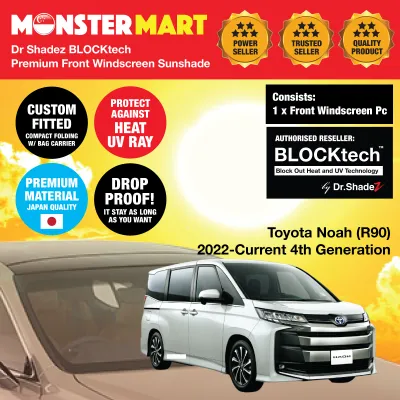
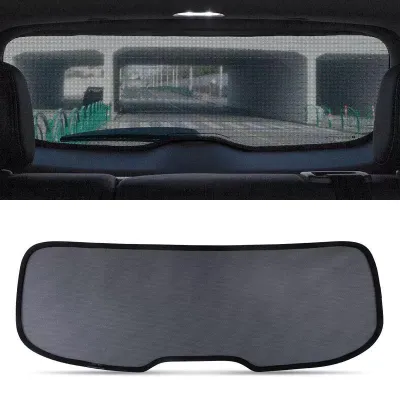
Prices are valid at publication and may change. Please refer to the product page for the latest price.
On the other hand, the side windows of the Noah 90 present a different thermal challenge. The sliding doors and rear quarter panels feature large, vertical glass panes designed to give passengers a panoramic view. While these windows do not catch as much overhead midday sun as the windshield, they are highly vulnerable to lateral sunlight during early morning and late afternoon commutes. This lateral exposure directly impacts passenger comfort, creating localized hot spots that can make the rear seats uncomfortable despite the vehicle’s rear air conditioning system.
Your typical parking environment plays a decisive role in how this heat accumulates. If you frequently park in open-air HDB carparks or uncovered commercial lots, your Noah 90 will absorb a tremendous amount of heat through both the front and side glass over several hours. If you primarily park in sheltered multi-storey carparks or basement lots, your main heat concerns will occur while driving, where lateral sun exposure through the side windows becomes the dominant source of discomfort.
Front Windshield Sun Shades: Maximum Heat Reduction and Dashboard Protection
A front windshield sun shade is often considered the first line of defense for any large MPV, and the Toyota Noah 90 is no exception. The primary function of a front shade is to block solar radiation before it can penetrate the cabin and heat up the massive dashboard, steering wheel, and front seats. By reflecting this energy back through the glass, a front shade prevents the interior materials from acting as heat radiators.

The dashboard of the Noah 90 houses sensitive electronics, including the central infotainment touchscreen, the digital instrument cluster, and the sensors for the Toyota Safety Sense suite. Prolonged exposure to extreme heat and UV rays can accelerate the degradation of these plastics, leading to fading, cracking, or the release of volatile organic compounds that create a hazy film on the inside of the glass. A high-quality front sun shade preserves these materials, maintaining the vehicle’s aesthetic and resale value.
In terms of thermal performance, a front windshield shade is highly effective at lowering the baseline ambient temperature of the cabin. When a vehicle is parked in direct sunlight, the air inside can quickly rise to temperatures far exceeding the outside air. By blocking the largest single entry point for solar energy, a front shade significantly reduces this heat buildup, allowing the air conditioning system to cool the cabin down much faster once you start driving.
When choosing a front shade for the Noah 90, convenience and fit are paramount. Because the windshield is so large, the shade itself must be substantial, yet easy to fold and store within the cabin. Many owners prefer flexible twist-and-fold wire frame shades that can be slipped into the seatback pockets or stored in the boot. It is essential to verify that the shade is structurally rigid enough to stay in place without sagging, as any gaps will allow heat to bypass the barrier and warm up the cabin.
Side Window Sun Shades: Passenger Comfort, Glare Reduction, and Privacy
While a front windshield shade excels at protecting a parked vehicle, side window sun shades are indispensable for passenger comfort while the vehicle is in motion. The Toyota Noah 90 is a dedicated family mover, often carrying children, elderly relatives, or pets in the second and third rows. These passengers sit directly adjacent to large glass panels, making them highly susceptible to radiant heat and harsh glare.
Direct lateral sunlight can cause significant discomfort during daily commutes, making it difficult for passengers to rest, read, or view screens. Side window shades mitigate this by diffusing or blocking the incoming light. This localized glare reduction is particularly beneficial for infants in rear-facing car seats, who cannot easily adjust their position to escape the sun.
When selecting side window shades, you must weigh the trade-offs between different materials. Magnetic mesh shades are highly popular for the Noah 90 because they offer a balance of heat reduction, glare protection, and visibility. The mesh fabric allows passengers to see outside while still blocking a portion of solar radiation. For those seeking maximum thermal insulation or complete privacy, opaque fabric curtains or custom-fit solid shades are available, though they completely obstruct the view and are best suited for stationary use or specific rear-row configurations.
Compatibility with window operation is another critical factor. High-quality side shades designed specifically for the Noah 90 often feature magnetic frames that cling securely to the metal window frame of the door. This design allows you to roll the windows down for fresh air without having to remove the shades. However, you must ensure that the shades do not interfere with the smooth operation of the sliding doors or catch on the rubber weather seals, which could cause wear and tear over time.
Decision Framework: Which Sun Shade Should You Buy First?
To establish a clear purchasing priority for your Toyota Noah 90, you should evaluate your daily driving routines, parking habits, and the primary occupants of your vehicle. This framework will help you determine which shade type will deliver the most immediate value for your investment.
You should prioritize a front windshield sun shade first if:
- Your Noah 90 is frequently parked outdoors in open-air lots for extended periods during the day, such as at your workplace or home.
- Your primary goal is to protect the expensive dashboard electronics, steering wheel, and front seats from UV damage and extreme heat.
- You want to maximize overall cabin cooling and reduce the workload on your air conditioning system when first starting the vehicle.
- You primarily drive alone or with only a front passenger, meaning rear-passenger comfort is a secondary concern.
You should prioritize side window sun shades first if:
- Your daily commute involves carrying rear passengers, especially young children or elderly family members who are highly sensitive to direct sunlight and glare.
- You primarily park in shaded, basement, or multi-storey carparks, meaning heat buildup while parked is minimal, but lateral sun exposure during transit is a major issue.
- You require enhanced privacy for the rear cabin, whether for passengers resting or to keep personal belongings out of sight from passersby.
- You frequently drive during the early morning or late afternoon when the sun is low in the sky, casting intense lateral light through the side windows.
If your budget allows, investing in a complete, custom-fit set that includes both front and side shades is the ideal solution for comprehensive thermal management. However, if you prefer a phased approach, starting with the front windshield shade is generally the most practical choice for overall vehicle preservation, followed by side shades as your passenger needs dictate.
Key Specifications to Verify Before Purchasing Noah 90 Sun Shades
Before purchasing any sun shades for your Toyota Noah 90, it is essential to verify several critical specifications to ensure a perfect fit, safe operation, and long-term durability. Because the Noah 90 features unique design elements, generic accessories often fall short of expectations.
First, confirm that the sun shade is designed specifically for the 90 series (introduced in 2022) and not the older 80 series. The glass dimensions, window frame contours, and rearview mirror housings differ significantly between these generations. A shade designed for an older model will not provide the snug, edge-to-edge fit required to block heat effectively.
Second, check the manufacturer’s material specifications and care instructions. Under the intense heat of a closed cabin, low-quality materials can emit unpleasant chemical odors or even release volatile organic compounds. Look for shades made from high-grade, heat-resistant, and non-toxic materials. Additionally, if your Noah 90 has aftermarket solar films or window tints installed, ensure that the shade’s mounting mechanism—such as suction cups or static cling—will not peel, scratch, or damage the film during installation or removal.
Finally, pay close attention to how the front windshield shade interacts with the vehicle’s safety systems. The Noah 90 is equipped with advanced driver assistance systems, including cameras and sensors mounted near the rearview mirror. The front sun shade must have a precise cutout that accommodates this sensor housing without putting pressure on the camera or obstructing its alignment. Forcing a poorly fitting shade into this area can potentially disrupt these safety systems or damage the plastic trim.
Frequently Asked Questions (FAQ)
Can I use universal sun shades for my Toyota Noah 90?
While universal sun shades are widely available and often budget-friendly, they are generally not recommended for the Toyota Noah 90. Universal shades are designed to fit a broad range of standard sedans and compact SUVs, meaning they rarely match the massive, steeply raked windshield or the unique side window shapes of a modern MPV. Using a universal shade often results in significant gaps around the edges, allowing sunlight and heat to stream directly into the cabin and undermining the shade’s effectiveness. Custom-fit shades designed specifically for the Noah 90 provide edge-to-edge coverage, ensuring maximum heat reflection and a secure fit that will not sag or fall out of place. If you must use a universal shade, carefully measure your Noah 90’s glass dimensions beforehand to find the closest possible match, but be prepared for compromised coverage.
Will side window sun shades damage my Noah 90's window tint or seals?
Whether side window sun shades will damage your window tint or seals depends heavily on their design and installation method. Shades that utilize suction cups or static cling attach directly to the glass surface; if your Noah 90 has aftermarket solar films installed, the repeated application and removal of these shades can potentially scratch, bubble, or peel the film over time. To prevent this, many owners prefer magnetic frame shades, which cling to the metal door frame rather than the glass itself. However, when using magnetic shades, you must inspect the clearance around the window weather seals. Ensure that the shade’s frame does not rub excessively against the rubber seals when the sliding doors operate or when the windows are rolled up and down, as constant friction can lead to premature wear or tearing of the seals. Always follow the manufacturer’s instructions for proper installation and removal to maintain both the shades and your vehicle’s components in optimal condition.

Community discussion
Share your experience or ask a question. Comments are reviewed before publication.