
Choosing between a front windshield and a side window foldable car sun shade depends on whether your primary goal is to lower the overall cabin temperature or to protect passengers from direct glare and heat during a drive. While front windshield shades target the largest entry point for solar radiation when your vehicle is parked, side window shades offer targeted relief for passengers, especially children in the back seat, while the vehicle is in motion. Understanding how each type functions under different parking and driving conditions allows you to make an informed decision that keeps your vehicle comfortable and protects its interior components.
Assessing Your Parking Conditions and Sun Exposure Needs
To determine which sun shade setup fits your daily routine, start by evaluating where your vehicle spends most of its day. Drivers who frequently park in open-air ground lots, such as uncovered industrial estates or open-air residential carparks, face intense, direct overhead sunlight. In these environments, solar energy penetrates the large, angled front windshield, rapidly heating the dashboard, steering wheel, and front seats. Conversely, if you primarily park in sheltered multi-storey carparks or basement structures, your vehicle is shielded from the worst midday heat, making cabin pre-heating less of an issue.
The specific type of discomfort you experience also dictates your choice. If your hands get scorched by a hot steering wheel or your dashboard feels like a radiator when you first step inside, your primary vulnerability is the front glass. If your rear passengers constantly complain about the sun shining directly into their eyes during afternoon drives, or if you notice the side panels of your doors radiating heat while cruising, your focus should shift toward the side windows.
Products mentioned in this guide
![Car Windshield Sunshade Umbrella UV Protection [ Interior Temperature Reduction Car Foldable Accessories ]](https://img.lazcdn.com/g/p/adff6e9e5f18b905b6f38c84710c1276.jpg_400x400q80.jpg_.webp)
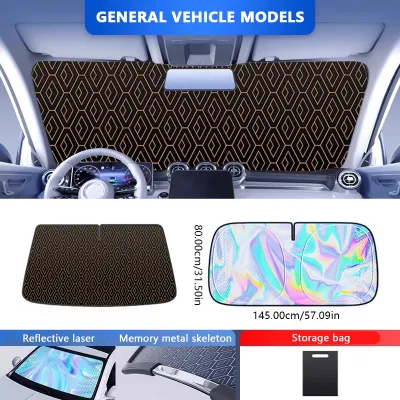
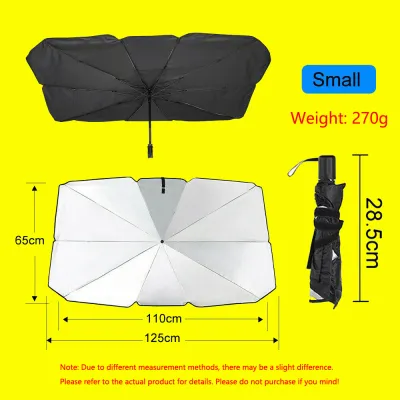
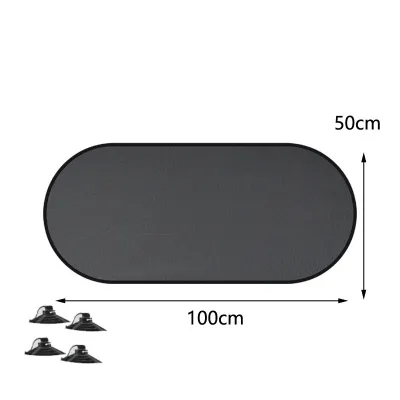
Prices are valid at publication and may change. Please refer to the product page for the latest price.
Additionally, consider your vehicle’s existing window tinting and how it aligns with local regulations. In Singapore, the Land Transport Authority enforces strict guidelines regarding visual light transmittance, requiring at least 70% light transmission for the front windshield and front side windows, and at least 25% for the rear side windows and rear windshield. If your aftermarket tint is already at the legal limit but still lets in too much heat, temporary foldable shades can provide the necessary supplementary protection without violating local road safety standards.
Front Windshield Foldable Sun Shades for Cabin Cooling
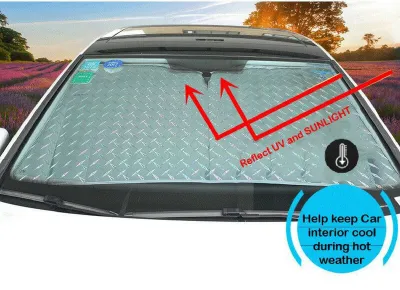
The front windshield is the single largest piece of glass on your vehicle, acting as a massive greenhouse panel that traps solar radiation inside the cabin. When sunlight passes through this glass, it is absorbed by the dark surfaces of your dashboard, steering wheel, and front seats, which then re-radiate this energy as heat. A front windshield foldable sun shade acts as a physical barrier right at the point of entry, reflecting a significant portion of this solar energy back out through the glass before it can heat up your interior materials. This reflective action helps protect sensitive dashboard electronics, digital instrument clusters, and leather upholstery from fading, cracking, or warping over time.

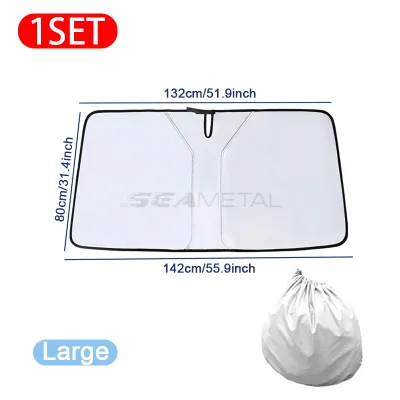
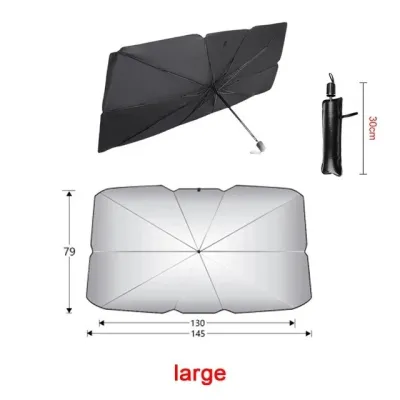
These shades generally come in two main foldable designs: traditional accordion-style panels and modern umbrella-style mechanisms. Accordion shades use a series of stiff, reflective panels that fold flat against each other, often utilizing a metallic or foil-faced bubble material to provide structural rigidity and thermal resistance. Umbrella-style shades, on the other hand, feature a collapsible metal frame covered in reflective fabric that pops open like a standard rain umbrella, allowing for rapid deployment and compact storage when closed. Both styles aim to cover the entire glass surface, though their ease of handling and storage footprints differ.
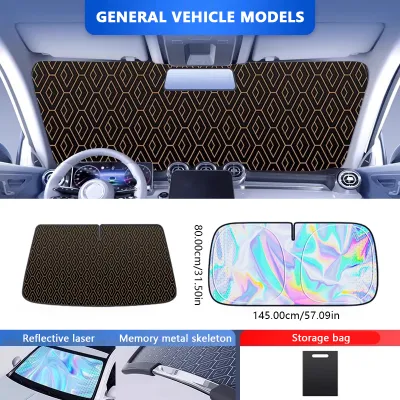
To achieve maximum heat rejection, a snug, gap-free fit is absolutely essential. Even small gaps around the edges or behind the rearview mirror can allow concentrated beams of sunlight to enter, significantly reducing the shade’s overall effectiveness. Before purchasing a foldable front shade, you must verify the physical dimensions of your windshield rather than relying on generic vehicle category recommendations, as windshield angles and widths vary greatly between compact hatchbacks, sedans, and sport utility vehicles.
Side Window Foldable Sun Shades for Passenger Comfort
While front windshield shades are primarily designed for stationary parking, side window foldable sun shades excel at improving passenger comfort while the vehicle is actively on the road. Rear passengers, particularly infants in rear-facing child safety seats and individuals with sensitive skin, are highly vulnerable to lateral solar radiation and harsh glare during long drives. Side window shades help diffuse this direct light, creating a cooler, more comfortable environment in the back row without completely blocking the view outside.
These shades utilize several different mounting mechanisms, each offering distinct trade-offs in terms of daily convenience and stability. Suction cup models attach directly to the glass, providing a secure hold but requiring manual removal before you can roll the window down. Static-cling shades use electrostatic forces to adhere to the window surface without adhesives, allowing for a clean look but sometimes peeling at the corners over time. Folding wire-frame shades feature a flexible metal border wrapped in mesh fabric that presses against the window frame, often allowing the window to be rolled down slightly depending on whether the shade mounts to the glass or the door frame itself.
When selecting side window shades, driver visibility must remain your top safety priority. Any shade installed on the front side windows must not obstruct your view of the side mirrors or compromise your peripheral vision, especially during lane changes or turns. For this reason, many drivers opt for highly transparent mesh materials on the front side windows—or avoid using them there entirely while driving—while reserving darker, high-opacity shades for the rear passenger windows where visibility requirements are less stringent.
Key Differences Between Front and Side Foldable Shades
Understanding the distinct roles of front and side shades helps you avoid purchasing the wrong product for your specific driving habits. Front shades focus on maximum heat reflection over a large surface area while parked, whereas side shades prioritize glare reduction, passenger privacy, and light diffusion during transit.
The table below outlines the primary differences across key practical dimensions:
| Dimension | Front Windshield Foldable Shades | Side Window Foldable Shades |
|---|---|---|
| Primary Function | Cabin heat rejection and dashboard protection | Glare reduction, passenger comfort, and privacy |
| Best Use Case | Uncovered outdoor parking in direct sunlight | Daily commuting with rear passengers or children |
| Installation Effort | Manual deployment and removal every time you park | Semi-permanent mounting; remains in place while driving |
| Storage Footprint | Larger; requires space under seats or in the boot | Compact; easily fits into door pockets or seatback sleeves |
Material composition also differs significantly between the two types. Front windshield shades typically feature thick, multi-layered materials, such as reflective aluminum foil laminated over polyethylene bubble wrap or dense polyester with a silver reflective coating, designed to block and bounce back infrared and ultraviolet rays. Side window shades, by contrast, are usually constructed from lightweight, breathable polyester mesh or semi-transparent fabric, allowing passengers to see out while still filtering out a portion of the incoming light.
Rather than viewing these two options as mutually exclusive, many drivers find that they work best as complementary systems. Using a front windshield shade while parked prevents the cabin from turning into an oven, while keeping side window shades installed ensures that your passengers remain shielded from the sun once you hit the road.
How to Choose the Right Foldable Sun Shade for Your Car
To make the right choice, align your purchase with your daily driving patterns, passenger needs, and vehicle specifications.
Choose front windshield shades if your vehicle is regularly left in uncovered parking lots during the hottest parts of the day, and your main goal is to protect your dashboard electronics and keep the steering wheel cool enough to touch. This option is ideal for solo commuters who park outdoors at work and want to avoid the intense blast of heat when starting their journey home.
Choose side window shades if you frequently travel with family, young children, or pets in the back seat, and your primary concern is preventing sunburn, reducing glare on tablet screens, or maintaining rear-cabin privacy. These shades are highly beneficial for ride-hailing drivers or families who spend significant time on the road during daylight hours.
Consider both options if your vehicle lacks dark window tinting, if you frequently take long road trips across open highways, or if you must park your car in unshaded areas for extended periods. Combining a reflective front shade with mesh side shades provides comprehensive, 360-degree protection against both heat buildup and direct passenger discomfort.
Verify first by checking your vehicle’s manual and local traffic regulations before making a purchase. Ensure that any side window shade you intend to use while driving complies with visibility laws and does not interfere with your side mirrors. Additionally, inspect your existing window tint to ensure that suction cups or static-cling materials will not peel or damage the aftermarket film when applied or removed.
Fitment, Safety, and Storage Checks Before You Buy
Before purchasing any foldable sun shade, take precise physical measurements of your vehicle’s glass surfaces rather than relying on generic “one-size-fits-all” labels. Use a flexible tape measure to record the maximum width and height of your front windshield from the inside, measuring from the bottom of the glass near the dashboard up to the top edge near the headliner. For side windows, measure the inner frame dimensions to ensure the shade you select will cover the glass without bunching up or slipping out of place.
Safety checks are critical when installing a front windshield shade, particularly around the rearview mirror assembly. Modern vehicles often house rain sensors, forward-facing safety cameras, and dashcams in this area; your sun shade must feature a cut-out or a flexible hook-and-loop strap that allows it to fit snugly around the mirror bracket without putting pressure on these sensitive electronic components. Ensure the shade does not dislodge your dashcam or alter its recording angle when you push the shade into place.
Proper handling and storage will extend the lifespan of your foldable shades and protect your car’s interior. When folding accordion or wire-frame shades, follow the manufacturer’s folding pattern gently to avoid snapping the internal spring-steel wires or permanently creasing the reflective foil. Store the folded shade in its designated sleeve and place it in a secure location, such as under the passenger seat or in the boot, to prevent it from sliding around, scratching delicate leather trim, or obstructing your foot pedals while driving.
Frequently Asked Questions (FAQ)
Can I use a front windshield shade on the rear window?
While it is physically possible to prop a front windshield shade against the rear window, it is rarely an ideal fit due to the vastly different shapes, angles, and dimensions of front and rear glass. Rear windows are typically narrower and more steeply sloped, and they often feature built-in defroster heating lines that can be sensitive to friction or pressure from heavy, rigid front shades. If you require rear window protection, it is highly recommended to purchase a dedicated rear window shade designed specifically to clear the defroster lines and fit the rear deck area safely.
Do foldable sun shades damage window tint or interior trim?
Foldable sun shades generally do not damage high-quality, fully cured window tint or interior trim, but caution is required during installation and removal. Suction cups can occasionally leave residue or pull on loose edges of low-quality or freshly installed aftermarket tint film, so it is wise to ensure your tint is completely cured before applying them. When using wire-frame shades, ensure the fabric border covers the metal frame entirely to prevent the metal from rubbing against your plastic door panels or scratching the glass.
Are umbrella-style foldable shades better than traditional accordion folds?
Neither style is universally superior, as each serves different user preferences and storage limitations. Umbrella-style shades offer exceptionally fast deployment and fold down into a compact shape resembling a small rain umbrella, making them easy to store in a door pocket or glove compartment, though you must check that the central handle does not press hard against your dashboard or center console screen. Traditional accordion folds are bulkier to store but offer highly durable, rigid structures that provide consistent, edge-to-edge coverage without any internal metal shafts touching your vehicle’s interior surfaces.

Community discussion
Share your experience or ask a question. Comments are reviewed before publication.