
Deciding between a front windshield sunshade and side window sunshades comes down to your daily parking environment, passenger comfort, and specific interior protection goals. A front windshield sunshade serves as your primary defense against intense overhead sun, directly shielding the largest glass surface of your vehicle when parked. Side window sunshades, on the other hand, address lateral glare, protect rear passengers from direct exposure, and offer targeted privacy.
For most drivers, starting with a high-quality front windshield shade provides the most immediate relief from cabin heat buildup. Adding side window shades is typically a conditional decision based on who sits in your back seat and how long your vehicle remains exposed to angled sunlight. By evaluating your routine parking spots and passenger needs, you can build a practical sun protection strategy without over-investing in unnecessary accessories.
Front Windshield vs. Side Window Car Sunshades: Core Differences
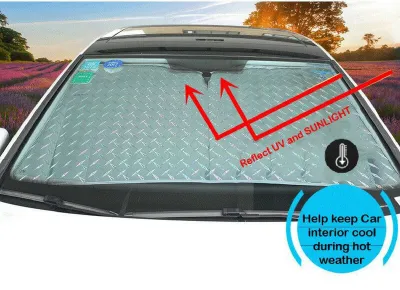
The physical roles of front and side sunshades are distinct, dictated by the angle of the glass they cover and the primary function they serve. A front windshield sunshade is designed to cover the expansive, highly angled front glass of your vehicle. Because the windshield acts as a massive greenhouse window, direct sunlight streams through it to strike the dark surfaces of your dashboard, steering wheel, and front seats. The front shade acts as a physical barrier, reflecting or absorbing this incoming solar radiation before it can reach these sensitive interior components.
Products mentioned in this guide
![[SG SELLER] Car Sunshade Foldable Umbrella Sunshade Summer Car Cover Car Accessories](https://img.lazcdn.com/g/p/70758b37ae0a06ff94fc13b8818c828a.jpg_400x400q80.jpg_.webp)
![[✅SG Ready Stock] Car Sun Umbrella Sun Shields Dash Covers Automobile Interior Accessories Paraso Windshield UV Sunshade Umbrella](https://img.lazcdn.com/g/p/59e698b9187e970f068ac60760f13d65.jpg_400x400q80.jpg_.webp)

Prices are valid at publication and may change. Please refer to the product page for the latest price.
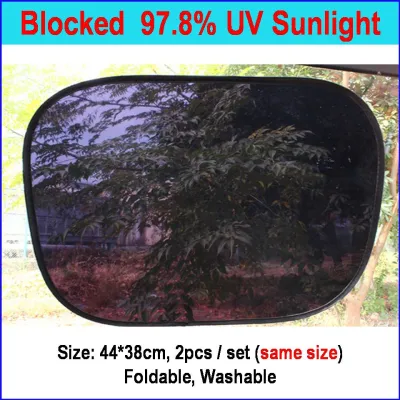
In contrast, side window sunshades target vertical glass surfaces. While the front windshield is the largest single source of heat entry when parked facing the sun, side windows allow cross-cabin glare to penetrate the vehicle at lower angles, particularly during early morning or late afternoon hours. Side shades are generally designed to protect occupants—especially those in the rear seats—from direct light exposure while the vehicle is in motion or parked.
The heat-blocking mechanisms also differ based on design. Front windshield shades often utilize highly reflective metallic or foil backings paired with insulating bubble layers to bounce light back through the glass. Side window shades frequently employ fine mesh fabrics or static-cling materials that filter light rather than block it entirely, allowing for varying degrees of visibility.
It is important to note that the actual temperature reduction inside your cabin depends heavily on material opacity, the tightness of the fit, and external environmental conditions. No sunshade can completely stop heat transfer over prolonged periods, but a well-fitted shade significantly delays the rate at which your interior surfaces absorb and radiate heat.
How to Decide Based on Your Parking and Usage Patterns
Your daily routine and where you leave your vehicle for extended periods should dictate your choice of sun protection. In Singapore, parking environments vary from fully sheltered basement garages to exposed open-air surface lots and multi-story car parks. If you primarily park in sheltered office basements or shaded residential decks, your need for heavy-duty front windshield protection is minimal during the workweek.

However, if your daily routine involves parking in open-air lots or on the top decks of multi-story car parks, your vehicle faces intense, uninterrupted tropical sun. Under these conditions, a front windshield sunshade is highly recommended to prevent the dashboard from absorbing extreme heat. If your parking spot is oriented such that the side of your car faces east or west during peak daylight hours, adding side window shades becomes highly beneficial to prevent localized heat buildup on door panels and upholstery.
Passenger profiles are another critical factor in this decision. If you almost always drive alone or with only one front passenger, a front windshield shade is usually sufficient to keep the primary touchpoints comfortable. Conversely, if you frequently transport young children, infants in rear-facing car seats, or pets, side window shades are essential. They shield vulnerable passengers from direct, blinding glare and UV exposure that the front shade cannot block.
Finally, consider your daily exposure duration. A vehicle parked outdoors for just an hour during lunch may only require a quick-deploy front shade to keep the steering wheel touchable. A car left under the sun for eight hours or more will benefit from a combined setup, as the changing angle of the sun will eventually penetrate every piece of glass, heating the entire cabin uniformly.
When to Choose a Front Windshield Sunshade
A front windshield sunshade is the single most critical investment for any vehicle parked outdoors. The front windshield is not only the largest piece of glass on your car, but it also sits directly above the most sensitive components of your interior. The dashboard houses delicate electronics, digital displays, and passenger airbag modules, all of which are vulnerable to long-term heat and UV degradation.
Using a front shade protects these high-value areas from cracking, fading, and warping over time. It also ensures that critical touchpoints, such as the steering wheel, gear selector, and front seat buckles, remain cool enough to handle safely immediately upon entering the vehicle. Without a front shade, these surfaces can quickly reach temperatures that cause physical discomfort.
When choosing a front windshield shade, you must weigh the trade-offs of different designs. Foldable accordion-style shades are highly rigid and quick to deploy, but they can be bulky to store when not in use, often requiring space along the passenger footwell or in the trunk. Roll-up or spring-wire pop-up designs fold down into compact circles that fit easily into seatback pockets, but they may require more effort to unfold and position neatly against the glass. Select a style that matches your tolerance for daily setup and storage convenience.
When to Add Side Window Sunshades
Side window sunshades serve as an excellent supplementary defense, and in some cases, they are the primary accessory you need to ensure passenger comfort. The most common scenario requiring side shades is the presence of rear-seat passengers. Children and infants are particularly sensitive to the heat and blinding glare of direct sunlight streaming through side windows, which can make car rides uncomfortable and disrupt sleep.
Beyond passenger comfort, side shades protect your vehicle’s interior door trim, leather armrests, and rear upholstery from localized fading and material breakdown. Over years of exposure, the side of the seat closest to the window can develop noticeable discoloration and dry cracking compared to the rest of the cabin.
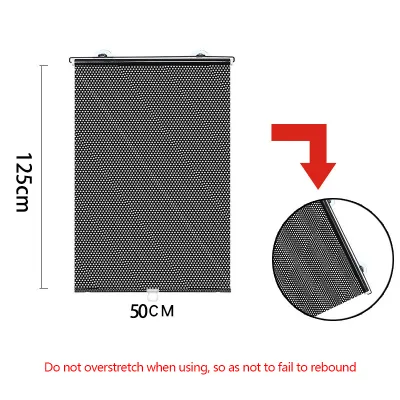
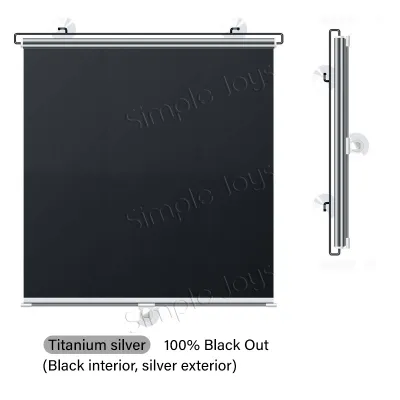
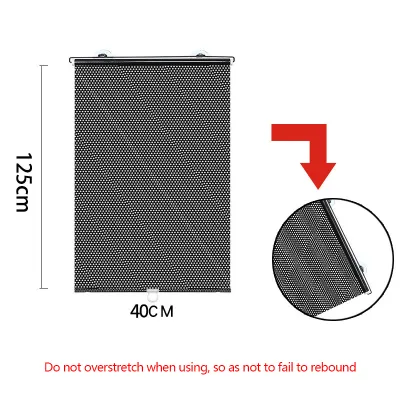
When selecting side window shades, you can choose from several mounting styles. Temporary suction-cup or static-cling mesh shades are highly affordable and easy to move between vehicles, though they may leave residue on the glass or occasionally lose adhesion. Custom-fit magnetic shades snap directly onto the metal window frame, providing complete coverage and allowing you to roll down the window for ventilation while keeping the shade in place. Roller-style shades offer the convenience of quick retraction when not needed, though they require semi-permanent mounting clips or adhesive brackets.
Key Features to Verify Before Buying
To ensure your chosen sunshades perform effectively and safely, you must verify several product specifications and fitment details before making a purchase. First and foremost, check the exact make, model, and year of your vehicle when shopping for custom-fit options. Universal-fit shades often leave large gaps around the edges of the windshield or side windows, allowing concentrated beams of sunlight to bypass the barrier and heat up specific areas of the cabin.
Next, verify the deployment mechanism and physical compatibility with your car’s features. For front windshield shades, ensure the design accommodates your rearview mirror, built-in dashcams, or rain sensors mounted near the top of the glass. A shade that forces you to bend or displace your dashcam can disrupt your safety setups or damage the camera mount. For side window shades, confirm that the mounting brackets or magnets do not interfere with the smooth operation of the window glass or the deployment of side-curtain airbags.
Finally, evaluate the material opacity and structural rigidity based on the manufacturer’s product labels and specifications. Avoid assuming that a material is highly reflective or durable simply because of its generic name. Look for multi-layered construction with reinforced edges that prevent sagging over time. A sagging front shade loses its effectiveness as it pulls away from the glass, creating pockets of trapped hot air that quickly transfer into the rest of the cabin.
Frequently Asked Questions (FAQ)
Can I use a front windshield sunshade while driving?
No, you must never use a front windshield sunshade while the vehicle is in motion. Front windshield shades are designed strictly for stationary parking use, as they completely block your forward visibility and create an extreme safety hazard. For sun protection while driving, rely on your vehicle’s built-in flip-down sun visors and legally compliant window films. Any aftermarket side window shades used while driving must comply fully with local traffic regulations and transport authority guidelines, ensuring they do not obstruct the driver’s view of the side mirrors or the road ahead.
Do I need both front and side sunshades for complete protection?
Whether you need both depends entirely on your specific parking habits and passenger requirements rather than a universal rule. If you frequently park in open, unshaded areas for long hours and regularly carry passengers in the back seat, a combined setup offers the most comprehensive protection against heat and glare. However, if you typically drive alone and park in sheltered structures, starting with a high-quality front windshield shade is usually the most practical and cost-effective first step. You can always add side shades later if you notice specific areas of your interior receiving excessive exposure.

Community discussion
Share your experience or ask a question. Comments are reviewed before publication.