
Choosing the right car privacy shade in Singapore requires balancing cabin comfort, passenger privacy, and strict local road safety regulations. With the tropical sun shining year-round, parked vehicles quickly turn into greenhouses, while passengers face constant glare during daily commutes. Finding the right solution means understanding how different shades perform under specific conditions.
The ideal choice depends on your primary driving and parking scenarios. If your main goal is to lower cabin temperatures and protect your dashboard while parked in open-air car parks, a front windshield privacy shade is your most effective tool. If you want to shield passengers from harsh lateral sunlight, block prying eyes during transit, and maintain outward visibility, side window privacy shades are the correct choice. Many drivers ultimately use a combination of both to achieve complete cabin coverage.
However, safety and legal boundaries must dictate your final setup. While a front windshield shade must only be used when stationary, side window shades are subject to strict visibility requirements while the vehicle is in motion. Understanding the functional, mechanical, and legal differences between these two accessories will ensure you make a safe, compliant, and highly effective purchase.
Products mentioned in this guide
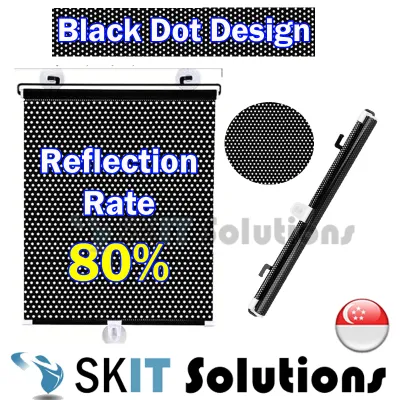
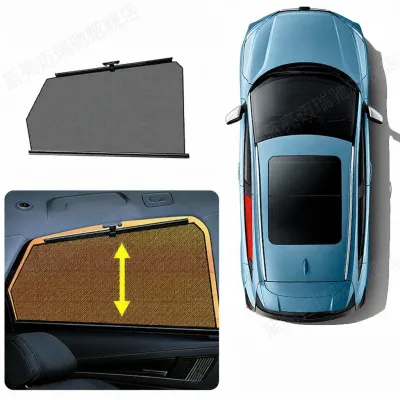
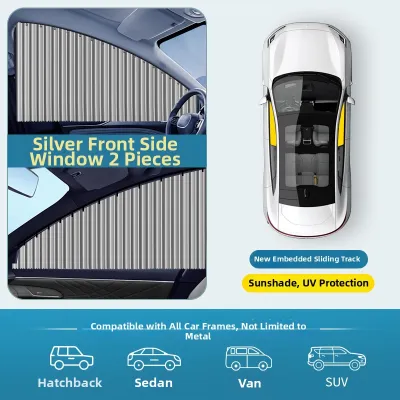
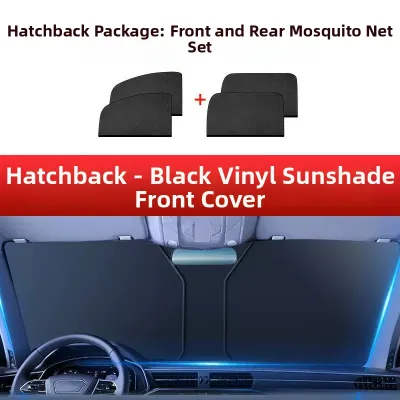
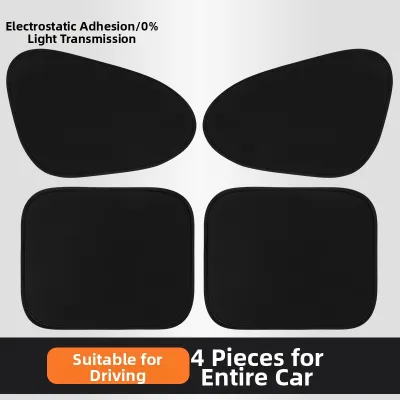
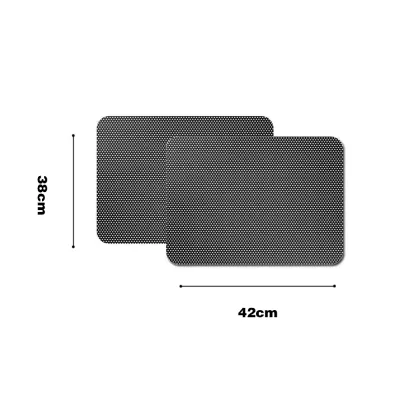
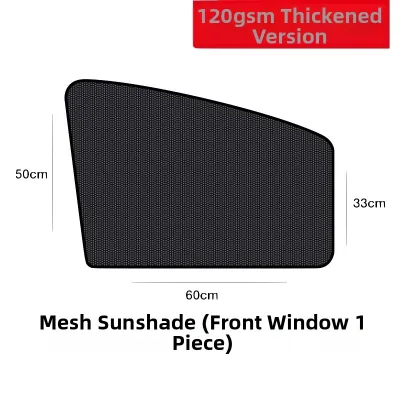
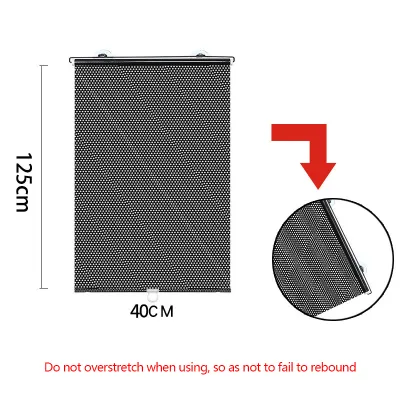
Prices are valid at publication and may change. Please refer to the product page for the latest price.
Key Differences: Front Windshield vs Side Window Shades
While both accessories fall under the category of solar protection, they serve fundamentally different operational roles. Their placement on the vehicle dictates not only their shape and size but also the materials used in their construction and their overall usability.
Front windshield shades are designed to cover a massive, highly angled glass surface that serves as the primary entry point for solar heat. Side window shades, by contrast, are smaller, vertically oriented, and must often accommodate passenger comfort and driver visibility while the vehicle is moving. These differences in placement create distinct trade-offs in heat rejection, privacy, and convenience.
Sun Protection and Heat Rejection
To understand how each shade type manages solar energy, it helps to look at how heat enters your vehicle. Solar radiation consists of ultraviolet (UV) rays, visible light, and infrared (IR) radiation, with IR being the primary driver of heat buildup.
Front Windshield Shades
The front windshield is the largest single piece of glass on most vehicles, and its sloped angle directly exposes the dashboard, steering wheel, and front seats to intense overhead sunlight. Front windshield shades are engineered to act as a primary thermal barrier. They typically utilize highly reflective materials, such as multi-layer aluminum foil, closed-cell foam, or silver-coated fabrics, to bounce solar radiation back through the glass before it can be absorbed by the dark surfaces of your interior.
By reflecting this energy, a high-quality front shade prevents the steering wheel from becoming too hot to touch and protects sensitive dashboard electronics from UV-induced cracking and fading. However, because these shades are thick and completely opaque, they can only perform this heat-rejection duty when the vehicle is parked.
Side Window Shades
Side window shades target localized solar heat and glare along the flanks of the vehicle. Because these windows are vertical, they receive direct sunlight at lower sun angles, such as during early morning or late afternoon commutes. Side window shades are available in two primary material configurations: mesh fabrics and solid reflective panels.
Mesh side shades use tightly woven synthetic fibers, such as polyester or nylon, to filter out a portion of incoming light and UV rays while still allowing passengers to see outside. Solid reflective side shades offer performance similar to front windshield shades, completely blocking light and heat, but they render the window entirely opaque.
When shopping for either type, always verify the manufacturer’s certified specifications for UV and IR rejection rates. Do not rely solely on generic material descriptions or marketing terms. Look for independent test reports or clear product labeling that details the exact percentage of solar energy blocked.
Privacy Levels and Visibility
Privacy needs vary depending on whether your car is parked or in motion. The type of shade you choose directly affects how much you can see out of your vehicle and how easily others can see in.
Front Windshield Shades
A front windshield shade offers total, absolute privacy, but only under stationary conditions. When fully deployed, it completely seals off the front cabin from external view, making it ideal for drivers who need to rest in their vehicles or keep valuables on the front seats hidden from passersby.
Conversely, this absolute opacity means the shade provides zero outward visibility. It is physically impossible and highly illegal to drive with a front windshield shade in place. It must be completely removed, folded, and stored before you start your engine.
Side Window Shades
Side window shades offer a more nuanced approach to privacy, particularly when using mesh designs. High-quality mesh or perforated shades utilize a one-way visibility effect that relies on lighting differentials. During the day, because it is much brighter outside the car than inside, the mesh reflects external light, making it difficult for people outside to see into the cabin. Passengers inside, however, can still see out clearly.
This balance changes at night or in dark multi-storey car parks. If the interior lights of the vehicle are turned on, the lighting differential reverses, allowing people outside to see in while making it harder for occupants to see out.
Solid side shades block all light and visibility in both directions. While this is excellent for maximum privacy when parked, deploying solid or highly restrictive shades on moving vehicles severely compromises the driver’s ability to check side mirrors and monitor blind spots, creating a significant safety hazard.
Installation Methods and Convenience
How a shade mounts to your vehicle affects how often you will use it. A shade that is difficult to install or store will likely end up forgotten in the boot.
Front Windshield Shades
Front windshield shades are temporary accessories that must be deployed and removed frequently. They generally fall into three design categories, each with its own storage and handling trade-offs:
- Accordion-Style Shades: These classic designs fold along pre-creased lines. They are highly durable and offer excellent structural rigidity, preventing them from sagging over time. However, they are bulky and require dedicated storage space, typically along the passenger side door sill or in the rear footwell.
- Roll-Up Shades: Made of flexible reflective materials, these shades roll into a tight cylinder. While easy to store, they can develop a memory curve over time, causing the edges to curl away from the glass and create light gaps.
- Umbrella-Style Shades: A newer design that opens like a traditional umbrella, using a central shaft and tension arms to hold the fabric against the glass. They fold down into a highly compact shape that fits easily into a glove box or door pocket. However, you must handle them carefully to avoid scratching your dashboard or straining your rear-view mirror mount.
Regardless of the style, securing a snug fit is essential. Universal-fit front shades often leave large gaps around the rearview mirror or the outer edges of the A-pillars, allowing heat to bypass the barrier and enter the cabin.
Side Window Shades
Side window shades offer several mounting interfaces, ranging from universal temporary attachments to semi-permanent, custom-fit frames:
- Suction Cups: A common and inexpensive option. They are easy to move between vehicles but are prone to losing suction and falling off, especially when exposed to high cabin temperatures and humidity. They also leave unsightly circular residue marks on the glass.
- Static Cling Films: These thin plastic sheets adhere directly to the glass using static electricity. They provide a clean, integrated look and do not interfere with the window's physical operation. However, they can peel at the edges over time and are difficult to reinstall once removed.
- Magnetic Frame Shades: These are custom-molded to match the exact shape of specific car models. They feature small magnets embedded in a flexible wire frame that snaps directly onto the metal door frame of your vehicle. Because they attach to the metal frame rather than the glass, you can roll the window down for fresh air while keeping the shade firmly in place. Note that magnetic shades will not work on vehicles with frameless doors, aluminum door frames, or plastic interior trim.
Before purchasing magnetic shades, verify your vehicle’s door frame material by testing it with a simple household magnet. If the magnet does not stick to the inner door frame, you will need to opt for suction cup or static cling alternatives.
Singapore LTA Regulations: What Is Legal on the Road?
In Singapore, vehicle modifications and accessories are strictly regulated by the Land Transport Authority (LTA) to ensure road safety. Because privacy shades directly affect driver visibility, using non-compliant products can lead to failed vehicle inspections, fines, or notices to remove the offending accessories.

Legal Boundaries and VLT Requirements
Singapore’s road safety guidelines focus heavily on Visible Light Transmission (VLT). VLT refers to the percentage of visible light that can pass through a vehicle’s glass. The LTA enforces specific minimum VLT limits for different windows on a vehicle:
- Front Windshield: Must achieve a minimum VLT of 70%.
- Front Side Windows (Driver and Front Passenger): Must achieve a minimum VLT of 70%.
- Rear Side Windows and Rear Windshield: Must achieve a minimum VLT of 25%.
Additionally, any solar film or shade applied to the front windshield must not obstruct the driver’s view or interfere with the operation of the In-vehicle Unit (IU) used for ERP and parking payments. To ensure compliance, always check your vehicle’s current inspection certificate or consult the official LTA guidelines before making semi-permanent changes to your glass.
The Front Windshield Rule
Driving with any front windshield shade deployed is strictly prohibited. Because these shades are completely opaque, using one while the vehicle is in motion is an immediate safety hazard that completely blocks forward vision.
Always remove, fold, and securely stow your front windshield shade before starting your engine. When parking, ensure the shade is positioned flat against the glass and does not block your dashcam’s field of view, as you may need active recording while parked.
Side Window Rules and Mirror Visibility
Side window shades are subject to different rules depending on whether the vehicle is parked or in motion. While you can use any shade type when stationary, driving with shades on your front side windows is highly restricted.
Any shade deployed on the driver’s or front passenger’s side window that obstructs the driver’s clear view of the side mirrors, blind spots, or surrounding traffic is non-compliant. If you use mesh side shades while driving, they must allow sufficient light transmission to ensure your view remains completely unobstructed.
For the rear side windows, the rules are slightly more lenient, but safety remains paramount. If you install dark or highly reflective shades on the rear windows, ensure they do not create dangerous blind spots when you perform manual head checks before changing lanes.
Actionable Compliance Advice
If you use semi-permanent static cling shades or aftermarket solar films, remember that their VLT values are cumulative with your car’s factory glass. For example, if your factory side window has a VLT of 75%, and you apply a static cling shade with a VLT of 80%, the combined light transmission will drop below 70%, making the vehicle non-compliant.
To avoid compliance issues:
- Opt for Removable Solutions: Use magnetic or suction-cup mesh shades that can be easily popped off and stored in seconds if you are stopped for a compliance check or are heading to an authorized inspection center like VICOM, STA, or JIC.
- Verify Before Inspection: If you have semi-permanent shades or films installed, have them tested with a photometer at an authorized inspection center to ensure they meet the legal VLT limits.
- Prioritize Clear Mirror Views: Never place any shade, mesh or solid, in a position that blocks your direct line of sight to your side mirrors.
How to Choose the Right Shade for Your Needs
To determine which shade configuration best suits your daily routine, evaluate your parking habits, passenger needs, and vehicle type.
Choose Front Windshield Shades if:
- You Park in Open-Air Lots: If your car spends hours parked in unsheltered HDB car parks or open industrial estates, a front windshield shade is indispensable. It blocks the primary path of solar radiation, keeping your cabin temperature manageable and protecting your dashboard from UV damage.
- You Want to Protect Your Interior: If your car has a leather dashboard, sensitive electronics, or high-end seat upholstery, a reflective front shade will significantly extend the lifespan of these materials.
- You Prioritize Stationary Privacy: If you frequently take breaks in your vehicle and want to block the view from the front of the car, a front shade provides instant, complete isolation.
Choose Side Window Shades if:
- You Frequently Carry Passengers: If you regularly drive with children, infants, or elderly passengers in the back seat, mesh side shades are highly effective at blocking direct lateral glare and keeping them comfortable.
- You Want Privacy While Driving: If you want to prevent passersby or adjacent drivers from looking into your rear passenger cabin while sitting in traffic, mesh side shades offer excellent daytime privacy without compromising safety.
- You Have a Compatible Door Frame: If your vehicle features standard steel door frames, custom-fit magnetic side shades offer a seamless, high-quality solution that allows you to roll down the windows without removing the shades.
Verify First if:
- You Have Frameless Windows: If you drive a coupe, convertible, or certain electric vehicles with frameless door glass, magnetic shades cannot attach to the door frame. You will need to look for suction-cup or static-cling options instead.
- You Are Concerned About Legality: If you are considering very dark mesh or solid side shades, verify that they do not block your view of the side mirrors. Always prioritize high-visibility mesh for the front side windows to remain compliant with Singapore's road safety laws.
- You Want a Custom Fit: Before buying, check the manufacturer's compatibility list for your exact vehicle make, model, and year. Universal shades often sag, leave gaps, or fail to stick, whereas custom-fit options provide a clean, professional appearance and maximum coverage.
Frequently Asked Questions (FAQ)
Can I use a front windshield shade while driving in Singapore?
No. Driving with a front windshield shade deployed is highly dangerous and strictly illegal in Singapore. Front windshield shades are completely opaque thermal barriers designed solely for stationary use. They block all forward visibility, making safe vehicle operation impossible. You must fully remove, fold, and store the shade before starting your engine or moving your vehicle.
Do car privacy shades replace window tinting?
No, they serve different purposes. Car privacy shades are temporary, removable physical barriers that you can install or remove as needed. Window tinting involves applying a permanent solar control film directly to the glass. While high-quality window tints offer continuous UV and heat rejection without needing to be set up, they must strictly comply with LTA’s VLT limits. Many drivers use both: a legal, high-quality window tint for everyday driving, supplemented by a front windshield shade when parked in direct sunlight.
Will magnetic side window shades damage my car's window seals?
High-quality magnetic side window shades that feature smooth, fabric-enclosed edges generally do not damage your vehicle’s rubber window seals or paintwork. However, to prevent wear, you should ensure that both the metal door frame and the shade’s magnetic contact points are clean and free of abrasive dust or grit before installation. Additionally, avoid forcing your windows up or down if you notice the shade is misaligned, catching on the glass, or interfering with the window’s mechanical track.

Community discussion
Share your experience or ask a question. Comments are reviewed before publication.