
Choosing between a front windshield autoshade and side window sunshades depends on your primary concern: protecting the dashboard from extreme heat or keeping passengers comfortable and preventing interior fading. A front autoshade is essential for blocking direct solar radiation from hitting the steering wheel and dash, while side shades protect the cabin’s seating areas. For comprehensive protection, especially when parking outdoors for extended periods, many drivers ultimately benefit from using both.
Understanding how these two types of shades interact with solar energy can help you make an informed decision. While both accessories aim to improve cabin comfort, they target different entry points of solar radiation. The front windshield is typically the largest piece of glass on any vehicle, making it the primary source of heat entry when parked. Conversely, side windows are more numerous and directly line the passenger cabin, exposing occupants and upholstery to lateral sunlight.
To choose the right setup, you must evaluate your daily parking conditions, passenger needs, and local driving regulations. This guide breaks down how each type functions, their specific benefits, and how to choose the right setup for your vehicle.
Products mentioned in this guide
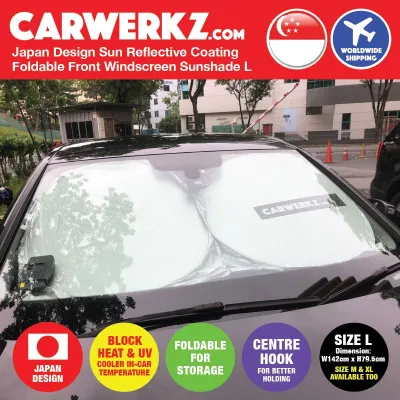
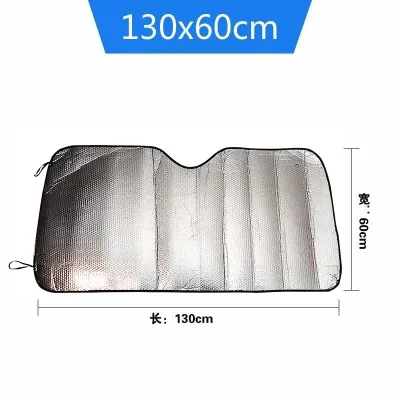
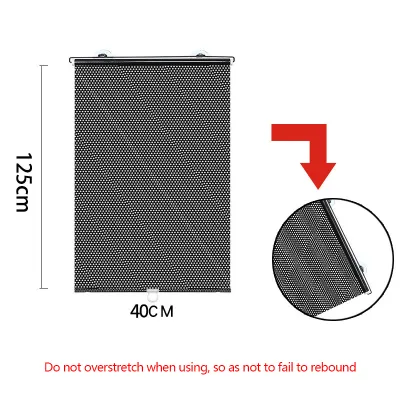
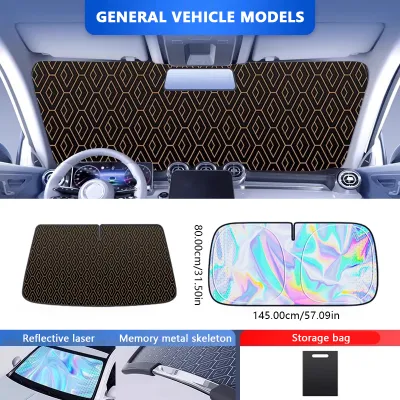
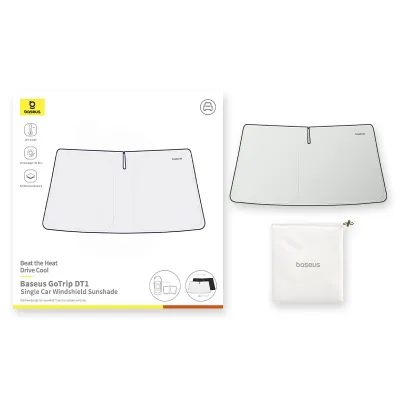
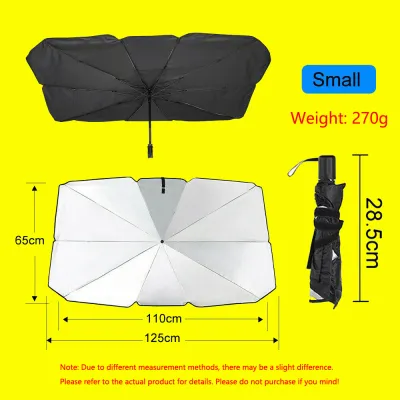
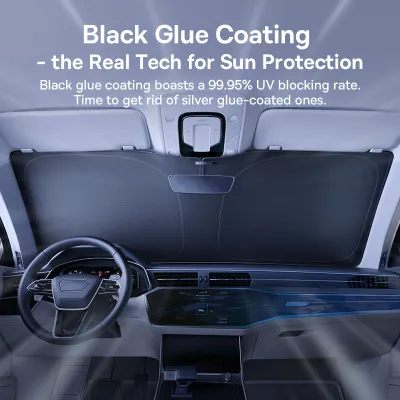
Prices are valid at publication and may change. Please refer to the product page for the latest price.
How Front Windshield and Side Window Sunshades Actually Work
To understand the effectiveness of these accessories, it is helpful to look at the physical coverage and primary thermal mechanisms of each sunshade type. Neither a front windshield shade nor a side window shade actively cools the air inside your vehicle. Instead, they function as passive barriers that block radiant heat transfer from solar energy to the interior surfaces of your car.
When sunlight passes through your car’s glass windows, it strikes interior surfaces like the dashboard, steering wheel, seats, and door panels. These materials absorb the shortwave solar radiation and re-radiate it as longwave infrared radiation, which cannot easily escape back through the glass. This process, known as the greenhouse effect, rapidly raises the ambient temperature inside the cabin.
Front windshield shades focus on blocking direct solar radiation from entering through the largest glass surface of the vehicle. By placing a reflective or absorbing barrier directly behind the windshield, you prevent the dashboard and steering wheel from absorbing this energy. This keeps these critical touchpoints from becoming too hot to handle and prevents them from radiating heat into the rest of the cabin.
Side window shades cover the passenger areas to reduce direct skin exposure and protect side panels and seats from direct sunlight. Because side windows are oriented vertically, they let in light at different angles throughout the day as the sun moves. Side shades block this lateral light, protecting passengers—especially children and pets in the rear seats—from direct glare and localized heat discomfort.
Key Differences in Heat Reduction and UV Protection
When comparing these two types of shades, the primary distinction lies in dashboard versus cabin protection. Front windshield shades are highly effective at preventing the dashboard from reaching extreme temperatures. Over time, intense heat and UV exposure can cause dashboard materials to dry out, fade, crack, or even release volatile organic compounds. By shielding this area, a front shade preserves the structural integrity of your dashboard and protects sensitive electronics housed within it, such as head units and instrument clusters.

Side window shades, on the other hand, focus on protecting leather or fabric seats from fading and heat retention. Leather seats exposed to direct sunlight can become hot enough to cause discomfort upon contact, and fabric seats can suffer from severe UV fading over time. Side shades help maintain the aesthetic appeal of your car’s upholstery and keep the seating surfaces at a more tolerable temperature.
UV protection limits vary significantly between products, and drivers should check manufacturer labels and product specifications for verified UV blocking ratings. Not all materials block ultraviolet radiation equally. While some high-quality reflective foils block a high percentage of both UVA and UVB rays, basic mesh side shades may only filter a portion of visible light without offering substantial UV protection. Look for products that explicitly state their UV protection capabilities.
Glare reduction is another area where the two types differ in application. Front shades eliminate dashboard reflection on the windshield when the car is parked, but they must be removed before driving. Side shades, particularly those made of semi-transparent mesh, can reduce side-glare for rear passengers while the vehicle is in motion, making the ride much more comfortable for children or rear-seat occupants.
Installation, Convenience, and Daily Usability
The daily usability of a sunshade depends heavily on its deployment mechanism and how easily it can be stored. Front windshield shades are typically large and require manual setup every time you park. They are commonly available as foldable accordion-style panels or roll-up reflective sheets. Deploying them involves unfolding the shade across the dash, tucking the edges into the corners of the windshield, and pulling down the vehicle’s sun visors to hold the shade in place.
Side window shades offer different attachment methods depending on their design. Some use suction cups to adhere directly to the glass, while others utilize static cling materials that stick to the window without adhesives. Custom-fit friction frames are another popular option; these are designed to press-fit tightly into the window frame, providing complete coverage without suction cups. Some side shades are designed to roll up or retract, allowing you to open and close them as needed.
Storage considerations are an important factor for daily convenience. Front windshield shades, even when folded or rolled, can be bulky and take up physical space inside the cabin. They are often stored on the passenger floorboard, behind the front seats, or in the trunk when not in use. Side shades are generally smaller and easier to store, often fitting neatly into seatback pockets, door pockets, or under the seats.
Visibility and safety must be prioritized when using any window shade. Front windshield shades must be completely removed before driving, as they completely block the driver’s forward vision. Side shades must not obstruct the driver’s view of side mirrors or blind spots. Opaque or highly reflective side shades should never be used on the front side windows while driving, as they can severely limit your situational awareness and create dangerous blind spots.
Which Autoshade Setup Fits Your Parking and Driving Habits?
Choosing the right setup requires analyzing your daily routine, parking environments, and passenger requirements. A front windshield autoshade is the ideal choice if you frequently park facing the sun, want to protect your dashboard electronics, or need to keep the steering wheel cool to the touch. If your daily commute involves parking in open, uncovered lots during the hottest parts of the day, a high-quality front shade is an essential tool to prevent interior heat buildup.
Choose side window shades if you regularly carry passengers, have child safety seats installed in the rear, or want to protect the side interiors from UV fading. Rear passengers, particularly infants and young children, are highly sensitive to direct sunlight and heat. Side shades provide a shaded environment that makes car rides much more pleasant for them while protecting their sensitive skin from UV exposure.
Consider a full set—combining both front and side shades—if you park outdoors for long durations in direct sunlight and require comprehensive interior temperature management. Using both types of shades creates a complete barrier around your vehicle’s cabin, significantly reducing the amount of radiant heat that enters from all angles. This is especially beneficial for vehicles with large glass areas, such as station wagons, SUVs, or hatchbacks.
Before purchasing, verify if your vehicle has specific sensor, camera, or antenna placements on the windshield or windows. Many modern vehicles feature advanced driver assistance systems (ADAS) with cameras and sensors mounted near the rearview mirror. A poorly fitted front shade can press against these sensors or block them, potentially causing damage or calibration issues. Ensure the shade you choose has a cutout or design that accommodates these components safely.
What to Check Before Buying Any Car Sunshade
To ensure you get the most out of your purchase, you must verify exact vehicle fitment. Universal-fit shades are widely available, but they often leave significant light gaps around the edges of the windshield or windows. These gaps allow solar radiation to enter and heat up the cabin, reducing the overall effectiveness of the shade. Measuring your windshield and side windows carefully, or purchasing custom-fit models designed specifically for your vehicle’s make and model, ensures full edge-to-edge coverage.
Material and build quality are critical for durability and performance. Look for durable reflective materials, such as multi-layered polyester or high-grade reflective foil, and sturdy frames that maintain their shape over time. Avoid flimsy designs that may collapse, sag, or degrade under high heat. A high-quality shade should be rigid enough to stand up against the glass without sagging in the middle, ensuring consistent protection throughout the day.
Safety and legal compliance are paramount, especially regarding local traffic regulations in Singapore. The Land Transport Authority (LTA) maintains strict guidelines regarding window visibility and tinting laws to ensure driver safety. Any side window shades used while driving must comply with these regulations, ensuring they do not obstruct the driver’s view of the road or side mirrors. Opaque or highly reflective shades are strictly prohibited on front side windows while the vehicle is in motion. Always verify the legality of any aftermarket window accessory before installation.
Frequently Asked Questions (FAQ)
Can I use side window sunshades while driving?
Only specific, legally compliant side window shades can be used while the vehicle is in motion. These are typically made of a fine, semi-transparent mesh or perforated material that reduces glare and sunlight while still allowing the driver to see through them clearly. You must never use opaque, solid, or highly reflective shades on the front side windows while driving, as they obstruct your view of the side mirrors and blind spots, violating traffic safety regulations in Singapore. Always ensure that any shade used during transit does not compromise your visibility.
Do I still need window tint if I use an autoshade?
Yes, window tint and removable autoshades serve different primary functions and work best when used together. Sunshades are highly effective passive barriers designed to protect your vehicle’s interior when parked, but they must be removed before you drive. Window tint, on the other hand, provides continuous glare reduction and heat rejection while the car is in motion. High-quality window films block UV rays and infrared heat at all times without obstructing your vision, making them an excellent complement to removable shades for year-round comfort.

Community discussion
Share your experience or ask a question. Comments are reviewed before publication.