
Selecting the right sun protection for your vehicle depends entirely on which glass surface you are covering. The front windshield requires a high-coverage, easily removable barrier that can be deployed instantly when parked and stored compactly when driving. Conversely, side windows demand solutions that accommodate passenger privacy, allow the glass to roll up and down, and maintain clear visibility for the driver. By comparing specialized options like umbrella shades, foldable accordion panels, magnetic mesh, retractable rollers, and fabric car curtains, you can establish a complete heat-management strategy tailored to your vehicle’s layout.
Understanding the Different Needs of Windshields and Side Windows
The front windshield is typically the largest piece of glass on any vehicle, featuring a steep rake, curved edges, and a central rearview mirror assembly. This area acts as the primary entry point for solar radiation, directly heating the dashboard, steering wheel, and front seats. Because you must remove any obstruction before driving, a front windshield shade must support rapid daily deployment and quick, compact storage within arm’s reach.
Side windows present a completely different set of requirements. They are smaller, flatter, and frequently opened or closed while the vehicle is in motion. Any shade or car curtain installed on a side window must not interfere with the mechanical operation of the glass or damage the window seals. Furthermore, side window solutions must balance passenger comfort and privacy with the driver’s need for unobstructed views of the side mirrors and blind spots.
Products mentioned in this guide
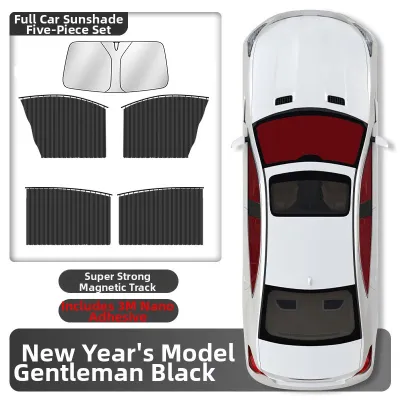
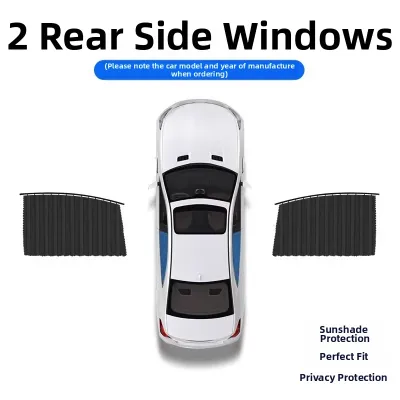
![[SG 🚚] Magnetic Car Sun Shade UV Protection Car Curtain Car Window Sunshade Side Window Mesh Sun Visor Summer Protection Window](https://img.lazcdn.com/g/p/801bdffe2fd0042119b6f39b1fd87ca3.jpg_400x400q80.jpg_.webp)
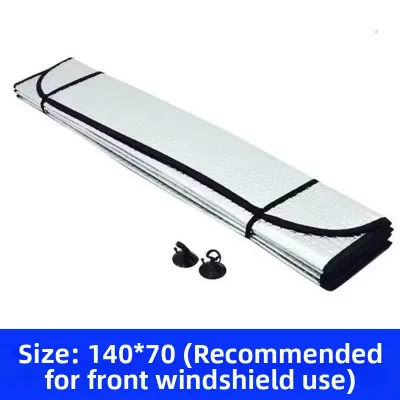
Prices are valid at publication and may change. Please refer to the product page for the latest price.
Best Sun Shade Types for the Front Windshield
Addressing the massive heat load entering through the front glass requires a shade that fits snugly against the perimeter of the windshield. The ideal choice depends on how much time you want to spend setting up the barrier and where you plan to store it when on the road.

Umbrella and Foldable Sun Shades
Umbrella-style sun shades have gained popularity due to their familiar, user-friendly mechanism. They open exactly like a standard rain umbrella, using a central shaft and tensioned ribs to stretch a reflective fabric across the windshield. Once collapsed, they fold down into a highly compact sleeve that fits easily into a door pocket or glove compartment. However, the rigid central shaft and metal support ribs require careful handling to avoid scratching the dashboard leather or putting pressure on sensitive center console screens.
Traditional foldable accordion shades offer a simpler, highly durable alternative. Made from thick, double-sided reflective foil or bubble-wrap material, these shades rely on their own structural rigidity to stay upright, supported by the vehicle’s sun visors. While they are excellent at blocking light gaps along the edges, they are bulky when folded and typically must be tossed into the rear footwell or trunk when not in use. When choosing either type, always measure the height and width of your windshield rather than relying on generic vehicle size categories, as a loose fit allows heat to bypass the barrier.
Retractable and Custom-Fit Windshield Shades
For drivers seeking a permanent, hassle-free setup, retractable windshield shades mount directly to one side of the windshield frame or along the passenger-side A-pillar. These shades use a spring-loaded roller mechanism, allowing you to pull the shade across the glass and hook it into place in seconds. While highly convenient, the mounting brackets and casing remain visible while driving, which can slightly reduce your peripheral field of view.
Custom-fit rigid shades represent the premium tier of front windshield protection. These are laser-measured to match the exact make, model, and year of your vehicle, ensuring a perfect edge-to-edge seal with zero light leakage. They are highly effective at lowering cabin temperatures but are often stiff and require a multi-step rolling or folding process to store. Before installing any fixed or custom-fit shade, verify that the upper cutout accommodates your rearview mirror, dashcam mounts, and any advanced driver-assistance system (ADAS) sensor housings mounted behind the glass.
Best Car Curtain and Shade Types for Side Windows
Side window solutions must protect passengers from harsh lateral sunlight while allowing the vehicle to remain functional and safe to operate.
Magnetic and Retractable Car Curtains
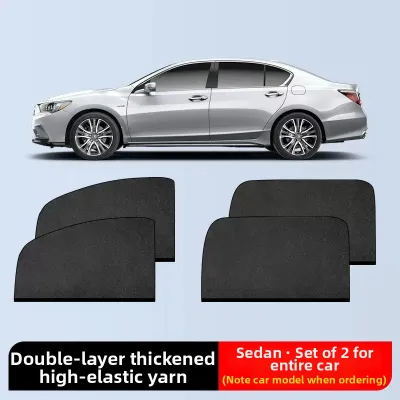
Magnetic mesh shades are designed to snap directly onto the exposed metal frame of the vehicle’s door. This design is highly practical because it allows you to roll the window glass completely down for fresh air while the shade remains securely in place, acting as a barrier against bugs and direct sunlight. Because they fit the specific contour of the door frame, they offer a clean, integrated look. However, they only work on vehicles with magnetic steel door frames; they will not adhere to aluminum, carbon fiber, or plastic-trimmed doors.
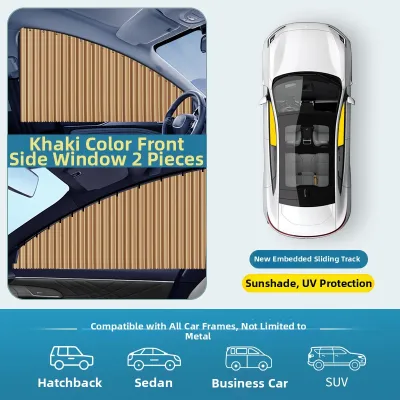
Retractable fabric car curtains offer a classic, high-privacy aesthetic reminiscent of luxury limousines. These systems typically use small plastic or metal tracks mounted to the top and bottom of the window trim, allowing the fabric to slide open or closed. While they provide excellent light blockage and privacy for rear passengers, they require precise, semi-permanent installation using adhesive tape or small screws. You must ensure the tracks do not interfere with the window glass path or damage the interior door panels.
Static Cling and Suction Cup Side Shades
Static cling shades utilize thin, flexible vinyl sheets that adhere directly to the glass using static electricity. They require no adhesive, suction cups, or mounting hardware, resulting in a completely flush fit. Because they move up and down with the glass, they do not interfere with the window tracks, though repeated window operation can eventually cause the edges to peel or collect dust.
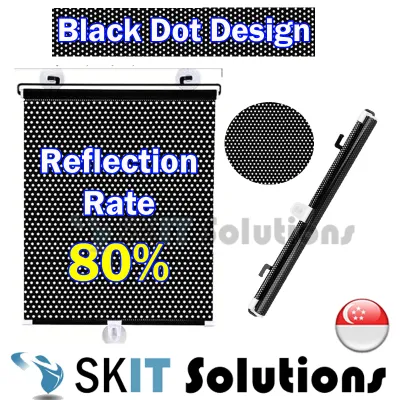
Suction cup shades are a highly affordable, universal option that can be moved between vehicles instantly. They feature mesh fabric stretched over a flexible wire frame, held against the glass by one or more rubber suction cups. While highly convenient, suction cups are prone to losing their grip and falling off when exposed to intense, prolonged tropical heat. If you choose this type, regularly clean the glass and the suction cups to maintain a strong vacuum seal, and never attempt to roll down the window while the suction cups are attached.
Key Comparison Factors for Your Decision
To build the ultimate sun protection setup, you should match the shade type to your daily driving habits, parking conditions, and passenger needs. If your car is frequently parked in open-air, unshaded lots under intense midday sun, prioritizing maximum coverage and thermal insulation is essential. If you make multiple short trips throughout the day, speed of deployment becomes the deciding factor.
Use the following decision framework to guide your purchase:
- Choose an umbrella sun shade if you have limited cabin storage and want a front shade that deploys in under ten seconds.
- Choose a custom-fit rigid shade if you park outdoors for long hours and want the absolute highest level of heat rejection.
- Choose magnetic mesh shades if you want to keep the rear windows open for ventilation while parked or driving at low speeds.
- Choose fabric car curtains if passenger privacy and a premium, enclosed cabin feel are your primary goals.
| Shade Type | Best Use Case | Window Compatibility | Primary Trade-Off |
|---|---|---|---|
| Umbrella Shade | Quick daily parking | Front Windshield | Metal ribs can scratch delicate interior surfaces |
| Foldable Accordion | Budget-friendly durability | Front Windshield | Bulky to store when driving |
| Custom-Fit Rigid | Maximum heat rejection | Front Windshield | Expensive and takes longer to roll up |
| Magnetic Mesh | Ventilation & insect barrier | Side Windows | Only works on steel door frames |
| Car Curtain (Track) | Maximum passenger privacy | Rear Side Windows | Requires permanent track installation |
| Static Cling | Frameless, low-profile fit | Side Windows | Can peel at the edges over time |
| Suction Cup | Temporary or rental car use | Side Windows | Suction cups fail in extreme heat |
How to Verify Fit and Safety Before Buying
Before purchasing any sun shade or car curtain, accurate physical measurement is critical. Do not rely solely on generic “universal fit” or “medium/large” labels on online marketplaces, as windshield angles and side window shapes vary dramatically between hatchbacks, sedans, and SUVs. Use a physical tape measure to record the maximum height and width of your glass surfaces, noting any curves or obstructions.
Safety must always remain your top priority when modifying your vehicle’s interior. Front windshield shades are strictly designed for stationary use and must be completely removed and safely stowed before you start the engine. Driving with any portion of a front shade deployed is extremely dangerous and illegal.
For side windows, you must ensure that any installed car curtain or shade does not block the driver’s direct line of sight to the side mirrors. If you install shades on the front side windows, they must be highly transparent or removed entirely while driving. Additionally, consult your vehicle’s owner’s manual to locate the deployment paths of your side curtain airbags. Never mount rigid tracks, heavy magnetic frames, or thick fabric curtains across these deployment zones, as they can prevent the airbags from protecting passengers or become dangerous projectiles during a collision.
Frequently Asked Questions (FAQ)
Can I use a front windshield shade on my side windows?
No, attempting to use a front windshield shade on side windows is highly impractical and unsafe. Front windshield shades are designed to be large, rigid, and highly reflective to cover a massive expanse of glass. If forced onto a side window, they will drape awkwardly, block the driver’s view of the side mirrors, and prevent the window from operating. Side windows require specialized, low-profile shades or flexible car curtains that fit the specific door frame contour without creating dangerous blind spots.
Do side window car curtains affect airbag deployment?
Yes, improperly installed side window car curtains can seriously interfere with side curtain airbags. In most modern vehicles, side curtain airbags deploy from the roof lining downward along the side windows to protect passengers’ heads. If you install rigid curtain tracks, heavy metal frames, or tight fabric barriers across these areas, you risk blocking the airbag or altering its deployment path. Always check your vehicle’s manual to identify airbag locations and ensure your shades do not cross these safety boundaries.

Community discussion
Share your experience or ask a question. Comments are reviewed before publication.