
The choice between a front windshield sunshade and side window sunshades for your Hyundai Ioniq depends primarily on where you park and your immediate cabin protection priorities. If your goal is to block intense overhead heat and protect the dashboard, steering wheel, and front electronics from direct sun damage, a front windshield sunshade is the essential choice. Conversely, if you want to reduce glare for rear passengers during daily drives, maintain privacy, or block angled sunlight while parked in tight spaces, side window sunshades are more effective. For many drivers in sunny climates like Singapore, combining both provides the most comprehensive coverage, but understanding how each type addresses specific heat and usability challenges will help you decide which to prioritize first.
Heat Rejection and Interior Protection Compared
The front windshield of the Hyundai Ioniq is one of the largest glass surfaces on the vehicle, positioned at an angle that invites a significant amount of direct solar radiation. When parked under the midday sun, this glass acts as a greenhouse, allowing heat to build up rapidly on the dark surfaces of the dashboard, steering wheel, and center console. A high-quality front windshield sunshade acts as a primary barrier, reflecting or absorbing this incoming radiation before it can reach these sensitive interior components. By keeping the steering wheel and front seats touchable, it directly improves immediate post-parking comfort and reduces the initial load on your vehicle’s air conditioning system.
Side window sunshades, on the other hand, target a different set of thermal and comfort challenges. While they do not block the massive volume of heat entering through the front glass, they are highly effective at managing angled sunlight that penetrates the side windows during the early morning or late afternoon. This is particularly important for passenger comfort. Rear passengers, especially children or pets, often experience localized discomfort from direct sunlight hitting their faces and shoulders. Side shades help maintain a more consistent temperature across the rear bench, preventing the leather or fabric upholstery from becoming uncomfortably hot to the touch.
Products mentioned in this guide

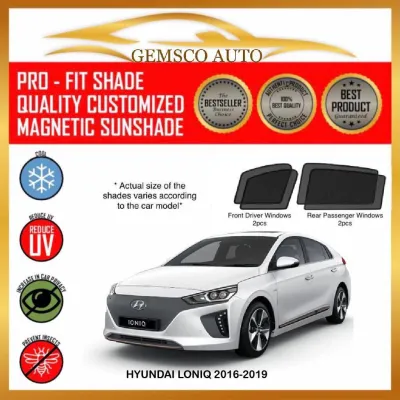
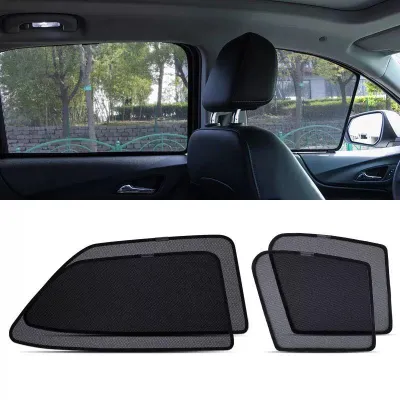
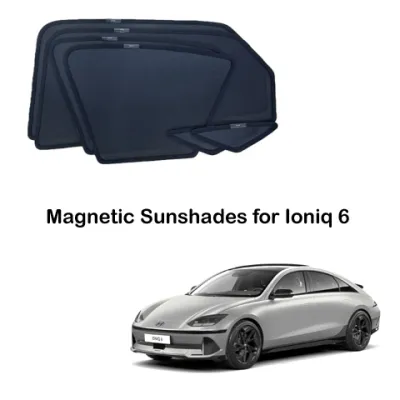

Prices are valid at publication and may change. Please refer to the product page for the latest price.
From a material preservation standpoint, both types of shades play a role in preventing long-term UV degradation, but they protect different zones. The dashboard and digital instrument clusters of the Hyundai Ioniq are highly vulnerable to UV exposure, which can lead to fading, cracking, or warping over several years. A front shade is the primary defense for these high-exposure areas. Meanwhile, side shades protect the door panels, side armrests, and outer edges of the seats. When selecting either option, it is crucial to check the product labels for verified UV protection ratings, as material composition dictates how effectively a shade blocks harmful rays rather than just dimming the visible light.
Matching Sunshades to Your Parking and Driving Habits
Your daily parking routine is the most decisive factor when choosing between these two sunshade configurations. If your Hyundai Ioniq is routinely parked in open-air lots, industrial estates, or unsheltered driveways for hours at a time, a front windshield sunshade is practically indispensable. In these high-exposure environments, the front glass receives the most intense, sustained solar energy. Without a front barrier, the cabin temperature can rise to levels that stress interior materials and make entering the vehicle incredibly uncomfortable.

For drivers who primarily utilize multi-storey car parks, basement parking, or shaded residential carports, the thermal dynamics shift. In these environments, direct overhead sunlight is less of a concern, but angled sunlight can still penetrate the cabin during sunrise or sunset. If your designated parking space is near the edge of a covered deck, side window sunshades can block the low-angle rays that creep in and heat up one side of the vehicle. This makes side shades highly valuable for consistent, localized protection even when the car is technically under a roof.
Driving habits also dictate which shade provides the most utility. A front windshield sunshade must always be removed and safely stowed before driving, as blocking the front view is extremely dangerous and illegal. Side window sunshades, however, can sometimes be used while the vehicle is in motion, depending on their design and local traffic regulations. Mesh-style side shades that mount to the rear passenger windows reduce glare for passengers and help keep the rear cabin cool during long highway drives. This is especially beneficial when driving at angles where the sun continuously beats down on one side of the car, causing discomfort that the vehicle’s climate control system struggles to balance individually.
Fitment, Storage, and Usability in the Hyundai Ioniq
Achieving a proper fit is essential for a sunshade to perform effectively, as gaps around the edges allow heat and UV rays to bypass the barrier. The Hyundai Ioniq features a distinct windshield profile with specific sensor housings near the rearview mirror, meaning universal, one-size-fits-all front shades often leave significant gaps or fail to stay in place. When shopping, always verify the exact dimensions against your specific Ioniq model year and trim level. Checking the manufacturer’s compatibility labels and product specifications ensures the shade will tuck neatly behind the sun visors and clear any advanced driver assistance system (ADAS) camera housings mounted on the glass.
Storage and daily handling are equally important usability factors that influence whether you will actually use the shade consistently. Front windshield shades typically come in two main designs: accordion-folding panels or spring-wire roll-up circles. Accordion styles are rigid and quick to deploy but can be bulky to store, often requiring space in the trunk or across the rear footwell. Spring-wire shades fold down into compact discs that can easily slide into the passenger seatback pocket or under a seat, though they require a bit of practice to twist and fold quickly.
Side window shades present different storage and installation dynamics. Many modern side shades use magnetic frames that cling directly to the metal window border of the Hyundai Ioniq, allowing for near-instant installation and removal. Others use suction cups or static-cling film. Magnetic and custom-fit mesh shades can often remain installed even when the window is rolled down, providing ventilation while still blocking insects and glare. When not in use, these shades typically stack flat and can be stored in the trunk organizer or spare tire well without taking up valuable passenger space.
Decision Framework: Choosing the Right Setup
To determine the ideal setup for your Hyundai Ioniq, evaluate your primary needs against a few straightforward operational conditions. Choose a front windshield sunshade as your first purchase if your main goal is maximum cabin heat reduction and long-term protection for your dashboard and front electronics. This is the single most effective standalone accessory for lowering the interior temperature of a car parked in direct sunlight.
Opt for side window sunshades if your primary concerns are passenger comfort, glare reduction during travel, and enhanced privacy for rear occupants. Side shades are also the logical choice if your Hyundai Ioniq already has a highly effective, legally compliant solar control window film installed on the front windshield, which already handles a portion of the incoming heat but still leaves the side glass exposed to angled glare.
For owners who frequently park outdoors for extended periods in high-temperature regions like Singapore, investing in a complete set—combining both front and side shades—offers the most comprehensive defense. This full-coverage approach minimizes thermal transfer from all angles, preserving the entire interior upholstery and reducing the energy required to cool the cabin. Before purchasing any sunshade or window film, always verify your local transport authority’s regulations regarding window tinting and visibility to ensure your setup remains fully road-legal and safe during operation.
Frequently Asked Questions (FAQ)
Can I use a generic sunshade for my Hyundai Ioniq?
While generic, universal-fit sunshades are widely available on online marketplaces, they rarely provide an optimal fit for the Hyundai Ioniq. Universal shades are designed to fit a broad range of vehicle classes, which often results in them being either too small—leaving large gaps that let in heat—or too large, making them difficult to secure without bending or damaging the shade. A custom-fit or model-specific sunshade is designed to match the exact contours of the Ioniq’s glass, ensuring maximum coverage, easier installation, and a secure hold that will not slip down over time.
Do front sunshades interfere with the Ioniq's interior sensors or cameras?
The Hyundai Ioniq is equipped with various sensors and cameras mounted near the rearview mirror for safety and driver assistance systems. When installing a front windshield sunshade, it is important to choose a model that features a dedicated cutout or hook-and-loop strap designed to fit around the rearview mirror bracket. This prevents the shade from pressing against or misaligning the camera housing. Always exercise care during installation and removal to avoid bumping these sensitive components, and ensure the shade does not trap excessive heat directly against the sensor housing, which could affect electronic performance.

Community discussion
Share your experience or ask a question. Comments are reviewed before publication.