
If your primary goal is protecting the dashboard and reducing overall cabin heat, a front windshield sun shade is essential. If you need to protect passengers from side glare and direct UV exposure, side window shades are the priority. For comprehensive thermal management and interior preservation, a combined setup is often the most effective solution. The right choice depends on your specific parking habits, passenger needs, and daily willingness to install and store the accessories.
Stepping into a car parked under the sun can feel like entering an oven, with the steering wheel too hot to touch and the air thick with trapped heat. While many drivers look for quick ways to cool down their vehicles, choosing the right physical barrier is the first line of defense. Understanding how front windshield shades and side window shades function individually allows you to make an informed decision that matches your daily driving routine.
Understanding the Core Differences in Heat and UV Protection
Managing solar energy inside a vehicle requires addressing different entry points. The front windshield and the side windows serve distinct structural roles, meaning they experience different levels of solar exposure throughout the day.
Products mentioned in this guide
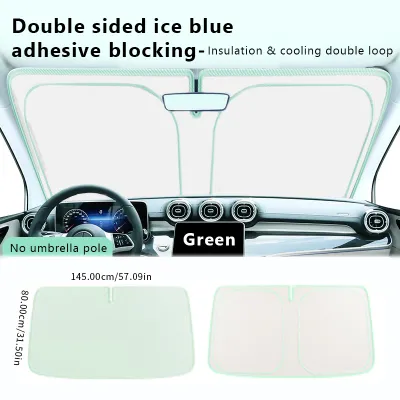
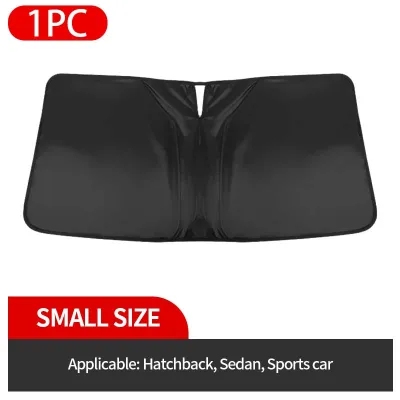
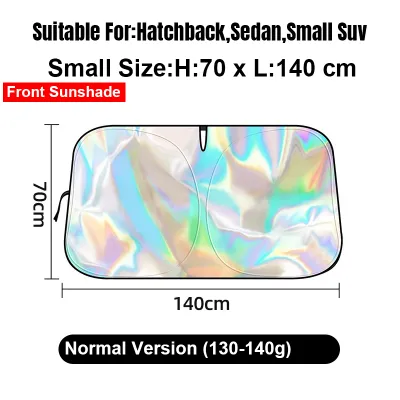
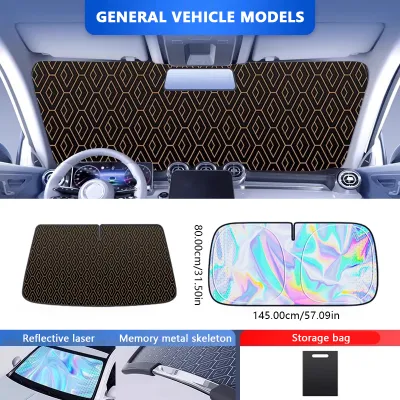
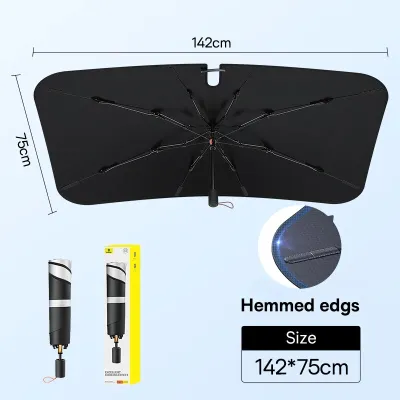
![Car Windshield Sunshade Umbrella UV Protection [ Interior Temperature Reduction Car Foldable Accessories ]](https://img.lazcdn.com/g/p/adff6e9e5f18b905b6f38c84710c1276.jpg_400x400q80.jpg_.webp)
Prices are valid at publication and may change. Please refer to the product page for the latest price.
The front windshield is typically the largest piece of glass on any vehicle. Because of its steep angle, it receives direct, intense overhead sunlight. A front windshield sun shade acts as a primary barrier, reflecting solar radiation before it can reach the dashboard, steering wheel, and sensitive front electronics. This prevents the materials inside from absorbing heat and slowly radiating it back into the cabin.
In contrast, side windows are positioned vertically. Side window shades protect passengers from lateral glare and direct skin exposure to ultraviolet rays while the vehicle is in motion or parked. They help maintain a comfortable environment for rear-seat passengers, especially children and pets, who cannot easily escape the sun’s path.
Neither type of shade replaces professional window tinting. Instead, they function as supplementary physical barriers that you must manually deploy. While window tints provide continuous, passive reduction of heat and light, physical shades offer an additional, highly reflective layer when the vehicle is stationary or when passengers require immediate relief from direct glare.
When to Choose a Front Windshield Sun Shade
A front windshield sun shade is highly beneficial if you park outdoors for extended periods. In open-air car parks or street-side spaces, the front windshield allows an immense amount of solar energy to penetrate the cabin. Over time, this constant exposure can cause the dashboard material to fade, crack, or warp, while also putting strain on integrated electronics like digital instrument clusters.

If your primary goal is to lower the initial cabin temperature, prioritizing a front shade is the logical choice. By reflecting sunlight back through the glass, the shade prevents the steering wheel and front seats from becoming painfully hot. This initial temperature reduction also means your air conditioning system does not have to work as hard to cool the cabin down.
Before purchasing, perform several verification checks to ensure compatibility. First, verify how the shade folds or rolls up, and consider whether you have a convenient spot to store it within arm’s reach, such as between the front seats or in the door pocket. A bulky shade that is difficult to fold often ends up unused in the boot.
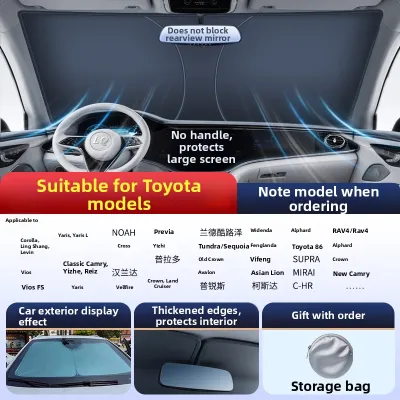
Additionally, check the area around your rearview mirror. Many modern vehicles feature large sensor housings, rain sensors, built-in dashcams, or advanced driver assistance system (ADAS) cameras mounted directly behind the glass. Ensure the shade has a cut-out or flexible design that accommodates these components without putting pressure on them or knocking them out of alignment.
When to Choose Side Window Sun Shades
Side window sun shades are the ideal choice when passenger comfort and localized protection are your main concerns. If you frequently transport young children or pets in the rear seats, they are highly vulnerable to the intense heat and glare coming through the side glass. Side shades create a shaded pocket that makes journeys much more tolerable, preventing direct sunlight from shining into passengers’ eyes.
These shades also offer a significant boost in privacy and lateral glare reduction during daily commutes. If your drive involves traveling directly toward the rising or setting sun, side shades can block the blinding light that enters from the side windows, which a standard overhead visor cannot fully cover. This makes the driving experience less fatiguing.
When selecting side window shades, verify the mounting mechanism to ensure compatibility with your vehicle’s design and window operation. Common options include suction cups, static cling films, and custom-fit magnetic frames. Suction cups are highly portable but can leave residue. Static cling shades offer a clean look but require a clean glass surface. Magnetic frames provide a seamless, custom fit that snaps onto the metal window frame, allowing you to roll the window down while the shade remains in place.
However, ensure that any side shade installed on the front side windows does not obstruct your view of the side mirrors. Blocking the driver’s line of sight to the side mirrors is highly dangerous. Always prioritize visibility and safety, reserving high-coverage or darker shades exclusively for the rear passenger windows.
Do You Need Both? Evaluating the Combined Setup
For drivers seeking the highest level of thermal comfort and interior preservation, combining both front and side window shades is often the most effective strategy. This complete coverage approach is particularly valuable if you consistently park your vehicle outdoors in hot, tropical climates like Singapore.
However, deciding on a combined setup requires evaluating the practical trade-off between maximum heat rejection and the daily effort of installing and storing multiple accessories. Deploying a front shade along with multiple side shades every time you park can quickly become tedious. If you only make short stops, you may find yourself leaving the side shades in storage to save time.
A combined setup is highly recommended for vehicles parked long-term in direct sunlight, such as during a full work day in an uncovered car park. It is also an excellent solution for families on road trips, where rear passengers need continuous protection while driving, and the front shade can be deployed during rest stops. Ensure you have adequate cabin storage space, such as seatback pockets, to keep the shades tidy when not in use.
Key Specifications to Verify Before Buying
To avoid purchasing an ill-fitting or ineffective accessory, treat sun shades as vehicle-specific items rather than relying on generic “universal fit” marketing claims. A shade that is too small will leave large gaps that let in concentrated beams of sunlight, while a shade that is too large will sag, collapse, or put unnecessary pressure on your interior trim.
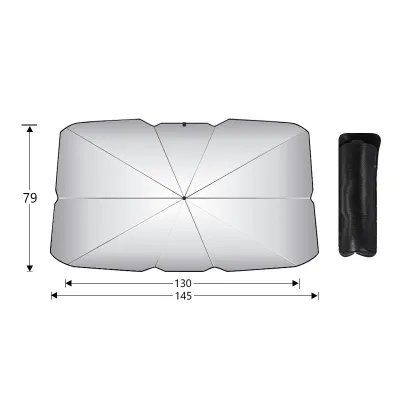
Start by measuring the actual glass dimensions of your windshield and side windows. Use a physical measuring tape to record the maximum width and height of the glass pane from the inside of the vehicle. Compare these measurements directly against the manufacturer’s detailed sizing charts. Do not assume that a shade labeled for a generic vehicle category will automatically fit your specific model.
Next, perform a material check by reading the product labels for stated UV blocking properties and reflective layer construction. High-quality shades typically feature a multi-layer design, including a highly reflective outer layer and an insulating inner core. Avoid making assumptions about performance based solely on the material name; look for clear specifications regarding UV reflection.
Finally, consider the safety limits of your vehicle’s components. If your car features automatic windows with anti-pinch safety sensors, rigid or poorly fitted side shades that clip into the window channels can trigger the sensor, causing the window to roll back down. Additionally, ensure that rigid metal frames or rough fabric edges do not rub against delicate leather upholstery, soft-touch plastics, or aftermarket window films.
Frequently Asked Questions (FAQ)
Can I use a front windshield shade while driving?
No, you must never use a front windshield sun shade while the vehicle is in motion. Front shades are physical, opaque barriers designed strictly for parked vehicles to block solar heat and protect the interior. Using one while driving completely obstructs your forward vision, creating an immediate and severe safety hazard. Before starting your engine and moving the vehicle, ensure the front shade is fully removed, folded, and safely stowed away so it does not slide under the pedals or distract the driver.
Will side window shades damage my window tint?
Whether a side window shade damages your window tint depends entirely on its attachment method and the condition of your tint film. Suction cups apply localized physical pressure and can pull on the edges of peeling, bubbling, or poorly installed aftermarket window films when removed. Static cling shades and magnetic frame shades are generally much safer options for tinted windows, as they do not rely on strong adhesive suction. If you have recently installed new window tint, wait until the film is fully cured before attaching any accessories to the glass.
How do I measure my car windows for a custom fit?
To measure your car windows accurately, sit inside the vehicle and use a flexible measuring tape. For the front windshield, measure the maximum width along the bottom edge near the dashboard, the width along the top edge near the headliner, and the vertical height from the center of the glass. For side windows, measure the widest horizontal distance and the tallest vertical distance of the exposed glass pane. Always measure from edge to edge of the visible glass, and compare these exact dimensions to the product specifications before purchasing.

Community discussion
Share your experience or ask a question. Comments are reviewed before publication.