
Front windshield sunshades are the primary defense against overall cabin heat and dashboard degradation, while side window shades target passenger comfort and localized glare. For most drivers, especially those parking in open-air lots under intense tropical sun, a front windshield shield is an essential baseline purchase. Side window shades serve as a valuable supplement, particularly if you regularly carry passengers, children, or pets in the rear seats. Choosing between them—or opting for both—depends on your daily parking habits, passenger requirements, and existing window modifications.
Understanding How Front and Side Shields Manage Heat
The greenhouse effect in vehicles is primarily driven by the windshield, which is a massive, highly angled piece of glass. This angle allows a large volume of solar radiation to enter the vehicle directly, striking the dark surface of the dashboard. The dashboard absorbs this shortwave radiation and re-radiates it as longwave infrared heat, which cannot easily escape back through the glass. This process rapidly elevates the ambient temperature inside the cabin, turning the interior into a heat trap.
In contrast, side windows are more vertical and have a smaller surface area. While they also admit solar energy, their primary impact is localized. They allow direct sunlight to strike passengers directly, causing immediate discomfort, skin warmth, and distracting glare.
Products mentioned in this guide
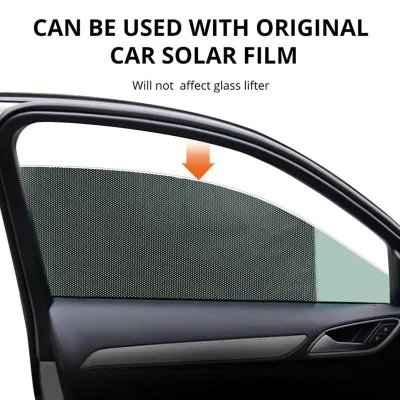
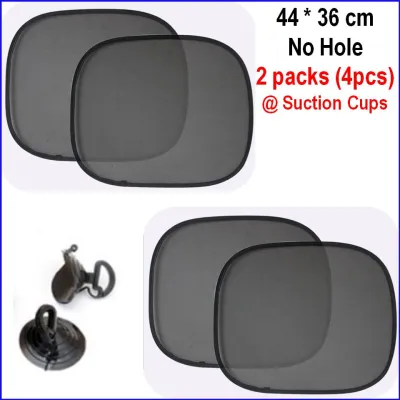
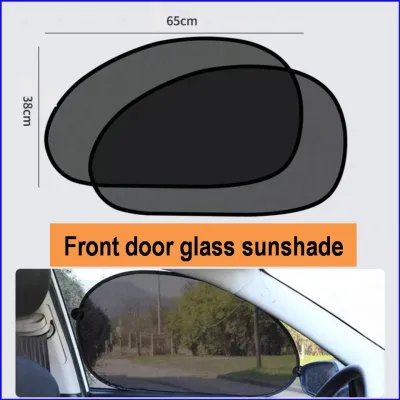
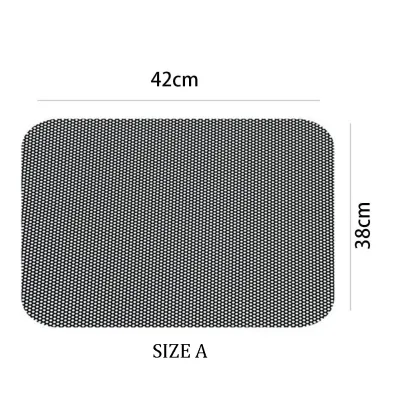
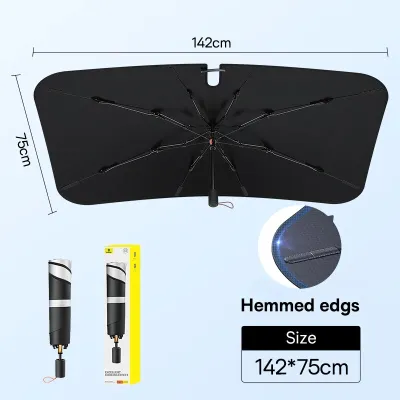
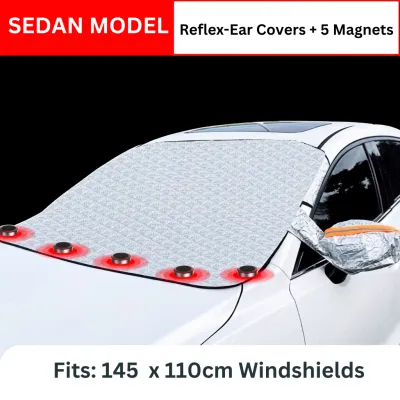
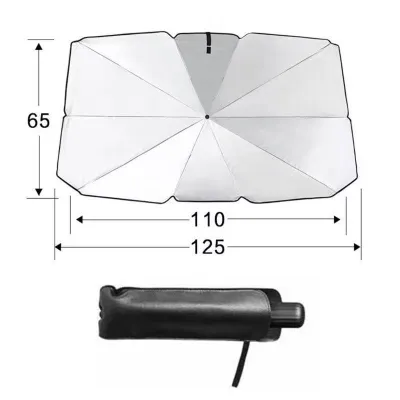
Prices are valid at publication and may change. Please refer to the product page for the latest price.
To manage this heat, car window shields use reflective or absorptive materials. When selecting a shield, it is critical to rely on official manufacturer specifications and labels regarding reflectivity and UV-blocking capabilities. Do not assume a material is highly effective simply because it looks shiny or has a dark color. Look for verified ratings such as Ultraviolet Protection Factor (UPF) or specific infrared rejection percentages on the product packaging.
Evaluating Your Parking Habits and Passenger Needs
Your daily routine and parking environment dictate which sunshade configuration is necessary. If your vehicle is parked in open-air HDB carparks or unsheltered office lots for hours during the hottest parts of the day, the thermal load on your interior is extreme. In these scenarios, a front windshield shield is indispensable to prevent the cabin from turning into an oven. Conversely, if you primarily park in covered multi-storey carparks or basement garages, your need for a heavy-duty front shield decreases, though you may still require protection during short outdoor stops.

Consider the sun’s path relative to your vehicle during peak hours. If your daily commute involves driving directly into the morning or afternoon sun, side window shades can block the blinding glare that a front visor cannot fully cover.
Passenger needs are another major factor. Rear-seat passengers, particularly infants in rear-facing car seats, young children, and pets, are highly sensitive to direct sunlight and heat. Because they cannot easily adjust their position to escape the sun, side window shades provide targeted relief. Additionally, if your vehicle has premium leather upholstery or sensitive electronic displays, protecting these materials from prolonged UV exposure is vital to prevent cracking, fading, and premature aging.
Front Windshield Shields: Dashboard Protection and Cabin Cooling
A front windshield sunshade acts as a barrier at the primary point of solar entry. By reflecting sunlight before it reaches the dashboard, steering wheel, and front console electronics, it prevents these surfaces from reaching scorching temperatures. This protection is crucial for preserving the integrity of your vehicle’s interior materials, preventing plastic degradation, and ensuring you do not burn your hands on the steering wheel when you return to the car.
Using a front shield also significantly reduces the time and energy required to cool the cabin. When the interior surfaces remain cooler, your air conditioning system does not have to work as hard to lower the ambient air temperature. This can improve fuel efficiency or battery range, as the climate control system reaches a comfortable temperature much faster.
However, front windshield shields have clear limitations. They are designed for stationary use only and must be removed before driving. Consequently, they offer no protection against side glare or heat while the vehicle is in motion. If you rely solely on a front shield, passengers in the back seat will still experience direct sun exposure and localized heat buildup through the side windows during your journey.
Side Window Shields: Passenger Comfort and Glare Reduction
Side window shades excel at enhancing passenger comfort while the vehicle is in motion. By blocking direct sunlight, they reduce glare on screens, prevent sunburn, and keep passengers cooler. This makes them highly beneficial for families with young children or anyone who frequently carries passengers in the rear seats.
When choosing side window shades, you must evaluate the mounting mechanism against your vehicle’s specific glass and interior trim. Common options include suction cups, static cling films, and magnetic frames. Magnetic shades are highly convenient as they attach directly to the metal door frame, allowing you to roll the window down without removing the shade. However, if your vehicle has frameless doors or non-magnetic trim, you will need to rely on suction cups or static cling designs. Always check if your vehicle has aftermarket window tints; some suction cups or adhesive mounts can damage or peel the tint film over time.
The primary limitation of side window shades is their minimal impact on overall ambient cabin temperature when the car is parked. Because the front windshield remains uncovered, a massive amount of heat still enters the vehicle. Side shades are a localized solution, not a comprehensive thermal barrier for the entire cabin.
Decision Framework: Which Car Window Shield Fits Your Needs?
To determine the best setup for your vehicle, consider this structured decision framework based on your primary usage patterns:
Choose a front windshield sunshade if your main priority is protecting your dashboard, steering wheel, and front electronics from heat damage, and you want to reduce the initial cabin temperature after parking in unsheltered areas. This is the baseline requirement for most drivers.
Choose side window shades if your primary concern is passenger comfort, glare reduction for children or rear-seat occupants, and maintaining visibility and comfort while driving.
Choose both front and side shades if your vehicle is regularly parked in direct, open sunlight for extended periods and you frequently travel with passengers. Using them in combination provides a comprehensive thermal and UV barrier, protecting both the vehicle’s interior components and its occupants.
Before purchasing any sunshade, verify if your vehicle features advanced driver-assistance systems (ADAS) with sensors or cameras mounted near the rearview mirror. Some front sunshades can interfere with these housings or trap heat against the sensors, potentially affecting their performance. Additionally, check your window tint warranty to ensure the mounting mechanism of your chosen side shades will not void it.
Verifying Fitment, Storage, and Care Requirements
To ensure your sunshades perform effectively, proper fitment is essential. Avoid relying on generic “universal fit” claims, as windshield sizes and angles vary dramatically between compact hatchbacks, sedans, and large SUVs. A sunshade that is too small will leave gaps that allow heat to enter, while one that is too large will sag and fail to stay in place. Always consult the manufacturer’s sizing guide and measure your windshield’s height and width, taking into account the rearview mirror housing, before making a purchase.
Consider the storage and handling of the sunshade within your cabin. Accordion-style folding shades are rigid and quick to deploy, but they require significant storage space, often taking up room on the floor or in the trunk. Roll-up or spring-wire pop-up shades fold down into compact circles that can easily slide into seatback pockets or door bins, though they may require a bit of practice to fold correctly.
Finally, maintain your sunshades according to the manufacturer’s care instructions. Reflective coatings can be damaged by harsh chemical cleaners or abrasive cloths. Generally, wiping the surface with a damp microfiber cloth and allowing it to air dry is sufficient to remove dust and fingerprints, preserving the shade’s reflective efficiency and structural integrity for years to come.
Frequently Asked Questions (FAQ)
Do I still need a sunshade if my car has factory window tint?
Yes, you likely still need a sunshade. While factory window tints or aftermarket solar films are excellent at reducing visible light and blocking some UV rays, they have limits. Standard factory tints often focus primarily on privacy (darkness) rather than high-efficiency infrared heat rejection. A dedicated physical sunshade provides an additional, highly reflective physical barrier that stops solar energy before it can penetrate the glass and heat up your dashboard and cabin air.
Can leaving a sunshade on the windshield damage the glass or sensors?
When used correctly, a sunshade will not damage your windshield glass. However, you must exercise caution if your vehicle has advanced driver-assistance systems (ADAS) with cameras or sensors mounted behind the rearview mirror. Placing a sunshade directly over these sensor housings can trap extreme heat between the shade and the glass, which may affect sensitive electronics. Ensure the sunshade fits neatly around the mirror mount and does not put physical pressure on the sensor housing or trap excessive heat in that specific zone.

Community discussion
Share your experience or ask a question. Comments are reviewed before publication.