
Deciding on the right car window shade setup is often the difference between stepping into a cool, comfortable cabin or a stifling, heat-soaked oven. With Singapore’s relentless tropical sun and high humidity, vehicles parked outdoors can quickly reach interior temperatures exceeding 60 degrees Celsius. To solve this issue, you must first determine whether your primary struggle is overall cabin heat buildup while parked, or direct sun glare hitting passengers while driving.
A front windshield shade is your primary defense against overall cabin heat, as it blocks the largest entry point for solar radiation. Conversely, side window shades are designed to protect passengers from direct glare, UV exposure, and localized heat during active journeys. Understanding how these options differ in function, installation, and safety will help you choose the ideal configuration for your daily commute.
Diagnose Your Cabin Comfort Issues: Heat Buildup vs. Direct Glare
Before purchasing any accessories, analyze how solar energy affects your vehicle. Heat buildup and direct glare are distinct issues that require different solutions.
Products mentioned in this guide
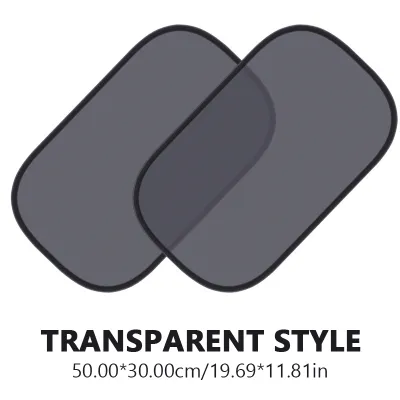
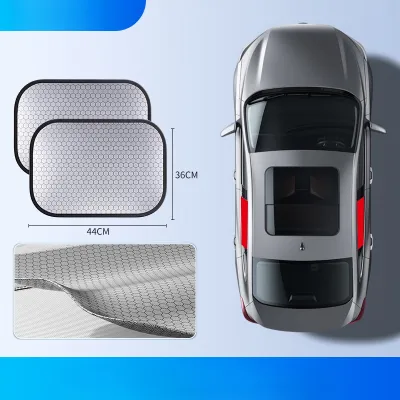
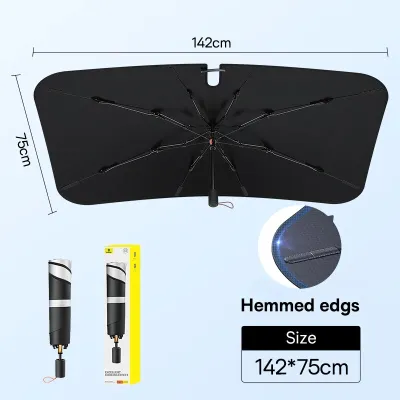
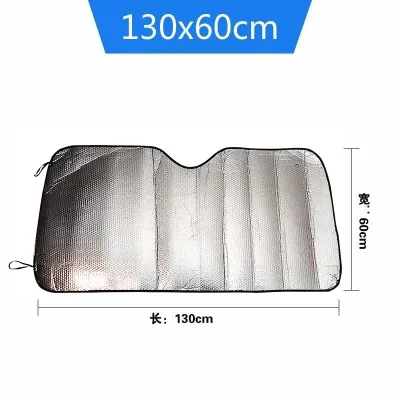
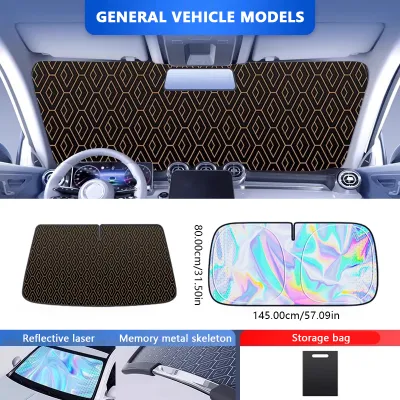
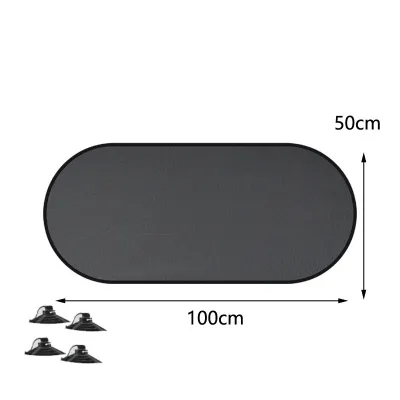
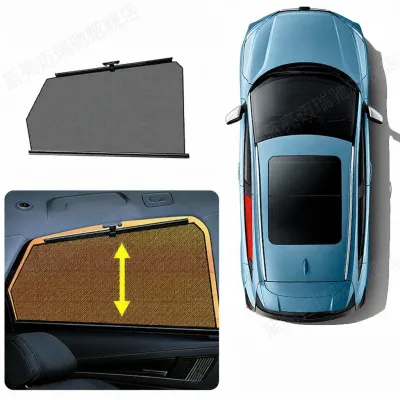
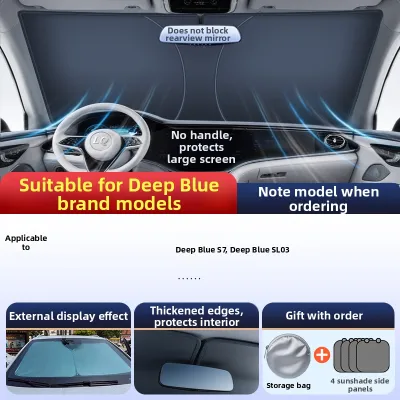
Prices are valid at publication and may change. Please refer to the product page for the latest price.
When a car sits under direct sunlight, solar radiation passes through the glass and is absorbed by the dashboard, steering wheel, and seats. This trapped energy radiates back into the cabin, creating a greenhouse effect. If your steering wheel is too hot to touch, or if your air conditioning takes more than five minutes to lower the cabin temperature to a comfortable level, your primary issue is ambient heat retention.
Direct glare and UV exposure present a different set of challenges. This issue is most noticeable when passengers complain about the sun shining directly into their eyes, or when you observe localized fading on your leather upholstery. Glare is particularly problematic during early morning and late afternoon commutes when the sun sits low on the horizon, casting harsh light through the side windows.
Your parking habits and daily routine dictate which problem is more urgent. Drivers who park in open-air HDB carparks or exposed industrial estates face severe heat buildup throughout the day. Those who primarily park in sheltered basement lots but make frequent daytime trips with family members are more likely to struggle with passenger-side glare.
To determine your immediate needs, consider this quick self-assessment:
- Scenario A: Your vehicle is parked outdoors for more than four hours daily, and the cabin is consistently scorching when you enter. Primary need: Front windshield shade.
- Scenario B: Rear passengers, especially young children in car seats, frequently shield their eyes from the sun while the vehicle is in motion. Primary need: Side window shades.
- Scenario C: You park outdoors daily and regularly travel with passengers who complain about heat and glare. Primary need: A combination of both.
Front Windshield Shades: When They Are the Right Choice
The front windshield is the single largest piece of glass on your vehicle. Because of its size and shallow angle of incidence, it acts as a massive funnel for solar energy, allowing heat to strike the dashboard directly.

If your dashboard remains unprotected, the heat absorbed by the dark plastic or leather surfaces will radiate throughout the cabin long after you start driving. Over time, this intense thermal stress can cause dashboard materials to dry out, warp, or crack. A front windshield shade blocks this thermal transfer at the point of entry, keeping the dashboard cool and reducing the initial workload on your air conditioning system.
When shopping for a front windshield shade, you will encounter three primary designs:
- Reflective Accordion Shades: These classic shades feature a bubble-core material sandwiched between reflective metallic foil layers. They are highly effective at bouncing solar rays outward but can be bulky to fold and store in compact cabins.
- Custom-Fit Fabric Shades: Made from dense, multi-layered fabric tailored to your specific vehicle model, these shades offer edge-to-edge coverage with minimal light leakage. They typically roll or fold into a neat sleeve but carry a higher price tag.
- Umbrella-Style Shades: Featuring a collapsible metal frame that opens like a standard umbrella, these shades deploy quickly and rest against the glass. However, you must ensure the central shaft does not press against or scratch your infotainment screen or dashboard trim.
Regardless of the style you choose, safety is paramount. Front windshield shades must only be deployed when the vehicle is stationary and parked. You must completely remove, fold, and securely store the shade before starting the engine. Ensure the stored shade does not slide under the pedals or obstruct your access to gear selectors and physical controls.
Side Car Window Shades: When You Need Them Instead (or Too)
Side window shades serve a different purpose, focusing on passenger comfort, localized UV protection, and privacy while the vehicle is in motion. They are especially critical if you frequently transport young children or pets, as infants in rear-facing car seats are highly vulnerable to direct sunlight and cannot easily adjust their position to escape the glare.
Selecting the right side window shade requires balancing visibility with coverage. Several mounting styles are common:
- Static Cling Shades: These shades use electrostatic force to adhere directly to the glass without adhesives or suction cups. They are easy to apply and remove, though they must be sized correctly to avoid peeling when the window is rolled down.
- Mesh Sleeves: Often called "window socks," these elastic mesh sleeves slip over the entire door frame. They allow you to roll down the window for fresh air while maintaining shade, but they can create wind noise at highway speeds and may degrade faster when exposed to rain.
- Magnetic Shades: Designed to snap onto the metal frame surrounding the window, these offer a clean, semi-permanent fit. They are highly stable but are only compatible with vehicles that have steel window frames.
- Suction Cup Shades: A traditional, low-cost option that attaches to any glass surface. However, degraded suction cups can fail unexpectedly, and they can leave unsightly rings on your glass.
Safety and legal compliance are critical when installing side shades. In Singapore, the Land Transport Authority (LTA) maintains strict guidelines regarding driver visibility. You must never install opaque or heavily restrictive shades on the driver or front passenger side windows while driving, as this severely limits your view of the side mirrors and blind spots. Rear side window shades are permissible, but they must still allow sufficient light transmission to ensure you can safely navigate lane changes and tight turns.
Do You Need Both? Combining Shades for Maximum Protection
For many drivers in tropical climates, choosing between front and side shades is not an either-or decision. Combining both types provides a comprehensive thermal barrier that protects your vehicle from every angle.
Investing in a complete shading setup is highly recommended if your vehicle is parked in unshaded lots for the majority of the day. While a front shade stops the largest source of heat, lateral solar movement throughout the afternoon means the sun will eventually penetrate your side windows, heating up the seats and door panels. Utilizing both front and side shades creates a dark, insulated environment that significantly slows down cabin heat buildup.
From a financial perspective, a high-quality front shade typically costs between S$20 and S$60, while a set of rear side shades ranges from S$15 to S$40. Spending approximately S$35 to S$100 on a complete set is a highly cost-effective way to protect your interior. Given that replacing sun-damaged leather upholstery or a cracked dashboard can cost thousands of dollars, manual shades offer excellent preventive value.
Managing multiple shades inside the cabin requires a practical storage routine to avoid clutter. Look for shades that fold flat or compress into compact storage sleeves. You can store your front windshield shade in the pocket behind the front passenger seat or flat beneath the front seat cushion. Side shades can remain mounted on the rear windows if they are mesh-style, or folded and kept in the door side pockets when not in use.
To help you decide on the right configuration, refer to this decision matrix:
- Front Windshield Shade Only: Choose this if you park outdoors daily, drive alone or with only one front passenger, and do not experience significant side-glare issues during your commute.
- Side Window Shades Only: Choose this if you park in a shaded garage at home and work, but frequently drive passengers, children, or pets during peak daylight hours.
- Both Front and Side Shades: Choose this if you park outdoors for long periods, regularly carry passengers, and want to maximize interior preservation and cooling efficiency.
- Neither (Alternative Solutions): Choose this if you have high-performance window tinting installed that already meets your heat and glare rejection needs.
When Window Shades Aren't Enough: Tints and Alternatives
While manual window shades are highly effective when parked, they have physical limitations. They do not provide heat rejection for the front windows while you are driving, and deploying them every time you park can become tedious. If you find your cabin remains uncomfortably hot despite using shades, or if you want continuous protection without the hassle of manual setup, you may need to consider permanent alternatives.
High-performance window tinting films are a popular permanent solution. These films are professionally applied to the interior surface of your car windows and work continuously to reject infrared heat and block ultraviolet radiation. Unlike manual shades, quality tints protect your cabin both while parked and while driving, without compromising your view of the road.
Before committing to window tinting, you must verify compliance with local regulations. In Singapore, the Land Transport Authority (LTA) enforces strict Visual Light Transmittance (VLT) limits to ensure road safety:
- Front Windshield: Must allow at least 70% light transmission.
- Front Side Windows: Must allow at least 70% light transmission.
- Rear Windshield: Must allow at least 50% light transmission.
- Rear Side Windows: Must allow at least 50% light transmission.
Always choose a reputable installation center that provides certified films matching these legal parameters. If you install films that are too dark, your vehicle will fail its periodic inspection, and you may face fines or be required to strip the film at your own expense.
For comprehensive protection, you can combine compliant window tints with supplementary measures. Applying a specialized leather conditioner with built-in UV blockers can help prevent your seats from drying out and cracking. When applying any interior care products or protective sprays, always consult the product label and your vehicle manufacturer’s care instructions first, and test the product on a small, hidden area to ensure compatibility with your upholstery material.
Frequently Asked Questions (FAQ)
Can I leave my car window shades on while driving?
You must never leave a front windshield shade in place while driving, as it completely blocks your forward vision and creates an immediate, severe safety hazard. Side window shades may be left on while driving only if they are made of semi-transparent mesh that does not obstruct the driver’s view of the side mirrors, blind spots, or surrounding traffic. Opaque, solid fabric, or suction-cup shades that block key sightlines must be removed before you put the vehicle in motion to ensure full compliance with local traffic safety regulations.
Do reflective sun shades actually damage the dashboard?
High-quality reflective sun shades do not damage your dashboard. Instead, they protect it by reflecting solar radiation back out through the glass before it can be absorbed by the dark surfaces of your interior. However, damage can occur if you use a poorly fitted or low-quality shade that sags, leaving large gaps where heat can build up, or if the reflective material is pressed directly against sensitive electronic screens. To prevent heat trapping, ensure your shade fits snugly against the windshield glass and is held securely in place by your vehicle’s sun visors.
How do I measure my car windows for a universal sun shade?
To measure your front windshield for a universal shade, use a tape measure along the interior of the glass. Measure the maximum width from the bottom left corner to the bottom right corner, and the maximum height from the base of the dashboard to the top edge of the glass near the rearview mirror. For side windows, measure the widest horizontal span and the tallest vertical span of the glass frame. If your vehicle has highly curved glass, a deep dashboard, or integrated sensors near the rearview mirror, a custom-fit shade designed specifically for your vehicle’s make and model will provide much better coverage and easier installation than a universal option.

Community discussion
Share your experience or ask a question. Comments are reviewed before publication.